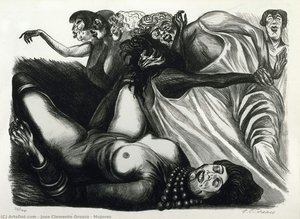
![Mexican Landscape \n[paisaije Mexicano] — ホセ・クレメンテ・オロスコ](/media/artworks/images-full/d8/6f/d86f04ba748b0e0b2408ed1bb2388ce1.jpg)
 プレビュー
プレビュー
 プリントを購入
 シェアする
シェアする シェアする
シェアする
 詳細を見る
詳細を見る

 ダウンロード
 似ている作品
 X線調査
X線調査 スライドショー
Mexican Landscape \n[Paisaije Mexicano]
 Acrylic On Canvas
- WallArt
- Mexican Muralism
 1932
1932- 19th Century
 76.0 x 93.0 cm
 名古屋市美術館
 詳細を見る
詳細を見る




P118B $10

P118H $10

P118W $10

P438Z $10

P508JH $12

P508YH $12

P805H $10

P805Z $10

P919BZ $10

P919G $10

P919XJ $10

P959ZH $10

P968JZ $12

W106C $8

W218G $10

W218JH $8

W218Y $10

W307PJ $10

W316G $10

W316PJ $8

W316Y $10

W398PJ $8

W4111J $10

W500HY $15

W500JH $15

W692G $12

W849H $8

W940BG $15

W953PJ $8




作品のオリジナル比率に合わせた、当店の規定サイズからお選びください。

特定のフレームやスペースに合わせて、ご希望のサイズをご入力いただけます。選択されたサイズが元の画像の比率と異なる場合、アートワークをトリミングするか、手描きで要素を追加して絵画を拡張いたします。デジタルモックアップ を制作し、制作開始前にご確認(承認)をいただきます。
画面上のプレビューは、実際のトリミングや拡張を正確に反映しているものではありません。最終的な構図は、モックアップによってのみ正確にご確認いただけます。
カスタムサイズもご利用いただけますが、元の比率を維持するためには、あらかじめ用意されたリストからサイズを選択することをお勧めいたします。
ご注文後、ArtsDot.com チームより詳細な指示をお送りするとともに、仕上がりイメージ(モックアップ)をご提供いたします。


 ガラスオプションは、110cm未満のサイズでのみご利用いただけます。

Mexican Landscape \n[Paisaije Mexicano]
複製技法
複製画のサイズ
-


合計金額
$ 263
作品解説
José Clemente Orozco’s *Mexican Landscape* (1932): A Chronicle of Struggle and Resilience
“A Life Forged in Revolution,” as it were, perfectly encapsulates the trajectory of José Clemente Orozco's artistic career. His monumental works, born from a deep engagement with Mexico’s turbulent 20th-century history, aren’t merely depictions of landscapes; they are visceral narratives etched onto canvas, demanding attention and provoking profound reflection. *Mexican Landscape* (1932), a painting measuring 76 x 93 cm, exemplifies this powerfully, offering a stark portrayal of social inequality and the enduring spirit of the Mexican people.
The scene immediately confronts the viewer with a tableau of contrasting figures: a woman, presumably a plantation owner’s wife, stands in dignified repose beside her infant, while two peasants – one on either side – gaze upon them with an expression that speaks volumes about their subjugated position. The colossal agave plant, or *maguey*, dominates the composition, acting as both a physical and symbolic barrier between these disparate groups. This deliberate arrangement underscores the vast chasm of wealth and power that defined Mexican society at the time, a reality Orozco unflinchingly confronted in his art.
A Masterclass in Muralist Technique
- Orozco’s distinctive style is immediately recognizable. Employing a heavily textured technique – a hallmark of his muralism – he builds up the paint with thick, expressive brushstrokes, creating a dynamic surface that seems to pulse with energy. The use of dark, earthy tones—ochres, browns, and blacks—dominates the palette, contributing to the painting’s somber mood and emphasizing the harshness of the landscape.
- The artist's masterful handling of line is equally significant. Bold, angular lines define the forms – particularly the cactus and the figures – lending a sense of strength and monumentality to the scene. This deliberate use of line adds to the painting’s dramatic impact, further amplifying its emotional weight.
- Orozco's impasto technique, achieved through thick layers of paint applied with palette knives and brushes, creates a tactile surface that invites close inspection. The viewer is encouraged to engage with the work on a physical level, mirroring the intensity of Orozco’s message.
Symbolism and Historical Context
Painted in 1932, *Mexican Landscape* reflects the immediate aftermath of the Mexican Revolution (1910-1920). The painting serves as a potent commentary on the social injustices that fueled the revolution – the exploitation of rural populations by wealthy landowners. The agave plant itself holds significant cultural symbolism in Mexico, representing resilience, strength, and connection to the land. Orozco’s choice to place it between the figures highlights the enduring power of nature amidst human suffering.
The swirling clouds in the background contribute to a sense of foreboding, mirroring the turbulent political climate of the era. The dry landscape further emphasizes the vulnerability and hardship faced by the peasantry. Orozco’s work is not simply a record of a specific time; it's an enduring symbol of social struggle and the ongoing quest for justice.
Emotional Impact and Artistic Legacy
*Mexican Landscape* possesses a profound emotional impact, forcing viewers to confront uncomfortable truths about power, inequality, and human dignity. Orozco’s ability to translate complex historical and social issues into a visually arresting image is testament to his artistic genius. This piece remains a cornerstone of Mexican muralism and a powerful reminder of the nation's turbulent past. A hand-painted reproduction offers an unparalleled opportunity to experience the full force of Orozco’s vision, bringing this significant artwork into any discerning collection or interior space.
関連作品

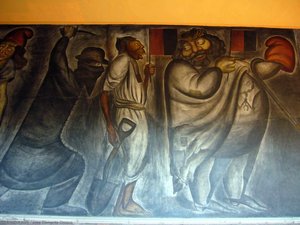
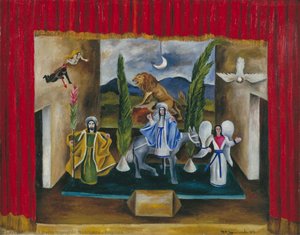
アーティストの略歴
革命の炎に鍛えられた魂:ホセ・クレメンテ・オロスコの世界
1883年11月23日、メキシコのハリスコ州サポトラン・エル・グランデ(現在のシウダー・グスマン)という小さな町で生まれたホセ・クレメンテ・オロスコは、メキシコ壁画運動を代表する巨匠の一人として、その名を歴史に刻んでいます。彼の生涯は、革命、社会の激動、そして国家的アイデンティティへの熱い探求によって特徴づけられたメキシコの波乱万丈な時代と不可分に結びついていました。オロスコは単なる画家ではありませんでした。彼はメキシコの魂を視覚的に記録し、その苦悩、希望、矛盾を、今日でも力強く響き続ける巨大なキャンバスへと翻訳したビジュアル・クロニクラーだったのです。幼い頃から、メキシコの人々の生々しく、時に厳しい現実が彼の心を捉えて離しませんでした。彼の芸術的な目覚めは、メキシコシティの学校時代に始まりました。そこで彼は、死や日常生活を風刺的に描くことで社会規範に挑戦した名高い版画家ホセ・グアダルーペ・ポサダの作品に魅了されました。この出会いは、オロスコに芸術を社会批判のための手段として捉えるという信念を植え付けました。17歳の時、爆薬の実験中に左手を失ったという若き日の事故は、彼を阻むことはありませんでした。むしろ、逆境を克服し、芸術的創造を通して自己表現を深めるための揺るぎない決意を燃え上がらせたように見えました。メキシコ壁画運動の誕生とオロスコ独自の表現
1906年、オロスコはサン・カルロス・アカデミーで正式な訓練を開始しました。そこで彼は、後にメキシコ壁画運動の主要な役割を担うことになる同級生のダビド・アルファロ・シケロスと出会います。この時期は政治的不安と社会正義への高まりによって特徴づけられました。1910年から1920年のメキシコ革命の後、国内には先住民文化を称え、国の課題に取り組む独自のメキシコ様式を作り出そうとする芸術的表現の波が押し寄せました。ディエゴ・リベラとシケロスと共に、オロスコは「ビッグスリー」と呼ばれる壁画運動のリーダーの一人となりました。しかし、リベラの壁画がメキシコの過去と未来をより楽観的に描いていたのに対し、シケロスがダイナミックなアクションと革命的な熱意に焦点を当てていた一方で、オロスコはより暗く内省的な道を開拓しました。彼の作品は、紛争の残酷な現実、大衆の苦しみ、そして人間の本質の矛盾を深く掘り下げました。彼は革命を美化することには興味がなく、その代償—痛み、喪失、そして幻滅—を明らかにしようと努めました。壁画という表現媒体:技術と象徴性
オロスコの才能は、力強い感情を伝える能力だけでなく、革新的なフレスコ技法への熟練度にもありました。湿った漆喰に直接描くことで、彼は巨大なスケールで驚くほど耐久性の高い壁画を生み出しました。彼のパレットはしばしば陰鬱でした—土色、灰色、そして黒色が構成を支配し、テーマの重々しさを反映していました。彼は暴力や絶望を描くことを恐れませんでしたが、それは無駄ではありませんでした。それらは紛争の人道的コストを痛烈に思い出させる役割を果たしました。象徴性はオロスコの作品において重要な役割を果たしました。機械は彼の壁画によく登場しますが、進歩の象徴としてではなく、非人間化と技術の破壊的な可能性を表しています。人物はしばしば断片化されたり歪められ、疎外感と心理的混乱を伝えます。彼の構成は単純な物語ではありませんでした。むしろ、注意深い解釈を必要とする複雑な寓意でした。1925年に描かれたオムニスシエンシアはそのアプローチの典型であり—鮮やかな表現主義と多層的な象徴性でレンダリングされた社会正義に関する力強い探求です。同様に、*コルテス&ラ・マリンチェ*は歴史と文化を劇的に描写し、彼の大胆なデザインと芸術的技術を示しています。遺産と永続的な影響
ホセ・クレメンテ・オロスコの影響はメキシコの国境を超えて広がっています。彼の壁画は、アメリカ合衆国ニューハンプシャー州 Hanover のダートマス大学のベイカー・ベリー図書館など、世界中の著名な場所にあります。そこで彼のアメリカ文明の叙事詩は、彼の芸術的ビジョンと知的な深さの証として立っています。彼は社会写実主義への献身、革新的なフレスコ技法、そして人間の苦しみを容赦なく描写することで、何世代にもわたるアーティストにインスピレーションを与えました。彼の作品は、その感情的な力強さ、技術的な卓越性、そして永続的な関連性のために研究され、賞賛されています。グアダラハラ大学美術館には、彼の生涯と芸術を保存し、未来の世代のために遺産を守るワークショップ・ミュージアムがあります。グスタボ・アリアス・ムルエタやオスカル・サラス・モヤなどのアーティストは、メキシコのアイデンティティと社会問題に関する彼ら自身の探求において、オロスコの影響を認めています。- オロスコの壁画は世界中のアーティストにインスピレーションを与えました。
- 彼の作品は壁画芸術を高めました。
- 彼は20世紀のメキシコ美術を理解する上で不可欠な人物であり続けています。
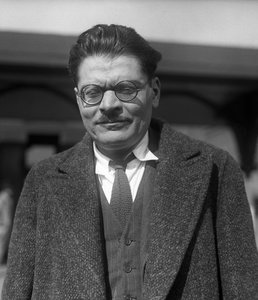
ホセ・クレメンテ・オロスコ
1883 - 1949 , メキシコ
基本情報
- Artistic Movement Or Style: メキシコ壁画運動
- Artists Or Movements Influenced By This Artist:
- グスタボ・アリアス・ムルエタ
- オスカル・salas モヤ
- Artists Who Influenced This Artist: ['ホセ・グアダルーペ・ポサダ']
- Date Of Birth: 1883年11月23日
- Date Of Death: 1949年
- Full Name: ホセ・クレメンテ・オロスコ
- Nationality: メキシコ人
- Notable Artworks (List Of Titles):
- 全知
- 貧しい人々
- コルテスとラ・マリンチェ
- メキシコの兵士
- Place Of Birth (City And Country): メキシコ、シウダー・グスマン
関連記事
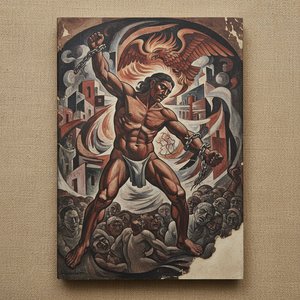
José Clemente Orozco: A Revolutionary Vision of Mexican Muralism & the Human Condition
Explore the powerful world of José Clemente Orozco, a key figure in Mexican Muralism. Discover his revolutionary art, social commentary, and lasting impact on 20th-century painting. Learn about his unique style & legacy.

Elevating Interiors: How Murals are Redefining Kitchens and Bathrooms
Transform your kitchen & bathroom with stunning murals! Explore design trends, durable materials & expert advice. Elevate your interiors with 's bespoke mural solutions.
Revolution on Canvas: Exploring the Socio-Political Power & Artistic Legacy of Mexican Muralism
Explore the powerful world of Mexican muralism! Discover Diego Rivera, Frida Kahlo & Orozco's revolutionary art, social impact & lasting legacy. Expert insights & high-quality reproductions at ArtsDot.
Diego Rivera: A Revolutionary Vision of Mexican Identity Through Muralism
Explore the revolutionary murals of Diego Rivera and his profound impact on Mexican art & identity. Discover his techniques, iconic works like 'Man at the Crossroads,' and lasting legacy with ArtsDot.

現代ホテルの壁を彩るムラルの潮流:ジャングル風景から金箔幾何学模様まで、空間デザインの最新トレンド
現代ホテルの壁を彩るムラルの最新トレンドを徹底解説。ジャングル風景から金箔幾何学模様まで、空間デザインのプロが選ぶアートコンサルティング情報や事例をご紹介。ArtsDotで理想のホテル空間を実現。