

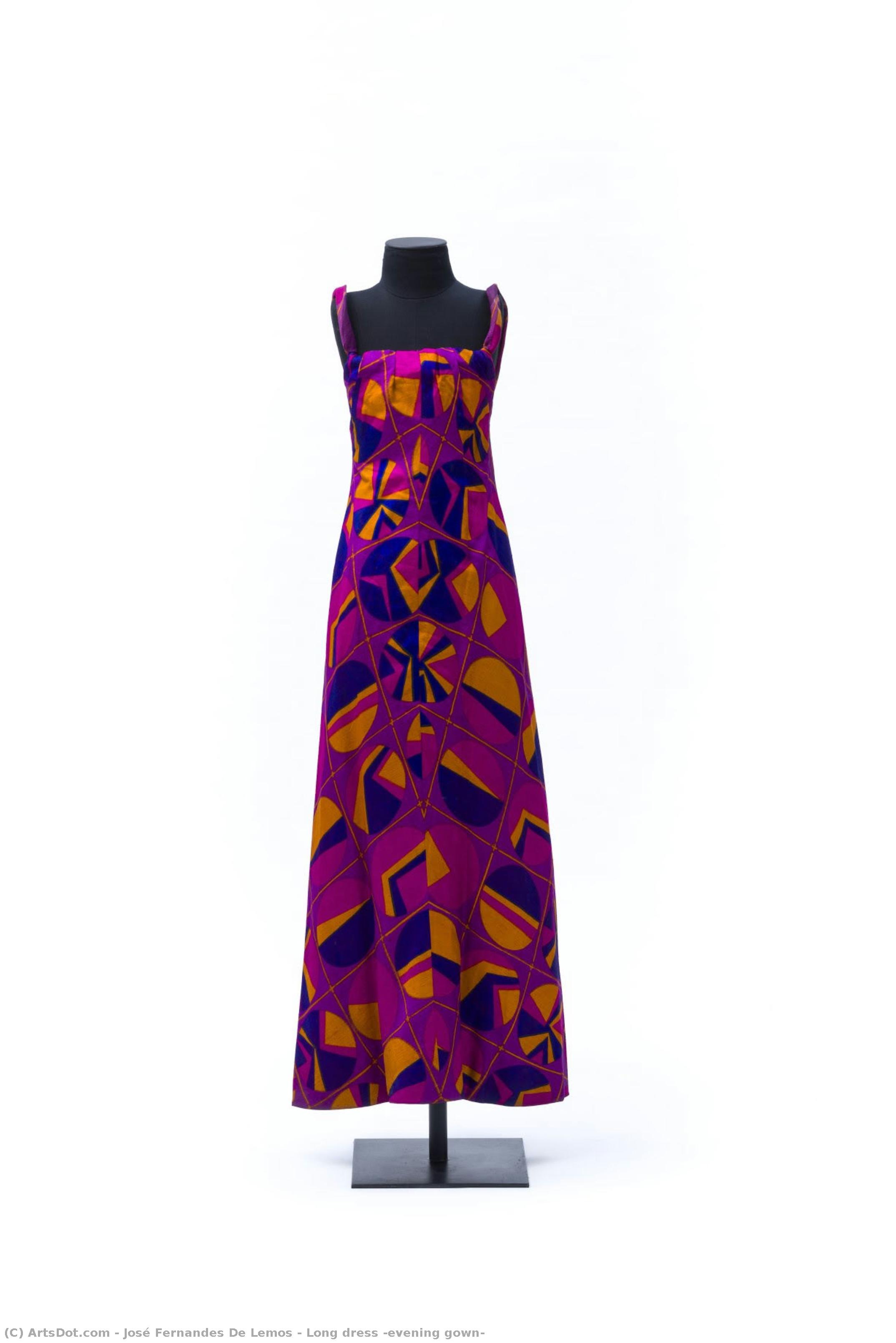
 プレビュー
プレビュー
 シェアする
シェアする シェアする
シェアする
 詳細を見る
詳細を見る

 ダウンロード
 似ている作品
 X線調査
X線調査 スライドショー
 Stats
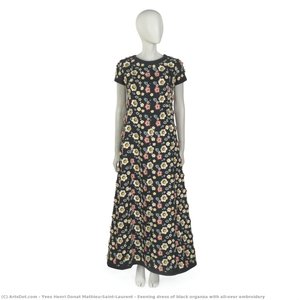
StatsLong dress (evening gown)


 詳細を見る
詳細を見る
オンラインプレビューをはるかに凌ぐ、高解像度で鮮明なデジタル画像をご購入いただけます。
各ファイルは、社内の専門家が高度なツールと熟練した手作業によるレタッチを用いて、細心の注意を払って準備されています。すべての画像において、卓越した鮮明度、正確な色彩再現性、そして繊細なディテールを保証いたします。
最終ファイルは、プロフェッショナルな編集・印刷環境ですぐにご利用いただけるよう最適化された状態で、72時間以内にメールにてお届けいたします。これは、一流のデザインスタジオ、出版社、ギャラリーから信頼されているものと同等の品質です。
デジタルアート
個人での鑑賞、印刷、クリエイティブなプロジェクト用に、高解像度ファイルをダウンロードできます。 ( Switch to Print 手描きの絵画を購入)
デジタル画像のご注文に付随する特典
高品質なデジタル画像配信を、確かな品質で。
ArtsDot.com を選ぶことは、単に画像を手に入れることではありません。それは、プロの手によって精密に仕上げられ、満足保証が付いた高品質なデジタルアートワークを受け取ることを意味します。ご注文いただいた際に自動的に付随する内容は、以下の通りです:

メールですぐにお届け
ご注文から72時間以内に、高解像度のデジタル画像ファイルがメールでお手元に届きます。すぐにそのままご利用いただけます。

AI技術で最適化されたデジタルファイル
お客様の作品は、高度なAIツールと専門家による手作業の編集を組み合わせてプロフェッショナルに最適化されており、細部のディテール、鮮明さ、そして正確な色再現性を最大限に引き出しています。

一生涯無料の再送サービス
ファイルを誤って削除したり、紛失してしまったりしましたか?ご安心ください。いつでも無料で再送いたします。

輸入手数料は一切かかりません
関税や手数料、配送料を気にすることなく、お気に入りのアートワークをすぐにお楽しみいただけます。デジタルダウンロードは常に免税です。

色彩再現の保証
プロ仕様のツールとカラーマネジメント技術を用いることで、デジタル画像が元の色を最大限に忠実に再現することを保証いたします。

100日間満足保証
ご購入いただいたデジタル画像にご満足いただけない場合は、100日以内であれば、理由を問わず修正または100%の返金対応をさせていただきます。

100% 返金保証
ご満足いただけない場合は、デジタルファイルを受け取ってから100日以内であれば、理由を問わず全額返金いたします。

まとめ買い割引
3枚購入で10%OFF - 5枚購入で15%OFF - 10枚以上購入で20%OFF。クリエイティブなプロジェクト、ギャラリー、エージェンシーに最適です。
関連作品





作家の略歴
José Fernandes de Lemos: A Surrealist Navigator of Portuguese and Brazilian Identity
Born in Lisbon, Portugal, in 1926 as José Fernandes de Lemos, and later adopting the name Fernando Lemos, this multifaceted artist represents a pivotal bridge between European modernist traditions and the burgeoning artistic landscape of Brazil. His life’s work—spanning painting, drawing, photography, graphic design, writing, and teaching—is characterized by a restless exploration of form, memory, and the complex interplay between personal experience and cultural identity. Lemos wasn't simply an artist; he was a chronicler of his times, a visual poet grappling with themes of displacement, transformation, and the search for meaning in a rapidly changing world.
Lemos’s early artistic development was deeply rooted in the Surrealist movement. Influenced by artists like Salvador Dalí and René Magritte, he initially embraced the dreamlike imagery and psychological exploration characteristic of Surrealism. His 1952 exhibition with Marcelino Vespeira and Fernando Azevedo at Casa Jalco in Lisbon showcased this early phase, featuring gouaches, drawings, and oil paintings that experimented with abstract forms and dynamic combinations of organic and angular elements – a deliberate departure from purely representational art. Crucially, he began incorporating photography into his practice almost immediately, utilizing techniques like solarization and superimposition to create unsettling juxtapositions and fragmented narratives, mirroring the Surrealist interest in challenging conventional perceptions.
The Brazilian Journey: A New Palette of Experience
A significant turning point in Lemos’s career arrived in 1953 when he relocated to Brazil, acquiring Brazilian nationality a few years later. This move marked not just a geographical shift but also a profound transformation in his artistic vision. Brazil offered him a new cultural context, a vibrant energy, and a wealth of visual stimuli that profoundly influenced his work. He quickly established himself as a key figure within the São Paulo art scene, collaborating with galleries like Galeria de Março and participating in prestigious events such as the São Paulo Biennial. This period witnessed a shift away from purely Surrealist techniques towards a more personal and expressive style, reflecting the unique rhythms and textures of Brazilian life.
Lemos’s photographic work during this time is particularly noteworthy. He moved beyond simple portraiture, employing manipulated images—often incorporating elements of collage and abstraction—to reveal hidden aspects of his subjects' personalities and experiences. His approach was deeply rooted in the Surrealist tradition but infused with a distinctly Brazilian sensibility, capturing the country’s diverse landscapes, social dynamics, and cultural heritage.
A Synthesis of Disciplines: Painting, Design, and Beyond
Lemos’s artistic practice extended far beyond painting and photography. He was also a skilled graphic designer and industrial designer, contributing to the visual identity of various projects and products. His design work reflected his broader aesthetic concerns—a fascination with form, texture, and the interplay between representation and abstraction. Furthermore, Lemos remained deeply engaged in writing and teaching, sharing his knowledge and insights with generations of aspiring artists.
Throughout the 1960s, his pictorial production leaned towards a “concrete abstractionism,” characterized by the presence and overlapping of black forms—a departure from the atmospheric surrealism of his earlier work. This shift reflected a growing interest in exploring the formal qualities of art itself, moving beyond narrative content to focus on composition, color, and texture. His involvement with publications like *Portugal Demático* and *Colóquio/Artes* demonstrated his commitment to fostering critical dialogue within the Brazilian artistic community.
Legacy and Recognition
José Fernandes de Lemos (Fernando Lemos) died in 2019, leaving behind a rich and diverse body of work that continues to resonate with audiences today. His art is celebrated for its innovative use of photography, its exploration of Surrealist themes, and its profound engagement with Brazilian identity. His influence can be seen in the work of numerous contemporary artists who continue to push the boundaries of visual expression. Lemos’s legacy extends beyond his individual achievements; he played a crucial role in shaping the development of modern art in both Portugal and Brazil, bridging European artistic traditions with the vibrant energy of South America.
His works are held in prestigious collections such as the Berardo Collection in Lisbon and the Pinacoteca do Estado de São Paulo. Further exploration can be found through online resources like Wikipedia and ArtsDot’s extensive database, offering a comprehensive overview of his life and career.

josé fernandes de lemos
1926 - 2019 , Portugal
プロフィール概要
- Artistic Movement Or Style: Surrealism, Abstraction
- Artists Or Movements Influenced By This Artist: ['Man Ray']
- Artists Who Influenced This Artist:
- Marcelino Vespeira
- Fernando Azevedo
- Date Of Birth: May 3, 1926
- Date Of Death: December 17, 2019
- Full Name: José Fernandes de Lemos
- Nationality: Portuguese-Brazilian
- Notable Artworks:
- Long dress (evening gown)
- Alexandre O
- Eu, auto-retrato
- Place Of Birth: Lisbon, Portugal