

 プリントを購入
 シェアする
シェアする シェアする
シェアする
 詳細を見る
詳細を見る

 ダウンロード
 似ている作品
 スライドショー
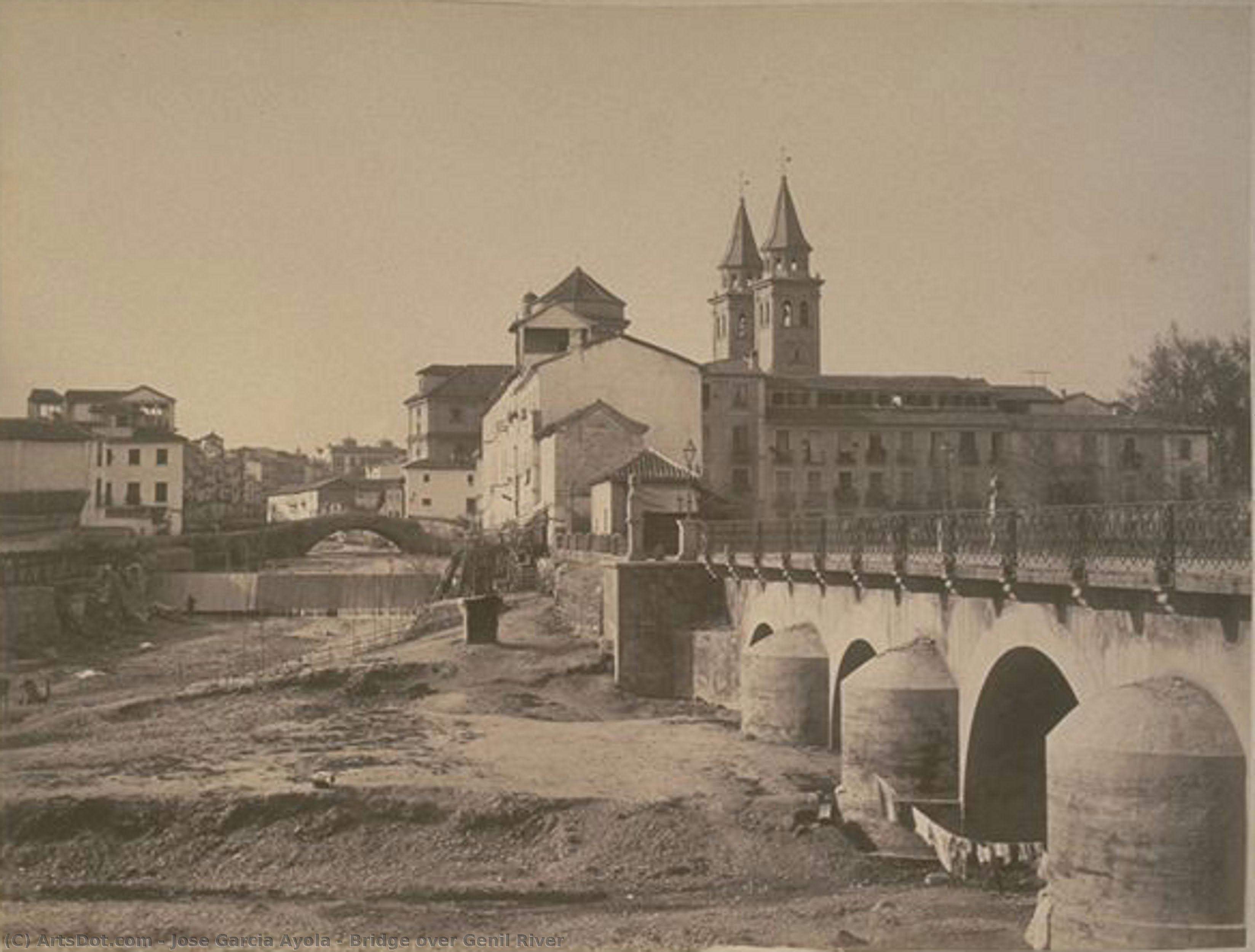
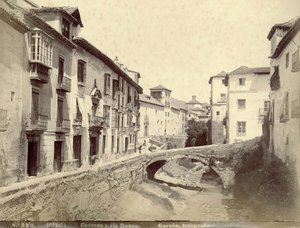
Bridge over Genil River
 Photography
- Photo
- Realism
 1880
1880- 19th Century
 25.0 x 33.0 cm
 Museo Casa de los Tiros de Granada
 詳細を見る
詳細を見る
オンラインプレビューをはるかに凌ぐ、高解像度で鮮明なデジタル画像をご購入いただけます。
各ファイルは、社内の専門家が高度なツールと熟練した手作業によるレタッチを用いて、細心の注意を払って準備されています。すべての画像において、卓越した鮮明度、正確な色彩再現性、そして繊細なディテールを保証いたします。
最終ファイルは、プロフェッショナルな編集・印刷環境ですぐにご利用いただけるよう最適化された状態で、72時間以内にメールにてお届けいたします。これは、一流のデザインスタジオ、出版社、ギャラリーから信頼されているものと同等の品質です。
デジタル画像のご注文に付随する特典
高品質なデジタル画像配信を、確かな品質で。
ArtsDot.com を選ぶことは、単に画像を手に入れることではありません。それは、プロの手によって精密に仕上げられ、満足保証が付いた高品質なデジタルアートワークを受け取ることを意味します。ご注文いただいた際に自動的に付随する内容は、以下の通りです:

メールですぐにお届け
ご注文から72時間以内に、高解像度のデジタル画像ファイルがメールでお手元に届きます。すぐにそのままご利用いただけます。

AI技術で最適化されたデジタルファイル
お客様の作品は、高度なAIツールと専門家による手作業の編集を組み合わせてプロフェッショナルに最適化されており、細部のディテール、鮮明さ、そして正確な色再現性を最大限に引き出しています。

一生涯無料の再送サービス
ファイルを誤って削除したり、紛失してしまったりしましたか?ご安心ください。いつでも無料で再送いたします。

輸入手数料は一切かかりません
関税や手数料、配送料を気にすることなく、お気に入りのアートワークをすぐにお楽しみいただけます。デジタルダウンロードは常に免税です。

色彩再現の保証
プロ仕様のツールとカラーマネジメント技術を用いることで、デジタル画像が元の色を最大限に忠実に再現することを保証いたします。

100日間満足保証
ご購入いただいたデジタル画像にご満足いただけない場合は、100日以内であれば、理由を問わず修正または100%の返金対応をさせていただきます。

100% 返金保証
ご満足いただけない場合は、デジタルファイルを受け取ってから100日以内であれば、理由を問わず全額返金いたします。

まとめ買い割引
3枚購入で10%OFF - 5枚購入で15%OFF - 10枚以上購入で20%OFF。クリエイティブなプロジェクト、ギャラリー、エージェンシーに最適です。
A Window into Granada’s Golden Age
In the delicate strokes of José García Ayola’s Bridge over Genil River, we are transported back to the year 1880, a time when the pulse of Granada beat with a romantic, unhurched rhythm. This evocative piece serves as more than just a landscape; it is a temporal portal. The composition captures a serene moment in the life of an old Spanish city, where the Genil River flows as a silent witness to the passage of generations. Through the artist's eyes, we see a world defined by architectural grandeur and the quiet intimacy of daily life, where a church stands sentinel in the background, anchoring the scene in spiritual and historical permanence.
The painting masterfully balances the structural rigidity of the bridge and surrounding buildings with the fluid, organic movement of the river and the wandering souls upon its banks. There is a profound sense of narrative depth found in the small details: the rhythmic placement of pedestrians along the sidewalk, the presence of a horse near the center which speaks to a pre-industrial era, and even a solitary bench that invites the viewer to pause and linger within the scene. It is a composition that celebrates the harmony between man-made monuments and the natural landscape.
Mastery of Light and Atmospheric Nostalgia
Technically, the work reflects the profound influence of Ayola’s background in both classical drawing and the emerging photographic arts of the 19th century. The artist employs a sophisticated approach to tonal manipulation, creating a sense of depth that draws the eye from the immediate foreground toward the distant, hazy silhouettes of the city skyline. The interplay of light and shadow across the river's surface and the facades of the buildings creates a luminous quality, suggesting the soft, diffused glow of a late afternoon in Andalusia.
For the discerning collector or interior designer, this piece offers an unparalleled emotional resonance. It does not merely decorate a wall; it provides an atmosphere of contemplative peace. The monochromatic essence of the original vision—reminiscent of the marfilotype processes Ayola was known for—lends the work a timeless, archival elegance. Whether placed in a grand library or a contemporary living space, the painting acts as a sophisticated anchor, bringing a sense of historical weight and soulful tranquility to any environment.
A Timeless Investment in Heritage
Owning a reproduction of this caliber is an invitation to preserve a fragment of Spanish history. The Bridge over Genil River embodies the essence of the Romantic era—a period obsessed with the beauty of ruins, the majesty of nature, and the dignity of tradition. It serves as a poignant reminder of a lost era of craftsmanship and slow living. For those seeking to curate a collection that speaks of culture, travel, and the enduring legacy of Granada, this artwork stands as a testament to the enduring power of the Spanish visual tradition.
関連作品
作家の略歴
José García Ayola: Granada’s Pioneer of Photographic Portraiture
José García Ayola (1836 – 1900) stands as a pivotal figure in the history of Granada, Spain, and indeed, Spanish photography itself. Born in Granada during the Romantic era, Ayola’s artistic vision was profoundly shaped by the city's rich cultural heritage—particularly its Moorish legacy embodied in the Alhambra palace—and he dedicated his life to documenting this splendor through meticulously crafted photographs. His studio, established around 1860, quickly became a beacon of innovation and artistry within Granada’s burgeoning visual culture.- Early Life & Influences: Ayola's upbringing instilled in him a deep appreciation for craftsmanship and artistic tradition. While biographical details remain somewhat sparse, his training likely encompassed classical drawing techniques—a cornerstone of academic art—providing him with a foundational understanding of composition and tonal manipulation.
- The Art of Marfilotypes: Ayola distinguished himself through his mastery of marfilotype printing, a technique that produced remarkably luminous images using selenium chloride emulsion on albumin paper. This method achieved unparalleled detail and tonal range compared to its contemporaries, allowing Ayola to capture the subtleties of light and shadow with exceptional accuracy—a hallmark of his distinctive style.
- A Visionary Observer: Ayola’s photographic oeuvre transcends mere documentation; it constitutes a poignant portrayal of Granada's daily life. He captured scenes from bustling marketplaces, portraits of prominent citizens – including figures like Chorrojumo – and breathtaking vistas of the Alhambra and its surrounding landscape. His compositions are imbued with an aesthetic sensibility that anticipates Impressionism, prioritizing atmosphere and emotion alongside precise representation.
Notable Achievements & Recognition
Ayola’s commitment to artistic excellence garnered considerable acclaim during his lifetime. He was awarded prizes at the Granada Exhibition of 1875 and 1880, recognizing his technical prowess and artistic vision. Furthermore, he ascended to the prestigious position of Fotógrafo de Cámara by Royal Decree, signifying the monarchy's endorsement of his work and elevating him to a position of considerable influence within Granada’s intellectual circles. His studio was recognized as one of the most influential in Granada alongside Rafael Garzón’s, cementing his legacy as a champion of photographic innovation.- Institutional Patronage: Ayola's photographs found their way into esteemed institutions such as the Patronato de la Alhambra and the Museo de la Casa de los Tiros, safeguarding Granada’s cultural treasures for posterity.
- Legacy & Influence: Today, Ayola’s work continues to inspire admiration for its artistic merit and historical significance. His pioneering use of marfilotype printing established a new standard for photographic realism, while his evocative depictions of Granada solidified his place as one of the city's foremost chroniclers—a testament to his enduring contribution to Spanish art history.
Exploring Ayola’s Artistic Style
Ayola’s artistic style can be characterized by a deliberate blend of realism and decorative sensibility. He eschewed overly stylized compositions, favoring instead carefully considered framing that emphasized the grandeur of Granada's monuments and the dignity of its inhabitants. His studio’s branding—‘Casa Árabe’—reflected this aesthetic ethos, signaling his aspiration to elevate photography beyond mere technical reproduction into a form of artistic expression worthy of royal patronage.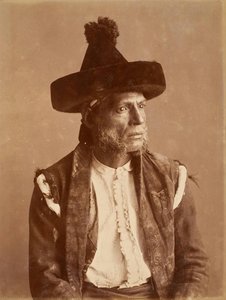
José García Ayola
1836 - 1900 , Spain
プロフィール概要
- Artistic Movement Or Style: Marfilotypes
- Date Of Birth: 1836 Granada Spain
- Date Of Death: 1900
- Full Name: José García Ayola
- Nationality: Spanish
- Notable Artworks:
- Portrait of Gypsy Girl
- Bridge over Genil River
- Portrait of Chorrojumo
- Place Of Birth: Granada Spain