

 プリントを購入
 シェアする
シェアする シェアする
シェアする
 詳細を見る
詳細を見る

 ダウンロード
 似ている作品
 スライドショー
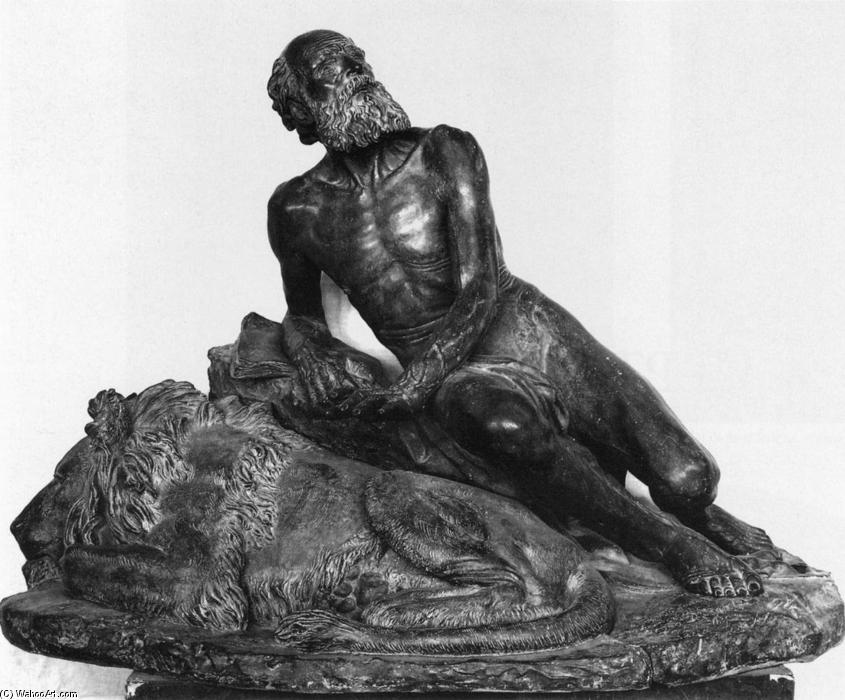
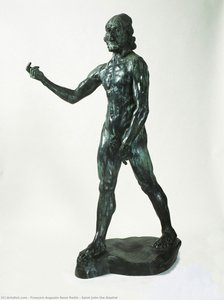
The Penitent Saint Jerome
 Bronze
- Sculpture
- Spanish Baroque
 1844
1844 106.0 x 150.0 cm
 プラド美術館
 詳細を見る
詳細を見る
オンラインプレビューをはるかに凌ぐ、高解像度で鮮明なデジタル画像をご購入いただけます。
各ファイルは、社内の専門家が高度なツールと熟練した手作業によるレタッチを用いて、細心の注意を払って準備されています。すべての画像において、卓越した鮮明度、正確な色彩再現性、そして繊細なディテールを保証いたします。
最終ファイルは、プロフェッショナルな編集・印刷環境ですぐにご利用いただけるよう最適化された状態で、72時間以内にメールにてお届けいたします。これは、一流のデザインスタジオ、出版社、ギャラリーから信頼されているものと同等の品質です。
デジタル画像のご注文に付随する特典
高品質なデジタル画像配信を、確かな品質で。
ArtsDot.com を選ぶことは、単に画像を手に入れることではありません。それは、プロの手によって精密に仕上げられ、満足保証が付いた高品質なデジタルアートワークを受け取ることを意味します。ご注文いただいた際に自動的に付随する内容は、以下の通りです:

メールですぐにお届け
ご注文から72時間以内に、高解像度のデジタル画像ファイルがメールでお手元に届きます。すぐにそのままご利用いただけます。

AI技術で最適化されたデジタルファイル
お客様の作品は、高度なAIツールと専門家による手作業の編集を組み合わせてプロフェッショナルに最適化されており、細部のディテール、鮮明さ、そして正確な色再現性を最大限に引き出しています。

一生涯無料の再送サービス
ファイルを誤って削除したり、紛失してしまったりしましたか?ご安心ください。いつでも無料で再送いたします。

輸入手数料は一切かかりません
関税や手数料、配送料を気にすることなく、お気に入りのアートワークをすぐにお楽しみいただけます。デジタルダウンロードは常に免税です。

色彩再現の保証
プロ仕様のツールとカラーマネジメント技術を用いることで、デジタル画像が元の色を最大限に忠実に再現することを保証いたします。

60日間満足保証
ご購入いただいたデジタル画像にご満足いただけない場合は、60日以内であれば、修正または100%の返金(理由を問う必要はありません)をさせていただきます。

100% 返金保証
ご満足いただけない場合は、デジタルファイルを受け取ってから60日以内であれば、理由を問わず全額返金いたします。

まとめ買い割引
3枚購入で10%OFF - 5枚購入で15%OFF - 10枚以上購入で20%OFF。クリエイティブなプロジェクト、ギャラリー、エージェンシーに最適です。
作品の詳細
A Soul in Bronze: José Piquer y Duart's "The Penitent Saint Jerome"
Within the hallowed halls of museums and private collections alike, bronze sculptures possess a unique power—a tangible connection to history, artistry, and profound human emotion. José Piquer y Duart’s “The Penitent Saint Jerome,” sculpted in 1844, exemplifies this captivating quality. This striking work, currently residing within the Museo Nacional del Prado's esteemed collection, isn't merely a depiction of a biblical figure; it is an exploration of faith, repentance, and the enduring strength of the human spirit rendered with remarkable skill and sensitivity.
The Figure and His Story
Saint Jerome, a pivotal figure in Christian history as a translator of the Bible and Doctor of the Church, embodies intellectual rigor and spiritual devotion. Piquer’s sculpture portrays him not in scholarly pursuit but in a moment of profound introspection—a penitent posture reflecting his commitment to self-reflection and atonement. The saint is depicted kneeling on one knee, his head bowed in what appears to be fervent prayer or deep contemplation. He wears only a loincloth, a deliberate choice that underscores humility and detachment from worldly possessions, aligning with the ascetic ideals of monastic life. In his right hand, he clutches a stone, poised to strike his breast—a symbolic act of self-flagellation representing repentance for past failings. This gesture is not one of violence but rather a deeply personal expression of sorrow and dedication to spiritual purification.
Romanticism in Bronze: Style and Technique
Piquer’s “The Penitent Saint Jerome” firmly resides within the Romantic artistic movement, a period characterized by emotional intensity, individualism, and a fascination with dramatic narratives. Unlike the Neoclassical emphasis on idealized forms and rational order, Romanticism embraced subjectivity and expressive power. Piquer masterfully translates these ideals into bronze. The sculpture’s surface is textured, bearing the marks of the casting process that contribute to its aged appearance and palpable sense of history. The artist's attention to detail—the rendering of Jerome’s weathered face, the musculature of his body, and the fur texture of the accompanying lion—demonstrates a remarkable technical proficiency. The bronze itself seems to breathe with life, capturing not just the saint’s physical form but also the weight of his spiritual burden.
Symbolism and Narrative
The presence of the lion is integral to understanding the sculpture's symbolism. In Christian iconography, lions often represent courage, strength, and divine protection—qualities associated with Saint Jerome himself. The lion’s posture – lying down beside Jerome in a gesture of quiet companionship – suggests not just loyalty but also a spiritual bond between man and beast, reflecting the saint’s dominion over his earthly desires through faith. The background is deliberately plain, drawing all attention to the figure and amplifying the emotional impact of his solitary contemplation. The entire composition tells a story—a narrative of repentance, devotion, and the enduring power of faith in the face of adversity.
An Enduring Legacy
José Piquer y Duart’s “The Penitent Saint Jerome” is more than just a beautiful sculpture; it's a powerful testament to the human capacity for introspection and spiritual growth. It stands as a significant work within Spanish Baroque art, demonstrating Piquer’s mastery of technique and his ability to convey profound emotion through bronze. Whether viewed in a museum setting or gracing a private home, this sculpture continues to resonate with audiences, inviting contemplation on themes of faith, humility, and the enduring search for meaning.
関連作品


作家の略歴
A Legacy Carved in Bronze and Spirit
Born into a lineage of artistic excellence in Valencia, Spain, José Piquer y Duart (1806–1871) was destined to become a master of form and emotion. As the son of José Piquer, the esteemed director of the Real Academia de Bellas and San Carlos, the young sculptor was immersed from birth in the rich traditions of Valencian Baroque art. This early exposure provided him with more than just technical training; it instilled a profound reverence for the sculptural prowess that had defined his family's legacy. His formative years were characterized by an unwavering dedication to mastering the intricate techniques of his era, blending the classical rigor of his heritage with an emerging sense of individual expression.
The trajectory of Piquer’s life was significantly altered by his extensive travels, which transformed him from a regional talent into a cosmopolitan artist. Beginning in 1836, his journeys took him across the Atlantic to Mexico and the United States, eventually leading him to the cultural heart of Europe: Paris. It was within the vibrant atmosphere of the French capital that Piquer encountered the burgeoning currents of Romanticism. Immersed in an era defined by the expressive dynamism of Eugène Delacroix and the emotional depth found in the compositions of Frédéric Chopin, his work began to absorb a new, soulful intensity. This period of wandering allowed him to bridge the gap between the structured traditions of the Spanish Baroque and the emotive, subjective power of the Romantic movement.
Mastery of Form and Devotion
Upon returning to Madrid in 1841, Piquer ascended to a position of significant academic influence, serving as the Director of Sculpture at the Academia de San Fernando. This role allowed him to shape the next generation of Spanish sculptors while simultaneously securing his own place within the highest echelons of the art world. His reputation was further solidified through prestigious royal commissions, most notably from Isabella II, Queen of Spain, whose patronage reflected his status as a premier artist of the Spanish court.
Piquer’s sculptural output is perhaps best exemplified by his ability to breathe life into cold materials, creating works that resonate with spiritual and historical weight. His masterpiece, The Penitent Saint Jerome (1844), currently held in the prestigious Museo Nacional del Prado, serves as a profound testament to his skill. In this bronze work, Piquer moves beyond mere anatomical accuracy to explore the depths of human repentance. The sculpture captures the saint in a moment of intense introspection, kneeling with a stone poised against his breast—a symbolic gesture of self-flagellation and spiritual purification. Through a masterful command of texture and the dramatic interplay of light and shadow, reminiscent of chiaroscuro, Piquer renders the weight of faith and the vulnerability of the human spirit.
Beyond his religious subjects, Piquer’s commitment to commemorating history is evident in his monumental undertakings, such as the tomb of General Francisco Espoz Mina in the Pamplona Cathedral. Whether working on grand public monuments or intimate, detailed smaller pieces, his artistry remained consistent in its pursuit of excellence. His legacy remains a vital chapter in 19th-century Spanish art, representing a unique intersection where the disciplined techniques of the Baroque met the passionate, searching heart of Romanticism.
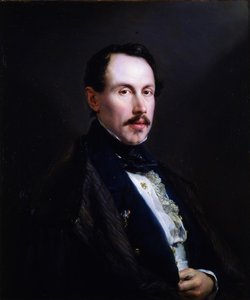
josé piquer y duart
1806 - 1871 , Spain
プロフィール概要
- Artistic Movement Or Style: Spanish Baroque Painting
- Artists Who Influenced This Artist:
- José Benedito Vives
- Juan de Valdés Leal
- Francisco de Zurbarán
- Date Of Birth: 1806 Valencia Spain
- Date Of Death: 1871 Madrid Spain
- Full Name: José Piquer y Duart
- Nationality: Spanish
- Notable Artworks: ['The Penitent Saint Jerome']
- Place Of Birth: Valencia Spain

