

 プレビュー
プレビュー
 シェアする
シェアする シェアする
シェアする
 詳細を見る
詳細を見る

 ダウンロード
 似ている作品
 X線調査
X線調査 スライドショー
 Stats
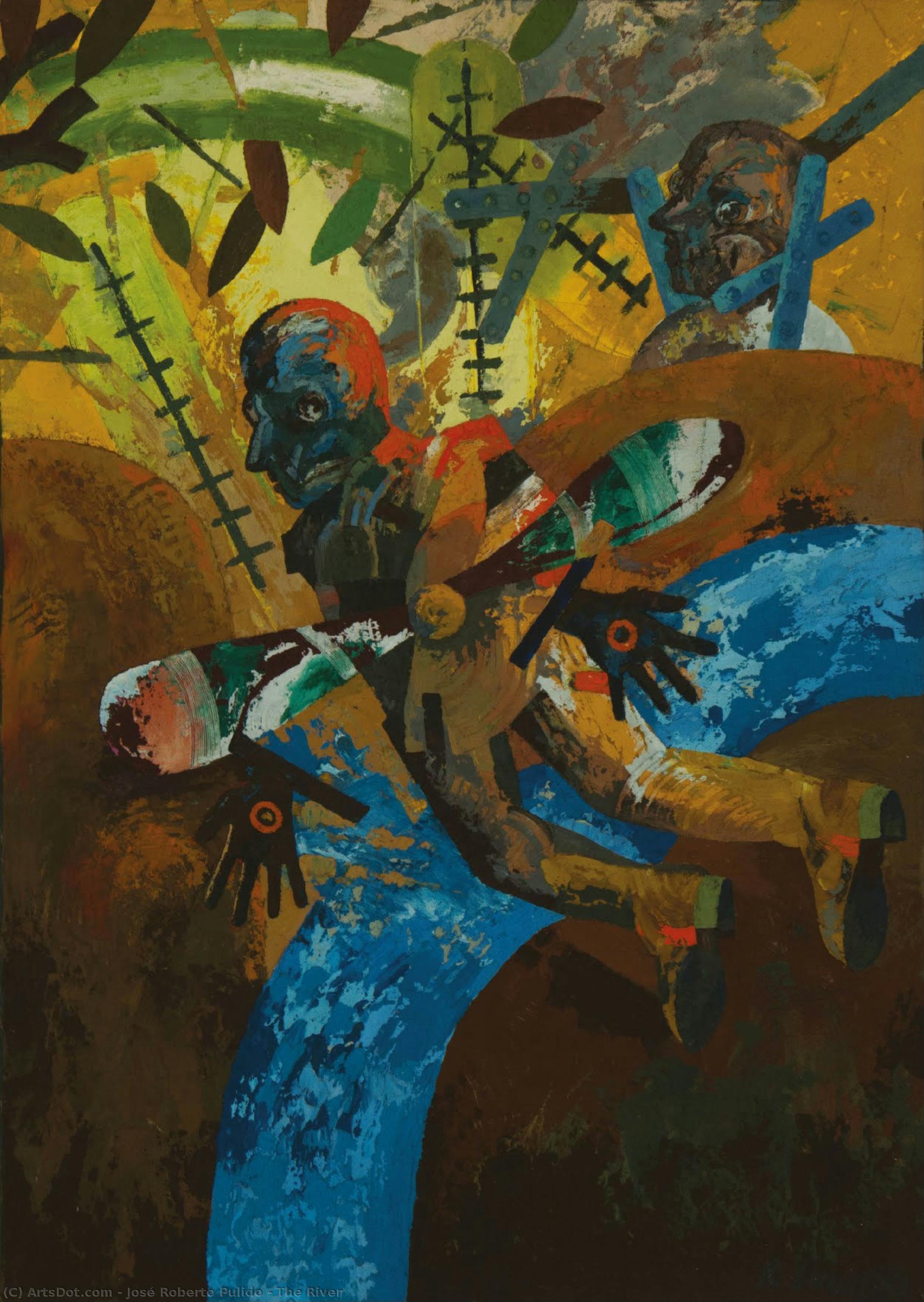
StatsThe River
 1994
1994 125.0 x 90.0 cm
 Museum of the Arts of the University of Guadalajara
 詳細を見る
詳細を見る
ジークレー/アートプリント
迅速な制作と多彩な仕上げオプションを備えた、ミュージアムクオリティのジークレーまたはキャンバスプリント。 ( 手描きの絵画を購入 Switch to Digital Image)




































作品のオリジナル比率に合わせた、当店の規定サイズからお選びください。

特定のフレームやスペースに合わせて、ご自身でサイズを指定することも可能です。選択されたサイズが元の画像の比率と一致しない場合、作品をトリミングするか、鏡面反射または単色での塗りつぶしによって画像を拡張いたします。制作を開始する前に、ご確認用のデジタルモックアップをお送りいたします。
画面上のプレビューには、実際のトリミングや拡張は反映されませんのでご注意ください。最終的な構図を正確に確認できるのは、モックアップのみとなります。
カスタムサイズも承っておりますが、元の比率を維持するためには、あらかじめ用意されたリストからサイズを選択することをお勧めいたします。


 ガラスオプションは、110cm未満のサイズでのみご利用いただけます。

The River
ジークレー/アートプリント
複製画のサイズ
-


合計金額
$ 62
関連作品









アーティストの略歴
José Roberto Pulido: Bridging Tradition and Innovation in Tejano Music
Born in Edinburgh, Texas, in 1950 – a place steeped in the vibrant traditions of Mexican-American culture – José Roberto Pulido, more widely known as “El Primo” Pulido, stands as a pivotal figure in the evolution of Tejano music. His career, spanning over five decades, isn’t merely one of musical success; it's a testament to his ability to synthesize the deeply rooted heritage of conjunto music with the burgeoning sounds and sensibilities of the modern era. Pulido didn’t simply follow a path; he forged a new one, introducing elements like the saxophone and pushing boundaries while remaining fiercely connected to his roots.
Pulido's early life was intrinsically linked to music. Introduced to the genre by his uncle, Leonel Pulido, and his band, Los Cardenales de Leonel Pulido, at a young age, he quickly absorbed the rhythms and melodies that would define his future. Repairing his grandfather’s guitar at twelve years old and then joining Los Hermanos Layton in Elsa, Texas, solidified his passion and provided him with invaluable experience. The acquisition of a saxophone at fifteen marked a turning point, allowing him to explore new sonic landscapes within the familiar framework of Tejano music. His formal education at Pan American University further honed his musical understanding, culminating in a degree in 1973 and a subsequent role as a high school music teacher – a decision that ultimately led him back to the stage.
The Rise of “El Primo”
Pulido’s transition from educator to full-time musician was marked by the formation of Los Clásicos, a band he assembled with his uncle Leonel and brothers Roel and Joel Pulido. Initially, the group garnered regional recognition with hits like "Copa Tras Copa," “Simplemente,” and “Senorita Cantinera.” However, it was in 1981 that Pulido’s career truly took flight when he won the first Tejano Music Award for Male Vocalist of the Year. This victory signaled a shift, as he began to incorporate elements of contemporary music into his sound, bridging the gap between the traditional conjunto style and the emerging modern Tejano movement. The signing with EMI Latin in 1989 proved crucial, dramatically increasing public awareness and propelling record sales.
His 1994 album, *Te Vi Partir*, stands as a landmark achievement, reaching number 33 on the Billboard Top Latin Albums chart and number 12 on the Billboard Regional Mexican Albums chart. The single “Ya Ahora Es Tarde” became an instant success, solidifying Pulido’s position as a leading voice in Tejano music. This album demonstrated his willingness to experiment while retaining the core elements that resonated with audiences – heartfelt lyrics, infectious rhythms, and masterful musicianship.
Musical Innovation and Legacy
Pulido's influence extends beyond simply popularizing certain sounds; he fundamentally altered the landscape of Tejano music. His incorporation of the saxophone, a relatively uncommon instrument in traditional conjunto bands, brought a new level of sophistication and dynamism to his performances. He wasn’t merely replicating existing styles; he was actively shaping them, pushing boundaries and inviting listeners into a richer, more diverse musical experience. His willingness to collaborate with other artists – including legends like Ruben Naranjo and Little Joe – further cemented his role as a central figure in the genre.
Furthermore, Pulido’s success wasn't solely based on musical talent; he possessed an innate charisma and connection with audiences that transcended mere performance. He became a beloved icon for Mexican-American youth, embodying the spirit of pride, resilience, and cultural identity. His impact is reflected in his recognition as one of the first Tejano artists to perform sold-out shows at prestigious venues like the Auditorio Coca-Cola in Monterrey, a testament to his enduring popularity.
Continuing Influence
Even as he transitions into new creative endeavors, including a recent campaign for public office, José Roberto Pulido’s legacy remains firmly rooted in Tejano music. His pioneering spirit, combined with his deep respect for tradition and his willingness to embrace innovation, has left an indelible mark on the genre. He continues to inspire musicians and audiences alike, reminding us of the power of music to connect people across cultures and generations. The story of “El Primo” Pulido is not just a musical biography; it’s a chronicle of cultural pride, artistic evolution, and the enduring spirit of Texas.

josé roberto pulido
1950 - , United States of America
基本情報
- Artistic Movement Or Style: Tejano music pioneer
- Artists Or Movements Influenced By This Artist:
- Conjunto music
- Tejano music
- Artists Who Influenced This Artist: ['Leonel Pulido']
- Date Of Birth: 1950
- Full Name: José Roberto Pulido
- Nationality: American
- Notable Artworks:
- Copa Tras Copa
- Simplemente
- Senorita Cantinera
- Place Of Birth: Edinburgh, USA