

 プレビュー
プレビュー
 シェアする
シェアする シェアする
シェアする
 詳細を見る
詳細を見る

 ダウンロード
 似ている作品
 X線調査
X線調査 スライドショー
 Stats
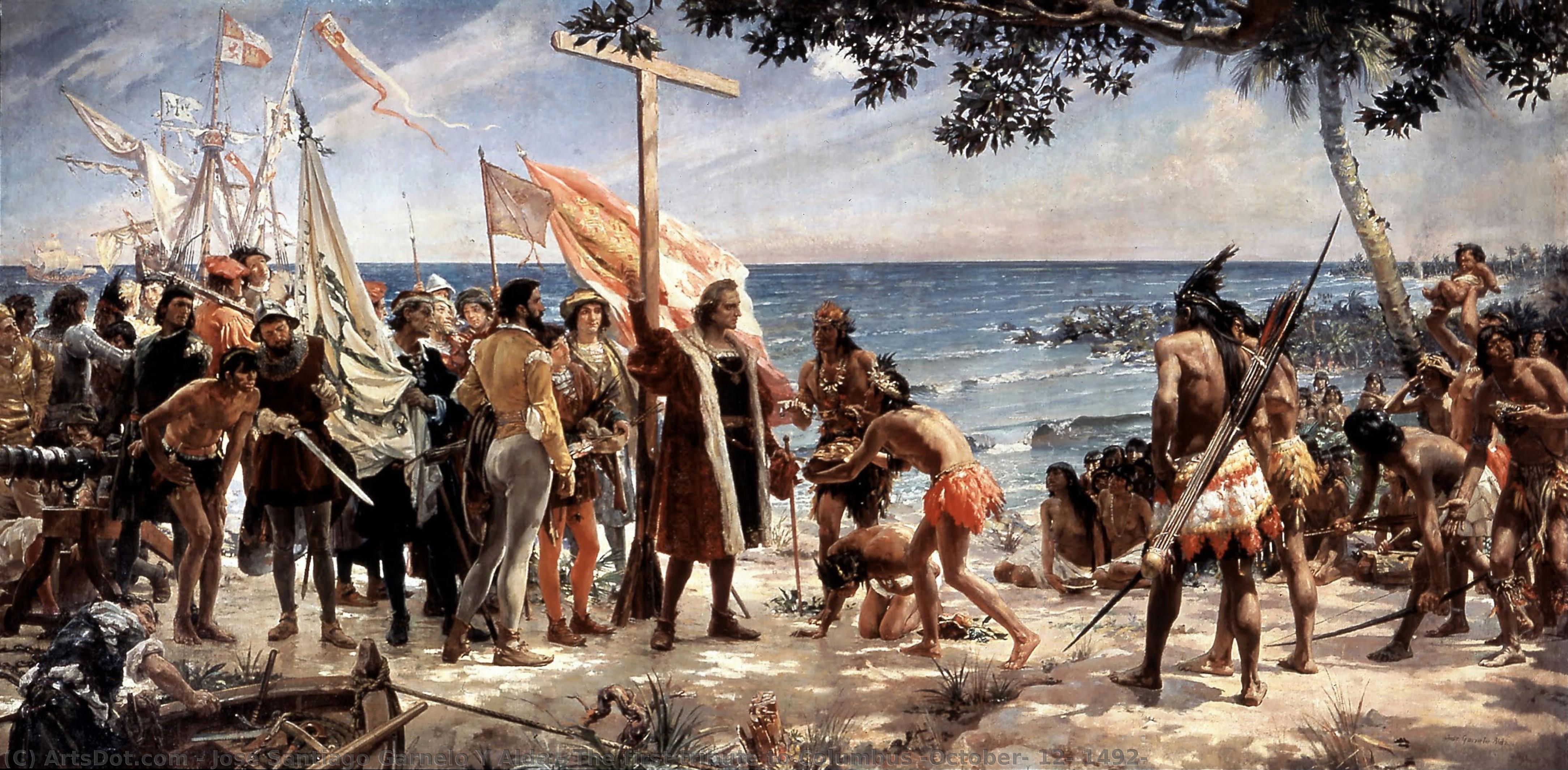
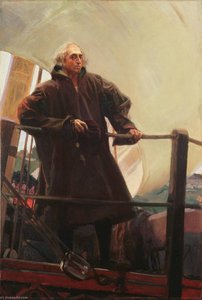
StatsThe first tribute to Columbus (October, 12, 1492)


 詳細を見る
詳細を見る
手描き油彩複製画
当社のアーティストが、お客様のご希望のサイズと額縁に合わせて、キャンバスに手描きで制作する油彩画です。 ( Switch to Print Switch to Digital Image)




































作品のオリジナル比率に合わせた、当店の規定サイズからお選びください。

特定のフレームやスペースに合わせて、ご希望のサイズをご入力いただけます。選択されたサイズが元の画像の比率と異なる場合、アートワークをトリミングするか、手描きで要素を追加して絵画を拡張いたします。デジタルモックアップ を制作し、制作開始前にご確認(承認)をいただきます。
画面上のプレビューは、実際のトリミングや拡張を正確に反映しているものではありません。最終的な構図は、モックアップによってのみ正確にご確認いただけます。
カスタムサイズもご利用いただけますが、元の比率を維持するためには、あらかじめ用意されたリストからサイズを選択することをお勧めいたします。
ご注文後、ArtsDot.com チームより詳細な指示をお送りするとともに、仕上がりイメージ(モックアップ)をご提供いたします。


 ガラスオプションは、110cm未満のサイズでのみご利用いただけます。

The first tribute to Columbus (October, 12, 1492)
複製技法
複製画のサイズ
-


合計金額
$ 338
関連作品
アーティストの略歴
The Soul of Spanish Naturalism: The Life and Legacy of José Santiago Garnelo y Alda
In the golden twilight of the nineteenth century, a period defined by a profound tension between romantic idealism and the burgeoning rigor of scientific observation, José Santiago Garnelo y Alda emerged as a master of the Spanish Naturalist movement. Born in 1866 in Enguera, Spain, Garnelo’s early years were shaped by an environment of intellectual curiosity, nurtured by a father who was a physician. This foundational exposure to the meticulous study of reality would later manifest in his brushwork, which sought not merely to decorate, but to document the human condition with an almost clinical precision and deep emotional resonance. As he moved from the quiet landscapes of his youth toward the vibrant artistic hubs of Seville and Madrid, Garnelo began to weave a visual language that could bridge the gap between the grandiosity of classical history and the intimate, often overlooked nuances of everyday life.
His artistic evolution was far from accidental; it was a deliberate pilgrimage through the most prestigious academies of his era. The halls of the Escuela de Bellas Artes de Santa Isabel de Hungría in Seville provided him with the technical scaffolding necessary for greatness, as he studied under the watchful eyes of Eduardo Cano and Manuel Ussel de Guimbarda. This training was further refined in Madrid at the Real Academia de Bellas Artes de San Fernando, where the influence of Casto Plasencia and Diómedes Puebla instilled in him a command over light and form that would become his hallmark. However, it was perhaps his time in Rome, supported by a prestigious study stipend, that truly transformed his perspective. Immersed in the echoes of antiquity and the enduring legacies of the Renaissance masters, Garnelo learned to infuse his compositions with a sense of timelessness, treating every portrait and genre scene as if it were a fragment of an eternal narrative.
Mastery of Genre and the Classical Narrative
Garnelo’s oeuvre is a breathtaking tapestry of diverse subject matter, ranging from the quiet dignity of portraits to the dramatic tension of historical scenes. He possessed a rare ability to navigate the Naturalist style, utilizing a palette that felt both grounded in earth tones and luminous with captured light. His work often focused on genre scenes—intimate glimpses into the lives of common people—where he could explore textures, fabrics, and the subtle play of shadows across a room. Yet, he was equally at home in the realm of the epic. In 1892, his ability to breathe life into the past was cemented when he won first prize at the National Exhibition of Fine Arts for his classical portrait of Cornelia Africana. This achievement demonstrated that his technical skill was matched by a profound psychological depth, allowing him to render historical figures not as distant icons, but as living, breathing entities with palpable human emotions.
The significance of his work lies in this very duality: the ability to elevate the mundane and humanize the monumental. His paintings often serve as windows into a vanished world, capturing the textures of 19th-century Spanish life with such fidelity that the viewer can almost feel the weight of the textiles or the warmth of the sunlight. Through his meticulous attention to detail, Garnelo contributed to a broader cultural movement in Spain that sought to find beauty in truth and dignity in reality. His legacy is not merely found in the museums that house his canvases, but in the way he taught subsequent generations to look closer at the world around them, finding the extraordinary within the ordinary.
- Artistic Style: Naturalism, Academicism, and Classical Portraiture.
- Key Themes: Historical narratives, everyday genre scenes, and psychological portraiture.
- Notable Achievements: Recipient of prestigious medals in Spain; winner of the first prize at the National Exhibition of Fine Arts for Cornelia Africana.
- Educational Pedigree: Trained at the Escuela de Bellas Artes de Santa Isabel de Hungría and the Real Academia de Bellas Artes de San Fernando.
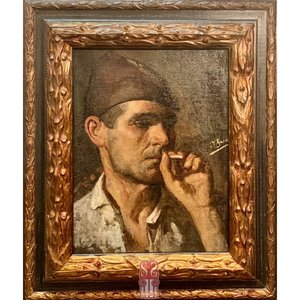
josé santiago garnelo y alda
1866 - 1944 , Spain
基本情報
- Artistic Movement Or Style: Naturalism
- Artists Or Movements Influenced By This Artist: ['Pablo Picasso']
- Artists Who Influenced This Artist:
- Eduardo Cano
- Manuel Ussel de Guimbarda
- Date Of Birth: July 25, 1866
- Date Of Death: October 28, 1944
- Full Name: José Santiago Garnelo y Alda
- Nationality: Spanish
- Notable Artworks:
- Pie
- Retrato
- Desnudo
- Place Of Birth: Enguera, Spain
関連記事

ゴヤ傑作25選:スペインの魂を揺さぶる、深遠な芸術の世界 | ArtsDot
ゴヤ傑作25選:ロマン主義を代表するスペインの巨匠、フランシスコ・デ・ゴヤの世界へ。黒衣の女からマハまで、魂を揺さぶる絵画の物語と技法を紐解きます。ArtsDotで高品質なアートレプリカを見つけ、インテリアに深みと風格を。今すぐコレクションをご覧ください。

Echoes of Society: Exploring Social Realism's Enduring Legacy in Art
Explore the powerful world of Social Realism art! Discover key artists, masterpieces & its profound social commentary. Expert insights into this influential movement's history and enduring legacy.
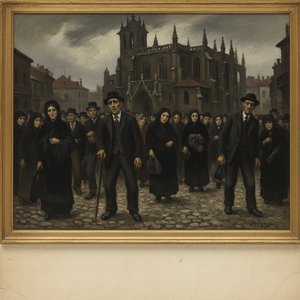
José Gutiérrez Solana: A Chronicle of Spanish Society Through Expressionist Vision
Explore the captivating world of José Gutiérrez Solana, a pivotal Spanish Expressionist painter. Discover his haunting depictions of early 20th-century Spain, influenced by Goya & El Greco. Learn about his key works and lasting legacy.
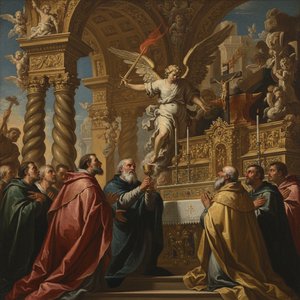
The Golden Age Reforged: Dramatic Realism & Religious Zeal in Spanish Baroque Art
Explore the dramatic world of Spanish Baroque art! Discover masters like Zurbarán & the powerful influence of religious zeal on painting techniques – a guide for collectors and enthusiasts.

Romantic Realism's Finest: 10 Masterpieces for Your Home | ArtsDot
Explore 10 defining masterpieces of Romantic Realism! Discover Courbet, Millet & Daumier's powerful paintings—capturing emotion and social realities. Find museum-quality reproductions for your home at ArtsDot.com.