

 プレビュー
プレビュー
 プリントを購入
 シェアする
シェアする シェアする
シェアする
 詳細を見る
詳細を見る

 ダウンロード
 似ている作品
 X線調査
X線調査 スライドショー
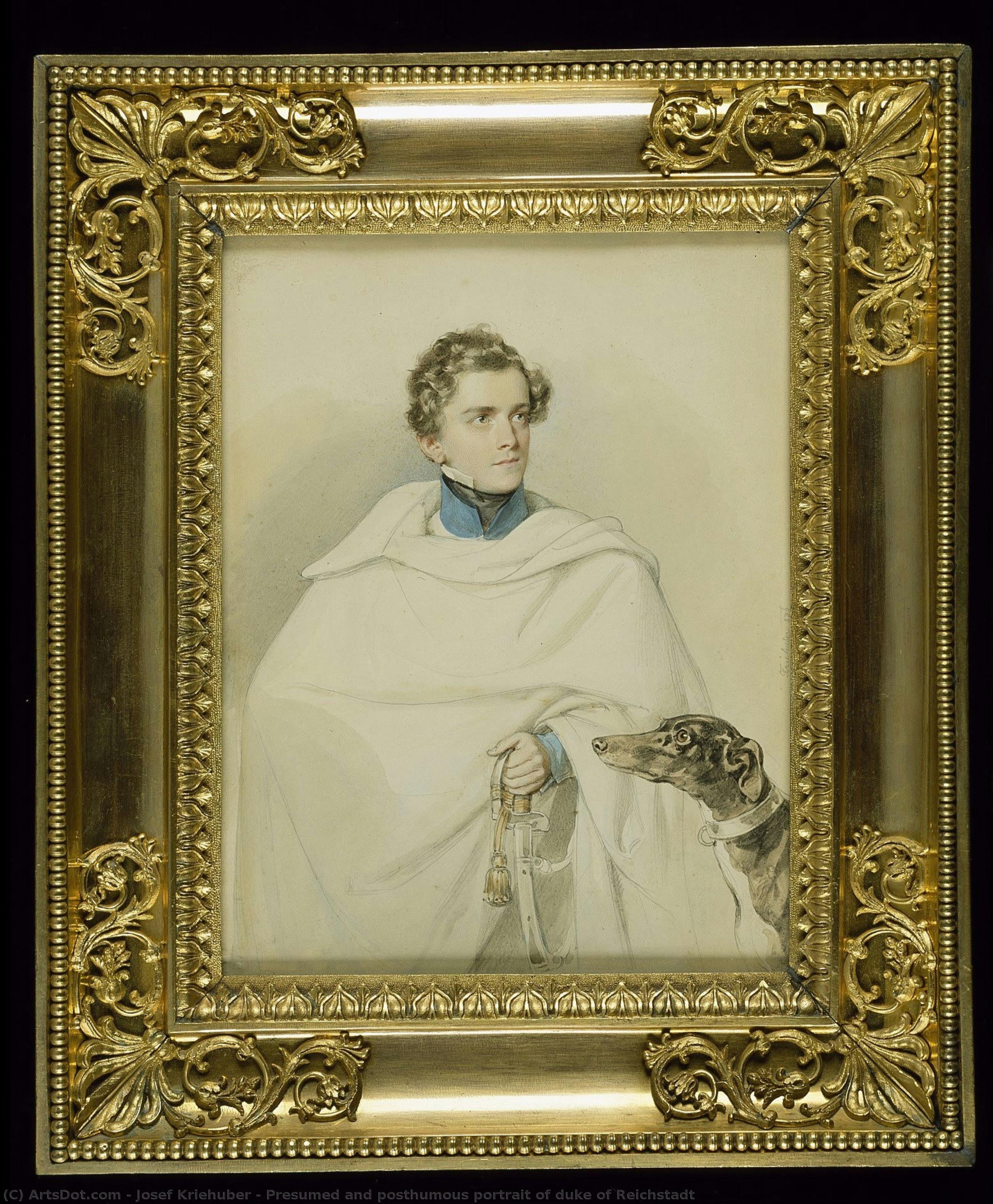
Presumed and posthumous portrait of duke of Reichstadt
 Lithograph
- Biedermeier Realism
 5.0 x 23.0 cm
 Palazzo Madama
 詳細を見る
詳細を見る




P118B $10

P118H $10

P118W $10

P438Z $10

P508JH $12

P508YH $12

P805H $10

P805Z $10

P919BZ $10

P919G $10

P919XJ $10

P959ZH $10

P968JZ $12

W106C $8

W218G $10

W218JH $8

W218Y $10

W307PJ $10

W316G $10

W316PJ $8

W316Y $10

W398PJ $8

W4111J $10

W500HY $15

W500JH $15

W692G $12

W849H $8

W940BG $15

W953PJ $8




作品のオリジナル比率に合わせた、当店の規定サイズからお選びください。

特定のフレームやスペースに合わせて、ご希望のサイズをご入力いただけます。選択されたサイズが元の画像の比率と異なる場合、アートワークをトリミングするか、手描きで要素を追加して絵画を拡張いたします。デジタルモックアップ を制作し、制作開始前にご確認(承認)をいただきます。
画面上のプレビューは、実際のトリミングや拡張を正確に反映しているものではありません。最終的な構図は、モックアップによってのみ正確にご確認いただけます。
カスタムサイズもご利用いただけますが、元の比率を維持するためには、あらかじめ用意されたリストからサイズを選択することをお勧めいたします。
ご注文後、ArtsDot.com チームより詳細な指示をお送りするとともに、仕上がりイメージ(モックアップ)をご提供いたします。


 ガラスオプションは、110cm未満のサイズでのみご利用いただけます。

Presumed and posthumous portrait of duke of Reichstadt
複製技法
複製画のサイズ
-


合計金額
$ 263
The Intimate Chronicle of Viennese Society: Josef Kriehuber’s “Presumed and Posthumous Portrait of Duke of Reichstadt”
Josef Kriehuber's "Presumed and Posthumous Portrait of Duke of Reichstadt" is more than a mere likeness; it’s a meticulously crafted window into the heart of 19th-century Vienna. Born in Vienna on December 14th, 1800, Kriehuber wasn’t driven by grand historical narratives or mythological allegories, but rather by an unwavering dedication to capturing the nuanced details of everyday life – specifically, the social fabric woven within the opulent salons and private residences of his time. This lithograph, a testament to his skill and insight, offers a remarkably intimate glimpse into the world of the Habsburg court and Viennese aristocracy.
The painting itself depicts a young man, presumed to be Franz Joseph I, Duke of Reichstadt (later Emperor Franz Joseph), standing beside a dignified dog. The composition is deceptively simple: a formal pose against a neutral background, yet every element—the rich texture of the robe, the subtle play of light on the fabric, the attentive gaze of the canine companion—is rendered with astonishing precision. Kriehuber’s mastery lies not just in replicating physical appearance but in conveying personality and status through carefully chosen details. The Duke's posture exudes a quiet confidence, while the dog mirrors his composure, suggesting a bond of loyalty and shared refinement.
The Art of Lithography: A Revolution in Portraiture
Kriehuber’s genius resided primarily in his embrace of lithography, an innovative printing technique that allowed for rapid reproduction and democratized portraiture. Unlike the laborious process of oil painting, lithography offered a relatively affordable means of creating multiple images, making portraits accessible to a wider audience than ever before. This shift coincided with a burgeoning interest in documenting social life, fueled by the rise of urban centers and a growing desire to capture fleeting moments of elegance and refinement. Kriehuber skillfully exploited this technological advancement, producing over 3000 lithographs – an unparalleled archive of Viennese society.
The technique itself demanded a unique approach from the artist. Kriehuber meticulously drew his subjects on a limestone slab with a grease crayon, creating a matrix that was then inked and pressed onto paper. This process required immense patience and control, as even the slightest imperfection could be magnified in the final print. The result is an astonishing level of detail—the subtle wrinkles around the Duke’s eyes, the delicate folds of his coat, the individual hairs on the dog's fur – all rendered with remarkable fidelity.
Symbolism and Social Commentary
Beyond its technical brilliance, the portrait carries layers of symbolic meaning. The inclusion of the dog is particularly noteworthy; it represents loyalty, companionship, and a shared status within Viennese society. The Duke’s attire—the blue coat with gold trim—underscores his aristocratic lineage and wealth. Furthermore, Kriehuber's portraits weren't simply objective representations; they were carefully constructed narratives that reflected the values and aspirations of the era. He subtly elevated subjects, enhancing their features and projecting an aura of dignity and refinement.
The portrait also offers a poignant glimpse into the complexities of Viennese society during this period. The Duke’s presumed posthumous status—the fact that it was created after his death—adds a layer of melancholy to the image, suggesting a lost era of grandeur and privilege. Kriehuber's work serves as both a celebration of aristocratic life and a subtle commentary on its inevitable decline.
A Legacy of Precision and Insight
Josef Kriehuber’s “Presumed and Posthumous Portrait of Duke of Reichstadt” stands as a remarkable achievement in the history of portraiture. It is a testament to his technical skill, artistic vision, and profound understanding of Viennese society. Reproductions of this iconic image offer a captivating window into a bygone era, inviting viewers to contemplate the lives and aspirations of those who shaped the cultural landscape of 19th-century Austria. Today, it remains a prized possession in museums and private collections worldwide, a tangible reminder of Kriehuber’s enduring legacy as a chronicler of Viennese life.
関連作品
アーティストの略歴
ウィーン社会の記録者:ヨーゼフ・クリーフーバーの生涯と芸術
1800年12月14日、ウィーンに生まれたヨーゼフ・クリーフーバーは、オーストリア美術史において独特な位置を占めています。彼は壮大な歴史的叙事詩や神話的な寓意を描くことを目指しませんでした。むしろ、彼の芸術的ビジョンは日常生活の親密な詳細に焦点を当て、19世紀のウィーン社会を記録する比類のない人物となりました。その手段として選んだのが、黎明期の石版画という技法です。クリーフーバーの道のりは、フベルト・マウラーのもとでのウィーンアカデミーでの正式な訓練から始まりましたが、彼のキャリアと遺産を決定づけたのは、石版画への傾倒でした。この革新的な技術により、比較的迅速かつ手頃な価格で画像を複製することが可能になり、肖像画の民主化が進み、これまで以上に幅広い層の人々がアクセスできるようになりました。そしてクリーフーバーは、揺るぎない献身をもってその大衆に奉仕しました。彼は単なる似顔絵を描いていたのではなく、時代精神、個性の輝き、社会的な地位を視覚的に記録していたのです。ビーダーマイヤーの肖像画家:ある時代の窓
クリーフーバーの芸術的才能が開花したのは、ビーダーマイヤー時代(おおよそ1815年から1848年)という文脈の中ででした。ナポレオン動乱の余波から生まれたこの時代は、家庭生活、簡素さ、日常性に焦点を当てました。これらの価値観はクリーフーバーの感性と深く共鳴しました。当初は風景石版画を探求していましたが、肖像画こそが彼の才能が真に輝いた分野でした。彼はキャリアを通じて3000点以上の石版画を制作し、驚くべき数字であり、彼の技術と作品への需要の高さを物語っています。彼の顧客層はウィーン社会のあらゆる階層に及びました。貴族、政府高官、著名な人々、そして単に自分自身や愛する人の記憶を形に残したいと願う人々に至るまでです。クリーフーバーの肖像画は理想化されたファンタジーではありませんでした。それは驚くほど正確な表現であり、キャラクターと社会的地位が込められていました。彼は被写体の外見だけでなく、内面的な生活をも捉える並外れた能力を持っており、それぞれの肖像画をユニークな心理学的研究に仕上げていました。彼の細部への徹底的な注意と、人間の表情に対する微妙な理解は、親密でありながらも示唆に富む肖像画を生み出しました。似顔絵を超えて:ウィーンの文化的景観を描く
肖像画で名声を博しましたが、クリーフーバーの芸術的ビジョンは個々の表現にとどまりませんでした。彼は都市の景観を記録することの重要性を認識し、特にウィーンのプラター公園の活気に満ちた雰囲気を重視しました。プラターの風景を描いた彼の石版画は、19世紀のウィーンの生活と文化に関する貴重な洞察を提供しています。これらは単なる風光明媚な眺めではありませんでした。それは余暇を楽しむ社会のスナップショットであり、当時のファッション、社会的交流、レクリエーション習慣を明らかにしています。これらの研究を通して、クリーフーバーは視覚的な歴史家へと変貌し、急速に変化する都市の光景と音声を後世のために保存しました。彼はプラターのエネルギーと興奮をとらえ、その多様なアトラクションやそれを楽しむ人々を紹介しました。このウィーンの本質を捉える献身が、彼をオーストリア社会の重要な観察者としての地位を確固たるものにしました。遺産と評価:永続的な印象
クリーフーバーの影響力は彼の多作な作品を超えて広がりました。彼はウィーンの名門テレシアヌム・アカデミーで教鞭を取り、次世代の芸術家を育成し、彼の技術的専門知識を伝えました。1860年には、オーストリア美術への貢献が認められ、フランツ・ヨーゼフ勲章を受賞しました。しかし、彼の人生の終わりに近づくにつれて、写真の台頭は彼の職業に課題をもたらしました。写真肖像画がよりアクセスしやすく手頃な価格になると、石版画肖像画の需要は減少し、晩年には経済的な苦境を招きました。それでもクリーフーバーは1876年5月30日に亡くなるまで働き続け、今日でも私たちを魅了し、啓発し続ける並外れた作品群を残しました。彼の遺産は彼が制作した肖像画の数だけでなく、19世紀の中央ヨーロッパ社会の視覚的記録としての歴史的な重要性にもあります。彼の作品コレクションはアルベルティーナ美術館とオーストリア国立図書館に所蔵されており、彼の芸術が今後何世代にもわたって高く評価されることを保証しています。彼の仕事は観察力の力と、人間の精神をとらえる普遍的な魅力を証明するものです。影響と芸術的スタイル
クリーフーバーに特定の芸術的影響を特定することは困難です。彼は特定の巨匠を模倣したり、厳格な様式派に従ったりしていませんでした。しかし、写実への彼の献身は当時のより広範な芸術的傾向と一致しており、芸術における正確な表現に対する高まる欲求を反映しています。彼は他の肖像画家と同時代でしたが、その作品の量と一貫性、そして石版画の習熟によって際立っていました。彼のスタイルは、細部への徹底的な注意、正確なドラフティング、身体的な類似性と心理的な深さを伝える能力が特徴です。彼は壮大なジェスチャーや劇的な構成には興味がありませんでした。代わりに、表現と個性の微妙なニュアンスをとらえることに焦点を当てました。この控えめなアプローチと彼の技術的スキルは、彼を自分自身を忠実に表現したいと願う人々に高く求められる存在にしました。- 技術的な習熟:クリーフーバーの石版画における専門知識により、彼は驚くべき詳細さとトーンレンジを実現することができました。
- 写実主義と正確さ:彼の肖像画は被写体の忠実な表現で知られています。
- 心理的な洞察力:彼は身体的な類似性だけでなく、彼が描いた人々の内面的なキャラクターも捉えました。
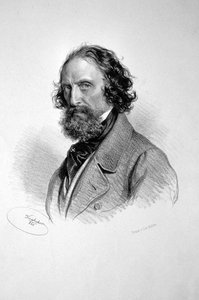
ヨーゼフ・クリーフーバー
1800 - 1876 , オーストリア
基本情報
- Artistic Movement Or Style: ビードermeier, 写実主義
- Artists Or Movements Influenced By This Artist: ['フリードリヒ・クリーフーバー']
- Date Of Birth: 1800年12月14日
- Date Of Death: 1876年5月30日
- Full Name: ヨーゼフ・クリーフーバー
- Nationality: オーストリア人
- Notable Artworks:
- 自画像
- プラターの風景
- エリーゼ&ファニー姫
- Place Of Birth (City And Country): ウィーン、オーストリア
関連記事
Josef Kriehuber: A Life Immersed in Viennese Topography – From Lithographic Precision to Romantic Observation
Explore the life and work of Josef Kriehuber, a master lithographer who captured 19th-century Vienna. Discover his portraits of nobility, landscapes, & artistic techniques. A guide for collectors & art enthusiasts.
Lithography: A Historical Survey of Technique, Artistic Expression & Enduring Legacy
Explore the rich history of lithography – from Senefelder’s invention to its impact on fine art & commercial printing. Discover key artists, techniques, and collecting insights at ArtsDot.
Biedermeier: Art, Society & Intimacy in Restoration Europe
Explore the world of Biedermeier art & culture! Discover the history, aesthetic principles, and lasting influence of this fascinating European movement. Expert insights & beautiful reproductions at ArtsDot.
The Vienna Secession: A Rebellion of Form & Spirit in Fin-de-Siècle Art
Discover the revolutionary Vienna Secession art movement! Explore Klimt, Olbrich & more. Learn about its history, characteristics & lasting influence on modern art. High-quality reproductions available.
Raphael Kirchner: A Poetic Vision of Belle Époque Society Through Art Nouveau Lithography
Explore the captivating world of Raphael Kirchner, a master of Art Nouveau illustration during the Belle Époque. Discover his iconic 'Kirchner Girls,' pioneering pin-up art & lasting influence.