

 プレビュー
プレビュー
 シェアする
シェアする シェアする
シェアする
 詳細を見る
詳細を見る

 ダウンロード
 似ている作品
 X線調査
X線調査 スライドショー
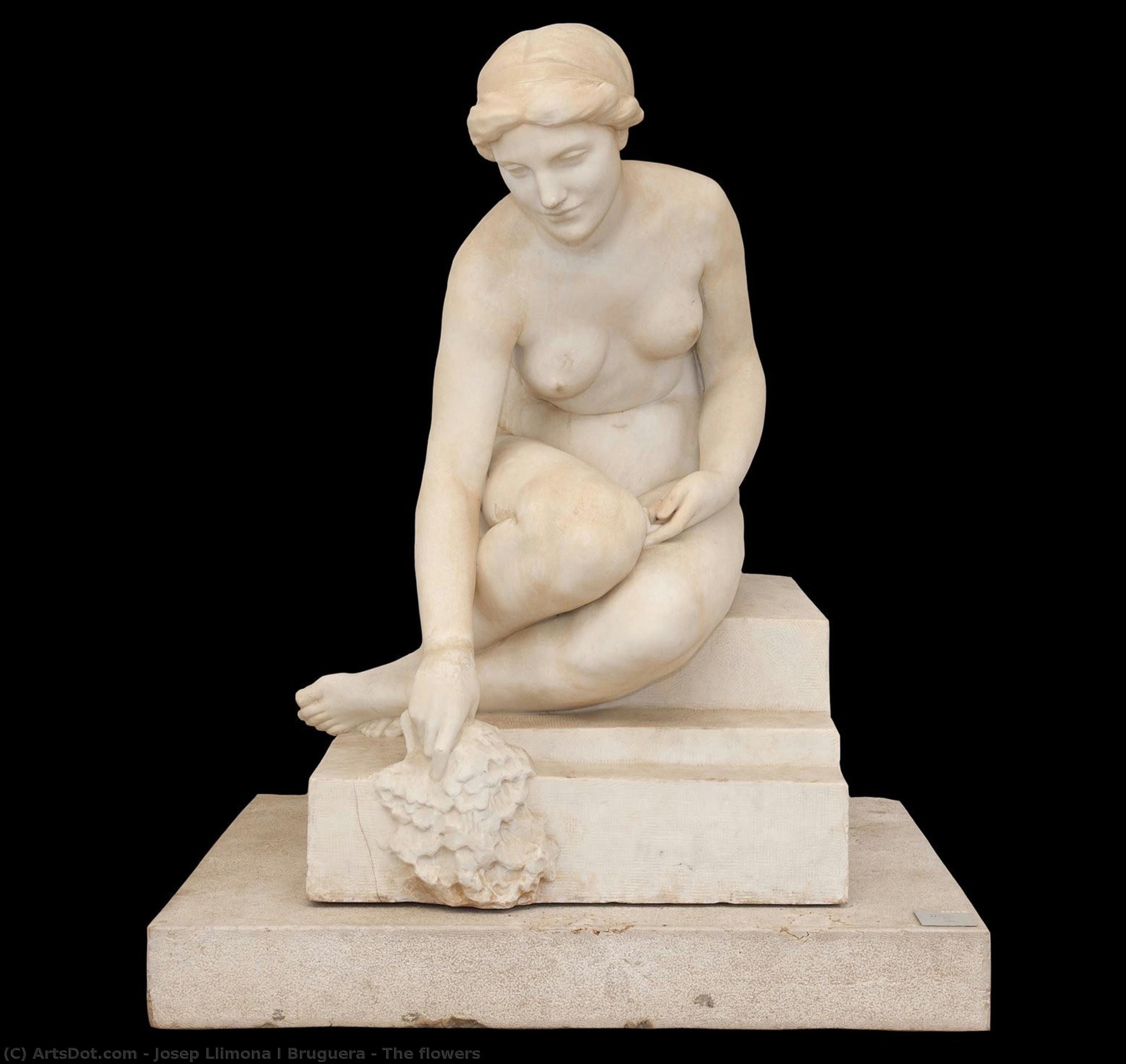
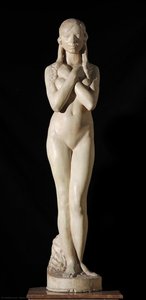
The flowers


 詳細を見る
詳細を見る
ジークレー/アートプリント
迅速な制作と多彩な仕上げオプションを備えた、ミュージアムクオリティのジークレーまたはキャンバスプリント。 ( 手描きの絵画を購入 画像を購入)




P118B $10

P118H $10

P118W $10

P438Z $10

P508JH $12

P508YH $12

P805H $10

P805Z $10

P919BZ $10

P919G $10

P919XJ $10

P959ZH $10

P968JZ $12

W106C $8

W218G $10

W218JH $8

W218Y $10

W307PJ $10

W316G $10

W316PJ $8

W316Y $10

W398PJ $8

W4111J $10

W500HY $15

W500JH $15

W692G $12

W849H $8

W940BG $15

W953PJ $8




作品のオリジナル比率に合わせた、当店の規定サイズからお選びください。

特定のフレームやスペースに合わせて、ご自身でサイズを指定することも可能です。選択されたサイズが元の画像の比率と一致しない場合、作品をトリミングするか、鏡面反射または単色での塗りつぶしによって画像を拡張いたします。制作を開始する前に、ご確認用のデジタルモックアップをお送りいたします。
画面上のプレビューには、実際のトリミングや拡張は反映されませんのでご注意ください。最終的な構図を正確に確認できるのは、モックアップのみとなります。
カスタムサイズも承っておりますが、元の比率を維持するためには、あらかじめ用意されたリストからサイズを選択することをお勧めいたします。


 ガラスオプションは、110cm未満のサイズでのみご利用いただけます。

The flowers
ジークレー/アートプリント
複製画のサイズ
-


合計金額
$ 62
関連作品


アーティストの略歴
Josep Llimona i Bruguera: A Sculptor Bridging Academia and Modernisme
Josep Llimona i Bruguera, born in the vibrant heart of Barcelona in 1864, stands as a pivotal figure in Catalan art, embodying a fascinating synthesis of academic training and the burgeoning spirit of Modernisme. His life’s work, spanning nearly seven decades, reveals an artist deeply rooted in tradition yet relentlessly pushing towards innovative forms and emotionally resonant expressions. Initially trained within the rigorous framework of the Llotja School, Barcelona's prestigious art academy, Llimona quickly demonstrated a mastery of classical techniques – a foundation that would later inform his approach to sculpting monumental works and intimate studies alike. However, a transformative journey to Paris in the 1890s irrevocably altered his artistic trajectory, exposing him to the revolutionary ideas circulating within the European avant-garde, most notably the powerful influence of Auguste Rodin. This encounter proved crucial, shifting Llimona’s focus from purely representational sculpture towards a more dynamic and psychologically charged style, characterized by expressive modeling, dramatic lighting, and a profound engagement with human emotion.Early Years and Artistic Foundations
Llimona's early life was steeped in artistic tradition. Born into a family deeply involved in the arts, he benefited from an environment that nurtured his creative potential. His formal training at the Llotja School provided him with essential skills – anatomical accuracy, technical proficiency, and a deep understanding of classical sculpture. Crucially, he also studied under the guidance of Rossend Nobas, a prominent figure in the Modernisme movement, and Martí i Alsina, further broadening his artistic horizons. A significant milestone in his early career was the prestigious Fortuny grant awarded to him at the age of sixteen, enabling him to pursue studies in Rome. This period proved formative, exposing him to the grandeur of Italian Renaissance sculpture while simultaneously fostering a desire to integrate classical ideals with emerging modern sensibilities. The initial model he created for an equestrian statue of Ramon Berenguer III, Count of Barcelona – a commission that earned him renewed funding and widespread recognition – showcased his burgeoning talent and established him as a rising star in the Catalan art scene.The Rise of Modernisme and Notable Works
Returning to Barcelona, Llimona became an active participant in the vibrant artistic circles of the city, contributing significantly to the development of Modernisme. He founded the Cercle Artístic de Sant Lluc alongside his brother, Joan Llimona i Bruguera, a testament to their shared commitment to fostering artistic innovation. His style during this period evolved further, embracing the expressive qualities championed by Rodin while retaining a distinctly Catalan sensibility. Notable works from this era include the monumental “Frieze for the Arc de Triomf” (1888), a powerful civic statement reflecting Barcelona’s aspirations; the equestrian statue of Ramon Berenguer III, a testament to his technical skill and artistic vision; and numerous funerary monuments – particularly the poignant "L'Àngel exterminador" and “Piélago family grave” – that demonstrated his ability to convey profound emotion through sculpted form. His work extended beyond monumental commissions, encompassing smaller-scale studies of female nudes, often imbued with a sense of vulnerability and introspection, as exemplified by “Desconsol.”Collaboration and Artistic Legacy
Llimona’s artistic influence resonated far beyond the confines of Barcelona. He collaborated extensively with other leading Moderniste artists, most notably Antoni Gaudí, on the ambitious "Christ Resurrected" sculpture for the Abbey of Montserrat (1914). This collaborative effort highlights Llimona's willingness to engage in dialogue and push the boundaries of his own artistic practice. Throughout his career, he produced a diverse body of work – from religious iconography to portraits, landscapes, and architectural embellishments – solidifying his reputation as one of Catalonia’s most accomplished sculptors. His dedication to capturing the essence of human experience through meticulously crafted forms left an indelible mark on Catalan art history.A Lasting Impact
Josep Llimona i Bruguera passed away in 1934, leaving behind a rich and complex artistic legacy. His work continues to be celebrated for its technical mastery, emotional depth, and innovative approach to sculpture. The enduring popularity of his monumental works – particularly the equestrian statue of Ramon Berenguer III – serves as a powerful reminder of his contribution to Barcelona’s cultural landscape. Llimona's journey from academic training to Modernisme pioneer exemplifies the dynamic evolution of Catalan art during the late 19th and early 20th centuries, solidifying his place as a significant figure in the history of sculpture. His ability to seamlessly blend tradition with innovation ensures that his work will continue to captivate and inspire generations of artists and viewers alike.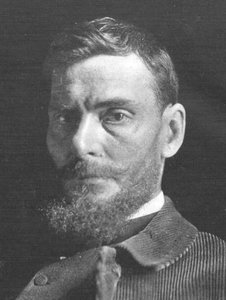
josep llimona i bruguera
1864 - 1934 , Spain
基本情報
- Artistic Movement Or Style: Modernisme
- Artists Or Movements Influenced By This Artist: ['Joan Llimona']
- Artists Who Influenced This Artist: ['Auguste Rodin']
- Date Of Birth: 1864-04-08
- Date Of Death: 1934-02-27
- Full Name: Josep Llimona i Bruguera
- Nationality: Spanish, Catalan
- Notable Artworks:
- The Flowers
- Distress
- Risen Christ
- Desconsol
- L'Àngel exterminador
- Place Of Birth: Barcelona, Spain
関連記事

White on Canvas: 10 Masterpieces & Timeless Elegance for Your Home Decor
Explore 10 iconic white paintings by Monet, Whistler & Rothko! Discover the stories behind these serene masterpieces and their impact on art history. Find museum-quality reproductions for your home decor at .

Bronze Sculptures That Defined Art History | ArtsDot
Journey through art history with our Top 10 bronze sculptures! Explore masterpieces by Rodin, Michelangelo & more. Discover stories behind iconic statues and find museum-quality reproductions for your home decor at ArtsDot.com.

The Enduring Form: Exploring Themes & Techniques in Sculpture Across Historical Periods
Explore the rich history of sculpture from ancient masterpieces to contemporary innovations. Discover key techniques, influential artists & investment potential for discerning art collectors.

The Enduring Form: Sculpture Across History, Technique & Emotional Resonance
Explore the rich history of sculpture with ArtsDot. Discover key techniques, influential artists & investment potential for discerning collectors. Expert insights into valuing and collecting timeless masterpieces.

Bronze Age to Modern Masters: 10 Sculptures That Redefined Art | ArtsDot
Journey through art history with 10 legendary bronze sculptures – from Michelangelo's David to Rodin’s Thinker. Explore the stories, techniques & timeless beauty of these masterpieces. Find museum-quality reproductions & elevate your home decor on ArtsDot.com.