

 プレビュー
プレビュー
 プリントを購入
 シェアする
シェアする シェアする
シェアする
 詳細を見る
詳細を見る

 ダウンロード
 似ている作品
 X線調査
X線調査 スライドショー
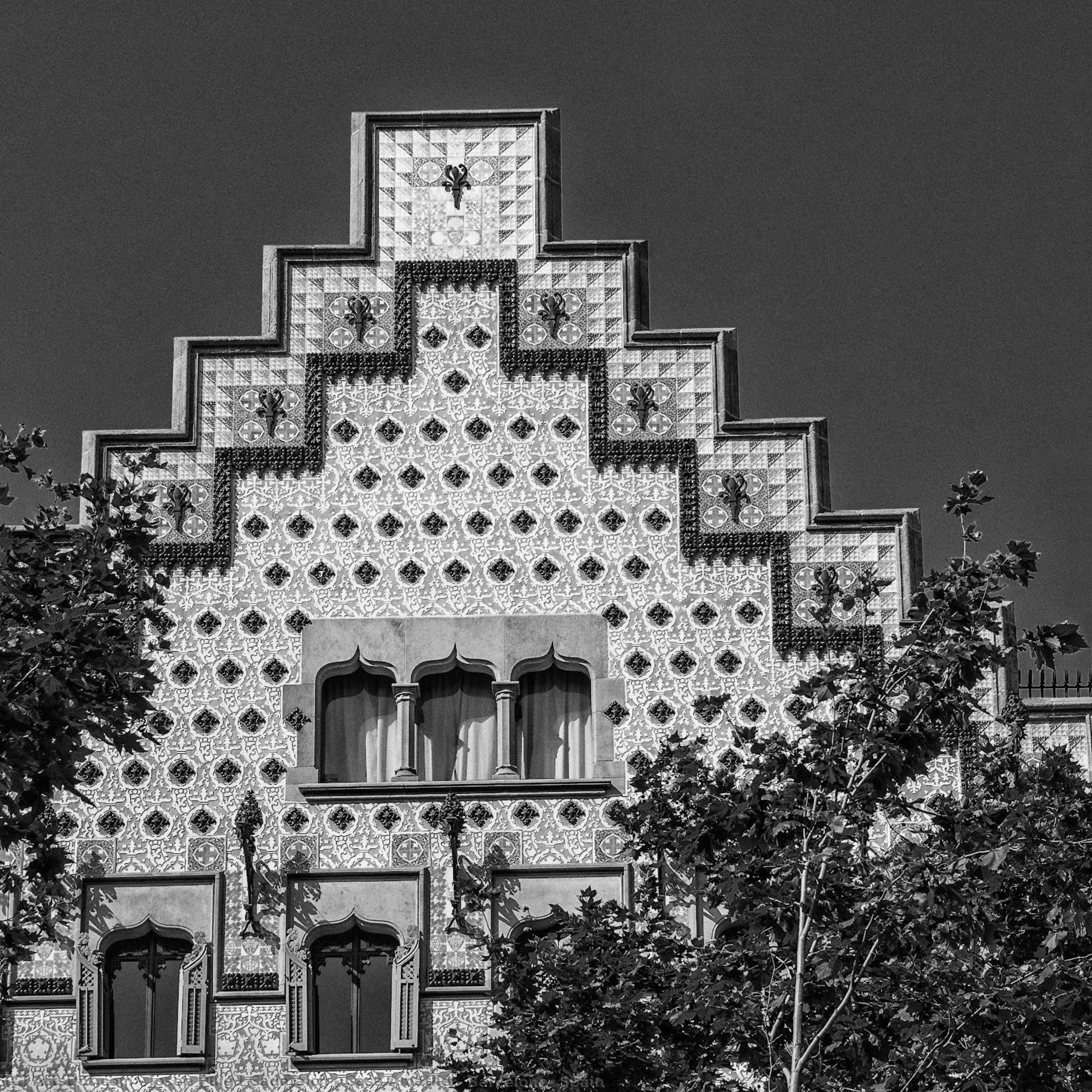
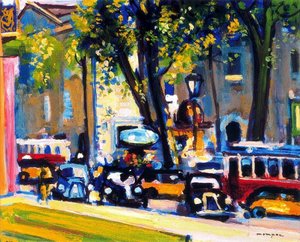
Casa Amatller, Barcelona, Spain


 詳細を見る
詳細を見る
オンラインプレビューをはるかに凌ぐ、高解像度で鮮明なデジタル画像をご購入いただけます。
各ファイルは、社内の専門家が高度なツールと熟練した手作業によるレタッチを用いて、細心の注意を払って準備されています。すべての画像において、卓越した鮮明度、正確な色彩再現性、そして繊細なディテールを保証いたします。
最終ファイルは、プロフェッショナルな編集・印刷環境ですぐにご利用いただけるよう最適化された状態で、72時間以内にメールにてお届けいたします。これは、一流のデザインスタジオ、出版社、ギャラリーから信頼されているものと同等の品質です。
デジタル画像のご注文に付随する特典
高品質なデジタル画像配信を、確かな品質で。
ArtsDot.com を選ぶことは、単に画像を手に入れることではありません。それは、プロの手によって精密に仕上げられ、満足保証が付いた高品質なデジタルアートワークを受け取ることを意味します。ご注文いただいた際に自動的に付随する内容は、以下の通りです:

メールですぐにお届け
ご注文から72時間以内に、高解像度のデジタル画像ファイルがメールでお手元に届きます。すぐにそのままご利用いただけます。

AI技術で最適化されたデジタルファイル
お客様の作品は、高度なAIツールと専門家による手作業の編集を組み合わせてプロフェッショナルに最適化されており、細部のディテール、鮮明さ、そして正確な色再現性を最大限に引き出しています。

一生涯無料の再送サービス
ファイルを誤って削除したり、紛失してしまったりしましたか?ご安心ください。いつでも無料で再送いたします。

輸入手数料は一切かかりません
関税や手数料、配送料を気にすることなく、お気に入りのアートワークをすぐにお楽しみいただけます。デジタルダウンロードは常に免税です。

色彩再現の保証
プロ仕様のツールとカラーマネジメント技術を用いることで、デジタル画像が元の色を最大限に忠実に再現することを保証いたします。

60日間満足保証
ご購入いただいたデジタル画像にご満足いただけない場合は、60日以内であれば、修正または100%の返金(理由を問う必要はありません)をさせていただきます。

100% 返金保証
ご満足いただけない場合は、デジタルファイルを受け取ってから60日以内であれば、理由を問わず全額返金いたします。

まとめ買い割引
3枚購入で10%OFF - 5枚購入で15%OFF - 10枚以上購入で20%OFF。クリエイティブなプロジェクト、ギャラリー、エージェンシーに最適です。
作品の詳細
Casa Amatller: Gaudí's Bold Experiment in Catalan Modernisme
Josep Puig i Cadafalch’s Casa Amatller stands as an emblem of Barcelona and the broader Catalan Modernista movement—a testament to Antoni Gaudí’s visionary ambition and his groundbreaking approach to architectural design. Completed in 1898, this building isn't merely a residence; it’s a meticulously crafted manifesto of artistic innovation that continues to captivate observers today.
A Synthesis of Gothic Reverie and Geometric Precision
Puig i Cadafalch skillfully blended influences from medieval Catalan Gothic architecture with the burgeoning geometric dynamism of Art Nouveau. The façade itself embodies this duality—a monumental stepped pyramid reminiscent of European castles, yet punctuated by an astonishing array of interlocking ceramic tiles arranged in complex geometric patterns. These patterns aren’t random; they represent a deliberate effort to harness mathematical principles to achieve aesthetic harmony.
The Ceramic Tile Symphony: Technique and Material Choice
The distinctive appearance of Casa Amatller owes its beauty largely to the masterful execution of Catalan ceramic tile makers. Each tile is individually crafted, meticulously glazed in vibrant hues—primarily ochre, crimson, and cobalt blue—and arranged according to a precise grid system. This technique reflects Gaudí’s fascination with natural forms translated into architectural space; it demonstrates how organic inspiration can be channeled through rigorous geometric control.
Symbolism Rooted in Catalan Identity
Beyond its formal brilliance, Casa Amatller carries profound symbolic significance. Constructed for Antoni Amatller i Rocafort, a wealthy chocolatier and ardent supporter of Catalan cultural revival, the building embodies the aspirations of Catalonia’s intelligentsia—a desire to forge a new artistic language rooted in tradition while embracing modernity. The stepped pyramid form symbolizes stability and aspiration, mirroring the Catalan quest for independence from Spain.
An Emotional Resonance: Grandeur and Artistic Innovation
Standing before Casa Amatller evokes a powerful emotional response—one of awe at its scale and intricacy, coupled with admiration for Gaudí’s unparalleled artistic vision. It's more than just a building; it’s an experience—a journey into the heart of Catalan Modernisme and a celebration of architectural innovation that continues to inspire artists and designers worldwide.
関連作品


作家の略歴
Josep Puig i Cadafalch: Life and Legacy
Early Life and Education
- Born in Mataró, Spain on October 17, 1867, Josep Puig i Cadafalch was a pivotal figure in the Catalan Modernista movement.
- He received his initial architectural training at the Provincial School of Architecture in Barcelona, demonstrating an early aptitude for design and innovation.
- His education extended beyond technical skills; he possessed a strong interest in history, law, and politics, which would profoundly influence his work throughout his life.
Architectural Development and Influences
- Puig i Cadafalch’s architectural style was deeply rooted in the Modernisme movement, characterized by organic forms, intricate ornamentation, and a revival of Catalan Gothic traditions.
- He drew inspiration from diverse sources including medieval architecture, particularly Gothic and Arabic styles, as well as contemporary movements like Art Nouveau.
- His early works demonstrate a blend of historical references with innovative structural solutions, setting him apart from his contemporaries.
Major Architectural Achievements
- Casa Martí (Els Quatre Gats): Perhaps his most iconic creation, Casa Martí served as a meeting place for artists, writers, and intellectuals, becoming the epicenter of Catalan Modernism.
- Casa Amatller: Located next to Antoni Gaudí’s Casa Batlló on Passeig de Gràcia, Casa Amatller is a stunning example of Puig i Cadafalch's mastery of ornamentation and detail. It showcases his unique blend of Gothic and Modernista elements.
- Other notable works include the Casa Terrades (Casa de les Punxes), the Palau del Baró de Quadras, and various renovations of historical buildings.
Political Career and Cultural Advocacy
- Puig i Cadafalch was not only a celebrated architect but also an active politician deeply committed to Catalan identity and autonomy.
- He served as a Barcelona City Councillor (1901-1903), a member of the Spanish Parliament (1907-1910), and the second President of the Commonwealth of Catalonia (1917-1924).
- From 1942 until his death, he presided over the Institut d'Estudis Catalans, dedicating himself to preserving and promoting Catalan language, culture, and history.
Historical Significance and Legacy
- Puig i Cadafalch played a crucial role in shaping Barcelona’s architectural landscape during its golden age of Modernisme.
- His buildings are not merely structures but cultural landmarks that embody the spirit of Catalan identity and artistic innovation.
- He was a tireless advocate for Catalan culture, actively documenting historical sites and promoting linguistic preservation.
- His work continues to inspire architects and designers today, solidifying his place as one of Catalonia’s most important figures.
Later Life and Death
- Puig i Cadafalch continued his scholarly pursuits and cultural advocacy until his death in Barcelona on December 21, 1956.
- His contributions to architecture, politics, and Catalan culture left an indelible mark on the region’s history and identity.
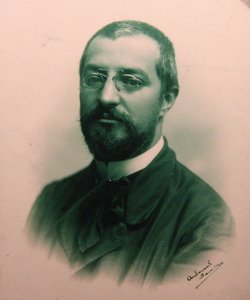
Josep Puig i Cadafalch
1867 - 1956 , Spain
プロフィール概要
- Els Quatre Gats: Casa Amatller
- Birth Date: 1867-10-17
- Birth Place: Mataró, Spain
- Death Date: 1956-12-21
- Influenced: None, 'influenced by': None, 'movement': 'Modernisme (Catalan Modernism)', 'name': 'Josep Puig i Cadafalch', 'nationality': 'Spanish', 'notable works':

