

 プレビュー
プレビュー
 シェアする
シェアする シェアする
シェアする
 詳細を見る
詳細を見る

 ダウンロード
 似ている作品
 X線調査
X線調査 スライドショー
 統計情報
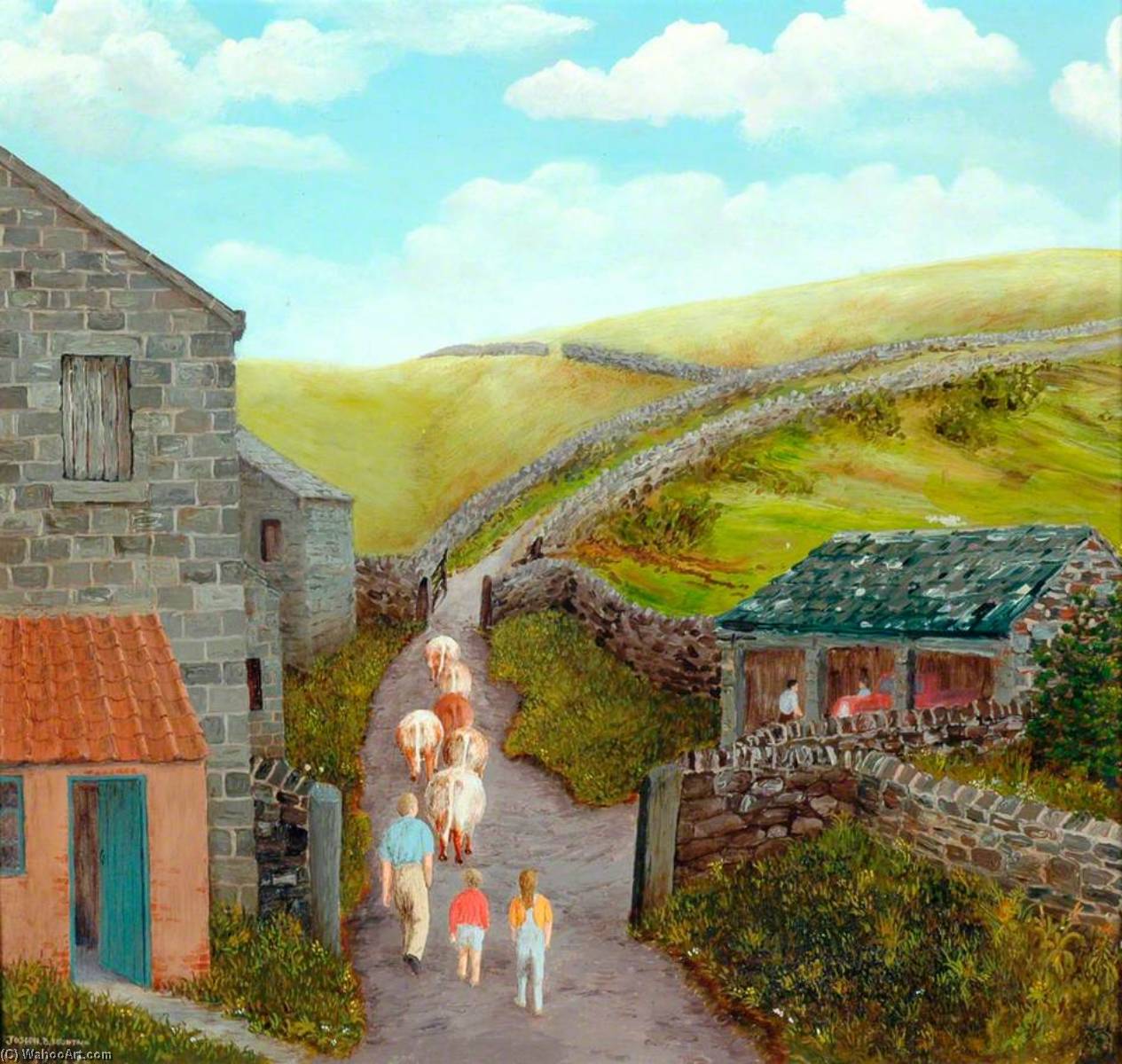
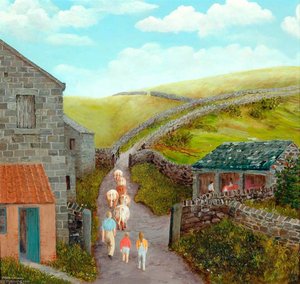
統計情報Folly Hall, Washburn Valley
 37.0 x 40.0 cm
 The Mercer Art Gallery
 詳細を見る
詳細を見る
ジークレー/アートプリント
迅速な制作と多彩な仕上げオプションを備えた、ミュージアムクオリティのジークレーまたはキャンバスプリント。 ( 手描きの絵画を購入 デジタル画像販売へ切り替え)




































作品のオリジナル比率に合わせた、当店の規定サイズからお選びください。

特定のフレームやスペースに合わせて、ご自身でサイズを指定することも可能です。選択されたサイズが元の画像の比率と一致しない場合、作品をトリミングするか、鏡面反射または単色での塗りつぶしによって画像を拡張いたします。制作を開始する前に、ご確認用のデジタルモックアップをお送りいたします。
画面上のプレビューには、実際のトリミングや拡張は反映されませんのでご注意ください。最終的な構図を正確に確認できるのは、モックアップのみとなります。
カスタムサイズも承っておりますが、元の比率を維持するためには、あらかじめ用意されたリストからサイズを選択することをお勧めいたします。


 ガラスオプションは、110cm未満のサイズでのみご利用いただけます。

Folly Hall, Washburn Valley
ジークレー/アートプリント
複製画のサイズ
-


合計金額
$ 62
関連作品

アーティストの略歴
A Quiet Observer: The Life and Art of Joseph Baker Fountain
Joseph Baker Fountain (1907–1992) wasn’t a name that immediately resonated with the grand narratives of 20th-century art. Yet, within the quiet corners of rural England – particularly the landscapes of Knaresborough and the surrounding Yorkshire Dales – his work quietly flourished, capturing an essence of nostalgia and meticulous observation that continues to captivate viewers today. Fountain’s life itself was a fascinating blend of influences; born in 1907 into a family deeply rooted in the artistic traditions of Yorkshire, he initially pursued a career as a teacher before dedicating himself fully to painting in his late twenties. This shift wasn't driven by ambition for fame, but rather by a profound connection to the land and a desire to translate its subtle beauty onto canvas.
His early training was largely self-directed, absorbing the techniques of the Arts and Crafts movement – a reaction against the perceived superficiality of Victorian art – and the Impressionistic approach of artists like Monet. However, Fountain quickly developed his own distinct style: a precise, almost photographic realism combined with an atmospheric quality that evoked memory and feeling. He wasn’t interested in grand romantic gestures or dramatic vistas; instead, he focused on the everyday details of rural life—a weathered barn, a winding stream, a field of wildflowers—rendering them with painstaking accuracy and a deep appreciation for their inherent dignity.
The Knaresborough Series: A Painter's Obsession
Fountain’s most celebrated work is undoubtedly his series of paintings depicting Knaresborough, a historic market town nestled on the River Nidd. This wasn’t simply a matter of documenting a picturesque location; it was an obsession—a relentless pursuit of capturing the essence of this small corner of Yorkshire. He spent decades returning to Knaresborough, painting the same subjects repeatedly over many years, each iteration subtly evolving as his understanding and appreciation deepened. These paintings aren't merely representations of buildings and landscapes; they’re imbued with a sense of time and place—a feeling of being transported back to a simpler era.
The key to Fountain’s success lay in his meticulous technique. He employed the tempera medium, known for its rich colors and slow drying time, allowing him ample opportunity to layer glazes and build up complex textures. His brushwork was incredibly detailed, capturing every ripple of water, every grain of stone, every blade of grass. Yet, despite this level of precision, his paintings never feel stiff or contrived. There’s a remarkable fluidity and spontaneity in his handling of the paint, suggesting an intuitive understanding of how light and color interact.
Influences and Artistic Context
Fountain's work is often categorized within the broader context of British landscape painting, but he occupies a unique space between traditional realism and Impressionism. He was influenced by artists like Constable and Turner, who both sought to capture the essence of English landscapes, but Fountain’s approach was more restrained and focused on detail. His connection to the Arts and Crafts movement is evident in his commitment to craftsmanship and his rejection of academic art conventions. However, unlike many Arts and Crafts painters, he wasn't interested in reviving medieval styles; instead, he drew inspiration from the vernacular architecture and rural traditions of Yorkshire.
Furthermore, Fountain’s work can be seen as a reaction against the rapid industrialization and urbanization that were transforming Britain during his lifetime. His paintings offer a nostalgic glimpse into a disappearing world—a world of small villages, working farms, and timeless landscapes. They are a testament to the enduring beauty of the English countryside and a poignant reminder of what has been lost.
Legacy and Recognition
Despite not achieving widespread fame during his lifetime, Joseph Baker Fountain’s work is now recognized as a significant contribution to British landscape painting. His meticulous detail, atmospheric quality, and profound sense of place have earned him a devoted following among collectors and art enthusiasts. His paintings are exhibited in galleries and museums throughout the UK, and they continue to inspire artists today.
Fountain’s legacy lies not only in his artistic achievements but also in his quiet dedication to capturing the beauty of the English countryside. He was a patient observer, a meticulous craftsman, and a deeply sensitive artist—a true champion of rural England.
joseph baker fountain
1907 - 1992
基本情報
- Artistic Movement Or Style: Tempera landscapes
- Artists Or Movements Influenced By This Artist: ['British Landscape Art']
- Artists Who Influenced This Artist: ['Arts and Crafts Movement']
- Date Of Birth: 1907
- Date Of Death: 1992
- Full Name: Joseph Baker Fountain
- Nationality: British
- Notable Artworks:
- Bricks, Pots & Rhubarb
- Knaresborough scenes
- Place Of Birth: Knaresborough, UK