

 プレビュー
プレビュー
 プリントを購入
 シェアする
シェアする シェアする
シェアする
 詳細を見る
詳細を見る

 ダウンロード
 似ている作品
 X線調査
X線調査 スライドショー
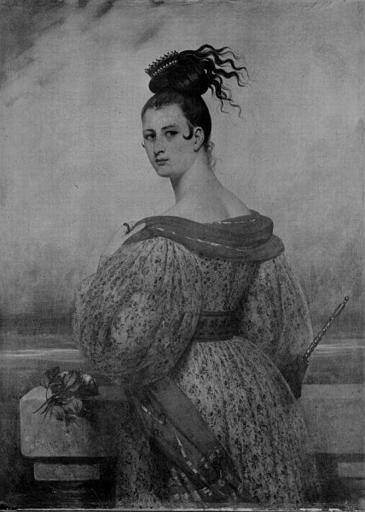
PORTRAIT DE FEMME


 詳細を見る
詳細を見る




P118B $10

P118H $10

P118W $10

P438Z $10

P508JH $12

P508YH $12

P805H $10

P805Z $10

P919BZ $10

P919G $10

P919XJ $10

P959ZH $10

P968JZ $12

W106C $8

W218G $10

W218JH $8

W218Y $10

W307PJ $10

W316G $10

W316PJ $8

W316Y $10

W398PJ $8

W4111J $10

W500HY $15

W500JH $15

W692G $12

W849H $8

W940BG $15

W953PJ $8




作品のオリジナル比率に合わせた、当店の規定サイズからお選びください。

特定のフレームやスペースに合わせて、ご希望のサイズをご入力いただけます。選択されたサイズが元の画像の比率と異なる場合、アートワークをトリミングするか、手描きで要素を追加して絵画を拡張いたします。デジタルモックアップ を制作し、制作開始前にご確認(承認)をいただきます。
画面上のプレビューは、実際のトリミングや拡張を正確に反映しているものではありません。最終的な構図は、モックアップによってのみ正確にご確認いただけます。
カスタムサイズもご利用いただけますが、元の比率を維持するためには、あらかじめ用意されたリストからサイズを選択することをお勧めいたします。
ご注文後、ArtsDot.com チームより詳細な指示をお送りするとともに、仕上がりイメージ(モックアップ)をご提供いたします。


 ガラスオプションは、110cm未満のサイズでのみご利用いただけます。

PORTRAIT DE FEMME
複製技法
複製画のサイズ
-


合計金額
$ 263
Portrait de Femme: A Window Into Romantic Era Elegance
“PORTRAIT DE FEMME” by Joseph Désiré Court stands as a testament to the artistic fervor of the Romantic period, capturing not merely an image but an atmosphere—a glimpse into the refined sensibilities of 19th-century French society. Executed in monochrome, primarily graphite and charcoal on canvas, this artwork transcends mere representation; it’s imbued with a palpable sense of emotion and observation that distinguishes Court from his contemporaries.
Composition & Technique: Mastering Light and Texture
The painting's central focus is undeniably the woman depicted—a figure turned slightly away from the viewer, conveying an air of quiet contemplation. Her pose is deliberate, reflecting the formal conventions of portraiture during Court’s time while simultaneously hinting at a subtle vulnerability. The blurred background serves as a masterful device, suggesting a garden setting bathed in diffused light – a characteristic element of Romantic landscape painting. Court's technique demonstrates remarkable skill in rendering texture and form. Soft lines delineate her features and dress, creating fluidity and grace, contrasting with the angular shapes of the pedestal supporting the bouquet of flowers and the walking stick held by her hand.
Historical Context & Symbolism: Reflecting Aristocratic Values
Created around 1831, “Portrait de Femme” reflects the broader cultural landscape of Louis-Philippe’s reign—a period marked by optimism and a renewed interest in classical ideals alongside burgeoning industrial progress. The woman's attire – an opulent gown adorned with intricate embroidery – speaks volumes about her social status and wealth, aligning perfectly with the aristocratic tastes prevalent at the time. The bouquet of flowers symbolizes beauty and femininity, adding to the painting’s decorative richness and conveying a message of elegance and refinement.
Romantic Ideals Embodied: Court's Pioneering Approach
Joseph Désiré Court is celebrated for his groundbreaking use of tenebrism—the dramatic juxtaposition of light and shadow—a technique pioneered by Caravaggio and embraced wholeheartedly by Romantic artists. This masterful manipulation of tonal variation elevates the portrait beyond a simple likeness, transforming it into an emotionally resonant experience. The subtle gradations of gray create depth and volume, capturing the nuances of skin tone and fabric texture with exceptional accuracy. Court’s meticulous attention to detail underscores his commitment to portraying not just what is seen but also what is felt—a hallmark of Romantic artistic philosophy.
A Legacy of Impressionistic Influence
While firmly rooted in Romantic tradition, “Portrait de Femme” foreshadows the stylistic developments that would soon characterize Impressionism. Court’s exploration of light and atmosphere anticipates the shift towards capturing fleeting moments and subjective perceptions—a pivotal moment in art history. This artwork remains a captivating example of artistic brilliance, inviting viewers to contemplate beauty, grace, and the enduring power of visual storytelling.
関連作品
アーティストの略歴
ジョセフ・ライト・オブ・ダービー:産業革命時代を照らす光
18世紀のイギリスにおいて、劇的な光の演出と勃興する産業の情景を語る上で、ジョセフ・ライト・オブ・ダービーの名は欠かせません。彼は単なる画家ではありませんでした。彼は自らが生きる時代の「視覚的な記録者」だったのです。1734年9月3日、ダービーの控えめな家庭に生まれたライトの人生は、産業化の進展と科学コミュニティの隆盛という、劇的な社会・経済的変革の背中合わせで展開されました。約60年に及ぶ彼のキャリアにおいて、地方の肖像画家から英国で最も独創的かつ称賛される芸術家へと進化を遂げた背景には、光と空気感を捉える彼独自の卓越したアプローチがありました。ライトの遺産は、個々の傑作のみならず、テネブリズム――光と影の劇的な相互作用――を先駆的に用いることで、視覚的な驚きと時代への深い洞察を同時に描き出したその手法に刻まれています。黎明期と修業の道
ライトの幼少期には、後に彼が切り拓く芸術的な道の兆しはほとんど見られませんでした。彼はダービーで理髪外科医の見習いとして修行を始めましたが、この職業を通じて培われた観察眼と細部へのこだわりは、後の作品において極めて重要な資質となりました。しかし、彼の芸術的野心に真の火を灯したのは、ロンドンの著名な肖像画家トーマス・ハドソンとの出会いでした。1751年から1称1753年にかけて、ライトはロンドンでハドソンの指導を受け、古典的な構図や肖像画の技法を吸収しました。この初期の経験が強固な基礎となりましたが、彼独自のスタイルが花開いたのは、ダービーへ戻った後のことでした。彼は技術を磨き続ける一方で、科学実験の情景、産業活動、そして社会不安といった、後に彼の芸術の中核となる新たな主題を探求し始めたのです。光の言語:様式と技法
ライトが美術史に残した最も驚くべき貢献は、光の巧みな操り方にあります。彼は単に場面を描写していたのではありません。そこにある情緒や、しばしばドラマや神秘性を帯びた「空気感」を伝えていたのです。科学的発見の瞬間や密やかな集まりの場面で頻繁に描かれた「蝋燭の光」の使用は、瞬く間に彼の代名詞となり、多大な影響を与えました。レンブラントやフェルメールといったオランダ・バロック絵画の影響を強く受けたこの技法により、彼は質感に光を当て、感情を露わにし、観る者を場面の核心へと引き込む、驚異的な写実的効果を生み出しました。ライトの構図は常にダイナミックで、動きと活気に満ちており、彼が記録しようとした時代のエネルギーを反映しています。彼は緻密な細部よりも光の「効果」を捉えることを優先し、奔放で表現力豊かな筆致を用いることで、作品の劇的なインパクトをさらに高めました。遺産と歴史的意義
ジョセフ・ライト・オブ・ダービーが芸術に与えた影響は、個人の業績を遥かに超えています。彼は、産業革命の精神を見事に捉え、深刻な社会的・技術的変革期における比類なき視覚的記録を残した、英国初のプロフェッショナルな画家の一人と広く見なされています。光の革新的な使用、劇的な構図、そして現代の出来事への関わりは、彼を英国美術史における極めて重要な人物として確立させました。彼の作品は今日においても響き続けています。科学、産業、そして社会の複雑な相互作用を私たちに思い起こさせるそのテーマは、現代の私たちの時代においても驚くほど切実な意味を持っているからです。ライトの遺産は、単なる絵画の中に留まりません。急速に変化する世界の中で、人間の在り方について感情を呼び起こし、深い思索を促す、その不朽の力の中に生き続けているのです。
ジョゼフ・デジレ・クール
1797 - 1865 , フランス
基本情報
- Artistic Movement Or Style: ロマン主義、新古典主義
- Artists Or Movements Influenced By This Artist:
- ジョシュア・レノルズ
- ロマン主義
- Artists Who Influenced This Artist:
- ジャニス・ゼドレス
- レンブラント
- Date Of Birth: 1734年9月3日
- Date Of Death: 1797年8月29日
- Full Name: ジョセフ・ライト・オブ・ダービー
- Nationality: イギリス
- Notable Artworks:
- 空気ポンプの中の鳥の実験
- 屠殺された馬
- 兵舎を視察するジョージ3世
- Place Of Birth: イングランド、ダービー
関連記事

The Nuances of Graphite: Exploring Emotional Depth & Technical Mastery in Pencil Drawing
Explore the captivating world of graphite drawing! Discover its rich history, master essential techniques like chiaroscuro, and learn how artists evoke emotion through this timeless medium. Expert insights for art enthusiasts.
Romantic Realism's Finest: 10 Masterpieces for Your Home | ArtsDot
Explore 10 defining masterpieces of Romantic Realism! Discover Courbet, Millet & Daumier's powerful paintings—capturing emotion and social realities. Find museum-quality reproductions for your home at ArtsDot.com.

Giclée Prints: Archival Quality & Aesthetic Nuances for the Discerning Collector
Explore the world of giclée prints with ArtsDot. Learn about archival quality, aesthetic nuances & investment potential. Expert guidance for discerning art collectors seeking museum-quality reproductions and lasting value.
The Alchemy of Graphite: An Expert Guide to Mastering Detail and Depth in Pencil Sketching
Unlock the secrets of graphite sketching with our expert guide for art students. Learn to master pencil grades, create realistic depth, and capture intricate textures through professional techniques designed to elevate your observational drawing skills.

Echoes of Time: Exploring the Enduring Appeal & Historical Context of Vintage Art Prints
Explore the captivating world of vintage art prints! Discover their history, collecting tips & enduring appeal. Expert insights on chromolithography and building a legacy collection with ArtsDot.

