

 プレビュー
プレビュー
 プリントを購入
 シェアする
シェアする シェアする
シェアする
 詳細を見る
詳細を見る

 ダウンロード
 似ている作品
 X線調査
X線調査 スライドショー
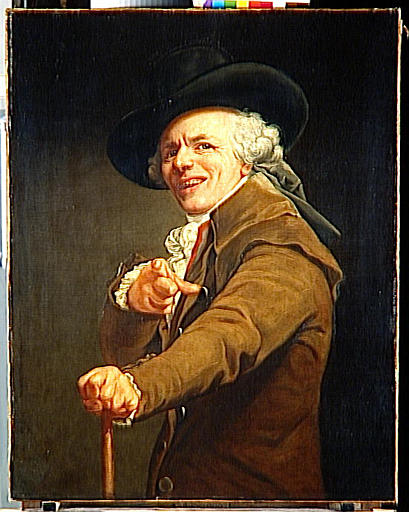
PORTRAIT DE L'ARTISTE SOUS LES TRAITS D'UN MOQUEUR


 詳細を見る
詳細を見る
オンラインプレビューをはるかに凌ぐ、高解像度で鮮明なデジタル画像をご購入いただけます。
各ファイルは、社内の専門家が高度なツールと熟練した手作業によるレタッチを用いて、細心の注意を払って準備されています。すべての画像において、卓越した鮮明度、正確な色彩再現性、そして繊細なディテールを保証いたします。
最終ファイルは、プロフェッショナルな編集・印刷環境ですぐにご利用いただけるよう最適化された状態で、72時間以内にメールにてお届けいたします。これは、一流のデザインスタジオ、出版社、ギャラリーから信頼されているものと同等の品質です。
デジタル画像のご注文に付随する特典
高品質なデジタル画像配信を、確かな品質で。
ArtsDot.com を選ぶことは、単に画像を手に入れることではありません。それは、プロの手によって精密に仕上げられ、満足保証が付いた高品質なデジタルアートワークを受け取ることを意味します。ご注文いただいた際に自動的に付随する内容は、以下の通りです:

メールですぐにお届け
ご注文から72時間以内に、高解像度のデジタル画像ファイルがメールでお手元に届きます。すぐにそのままご利用いただけます。

AI技術で最適化されたデジタルファイル
お客様の作品は、高度なAIツールと専門家による手作業の編集を組み合わせてプロフェッショナルに最適化されており、細部のディテール、鮮明さ、そして正確な色再現性を最大限に引き出しています。

一生涯無料の再送サービス
ファイルを誤って削除したり、紛失してしまったりしましたか?ご安心ください。いつでも無料で再送いたします。

輸入手数料は一切かかりません
関税や手数料、配送料を気にすることなく、お気に入りのアートワークをすぐにお楽しみいただけます。デジタルダウンロードは常に免税です。

色彩再現の保証
プロ仕様のツールとカラーマネジメント技術を用いることで、デジタル画像が元の色を最大限に忠実に再現することを保証いたします。

100日間満足保証
ご購入いただいたデジタル画像にご満足いただけない場合は、100日以内であれば、修正または100%の返金(理由を問う必要はありません)をさせていただきます。

100% 返金保証
ご満足いただけない場合は、デジタルファイルを受け取ってから100日以内であれば、理由を問わず全額返金いたします。

まとめ買い割引
3枚購入で10%OFF - 5枚購入で15%OFF - 10枚以上購入で20%OFF。クリエイティブなプロジェクト、ギャラリー、エージェンシーに最適です。
A Portrait Steeped in Wit and Observation: Examining Joseph Ducreux’s “Portrait de l'artiste sous les traits d'un moqueur”
The painting "Portrait de l'artiste sous les traits d'un moqueur," attributed to Joseph Ducreux, stands as a captivating emblem of the Rococo era’s preoccupation with psychological nuance and subtle social commentary. Completed around 1785, this portrait transcends mere likeness; it delves into the complexities of artistic identity and engages in a playful dialogue with its audience—a characteristic hallmark of Ducreux's oeuvre and indeed, of the broader artistic spirit of his time.Subject Matter and Composition: A Calculated Glance
At first glance, the painting presents a three-quarter view of Joseph Ducreux himself – a celebrated portraitist who had risen to prominence during Marie Antoinette’s reign – seated in a richly upholstered chair. However, Ducreux doesn't simply pose for the viewer; he directs his gaze directly at us with an expression that borders on mischievousness, punctuated by a slight smirk. His hand rests upon a walking stick, subtly anchoring him within the frame and reinforcing the impression of dignified composure. The composition is deliberately balanced, utilizing geometric principles to guide the eye across the canvas. The placement of Ducreux slightly off-center contributes to dynamism, inviting contemplation and prompting viewers to consider his gaze as an active element within the artwork itself.Technique and Style: Pastel’s Delicate Dance
Ducreux's mastery lies primarily in his command of pastel – a medium favored by artists like Quentin de La Tour during this period—which he skillfully employed on canvas. The technique involves layering thin washes of pigment onto the surface, achieving remarkable luminosity and capturing subtle tonal variations with breathtaking precision. This meticulous approach is evident in the rendering of Ducreux’s wig, coat fabric, and skin tones, where delicate blending creates an illusion of texture and depth. Glazes—thin layers of translucent paint applied over underlying colors—were undoubtedly utilized to enhance the painting's overall richness and luminosity, furthering its expressive qualities. The influence of Gainsborough and Reynolds – masters of portraiture who championed naturalism alongside elegance – is palpable in Ducreux’s stylistic choices.Historical Context: Courtly Intrigue and Artistic Expression
“Portrait de l'artiste sous les traits d'un moqueur” emerged during a period marked by significant social and political upheaval—the waning years of the Bourbon monarchy and the burgeoning Enlightenment ideals. Artists like Ducreux navigated this turbulent landscape by prioritizing artistic integrity while simultaneously catering to the tastes of the aristocracy. The painting reflects the Rococo’s fascination with aristocratic leisure and refined sensibilities, yet it also subtly critiques societal conventions through Ducreux's defiant gaze—a gesture that speaks volumes about the artist’s confidence and intellectual curiosity. It serves as a poignant reminder that art can be both aesthetically pleasing and intellectually stimulating, capable of conveying complex ideas within a deceptively serene surface.Symbolism and Emotional Impact: A Smile That Speaks Volumes
The artist's smirk—a deliberate provocation aimed at his subject—is arguably the painting’s most striking element. It embodies the Rococo spirit’s penchant for irony and playful self-awareness, suggesting that Ducreux possesses a keen understanding of human psychology and a willingness to challenge societal expectations. The direct gaze reinforces this impression, inviting viewers into an unspoken dialogue about identity, perception, and artistic ambition. Ultimately, “Portrait de l'artiste sous les traits d’un moqueur” transcends mere representation; it captures the essence of Ducreux’s personality—a man who embraced both elegance and intellectual defiance—leaving a lasting impression on anyone fortunate enough to encounter its captivating beauty.関連作品
作家の略歴
A Courtier’s Wit: The Life and Art of Joseph Ducreux
Joseph Ducreux, a name perhaps unfamiliar to many outside the circles of art history, occupies a fascinating niche in the late 18th-century French artistic landscape. Born in Nancy in 1735, his journey from the workshop of his painter father to becoming *premier peintre de la reine* – First Painter to Queen Marie Antoinette – is a testament to both talent and opportune timing. The son of Charles Ducreux, who served Stanisław Leszczyński, the exiled King of Poland, Joseph’s initial artistic education was steeped in the traditions of courtly portraiture. However, it was his move to Paris around 1760 that truly ignited his creative development. There, he fell under the tutelage of Maurice Quentin de La Tour, a master of pastel and renowned for his sensitive portrayals of aristocratic society. This mentorship proved pivotal, instilling in Ducreux a delicate touch and an exceptional command of pastel techniques – skills that would initially define his artistic style. He also benefited from the influence of Jean-Baptiste Greuze, whose expertise helped refine Ducreux’s oil painting abilities.Royal Favor and Artistic Innovation
Ducreux's ascent within the French court was remarkably swift. A turning point arrived in 1769 when he secured the commission to paint a portrait of Archduchess Marie Antoinette before her marriage to Louis XVI. Remarkably, he won this prestigious assignment over more established artists, largely due to his willingness to offer a more affordable price. This initial success opened doors, and soon Ducreux was appointed *premier peintre de la reine*, an extraordinary achievement considering he wasn’t yet a member of the highly exclusive Royal Academy of Painting and Sculpture. The appointment ruffled feathers within the Academy, traditionally reserving such positions for its members, but royal favor proved a powerful force. He continued to navigate this complex relationship with the Academy, producing portraits that satisfied both courtly expectations and his own burgeoning artistic vision. During the tumultuous years of the French Revolution, Ducreux even traveled to London, where he created what would become the last known portrait of King Louis XVI before his tragic execution – a poignant record of a fading era.Beyond Likeness: Physiognomy and Self-Expression
While proficient in traditional portraiture, it is for his unconventional self-portraits that Joseph Ducreux is most celebrated today. These works, created primarily during the 1780s and 1790s, represent a radical departure from the formal conventions of the time. Instead of presenting himself with dignified composure, Ducreux dared to depict himself in moments of unrestrained emotion – yawning widely, bursting into laughter, or making deliberately comical faces. This fascination with capturing fleeting expressions stemmed from his interest in physiognomy, the now-discredited belief that facial features reveal character and inner disposition. He wasn’t merely interested in *likeness*; he sought to portray personality, mood, and even a sense of playful self-awareness. These self-portraits challenged the very notion of portraiture, injecting humor, spontaneity, and an unprecedented level of individuality into the genre. Some scholars draw parallels between Ducreux's expressive portraits and the *tronies* – character studies – favored by Dutch Golden Age painters, suggesting a broader European tradition of exploring human psychology through artistic representation.A Lasting Legacy: From Salon to Internet Meme
Following the French Revolution, Ducreux continued his career with support from Jacques-Louis David, and his home became a gathering place for artists and musicians. He came from a family of creatives; his son Jules was a painter and infantry captain who tragically died in battle, while his daughters Rose-Adélaïde and Antoinette-Clémence also pursued artistic careers. Ducreux passed away in 1802, leaving behind a body of work that, while appreciated by connoisseurs for generations, experienced an unexpected resurgence in the 21st century. His self-portrait *Portrait de l'artiste sous les traits d’un moqueur* (Self-Portrait as a Mocker) became a viral internet meme, often paired with verbose and archaic language to create humorous captions. This unlikely phenomenon introduced Ducreux’s work to a new audience, demonstrating the enduring appeal of his playful spirit and expressive artistry.Major Works and Historical Significance
Ducreux's oeuvre encompasses a range of portraits, but certain works stand out as particularly significant. His Portrait of Marie Antoinette (1769), commissioned before her marriage, remains a key example of his early success and royal patronage. The Self-Portrait, Yawning (c. 1783), now held in a private collection, exemplifies his unconventional approach to self-representation. However, it is the Self-Portrait as a Mocker (c. 1793), housed in the Louvre Museum, that has captured the modern imagination and cemented Ducreux’s place in popular culture. Other notable works include Le Discret (ca. 1790), showcasing his ability to capture personality through subtle expression, and his portrait of Pierre Choderlos de Laclos, author of *Les Liaisons dangereuses*. Joseph Ducreux’s work represents a crucial transition in the history of portraiture, moving away from rigid formality towards greater expressiveness and individuality. His self-portraits are not merely artistic exercises; they are precursors to modern concepts of self-representation and a testament to the power of art to challenge conventions and reveal the complexities of the human spirit.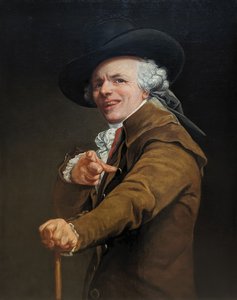
ジョゼフ・デュクレ=
1735 - 1802 , フランス
プロフィール概要
- Artistic Movement Or Style: ロココ、新古典主義
- Artists Or Movements Influenced By This Artist: 近代的な自己表現
- Artists Who Influenced This Artist:
- モーリス・ケンタン・ド・ラトゥール
- ジャン=バティスト・グローズ
- Date Of Birth: 1735年6月26日
- Date Of Death: 1802年
- Full Name: ジョゼフ・デュクレ=デュクレ
- Nationality: フランス人
- Notable Artworks:
- マリー・アントワネット(1769年)
- あくびの自画像
- 嘲笑する者の自画像
- 控えめな人
- ラクロスの肖像
- Place Of Birth: フランス、ナンシー