

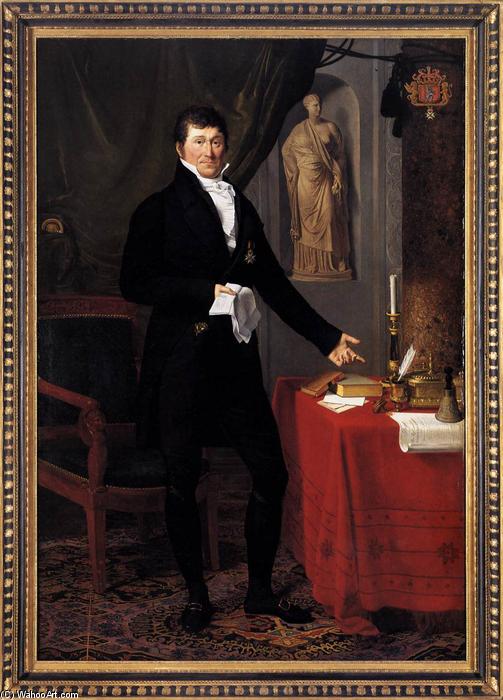
 プレビュー
プレビュー
 シェアする
シェアする シェアする
シェアする
 詳細を見る
詳細を見る

 ダウンロード
 似ている作品
 X線調査
X線調査 スライドショー
Baron Charles-Louis de Keverberg de Kessel
 1818
1818 212.0 x 145.0 cm
 Groeninge Museum
 詳細を見る
詳細を見る
ジークレー/アートプリント
迅速な制作と多彩な仕上げオプションを備えた、ミュージアムクオリティのジークレーまたはキャンバスプリント。 ( 手描きの絵画を購入 画像を購入)




































作品のオリジナル比率に合わせた、当店の規定サイズからお選びください。

特定のフレームやスペースに合わせて、ご自身でサイズを指定することも可能です。選択されたサイズが元の画像の比率と一致しない場合、作品をトリミングするか、鏡面反射または単色での塗りつぶしによって画像を拡張いたします。制作を開始する前に、ご確認用のデジタルモックアップをお送りいたします。
画面上のプレビューには、実際のトリミングや拡張は反映されませんのでご注意ください。最終的な構図を正確に確認できるのは、モックアップのみとなります。
カスタムサイズも承っておりますが、元の比率を維持するためには、あらかじめ用意されたリストからサイズを選択することをお勧めいたします。


 ガラスオプションは、110cm未満のサイズでのみご利用いただけます。

Baron Charles-Louis de Keverberg de Kessel
ジークレー/アートプリント
複製画のサイズ
-


合計金額
$ 62
関連作品
アーティストの略歴
The Flemish Master of Light and Elegance
Joseph François Ducq, born in the quiet Belgian town of Ledeghem on September 29th, 1763, stands as a luminous figure in the tapestry of European art history. His life was a journey of profound artistic evolution, moving from the disciplined foundations of classical training to a more nuanced, atmospheric approach that anticipated the shifting sensibilities of the nineteenth century. Ducq’s early years were shaped by the rich traditions of Flanders, beginning his formal education under the watchful eye of Matthias de Visch in Bruges. This foundational period instilled in him a rigorous respect for form and detail, which he later expanded through studies at Saint John's College in Leuven. However, it was his pursuit of the broader European stage that truly defined his trajectory, leading him to the heart of the art world in Paris.
The Parisian era proved transformative for the young artist. Benefiting from a prestigious scholarship and the mentorship of Jean-Jacques Bachelier, Ducq immersed himself in the vibrant, intellectual atmosphere of the French capital. This period was marked by his engagement with Neoclassicism, a movement that demanded precision, idealized beauty, and rational composition. His talent was quickly recognized by the establishment; in 1800, he was awarded the second grand prize at the École Royale Supérieure des Beaux-Arts, and by 1810, he had earned a prestigious medal from the Academy. These accolades were not merely personal triumphs but signaled his emergence as a significant voice within the elite artistic circles of Europe.
A Journey Through Classical Grandeur and Impressionistic Light
Ducq’s artistic development was never static; rather, it was a continuous dialogue between tradition and innovation. His travels to Rome served as a spiritual and technical pilgrimage, where the monumental legacies of Raphael and Michelangelo left an indelible mark on his psyche. From these masters, he inherited an appreciation for grandeur and a meticulous approach to the human figure, which would later manifest in his celebrated portraiture. Yet, as the nineteenth century progressed, Ducq began to move away from the rigid structures of Neoclassimism. He started to embrace more fluid, proto-Impressionistic techniques, demonstrating a growing fascination with the ephemeral qualities of light and the subtle textures of the natural world.
This stylistic metamorphosis allowed him to capture not just the physical likeness of his subjects, but their very essence and social standing. While he is often remembered for his ability to depict the refined elegance of Victorian England, his work possesses a universal quality that transcends specific eras. His landscapes, too, reflect this evolution, transitioning from structured compositions to scenes that breathe with atmosphere and movement. Through his brush, the interplay of shadow and illumination becomes a narrative tool, capable of evoking deep emotion and a sense of historical continuity.
Legacy and Artistic Significance
The enduring significance of Joseph François Ducq lies in his ability to bridge the gap between the old world and the new. He was an artist who could honor the classical weight of the past while experimenting with the light-filled possibilities of the future. His portraits, such as the evocative Portrait of Colette Versavel, Wife of Isaac J. de Meyer, serve as windows into a bygone era of social grace and aristocratic poise. His work remains a vital subject for historians and art lovers alike, representing a period of immense transition in European culture.
Today, the legacy of Ducq is preserved through his contributions to the canon of Flemish and French portraiture. His life’s work serves as a testament to the power of artistic dedication—a journey from a small Belgian village to the highest honors of the Parisian Academy. To study his oeuvre is to witness the birth of a modern sensibility, where the meticulous detail of the master meets the fleeting, beautiful reality of the moment.
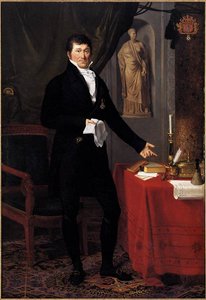
joseph françois ducq
1763 - 1829 , Belgium
基本情報
- Artistic Movement Or Style: Neo-classicism
- Artists Or Movements Influenced By This Artist: ['Jacques-Louis David']
- Artists Who Influenced This Artist:
- Jean-Jacques Bachelier
- François Kinson
- Date Of Birth: Ledegem, Belgium (1763)
- Date Of Death: Bruges (1829)
- Full Name: Joseph François Ducq
- Nationality: Flemish
- Notable Artworks:
- Meleager
- Devotion of a Scythian
- Marriage of Angelica and Medora
- Place Of Birth: Belgium