

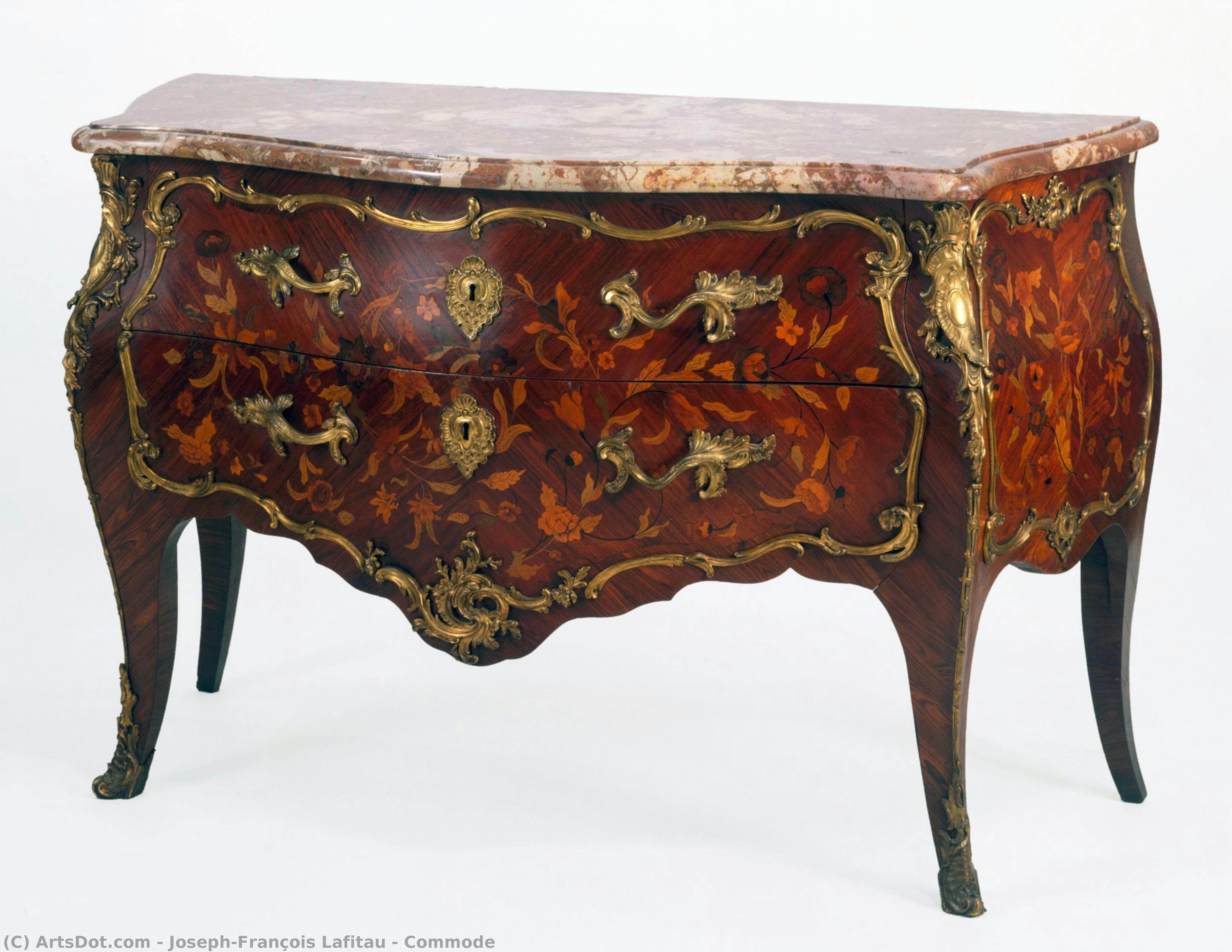
 プレビュー
プレビュー
 シェアする
シェアする シェアする
シェアする
 詳細を見る
詳細を見る

 ダウンロード
 似ている作品
 X線調査
X線調査 スライドショー
 Stats
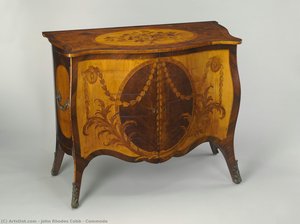
StatsCommode


 詳細を見る
詳細を見る
手描き油彩複製画
当社のアーティストが、お客様のご希望のサイズと額縁に合わせて、キャンバスに手描きで制作する油彩画です。 ( Switch to Print Switch to Digital Image)




































作品のオリジナル比率に合わせた、当店の規定サイズからお選びください。

特定のフレームやスペースに合わせて、ご希望のサイズをご入力いただけます。選択されたサイズが元の画像の比率と異なる場合、アートワークをトリミングするか、手描きで要素を追加して絵画を拡張いたします。デジタルモックアップ を制作し、制作開始前にご確認(承認)をいただきます。
画面上のプレビューは、実際のトリミングや拡張を正確に反映しているものではありません。最終的な構図は、モックアップによってのみ正確にご確認いただけます。
カスタムサイズもご利用いただけますが、元の比率を維持するためには、あらかじめ用意されたリストからサイズを選択することをお勧めいたします。
ご注文後、ArtsDot.com チームより詳細な指示をお送りするとともに、仕上がりイメージ(モックアップ)をご提供いたします。


 ガラスオプションは、110cm未満のサイズでのみご利用いただけます。

Commode
複製技法
複製画のサイズ
-


合計金額
$ 263
関連作品





アーティストの略歴
The Intellectual Crucible of Bordeaux
Born in the vibrant, salt-sprayed port of Bordeaux in 1681, Joseph-François Lafitau was a child of both commerce and faith. Raised within a family of prosperous merchants, his early years were steeped in the global currents that flowed through France's most significant maritime gateway. This environment, where strange tongues and exotic goods converged, provided a fertile ground for a mind destined to bridge continents. His education at the Jesuit College instilled a rigorous discipline, yet it was the wealth of his family that granted him access to an expansive library of ancient literature, theology, and natural history. As he entered the Society of Jesus, Lafitau did not merely seek to spread a creed; he sought to decode the very fabric of human existence through the lens of a scholar-missionary.A Revolutionary Lens on the New World
The year 1709 marked a profound shift in Lafitau’s trajectory as his vocation led him to the rugged landscapes of Quebec City. While many of his contemporaries viewed the Indigenous peoples of North America through a purely theological or colonial lens, Lafitau pioneered a radical departure. Drawing inspiration from the burgeoning Enlightenment ideals of Montesquieu and Voltaire, he embraced the comparative method. He did not merely observe; he meticulously documented the intricate social structures, kinship systems, and legal traditions of the Iroquois Confederacy. His work was characterized by an unprecedented scientific rigor, treating the customs of the "New World" not as primitive curiosities, but as complex societies worthy of deep, analytical study. This transition from missionary to ethnologist transformed him into a pioneer of scientific anthropology.The Enduring Legacy of Observation
Lafitau’s contributions extend far beyond the boundaries of religious mission, leaving an indelible mark on both natural science and social philosophy. His magnum opus, Customs of the American Indians Compared with the Customs of Primitive Times, stands as a monumental achievement in ethnographic literature, offering a window into a world that was rapidly changing. Beyond his anthropological triumphs, his keen eye for nature led to the significant discovery of the connection between Asian and American ginseng, bridging botanical knowledge across the Pacific. His intellectual journey, which began in the classrooms of Bordeaux and culminated in the forests of Canada, remains a testament to the power of reason and observation. Through his life's work, Lafitau helped lay the foundational stones for the modern study of human culture, ensuring that the voices of the past would resonate through the scientific advancements of the future.
joseph-françois lafitau
1681 - 1746 , France
基本情報
- Artistic Movement Or Style: Jesuit
- Artists Or Movements Influenced By This Artist: ['Comparative Method']
- Artists Who Influenced This Artist: ['Jean Baptist Rousseau']
- Date Of Birth: May 31, 1681
- Date Of Death: July 3, 1746
- Full Name: Joseph François Lafitau
- Nationality: French
- Notable Artworks: ['Customs of the American Indians Compared with the Customs of Primitive Times']
- Place Of Birth: Bordeaux, France