

 プレビュー
プレビュー
 シェアする
シェアする シェアする
シェアする
 詳細を見る
詳細を見る

 ダウンロード
 似ている作品
 X線調査
X線調査 スライドショー
 統計情報
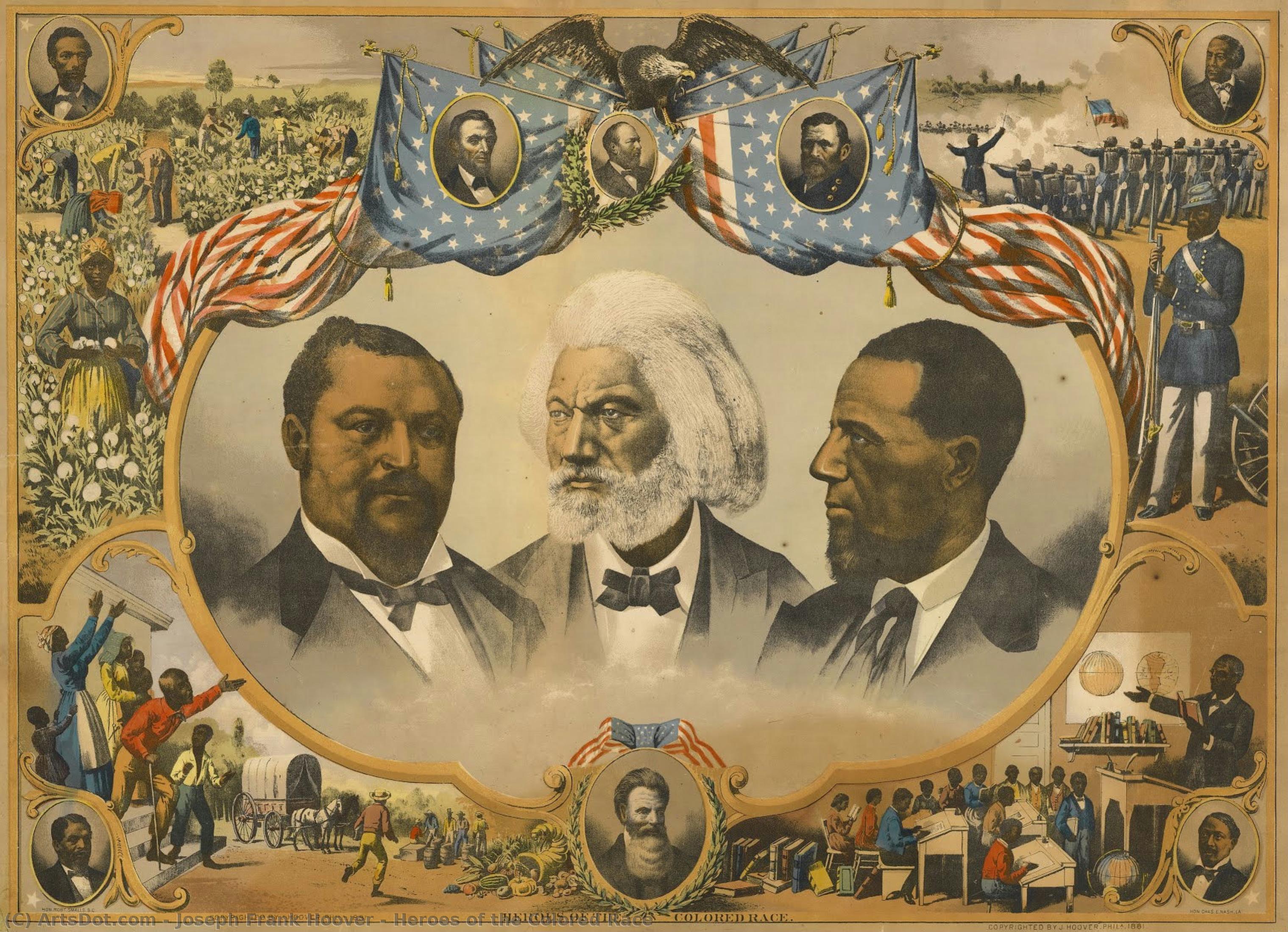
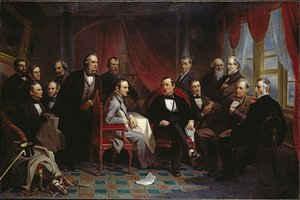
統計情報Heroes of the Colored Race
 Painting
- Victorian Era Chromolithography
 1881
1881- 19th Century
 74.0 x 55.0 cm
 ナショナル・ギャラリー
 詳細を見る
詳細を見る
手描き油彩複製画
当社のアーティストが、お客様のご希望のサイズと額縁に合わせて、キャンバスに手描きで制作する油彩画です。 ( プリント版に切り替え デジタル画像販売へ切り替え)




P118B $10

P118H $10

P118W $10

P438Z $10

P508JH $12

P508YH $12

P805H $10

P805Z $10

P919BZ $10

P919G $10

P919XJ $10

P959ZH $10

P968JZ $12

W106C $8

W218G $10

W218JH $8

W218Y $10

W307PJ $10

W316G $10

W316PJ $8

W316Y $10

W398PJ $8

W4111J $10

W500HY $15

W500JH $15

W692G $12

W849H $8

W940BG $15

W953PJ $8




作品のオリジナル比率に合わせた、当店の規定サイズからお選びください。

特定のフレームやスペースに合わせて、ご希望のサイズをご入力いただけます。選択されたサイズが元の画像の比率と異なる場合、アートワークをトリミングするか、手描きで要素を追加して絵画を拡張いたします。デジタルモックアップ を制作し、制作開始前にご確認(承認)をいただきます。
画面上のプレビューは、実際のトリミングや拡張を正確に反映しているものではありません。最終的な構図は、モックアップによってのみ正確にご確認いただけます。
カスタムサイズもご利用いただけますが、元の比率を維持するためには、あらかじめ用意されたリストからサイズを選択することをお勧めいたします。
ご注文後、ArtsDot.com チームより詳細な指示をお送りするとともに、仕上がりイメージ(モックアップ)をご提供いたします。


 ガラスオプションは、110cm未満のサイズでのみご利用いただけます。

Heroes of the Colored Race
複製技法
複製画のサイズ
-


合計金額
$ 263
A Tribute to Achievement: Heroes of the Colored Race
To gaze upon Joseph Frank Hoover's "Heroes of the Colored Race" is to encounter not merely a painting, but a monumental declaration etched in pigment and history. Created in 1881, this work transcends simple portraiture; it stands as a vibrant testament to the resilience, intellect, and burgeoning stature of African American figures during a pivotal era in American history. The composition immediately draws the eye to the three central male figures, each rendered with distinct dignity and purpose. They are presented standing together, a tableau vivant of accomplishment, suggesting a collective ascent toward recognition.
Mastery of Victorian Narrative and Technique
Hoover, known for his pioneering work in chromolithography and decorative art, imbues this piece with the rich detail characteristic of the late Victorian period. While the original medium was lithographic printmaking, the resulting effect captured here speaks to a meticulous hand at work—a dedication to vibrant color and narrative depth. Observe the varied costuming: one gentleman sporting a crisp tie, another thoughtfully holding a book that symbolizes scholarship, and the third arrayed in formal attire that speaks of established success. These details are not arbitrary; they are carefully chosen signifiers of different paths to heroism—be it intellectual pursuit, civic engagement, or professional eminence.
Symbolism Woven into the Scene
The inclusion of the American flag on the left side anchors the entire scene within a specific national context. It serves as a powerful backdrop against which the subjects' achievements are measured and celebrated. The surrounding figures, scattered throughout the composition, add layers to the narrative, suggesting a community supporting these central pillars of achievement. Symbolically, the painting functions as an early visual canonization—a deliberate effort to record and elevate the contributions of Black Americans whose stories were often marginalized by mainstream historical accounts. It is a powerful act of self-representation.
An Emotional Resonance for Modern Spaces
For the contemporary collector or designer, "Heroes of the Colored Race" offers more than just decorative appeal; it provides an immediate conduit to profound themes of perseverance and earned dignity. Reproducing this work allows one to integrate a piece steeped in social commentary and artistic mastery into any interior setting. The rich tonality and formal structure lend themselves beautifully to libraries, studies, or grand reception rooms, serving as a constant, eloquent reminder of the enduring power of human spirit when channeled through talent and determination.
関連作品


アーティストの略歴
The Master of Color: The Life and Legacy of Joseph Frank Hoover
In the vibrant, textured landscape of nineteenth-century American printmaking, few names resonate with the same decorative charm and technical prowess as Joseph Frank Hoover. Born in Baltimore on December 29, 1830, to Swiss-German heritage, Hoover was a man whose life mirrored the industrial and artistic evolution of his era. While history often remembers the fine painters of the academy, it was craftsmen like Hoover who brought beauty into the everyday homes of the American middle class. His journey from a young student in Baltimore’s public schools to a titan of the Philadelphia printing industry is a testament to the transformative power of the American Dream and the burgeoning era of mass-produced art.
Hoover’s early professional life was rooted in the tactile world of craftsmanship. Before he became a celebrated name in chromolithography, he trained as an architectural wood turner, a skill that required immense precision and an eye for structural elegance. This foundational period in his life, which saw him settle in Philadelphia in 1856, provided him with a unique perspective on texture and form. As his business evolved from a wood-turning establishment into a sophisticated picture-framing factory and wholesale print depot, Hoover began to bridge the gap between fine art and decorative utility. He understood that for art to be truly impactful, it had to be accessible, leading him to master the complex, multi-layered process of chromolithography.
A Revolution in Color and Print
The mid-to-late 19th century witnessed a technological marvel: the rise of chromolithography. This method, which utilized mineral pigments applied to stone surfaces, allowed for an unprecedented explosion of color on paper. Hoover became a pioneer of this medium, utilizing its ability to achieve astonishing color fidelity to create what would become known as "parlor prints." These were not merely decorations; they were windows into idealized worlds. His work captured the Victorian fascination with genre scenes—intimate depictions of everyday life—alongside lush, botanical landscapes and serene still lifes that seemed to glow with a life of their and their own.
Hoover’s technical mastery allowed him to oversee vast printing operations, managing the work of talented lithographers like Duval & Hunter and James Queen. His ability to scale his artistic vision meant that his prints could adorn the walls of parlors across the nation. Beyond mere landscapes, Hoover also tapped into the cultural zeitgeist by issuing presidential family portraits, including those dedicated to Abraham Lincoln and Ulysses S. Grant. These works served a dual purpose: they were both high-quality decorative pieces and significant historical artifacts that connected the American public to their national identity during a period of profound political change.
The Enduring Impression of a Victorian Visionary
As his business expanded through the 1870s and 1880s, Hoover’s financial success was matched only by his growing influence on American interior aesthetics. His printing plants in Philadelphia became hubs of creativity and commerce, producing works that defined the visual language of a generation. The sheer scale of his operation—with multiple depots across Market and Chestnut Streets—demonstrates a man who had successfully married the precision of an artisan with the ambition of an industrialist.
Though the era of the massive lithographic print depot eventually gave way to new technologies, the historical significance of Joseph Frank Hoover remains undiminished. He was a vital architect of the American visual landscape, ensuring that even in the most modest of homes, the brilliance of color and the grace of fine composition could be enjoyed. His legacy lives on in the vibrant, nostalgic charm of his prints, which continue to evoke the warmth, detail, and romanticism of a bygone century.

joseph frank hoover
1830 - 1913 , United States of America
基本情報
- Artistic Movement Or Style: Chromolithography
- Date Of Birth: December 29, 1830
- Date Of Death: August 7, 1913
- Full Name: Joseph Frank Hoover
- Nationality: American
- Notable Artworks:
- The Man Who Shot Liberty Valance
- Hell Is For Heroes
- Stagecoach
- Place Of Birth: Baltimore, United States
関連記事
American Realism's Defining Works: 10 Masterpieces for Your Home
Explore 10 defining American Realism masterpieces – Hopper, Homer & more. Discover the stories behind these iconic paintings and bring timeless art to your home with ArtsDot's museum-quality reproductions. Explore the full collection online.

Joseph Stella: Modernism's Dynamic Vision of Industry, Urban Life & the American Spirit
Explore the captivating world of Joseph Stella, a pioneer of American Modernism. Discover his iconic depictions of industry, urban life & the Brooklyn Bridge. Expert analysis for art collectors.

American Regionalism: A Crucible of Identity – Exploring Themes of Place, Labor & Social Commentary
Explore American Regionalism's powerful depiction of the American heartland during the Great Depression. Discover Grant Wood, Thomas Hart Benton & more. Expert analysis & high-quality art reproductions at ArtsDot.
Henry Ossawa Tanner: Pioneering African American Representation in 19th-Century Art
Explore the life and groundbreaking work of Henry Ossawa Tanner, a pioneering African American artist who achieved international acclaim with his deeply spiritual and realistic paintings. Discover his legacy at ArtsDot.

Grant Wood & American Regionalism: Identity, Myth & the Rural Landscape
Explore the world of Grant Wood & American Regionalism with ArtsDot. Discover the symbolism behind 'American Gothic', recurring themes, and the movement's lasting impact on art history. High-quality reproductions available.