

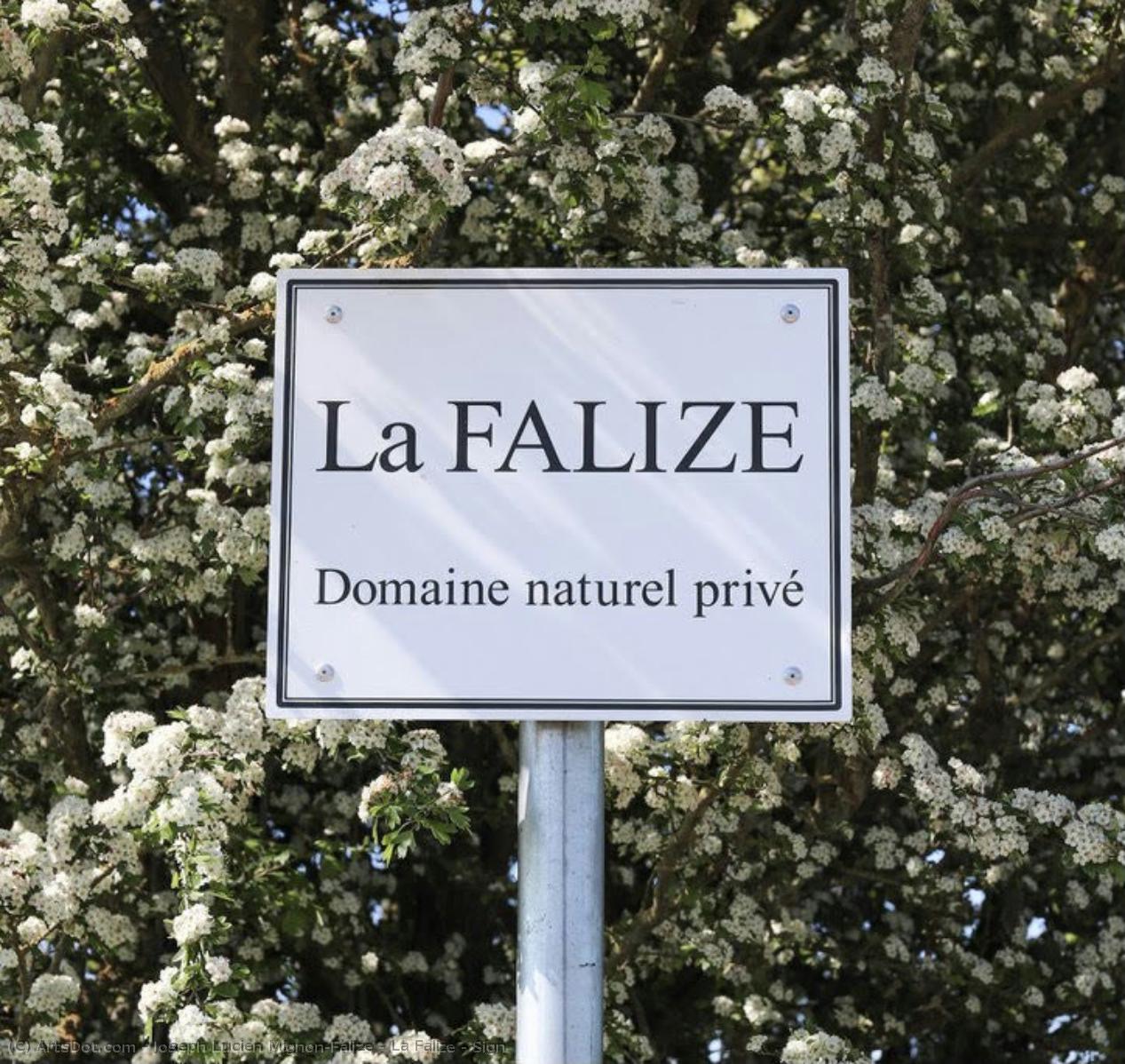
 プレビュー
プレビュー
 シェアする
シェアする シェアする
シェアする
 詳細を見る
詳細を見る

 ダウンロード
 似ている作品
 X線調査
X線調査 スライドショー
 統計情報
統計情報La Falize - Sign


 詳細を見る
詳細を見る
手描き油彩複製画
当社のアーティストが、お客様のご希望のサイズと額縁に合わせて、キャンバスに手描きで制作する油彩画です。 ( プリント版に切り替え デジタル画像販売へ切り替え)




































作品のオリジナル比率に合わせた、当店の規定サイズからお選びください。

特定のフレームやスペースに合わせて、ご希望のサイズをご入力いただけます。選択されたサイズが元の画像の比率と異なる場合、アートワークをトリミングするか、手描きで要素を追加して絵画を拡張いたします。デジタルモックアップ を制作し、制作開始前にご確認(承認)をいただきます。
画面上のプレビューは、実際のトリミングや拡張を正確に反映しているものではありません。最終的な構図は、モックアップによってのみ正確にご確認いただけます。
カスタムサイズもご利用いただけますが、元の比率を維持するためには、あらかじめ用意されたリストからサイズを選択することをお勧めいたします。
ご注文後、ArtsDot.com チームより詳細な指示をお送りするとともに、仕上がりイメージ(モックアップ)をご提供いたします。


 ガラスオプションは、110cm未満のサイズでのみご利用いただけます。

La Falize - Sign
複製技法
複製画のサイズ
-


合計金額
$ 263
関連作品








アーティストの略歴
The Architect of Ornament: The Life and Legacy of Lucien Falize
In the shimmering twilight of the nineteenth century, as the rigid structures of the past began to dissolve into the fluid, organic rhythms of a new era, one name emerged as a primary architect of beauty: Joseph Lucien Mignon-Falize. A visionary jeweler and writer, Falize did not merely create ornaments; he breathed life into precious metals, acting as a pivotal force in the genesis of the Art Nouveau movement. Born in Paris on August 4, 1839, his journey was one of profound transformation, moving from the disciplined halls of academic study to the intimate, meticulous world of the goldsmith’s workshop. While he initially prepared for a life of scientific rigor at the École Centrale des Arts et Manufactures, destiny intervened through his father, Alexis Falize. This familial calling redirected Lucien toward an apprenticeship that would eventually allow him to reshape the very perception of luxury through his firm, Falize.
The artistic soul of Falize was deeply nourished by a wanderlust for the exotic and the ancient. His formative travels to London in the early 1860s served as a profound sensory awakening. Within the hallowed, silent corridors of Westminster Abbey, he found inspiration in the intricate stone lacework of the Henry VII chapel, while the vast collections of the Crystal Palace introduced him to the mesmerizing allure of Egyptian, Assyrian, and Indian aesthetics. These encounters with Oriental lacquers, enamels, and bronzes instilled in him a lifelong fascination with non-Western motifs. He possessed a rare ability to synthesize these disparate influences—the geometric precision of ancient civilizations and the delicate sinuosity of nature—into a cohesive language of design that felt both timeless and revolutionary.
Innovation through Nature and Tradition
As Falize ascended from an apprentice to a full partner in 1869, and eventually took the helm of the firm in 1876, his work became a testament to the marriage of technical mastery and poetic imagination. He was a pioneer of the Art Nouveau aesthetic, characterized by an unwavering commitment to translating the organic vitality of the natural world into wearable art. His designs were not mere imitations of nature but rather emotional interpretations of it; he captured the delicate curve of a petal, the rhythmic flow of water, and the vibrant spectrum of flora through sophisticated enameling techniques and meticulous metalwork.
The brilliance of his craftsmanship was matched by his dedication to historical revivalism. Falize’s repertoire was remarkably diverse, often blending various cultural echoes into single, breathtaking pieces:
- Persian Influence: His ability to utilize deep reds, turquoise blues, and lush greens in enameled foliage reflected a profound mastery of the Persian taste.
- Exoticism: The integration of motifs from Chinese and Japanese art, even when he could not travel to the East himself, brought a sense of global mystery to Parisian high society.
- Symbolic Metalwork: Beyond jewelry, his skill extended to silverwork and personal treasures, such as the bespoke watches he crafted for his children, imbuing functional objects with deep familial sentiment.
A Lasting Impression on the Decorative Arts
The historical significance of Lucien Falize lies in his role as a bridge between the heavy, academic traditions of the mid-nineteenth century and the liberated, flowing modernism of the turn of the century. He was more than a jeweler; he was an intellectual who understood that jewelry could serve as a medium for cultural dialogue. Through his firm, he established a standard of excellence that made Falize a beacon of innovation, attracting both public admiration and private collectors of immense prestige. His work remains a cornerstone of the Art Nouveau period, representing a moment in history when craftsmanship reached a pinnacle of expressive freedom.
Though he passed away in Paris in 1897, his influence endured through the continued excellence of the Falize workshop and the lasting impact of his design philosophy. He left behind a legacy where metal was no longer just a cold, hard substance, but a canvas capable of expressing the most delicate nuances of the human spirit and the natural world. Today, the pieces attributed to his hand are cherished not only as exquisite examples of jewelry but as profound artifacts of an era that dared to find magic in every curve and color.
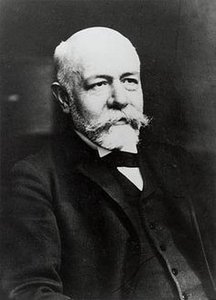
joseph lucien mignon-falize
1839 - 1897 , France
基本情報
- Artistic Movement Or Style: Art Nouveau
- Artists Or Movements Influenced By This Artist:
- Tiffany's
- Boucheron
- Artists Who Influenced This Artist:
- Owen Jones
- Alfred Darcel
- Date Of Birth: August 4, 1839
- Date Of Death: September 4, 1897
- Full Name: Joseph Lucien Mignon-Falize
- Nationality: French
- Notable Artworks:
- La Falize - Sheep
- La Falize - Goblet
- Place Of Birth: Paris, France