 プレビュー
プレビュー
 シェアする
シェアする シェアする
シェアする
 詳細を見る
詳細を見る

 ダウンロード
 似ている作品
 X線調査
X線調査 スライドショー
 統計情報
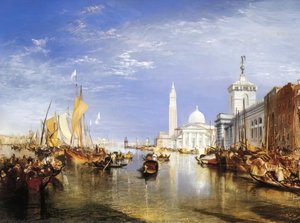
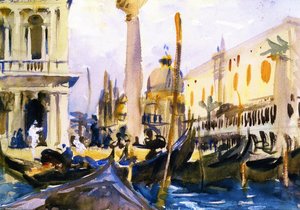
統計情報ヴェネツィア:ドゥカーレ宮殿(ドガーナ)とサン・ジョルジョ・マッジョーレ


 詳細を見る
詳細を見る
手描き油彩複製画
当社のアーティストが、お客様のご希望のサイズと額縁に合わせて、キャンバスに手描きで制作する油彩画です。 ( プリント版に切り替え デジタル画像販売へ切り替え)




P118B $10

P118H $10

P118W $10

P438Z $10

P508JH $12

P508YH $12

P805H $10

P805Z $10

P919BZ $10

P919G $10

P919XJ $10

P959ZH $10

P968JZ $12

W106C $8

W218G $10

W218JH $8

W218Y $10

W307PJ $10

W316G $10

W316PJ $8

W316Y $10

W398PJ $8

W4111J $10

W500HY $15

W500JH $15

W692G $12

W849H $8

W940BG $15

W953PJ $8




作品のオリジナル比率に合わせた、当店の規定サイズからお選びください。

特定のフレームやスペースに合わせて、ご希望のサイズをご入力いただけます。選択されたサイズが元の画像の比率と異なる場合、アートワークをトリミングするか、手描きで要素を追加して絵画を拡張いたします。デジタルモックアップ を制作し、制作開始前にご確認(承認)をいただきます。
画面上のプレビューは、実際のトリミングや拡張を正確に反映しているものではありません。最終的な構図は、モックアップによってのみ正確にご確認いただけます。
カスタムサイズもご利用いただけますが、元の比率を維持するためには、あらかじめ用意されたリストからサイズを選択することをお勧めいたします。
ご注文後、ArtsDot.com チームより詳細な指示をお送りするとともに、仕上がりイメージ(モックアップ)をご提供いたします。


 ガラスオプションは、110cm未満のサイズでのみご利用いただけます。

ヴェネツィア:ドゥカーレ宮殿(ドガーナ)とサン・ジョルジョ・マッジョーレ
複製技法
複製画のサイズ
-


合計金額
$ 263
光と水の交響曲:ターナーが描いたヴェネツィアを辿る
1834年に描かれたウィリアム・ターナーの「ヴェネツィア:ドゥカーレ宮殿(ドガーナ)とサン・ジョルジョ・マッジョレ」は、単なる写実的な描写を超越し、ロマン主義の精神そのものを体現しています。ワシントンD.C.のナショナル・ギャラリーに収蔵されているこのキャンバスは、単なるヴェネツィアの港の記録ではありません。それは、観る者をターナーの芸術的ヴィジョンの核心へと誘い込む、没入型の体験なのです。本作は彼の全作品の中でも金字塔であり、大気の状態をキャンバスへと翻訳する比類なき能力の証として、イギリス美術史における「光の巨匠」としての地位を不動のものにしています。 ターナーの天才性は、単に自然を観察することにあるのではなく、それを深く感情的なものへと変容させる点にありました。彼は、モネやルノワールが印象派という運動を正式に確立する数十年も前から、後に印象派の代名詞となる技法、すなわち「大気派的印象主義」を用いていました。薄く塗り重ねられた油彩の層は、色彩と輝きの微細な階調を捉えるために緻密に混ざり合い、かつて誰も目にしたことのないような奥行きと動きの錯覚を生み出しています。ターナーが正確な細部描写をあえて避け、ヴェネツィアのラグーンに漂う立ち込める霧を、ターコイズやエメラルドグリーンの揺らめくリボンのように描き出した点に注目してください。この意図的な形態のぼかしこそが極めて重要であり、事実としての正確さよりも感情の伝達を優先させることで、主観的な経験を重んじたロマン主義の関心を反映しているのです。 ターナーの多作な時期に描かれたこの「ヴェネツィア」には、産業革命や科学的探究に直面していたヴィクトリア朝時代のイギリスの不安と熱望が投影されています。当時のヴェネツィア自体も、ロシアやイギリスといった新興帝国の台頭により、海上勢力としての緩やかな衰退の中にありました。しかし、それでもなお、この街は壮麗なオーラと芸術的遺産を保持しており、それが芸術家たちの想像力をかき立てる魅力となっていたのです。ヴェネツィアの商業と行政を象徴するドガーナの建物は、過去の栄光と現在の脆弱さの両方を象徴しています。同時に、鐘楼とともにそびえ立つサン・ジョルジョ・マッジョレ教会は、社会の変化の中における精神的な回復力を体現しています。ターナーはこれらの要素を巧みに構図に組み込み、時間、記憶、そして伝統の不朽の美に関する物語を、静かに語りかけてくるのです。 卓越した技法や歴史的背景を超えて、「ヴェネツィア」には深い象徴性が込められています。ターナーの執着とも言える「光」が画面を支配しており、それは単なる照明としての役割を超え、神聖な存在や精神的な超越を表現しています。雲の間から差し込む斑状の陽光は、港に劇的な影を落とし、建物や船の輪郭を際立たせます。この光と影の相互作用は、単に審美的に美しいだけでなく、目に見える世界と、信仰や想像力という目に見えない領域が並置される、存在の本質的な二面性を象徴しています。ターナーによる意図的な色彩の使用は、この象徴性をさらに強固なものとし、静寂と驚嘆の感情を呼び起こす色調を用いています。 最終的に、「ヴェネツィア」は観る者の心に深い感情的反応を引き起こすことに成功しています。この絵画は「崇高(サブライム)」――自然の巨大さと力に直面したときに抱く、畏怖と恐怖が入り混じった感情――を捉えています。ターナーは安らぎや安心感を与えるのではなく、むしろ永遠という背景を前にした、私たち自身のちっぽけさを熟考させるのです。しかし、その不安感の中には、否定しがたい美しさが存在しています。それは、鑑賞した後も長く記憶に残り続ける、光り輝くヴェネツィアの描写です。本作は、超越への憧れを抱くロマン主義の精神と、芸術は人間体験の最も深い淵をも照らし出すことができるという信念を雄弁に物語っています。関連作品
アーティストの略歴
The Luminary of Light: A Journey Through the Life and Art of J.M.W. Turner
Joseph Mallord William Turner, a name synonymous with the sublime power of landscape and the evocative dance of light, remains one of Britain’s most celebrated and influential artists. Born in Covent Garden, London, in 1775, Turner's journey from a barber’s son to a master painter was fueled by an innate talent, relentless dedication, and a visionary spirit that would forever alter the course of art history. From his earliest days sketching architectural details to his later, almost abstract explorations of atmosphere and color, Turner consistently pushed the boundaries of artistic expression. His formal training began at the Royal Academy Schools in 1789, where he quickly distinguished himself as a promising student. However, Turner was not content with merely replicating established styles; he sought to capture the very essence of nature – its raw power, its fleeting beauty, and its inherent drama. Early works reveal a meticulous attention to topographical detail, reflecting the prevailing artistic tastes of the time. Yet, even in these early pieces, hints of his future direction are visible—a sensitivity to light and shadow, a willingness to experiment with color, and an emerging fascination with the sublime. He was particularly drawn to the Dutch Golden Age painting style, absorbing influences from artists like Rembrandt and Vermeer.The Evolution of a Visionary: From Topography to Transcendence
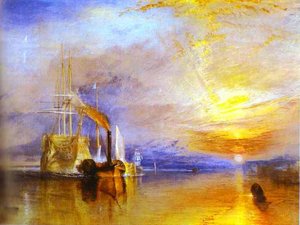
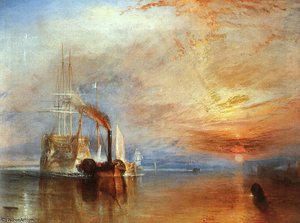
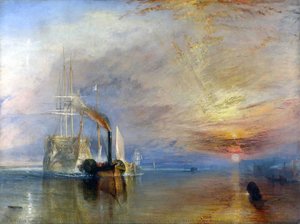
Turner’s artistic development was marked by constant experimentation and a growing desire to move beyond mere representation. Influenced by masters like Claude Lorrain and J.M.W. Cozens, he began to infuse his landscapes with a romantic sensibility, emphasizing emotional response over precise depiction. His travels throughout Europe, beginning in 1802, proved pivotal, exposing him to diverse landscapes and inspiring new approaches to composition and color. He wasn’t simply recording what he saw; he was interpreting it through the lens of his own unique vision. These expeditions took him to Italy, Switzerland, Germany, and Norway, where he meticulously documented breathtaking vistas and absorbed inspiration from local artistic traditions. The early 19th century witnessed a shift in Turner's style towards greater expressiveness. His seascapes, in particular, became increasingly dramatic, capturing the fury and majesty of the ocean with unprecedented intensity. Paintings like “The Fighting Temeraire Tugged to Her Last Berth to Be Broken Up” (1839) are not merely depictions of a ship being towed to its final resting place; they are poignant meditations on mortality, loss, and the relentless march of progress. The use of light in this work is particularly striking—a golden sunset casting a melancholic glow over the scene, symbolizing the passing of an era. Turner skillfully employed dramatic chiaroscuro techniques, highlighting the interplay between darkness and illumination to heighten emotional impact.A Master of Atmosphere: Light, Color, and the Sublime
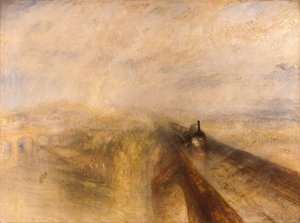
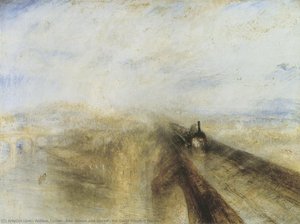
Turner’s later works are characterized by an almost radical departure from traditional artistic conventions. He increasingly prioritized atmosphere and color over form and detail, creating paintings that seem to dissolve into pure light and energy. Works like “Rain, Steam and Speed – The Great Western Railway” (1844) exemplify this approach—a swirling vortex of color and motion that captures the dynamism of the industrial age. Critics were often baffled by these later works, but their influence on subsequent generations of artists would prove profound. He was a pioneer in exploring the effects of light and atmosphere, anticipating the Impressionists’ focus on capturing fleeting moments and subjective perceptions. His use of color was equally innovative—bold, vibrant hues applied with loose brushstrokes to create a sense of movement and energy. Turner wasn't simply painting landscapes; he was attempting to convey the very *feeling* of being in nature – the awe, the wonder, the terror.Turner’s unwavering commitment to artistic vision cemented his place as one of Britain’s greatest painters. He established himself as a leading figure in the Romantic movement, shaping its aesthetic sensibilities and inspiring countless artists who followed in his wake. His legacy continues to resonate today, reminding us that art can transcend mere representation—that it can capture the sublime beauty of the natural world and evoke profound emotional responses.
Notable Works & Collections
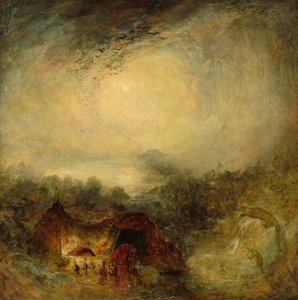
- The Morning After the Deluge (1843): A powerful depiction of nature’s forces, housed in the Tate Collection, London.
- Chichester Canal (1828): Commissioned by George Wyndham, currently at the Tate Collection.
- Ruins of Tintern Abbey: A stunning watercolor showcasing his mastery of light and atmosphere, found in the Calouste Gulbenkian Museum (Lisboa, Portugal).
- The Fighting Temeraire Tugged to Her Last Berth to Be Broken Up (1839): A poignant masterpiece exploring themes of loss and change.
- Rain, Steam and Speed – The Great Western Railway (1844): Capturing the dynamism of the industrial age with swirling color and motion.
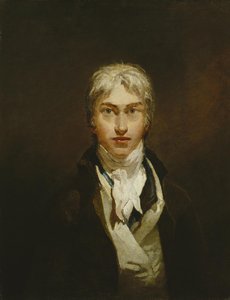
ウィリアム・ターナー
1775 - 1851 , イギリス
基本情報
- Artistic Movement Or Style: ロマン主義絵画
- Artists Or Movements Influenced By This Artist: ['クロード・ローラン']
- Date Of Birth: 1775年4月23日
- Date Of Death: 1851年12月19日
- Full Name: ジョゼフ・マロード・ウィリアム・ターナー
- Nationality: イギリス人
- Notable Artworks:
- 嵐 - グレート・ウェスタン鉄道
- 戦闘テメライア
- Place Of Birth: ロンドン、イギリス
関連記事

ジャコポ・ティンコレット:至高の25選 – ヴェネツィア巨匠のドラマと光の世界 | ArtsDot
ジャコポ・ティンコレットの至高の25選。ドラマと光の世界を彩るヴェネツィア派巨匠の名画を紐解きます。ルネサンス絵画からバロック絵画まで、ArtsDotで高品質な複製画やインテリアアートを見つけましょう。傑作コレクションをオンラインで探求してください。

写真プリントによるカスタムデジタル絵画:オリジナル作品の情感と耐久性を超える表現力
オリジナル作品の情感を損なわずに、高解像度で耐久性に優れたカスタムデジタル絵画を制作します。プロのアーティストによる手作業仕上げ。ArtsDot.comで、特別なアート体験を。
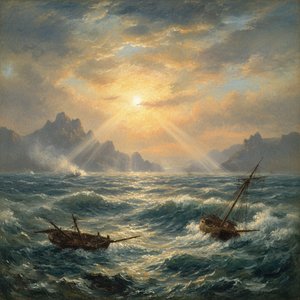
J.M.W. Turner: Light, Atmosphere & the Romantic Sublime
Explore the life & art of J.M.W. Turner, a master of Romantic landscape painting. Discover his innovative techniques, key works, and lasting influence on Impressionism. Find high-quality reproductions at ArtsDot.
油彩、キャンバス、紙による芸術的再現:技法と鑑賞の深淵を探る
油彩、キャンバス、紙を用いた芸術的再現の技法を深く探求。古典絵画の材料研究からオールドマスターの視点まで、ArtsDotが美術史と実践的な知識を提供します。高品質な手描き複製やカスタムポートレートも承ります。

From Initial Sketch to Enduring Legacy: A Comprehensive Exploration of the Oil Painting Reproduction Process
Discover the art of museum-quality oil painting reproduction. Explore our expert process, skilled artists & authentic replicas. Elevate your home with timeless beauty – handcrafted and customized to your vision.