

 プリントを購入
 シェアする
シェアする シェアする
シェアする
 詳細を見る
詳細を見る

 ダウンロード
 似ている作品
 スライドショー
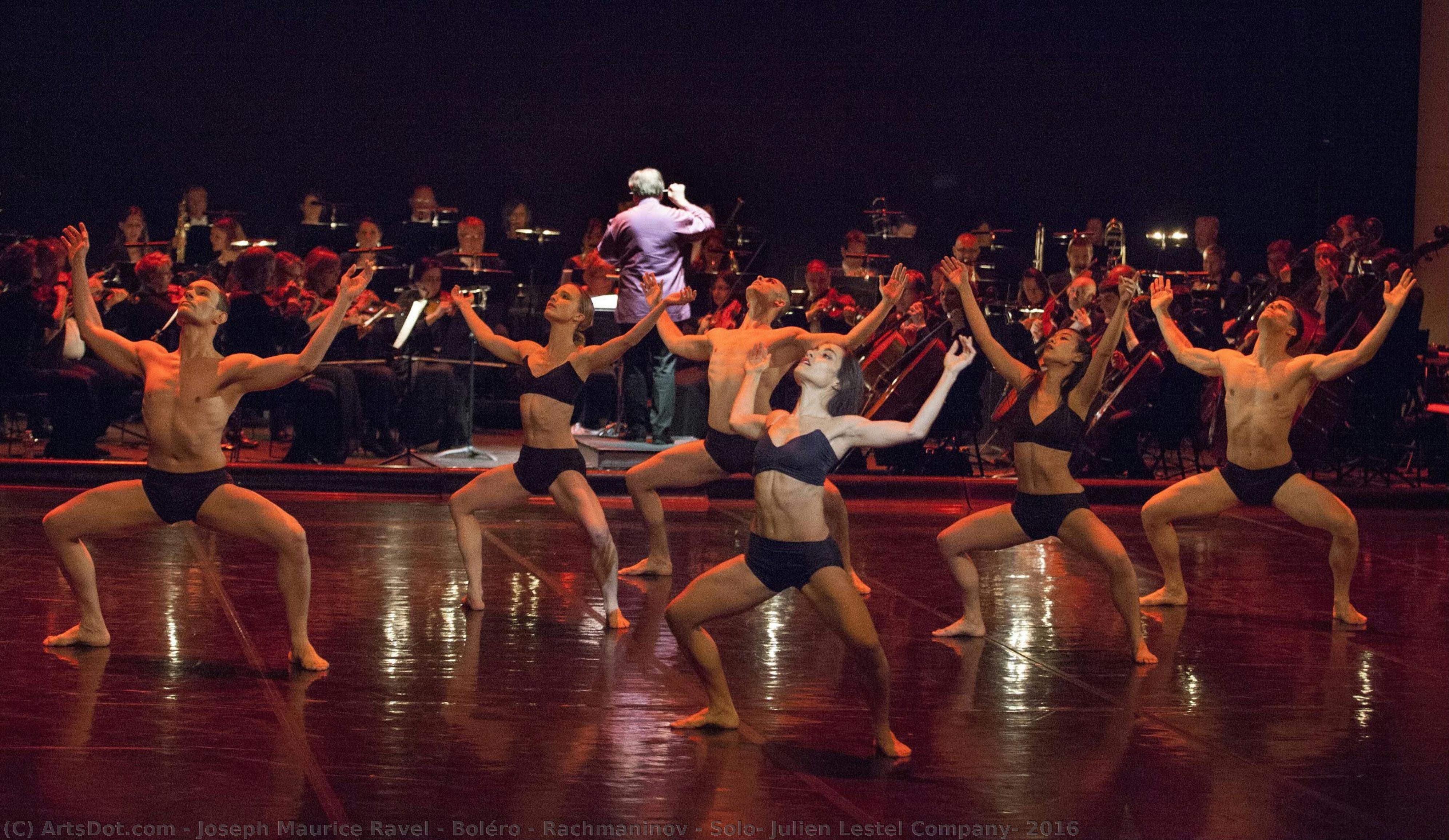
Boléro / Rachmaninov / Solo, Julien Lestel Company, 2016


 詳細を見る
詳細を見る




































作品のオリジナル比率に合わせた、当店の規定サイズからお選びください。

特定のフレームやスペースに合わせて、ご希望のサイズをご入力いただけます。選択されたサイズが元の画像の比率と異なる場合、アートワークをトリミングするか、手描きで要素を追加して絵画を拡張いたします。デジタルモックアップ を制作し、制作開始前にご確認(承認)をいただきます。
画面上のプレビューは、実際のトリミングや拡張を正確に反映しているものではありません。最終的な構図は、モックアップによってのみ正確にご確認いただけます。
カスタムサイズもご利用いただけますが、元の比率を維持するためには、あらかじめ用意されたリストからサイズを選択することをお勧めいたします。
ご注文後、ArtsDot.com チームより詳細な指示をお送りするとともに、仕上がりイメージ(モックアップ)をご提供いたします。


 ガラスオプションは、110cm未満のサイズでのみご利用いただけます。

Boléro / Rachmaninov / Solo, Julien Lestel Company, 2016
複製技法
複製画のサイズ
-


合計金額
$ 263
A Symphony in Motion: Capturing the Essence of Boléro
In this breathtaking black and white photograph, the stage becomes a canvas where rhythm and movement coalesce into a singular, powerful vision. Captured during a 2016 performance by the Julien Lestel Company, the image serves as a visual echo of Maurice Ravel’s legendary score. The composition is a masterclass in depth and layering; in the foreground, dancers are frozen in moments of intense physical expression, their bodies sculpted by light and shadow. Behind them, the presence of a live orchestra provides a structural foundation to the scene, reminding the viewer that this art is not merely seen, but heard through the very pulse of the movement. The monochromatic palette strips away the distraction of color, forcing the eye to focus on the raw geometry of the dancers' poses and the dramatic interplay of light across the stage.
The technical brilliance of this piece lies in its ability to translate auditory crescendo into visual tension. As Ravel’s Boléro is famous for its relentless, hypnotic build-up, the photograph mirrors this through the arrangement of the performers. Some dancers are positioned in the spotlight, their silhouettes sharp and commanding, while others recede into a soft, atmospheric blur, creating a sense of infinite motion. This technique evokes the feeling of a swelling crescendo, where the energy of the ensemble seems to expand outward toward the viewer. For the collector or interior designer, this image offers a sophisticated way to introduce dynamic energy into a space, acting as a focal point that commands attention through its sheer kinetic grace.
Beyond the physical spectacle, there is a profound sense of historical and emotional continuity within the frame. The photograph bridges the gap between the early 20th-century Impressionist era of Ravel’s composition and the contemporary vitality of modern ballet. There is a haunting beauty in the way the musicians—the violinists and instrumentalists—are integrated into the dance, suggesting that the music and the movement are inseparable entities. This piece does more than document a performance; it captures the soul of a masterpiece. It invites the observer to feel the tension, the discipline, and the passion inherent in the art of ballet, making it an evocative choice for those looking to adorn their collections with works that resonate with timeless elegance and dramatic intensity.
関連作品
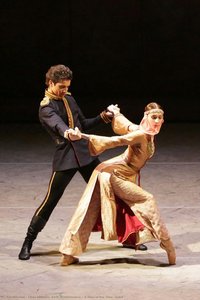
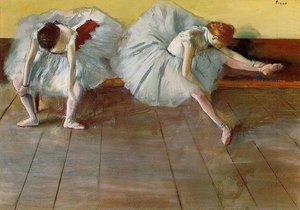
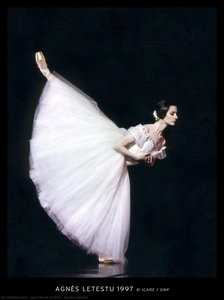
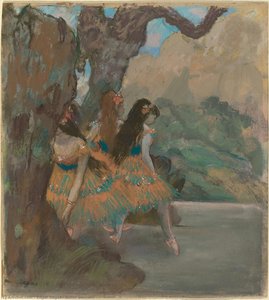
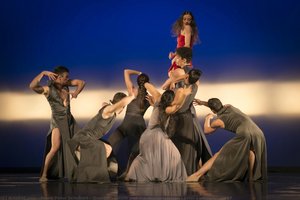
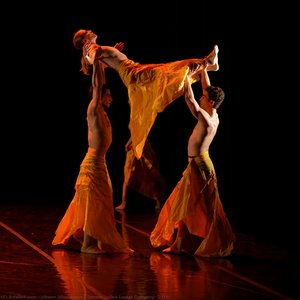
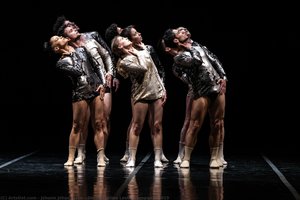
アーティストの略歴
A Life Immersed in Sound: The World of Maurice Ravel
Maurice Ravel, a name synonymous with shimmering textures and evocative melodies, stands as one of the most beloved composers of the 20th century. Born on March 7, 1875, in Ciboure, a small Basque town near the Spanish border, his origins were far removed from the Parisian salons he would eventually conquer. His father, Pierre-Émile Ravel, was an engineer with inventive inclinations but limited musical talent; his mother, Marie Delattre, possessed a more refined sensibility and nurtured her son’s early passion for music. This duality – a blend of practical ingenuity and artistic sensitivity – perhaps foreshadowed the unique character of Ravel's compositions: meticulously crafted yet brimming with emotional depth. He began piano lessons at age seven, demonstrating an exceptional aptitude that quickly outstripped the capabilities of his initial teachers. Though initially drawn to composers like Chopin and Schumann, he soon sought guidance from more progressive figures, notably Émile Pessard, who instilled in him a rigorous technical foundation. Ravel’s early attempts to enter the Paris Conservatoire were thwarted by his lack of traditional academic credentials; however, he eventually gained admission in 1887, studying composition with Gabriel Fauré. Fauré recognized and encouraged Ravel's distinctive voice, even as it diverged from conventional norms.Early Struggles and the Forging of a Style
The years at the Conservatoire were marked by both intense study and frustrating setbacks. Despite his prodigious talent, Ravel struggled to win prestigious prizes, facing criticism for his unconventional harmonies and reluctance to conform to established expectations. He was dismissed from Fauré’s class after failing an important counterpoint exam, a blow that fueled his determination to forge his own path. This period of relative obscurity proved crucial in the development of his unique style. He immersed himself in diverse musical influences – Spanish folklore, Russian composers like Mussorgsky and Rimsky-Korsakov, and the emerging sounds of jazz – absorbing their essence and transforming them into something entirely new. Ravel’s early works, such as *Pavane pour une infante défunte* (1895) and *Jeux d'eau* (1901), already hint at his characteristic blend of delicate orchestration, subtle harmonic color, and a fascination with atmosphere and suggestion. These pieces, though initially overlooked by the mainstream musical establishment, began to attract attention within avant-garde circles, establishing him as a composer to watch. He deliberately avoided grand operatic forms early in his career, preferring shorter, more intimate works that allowed him to explore nuance and refine his compositional technique.The Zenith of Creativity: Masterpieces and Recognition
The first decade of the 20th century witnessed Ravel’s ascent to international prominence. 1908 proved a pivotal year with the premiere of *Daphnis et Chloé*, a ballet commissioned by Sergei Diaghilev for his Ballets Russes. This lush, evocative score, inspired by Greek pastoral poetry, showcased Ravel's mastery of orchestration and harmonic color, establishing him as a leading figure in French music. The following year brought the premiere of *Ma Mère l’Oye* (Mother Goose), a suite of five piano pieces later orchestrated into a beloved ballet. However, it was *Boléro* (1928) that catapulted Ravel to widespread fame – and notoriety. The piece's relentless rhythmic ostinato and gradual crescendo captivated audiences worldwide, becoming one of the most recognizable orchestral works ever written. Despite its immense popularity, Ravel himself grew ambivalent towards *Boléro*, feeling it overshadowed other aspects of his compositional output. He continued to explore diverse forms throughout his career, composing piano concertos, chamber music, vocal works, and even jazz-influenced pieces like the *Sonatine* (1905) and the *Rhapsodie Espagnole* (1907). His *Concerto pour la main gauche* (Piano Concerto for the Left Hand), written for Paul Wittgenstein after the pianist lost his right arm in World War I, stands as a testament to his ingenuity and compassion.Influences, Development & Historical Significance
Ravel’s musical language was characterized by its exquisite craftsmanship, subtle harmonic color, and evocative atmosphere. He drew inspiration from a wide range of sources – Spanish folklore, Russian composers like Mussorgsky and Rimsky-Korsakov, the Impressionist painters Monet and Debussy, and the emerging sounds of jazz. While often grouped with the Impressionists, Ravel resisted this categorization, emphasizing his commitment to clarity of form and precise orchestration. He saw himself as a craftsman rather than an emotional expressionist, meticulously constructing his works from the ground up.- Spanish Influences: His Basque heritage profoundly shaped his musical sensibility, evident in works like *Rhapsodie Espagnole* and *Boléro*, which incorporate Spanish rhythms and melodies.
- Russian Composers: Mussorgsky’s bold harmonies and Rimsky-Korsakov’s vibrant orchestration inspired Ravel to explore new sonic possibilities.
- Impressionism & Symbolism: The evocative atmospheres of Impressionist painters like Monet and the poetic imagery of Symbolist writers influenced his approach to musical form and expression.
- Jazz: Ravel was fascinated by jazz, incorporating its rhythms and harmonies into works like *Sonatine* and *Anson’s Lullaby*.
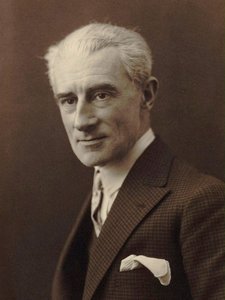
joseph maurice ravel
1875 - 1937 , France
関連記事

White on Canvas: 10 Masterpieces & Timeless Elegance for Your Home Decor
Explore 10 iconic white paintings by Monet, Whistler & Rothko! Discover the stories behind these serene masterpieces and their impact on art history. Find museum-quality reproductions for your home decor at .

Dark Masterpieces: 10 Iconic Paintings Dominated by Black Tones |
Explore 10 iconic paintings dominated by black tones, from Rembrandt’s chiaroscuro to Goya's dark expressions. Discover the stories behind these masterpieces & find museum-quality art reproductions for your home at .

Monochrome Visions: Exploring the Aesthetic & Historical Significance of Black & White Photography
Explore the rich history & artistic power of black and white photography. From early techniques to iconic masters like Ansel Adams, discover why monochrome continues to captivate art lovers today. Expert insights for collectors.
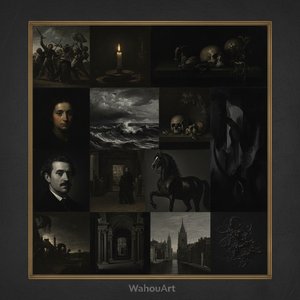
Ivory Black Masters: 10 Paintings That Define Dramatic Art |
Delve into the power of 'Ivory Black' with 10 iconic paintings by masters like Rembrandt & Caravaggio. Explore dramatic chiaroscuro, gothic moods & timeless art history. Find museum-quality reproductions and elevate your home decor at
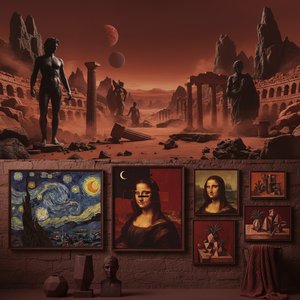
Mars Black Masterpieces: 10 Iconic Paintings & Timeless Art Decor Ideas
Delve into the power of 'Mars Black' with 10 iconic paintings by masters like Rembrandt & Caravaggio. Explore dramatic chiaroscuro, gothic art, and timeless beauty. Find museum-quality reproductions & elevate your home decor on .

