

 プレビュー
プレビュー
 シェアする
シェアする シェアする
シェアする
 詳細を見る
詳細を見る

 ダウンロード
 似ている作品
 X線調査
X線調査 スライドショー
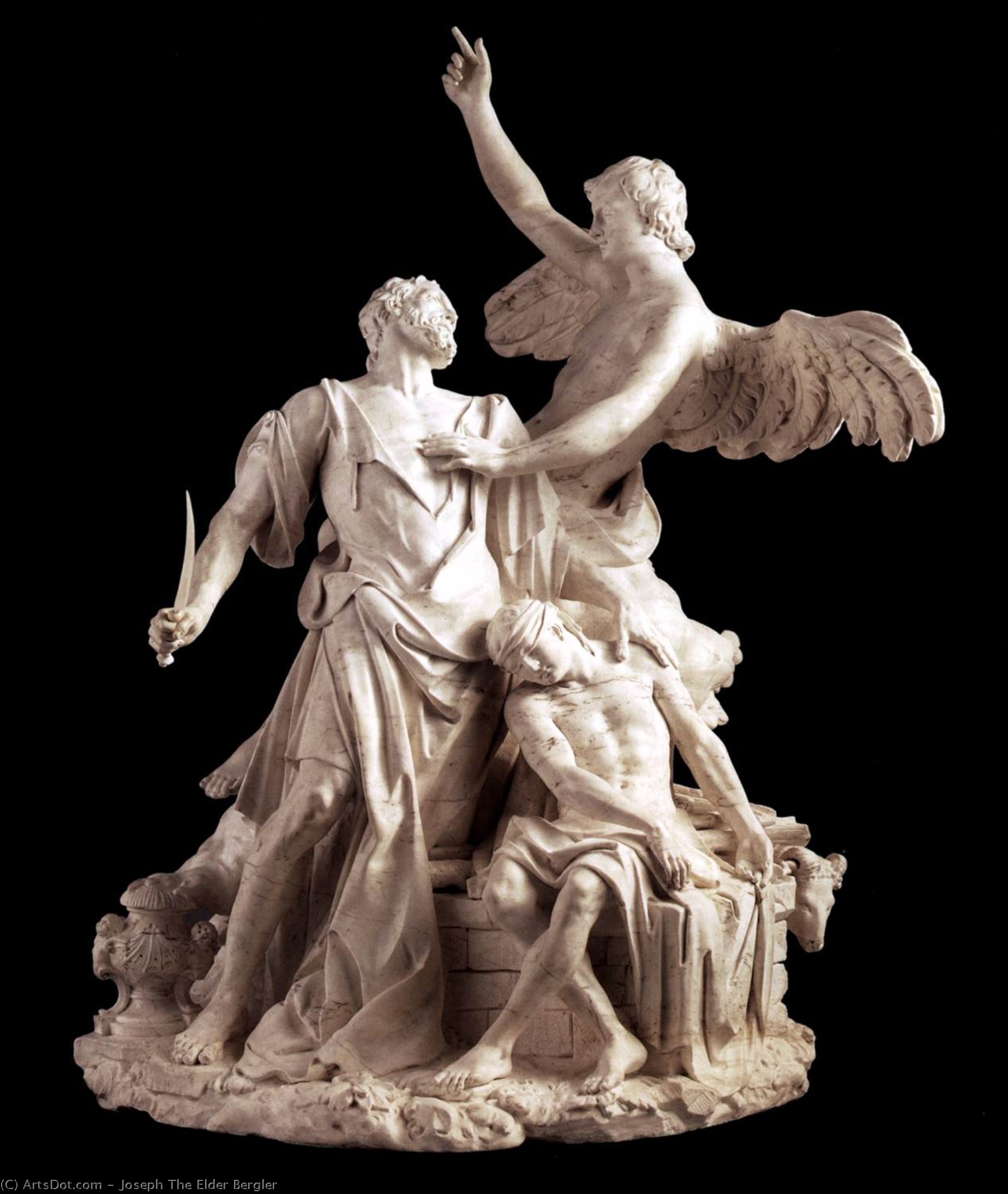
The Sacrifice of Abraham


 詳細を見る
詳細を見る
ジークレー/アートプリント
迅速な制作と多彩な仕上げオプションを備えた、ミュージアムクオリティのジークレーまたはキャンバスプリント。 ( 手描きの絵画を購入 画像を購入)




































作品のオリジナル比率に合わせた、当店の規定サイズからお選びください。

特定のフレームやスペースに合わせて、ご自身でサイズを指定することも可能です。選択されたサイズが元の画像の比率と一致しない場合、作品をトリミングするか、鏡面反射または単色での塗りつぶしによって画像を拡張いたします。制作を開始する前に、ご確認用のデジタルモックアップをお送りいたします。
画面上のプレビューには、実際のトリミングや拡張は反映されませんのでご注意ください。最終的な構図を正確に確認できるのは、モックアップのみとなります。
カスタムサイズも承っておりますが、元の比率を維持するためには、あらかじめ用意されたリストからサイズを選択することをお勧めいたします。


 ガラスオプションは、110cm未満のサイズでのみご利用いただけます。

The Sacrifice of Abraham
ジークレー/アートプリント
複製画のサイズ
-


合計金額
$ 62
関連作品
アーティストの略歴
A Legacy in Stone: The Baroque Vision of Joseph Bergler the Elder
In the heart of the eighteenth century, the artistic landscape of the Austrian Baroque was defined by a profound devotion to religious narrative and sculptural grandeur. At the center of this movement stood Joseph Bergler the Elder (1718–1788), a master whose hands breathed life into stone and wood, creating works that served as spiritual conduits for the faithful. Born into a lineage of craftsmanship in Windischgarsten, Bergler was destined for the chisel; his father, Johann Georg Bergler, was himself a sculptor, ensuring that Joseph’s earliest memories were steeped in the scent of raw materials and the rhythmic strike of the mallet. This familial foundation provided more than just heritage; it offered a direct lineage to the monumental traditions of religious art that would define his entire career.
The refinement of Bergler’s talent took him from the familiar surroundings of his youth to the prestigious studios of Passau in Lower Bavaria. Under the expert tutelage of Lorenz Hörmbler, Bergler underwent a rigorous apprenticeship that bridged the gap between raw skill and high artistry. It was during these formative years that he mastered the intricate language of classical proportions and the dramatic complexities of Baroque drapery. This period of intense study allowed him to develop a stylistic sensibility characterized by an expressive tension—a way of capturing movement and emotion within the stillness of sculpture. His partnership with Hörmbler would later become one of the most significant collaborations in the region, as they worked in tandem to elevate the aesthetic standards of Salzburg’s sacred spaces.
The Sacred Landscapes of Salzburg
Perhaps no achievement looms larger in Bergler’s biography than his transformative work on the Kapuzinerberg Calvary Chapels in Salzburg. This monumental undertaking, a series of thirteen oratories tracing the Stations of the Cross, stands as a testament to his ability to merge landscape with liturgy. Walking through these chapels, one encounters a profound theatricality; Bergler’s figures are not merely static icons but are imbued with an anatomical precision and a sense of pathos that compels the viewer to participate in the Passion. Through his mastery of gesture and the heavy, emotive folds of sculpted cloth, he turned the rugged hills of the Kapuzinerberg into a stage for divine drama.
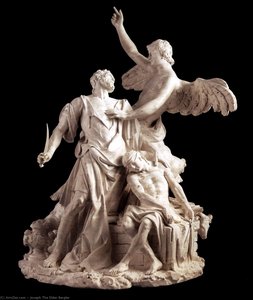
Beyond these chapels, Bergler’s reach extended across the borders of Bavaria, where his versatility as an artist allowed him to navigate various stylistic demands. He was a sought-after creator of altarpieces, commissioned by churches to provide focal points for worship that were both visually breathtaking and doctrinally significant. One of his most celebrated individual triumphs is 'The Sacrifice of Abraham' (1753). This exquisite statue, standing at sixty-two centimeters, captures a moment of intense spiritual crisis and divine intervention with a delicate balance of tension and grace. Currently housed in the Gartenpalais Liechtenstein in Vienna, the work remains a poignant reminder of his ability to distill complex theological narratives into singular, powerful forms.
A Lasting Impression on Art History
The significance of Joseph Bergler the Elder extends far beyond the physical boundaries of his sculptures. His life represented a bridge between the heavy, emotive traditions of the early Baroque and the more refined sensibilities that would follow. Furthermore, his influence was passed down through the generations; he served as the primary instructor for his son, Joseph Bergler the Younger, who would go on to become a celebrated painter and the director of the Prague Academy. In this way, the elder Bergler’s dedication to classical technique and religious expression became part of a broader European artistic evolution.
As we reflect on his life, we see an artist whose work was inseparable from the spiritual pulse of his time. Whether working in the Old Bishop's Residence in Passau or decorating the hillsides of Salzburg, Bergler’s mission remained constant: to use the permanence of sculpture to capture the fleeting intensity of faith. His legacy survives not only in the stone figures that still grace the chapels of Austria but in the very way we understand the power of the Baroque to move the human soul through the mastery of form and light.
joseph the elder bergler
1718 - 1788 , Austria
基本情報
- Artistic Movement Or Style: Baroque
- Artists Or Movements Influenced By This Artist: ['Lorenz Hörmbler']
- Date Of Birth: 1718
- Full Name: Joseph Bergler the Elder
- Nationality: Austrian
- Notable Artworks: ['The Sacrifice of Abraham']
- Place Of Birth: Windischgarsten, Austria

