

 プレビュー
プレビュー
 シェアする
シェアする シェアする
シェアする
 詳細を見る
詳細を見る

 ダウンロード
 似ている作品
 X線調査
X線調査 スライドショー
 Stats
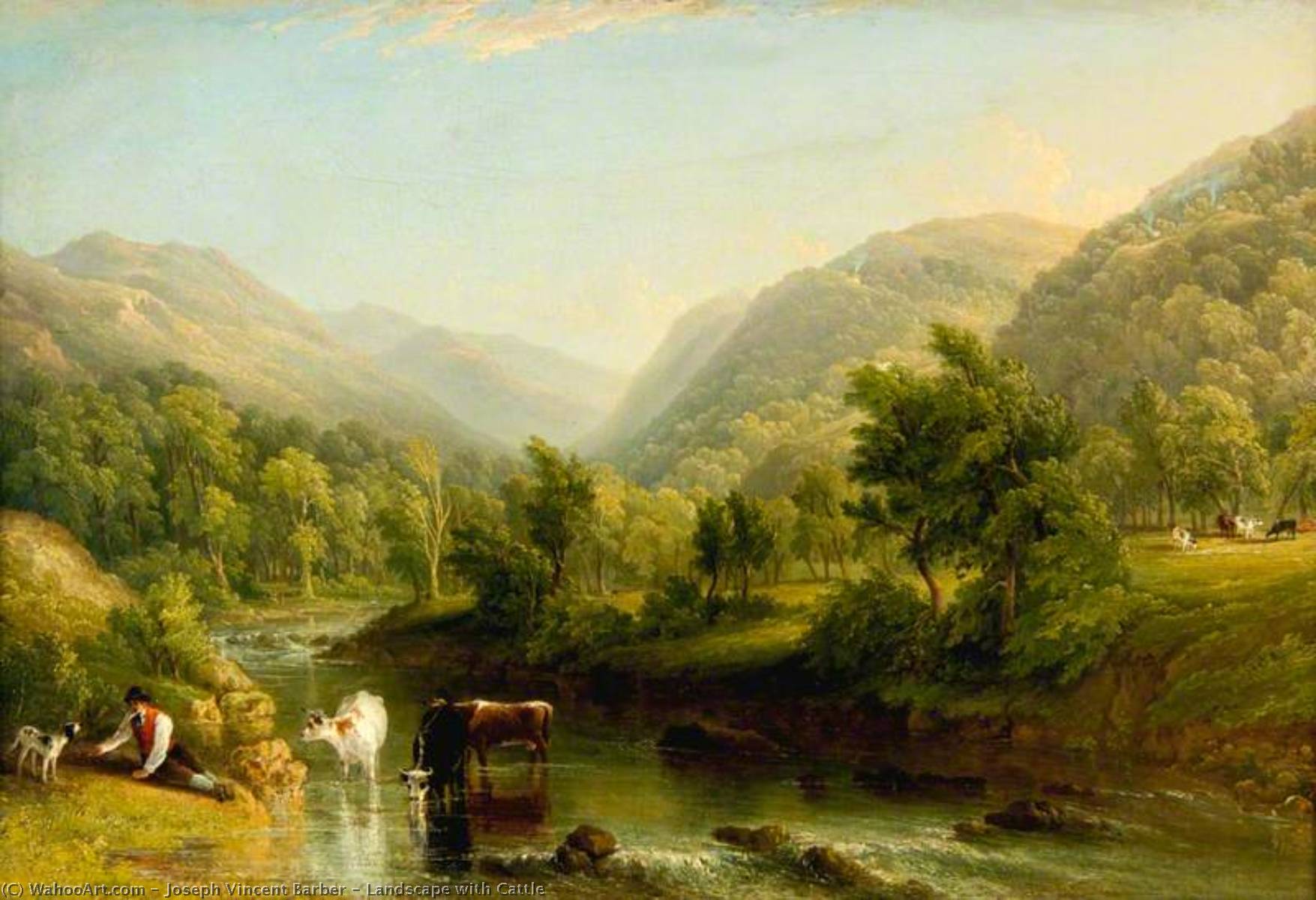
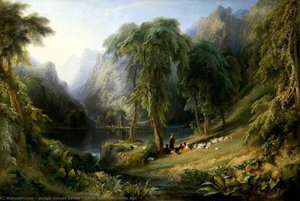
StatsLandscape with Cattle
 33.0 x 48.0 cm
 詳細を見る
詳細を見る
手描き油彩複製画
当社のアーティストが、お客様のご希望のサイズと額縁に合わせて、キャンバスに手描きで制作する油彩画です。 ( Switch to Print Switch to Digital Image)




































作品のオリジナル比率に合わせた、当店の規定サイズからお選びください。

特定のフレームやスペースに合わせて、ご希望のサイズをご入力いただけます。選択されたサイズが元の画像の比率と異なる場合、アートワークをトリミングするか、手描きで要素を追加して絵画を拡張いたします。デジタルモックアップ を制作し、制作開始前にご確認(承認)をいただきます。
画面上のプレビューは、実際のトリミングや拡張を正確に反映しているものではありません。最終的な構図は、モックアップによってのみ正確にご確認いただけます。
カスタムサイズもご利用いただけますが、元の比率を維持するためには、あらかじめ用意されたリストからサイズを選択することをお勧めいたします。
ご注文後、ArtsDot.com チームより詳細な指示をお送りするとともに、仕上がりイメージ(モックアップ)をご提供いたします。


 ガラスオプションは、110cm未満のサイズでのみご利用いただけます。

Landscape with Cattle
複製技法
複製画のサイズ
-


合計金額
$ 263
関連作品



アーティストの略歴
Joseph Vincent Barber: A Birmingham Landscape Master
Born in the heart of industrial Birmingham in 1788, Joseph Vincent Barber’s life was inextricably linked to the burgeoning artistic landscape of his time. The son of a drawing master, Joseph Barber (the elder), and a talented artist himself, young Vincent inherited not just a family legacy but also an innate passion for capturing the beauty of the English countryside. His early years were spent immersed in the world of art, meticulously honing his skills under his father’s tutelage at their academy on Great Charles Street – a pivotal institution that would ultimately shape the trajectory of Birmingham's artistic development.
Barber’s artistic journey began with a focus on decorative arts, assisting his father in producing intricate papier-mâché and japanned goods. However, it was his burgeoning talent for landscape painting that truly set him apart. He quickly transitioned to capturing the serene beauty of the Warwickshire and Staffordshire countryside – scenes rendered with a remarkable sensitivity to light, color, and atmosphere. His early works, exhibited at the Royal Academy between 1812 and 1830, showcased a distinct style characterized by delicate brushwork, subtle tonal variations, and an almost melancholic appreciation for the natural world.
The Formation of the Birmingham School of Art
A defining moment in Barber’s career came in 1809 with the establishment of his own academy of life drawing. Recognizing a gap in the artistic training available at the time, he partnered with his brother, Charles Barber, and Samuel Lines – another former pupil of his father – to create an alternative space for aspiring artists. This venture quickly evolved into a thriving institution, attracting students from across the region and laying the foundation for what would become known as the Birmingham School of Art. Barber’s influence extended far beyond simply providing instruction; he fostered a spirit of experimentation and innovation, encouraging his students to develop their own unique voices within the established artistic traditions.
The academy's success led to the formation of a separate society dedicated to landscape painting – the Royal Birmingham Society of Artists. This marked a significant step in establishing Birmingham as a recognized center for art production. Barber’s commitment to nurturing talent and promoting artistic excellence cemented his legacy as a key figure in shaping the city’s cultural identity.
Style and Technique
Barber's paintings are characterized by a quiet elegance and a profound connection to the natural world. He eschewed dramatic, theatrical compositions in favor of understated scenes that captured the subtle nuances of light and shadow. His palette was predominantly muted – dominated by greens, browns, and blues – reflecting his preference for depicting the subdued beauty of rural landscapes. He employed a delicate brushstroke, layering thin washes of color to create atmospheric effects and conveying a sense of depth and perspective.
His depictions of cattle, often rendered in expansive fields under vast skies, are particularly notable for their serene quality and evocative mood. These paintings weren’t merely representations of livestock; they were imbued with a sense of timelessness and tranquility – reflecting Barber's deep appreciation for the rhythms of rural life.
Later Years and Legacy
As he approached retirement in 1837, Barber embarked on a journey to Italy, seeking inspiration from the landscapes of the Mediterranean. Sadly, his travels were cut short by illness; he succumbed to malaria in Rome in 1838 at the age of fifty. Despite his untimely death, Barber’s artistic legacy endured. His paintings continue to be admired for their quiet beauty and technical skill, and his role as a founder of the Birmingham School of Art remains central to the city's artistic heritage.
Barber’s work is now housed in prominent collections across England, including the British Museum, the Victoria and Albert Museum, and the Birmingham Museum and Art Gallery. His paintings offer a poignant glimpse into a bygone era – a time when artists sought solace and inspiration in the beauty of the English countryside, and when Birmingham was emerging as a vibrant center for artistic innovation.
joseph vincent barber
1911 - 2006
基本情報
- Artistic Movement Or Style: British Landscape Painting
- Artists Or Movements Influenced By This Artist: ['Birmingham School of Art']
- Artists Who Influenced This Artist: ['Joseph Barber (father)']
- Date Of Birth: 1788-03-26
- Date Of Death: 1838-09-14
- Full Name: Joseph Vincent Barber
- Nationality: English
- Notable Artworks:
- View of Aston Hall
- Mountain torrent
- Place Of Birth: Birmingham, England