

 プレビュー
プレビュー
 プリントを購入
 シェアする
シェアする シェアする
シェアする
 詳細を見る
詳細を見る

 ダウンロード
 似ている作品
 X線調査
X線調査 スライドショー
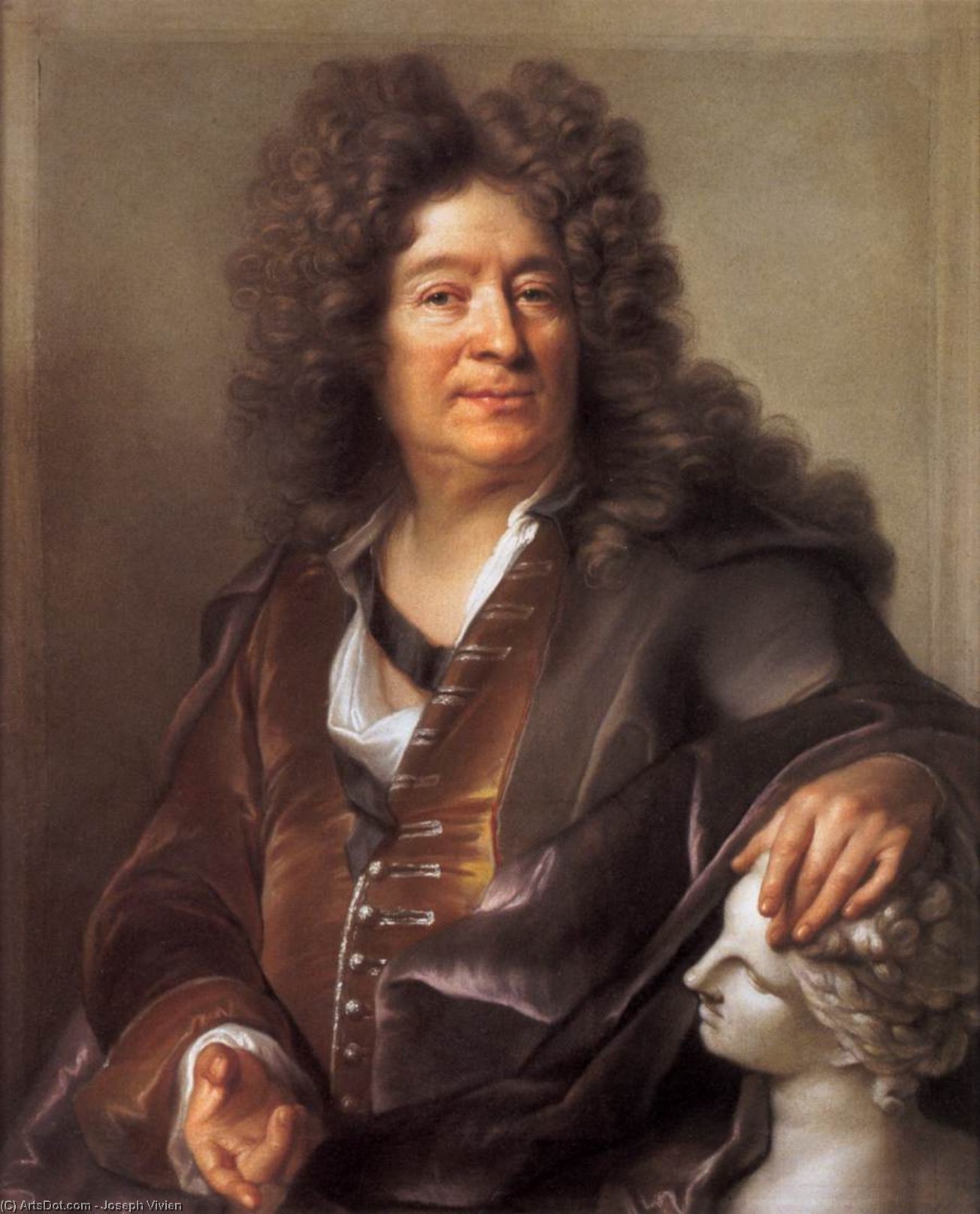
The Sculptor François Girardon
 Acrylic On Canvas
- WallArt
- Baroque
 1701
1701 70.0 x 80.0 cm
 ルーブル美術館
 詳細を見る
詳細を見る
オンラインプレビューをはるかに凌ぐ、高解像度で鮮明なデジタル画像をご購入いただけます。
各ファイルは、社内の専門家が高度なツールと熟練した手作業によるレタッチを用いて、細心の注意を払って準備されています。すべての画像において、卓越した鮮明度、正確な色彩再現性、そして繊細なディテールを保証いたします。
最終ファイルは、プロフェッショナルな編集・印刷環境ですぐにご利用いただけるよう最適化された状態で、72時間以内にメールにてお届けいたします。これは、一流のデザインスタジオ、出版社、ギャラリーから信頼されているものと同等の品質です。
デジタル画像のご注文に付随する特典
高品質なデジタル画像配信を、確かな品質で。
ArtsDot.com を選ぶことは、単に画像を手に入れることではありません。それは、プロの手によって精密に仕上げられ、満足保証が付いた高品質なデジタルアートワークを受け取ることを意味します。ご注文いただいた際に自動的に付随する内容は、以下の通りです:

メールですぐにお届け
ご注文から72時間以内に、高解像度のデジタル画像ファイルがメールでお手元に届きます。すぐにそのままご利用いただけます。

AI技術で最適化されたデジタルファイル
お客様の作品は、高度なAIツールと専門家による手作業の編集を組み合わせてプロフェッショナルに最適化されており、細部のディテール、鮮明さ、そして正確な色再現性を最大限に引き出しています。

一生涯無料の再送サービス
ファイルを誤って削除したり、紛失してしまったりしましたか?ご安心ください。いつでも無料で再送いたします。

輸入手数料は一切かかりません
関税や手数料、配送料を気にすることなく、お気に入りのアートワークをすぐにお楽しみいただけます。デジタルダウンロードは常に免税です。

色彩再現の保証
プロ仕様のツールとカラーマネジメント技術を用いることで、デジタル画像が元の色を最大限に忠実に再現することを保証いたします。

60日間満足保証
ご購入いただいたデジタル画像にご満足いただけない場合は、60日以内であれば、修正または100%の返金(理由を問う必要はありません)をさせていただきます。

100% 返金保証
ご満足いただけない場合は、デジタルファイルを受け取ってから60日以内であれば、理由を問わず全額返金いたします。

まとめ買い割引
3枚購入で10%OFF - 5枚購入で15%OFF - 10枚以上購入で20%OFF。クリエイティブなプロジェクト、ギャラリー、エージェンシーに最適です。
The Sculptor François Girardon: A Master of Light and Emotion
François Girardon’s “The Sculptor François Girardon” is not merely a portrait; it's a carefully constructed tableau vivant, a moment captured in pastel that breathes with an almost palpable sense of intellect and quiet dignity. Painted by Joseph Vivien in 1701, this work transcends the conventions of its time, offering a glimpse into the mind of a pivotal figure in French sculpture – a man who bridged the gap between classical restraint and Baroque exuberance. The image depicts a man with a thoughtful gaze, framed by meticulously rendered curls and a richly textured brown coat. A purple scarf adds a subtle splash of color against the muted tones of his attire, drawing attention to his face—a face that speaks volumes through its directness and inherent composure.
Vivien’s masterful use of pastel is immediately striking. Unlike the heavier oils favored by many contemporaries, pastel allows for an unprecedented luminosity and immediacy. The artist expertly blended pigment with gum arabic and chalk, creating delicate washes of color that capture the subtle nuances of light and shadow. Notice how the highlights dance across his face, illuminating the planes of his cheeks and forehead, while the darker areas create a sense of depth and volume. This technique isn’t simply about representation; it's about conveying texture and emotion—the very essence of human presence. The artist has skillfully rendered the fabric of his coat, hinting at its luxuriousness without resorting to excessive detail, further emphasizing the subject’s refined appearance.
A Portrait Within a Portrait: Context and Influence
To fully appreciate “The Sculptor François Girardon,” it's crucial to understand the artistic climate in which it was created. The early 18th century witnessed a fascinating interplay between classical ideals and Baroque dynamism, particularly within the French court. Girardon himself embodied this synthesis. Trained initially as a woodcarver, he quickly demonstrated an exceptional talent for sculpture, eventually finding his place within Charles Le Brun’s influential atelier – a crucible where artistic sensibilities were honed and refined. Vivien's portrait isn't just a likeness; it’s a reflection of Girardon’s position at the heart of this artistic movement.
The influence of figures like Bernini, whom Vivien encountered during his time in Rome, is subtly present. While rejecting Bernini’s overtly dramatic style, Vivien absorbed the sculptor's emphasis on capturing dynamic movement and emotional intensity. However, he tempered this with a classical restraint, prioritizing clarity of form and anatomical accuracy—qualities evident in Girardon’s own sculptures, such as those adorning the Palace of Versailles. The portrait itself can be seen as an exploration of these tensions – a careful balance between expressive gesture and formal elegance.
Symbolism and the Essence of Craftsmanship
The setting within the portrait—the presence of a statue or bust on Girardon’s right—is laden with symbolic meaning. It immediately establishes his profession, but it also suggests a deeper connection to the world of art itself. The sculpture isn't merely an object; it represents the culmination of Girardon’s craft – a tangible manifestation of his creative vision. The composition invites us to contemplate the relationship between creator and creation, highlighting the transformative power of artistic skill.
Furthermore, the man’s direct gaze—a deliberate challenge to the viewer—suggests an intellectual curiosity and a profound understanding of his own craft. He isn't simply posing for a portrait; he is engaging in a dialogue, inviting us to consider the complexities of artistry and the pursuit of beauty. The subtle smile hints at a quiet satisfaction with his work, a testament to his dedication and skill.
A Timeless Masterpiece: Reproduction and Beyond
Reproduced here in meticulous detail, “The Sculptor François Girardon” retains its original luminosity and emotional depth. ArtsDot’s hand-painted reproductions capture the essence of Vivien's technique, offering a stunning alternative to digital prints. This artwork is more than just decoration; it’s an investment in art history—a tangible connection to a pivotal moment in French artistic heritage. Its timeless appeal makes it a perfect addition to any discerning collection or a striking focal point for interior design.
関連作品
作家の略歴
The Crucible of the Academy
Born in the vibrant streets of Lyon in 1657, Joseph Vivien’s journey was one of profound movement and artistic metamorphosis. At the tender age of twenty, he left his provincial roots behind to seek the intellectual heart of France: Paris. It was here, within the legendary and rigorous atelier of Charles Le Brun, that Vivien’s talent began to coalesce. Immersed in an environment that served as the very epicenter of French academic excellence, he absorbed the technical discipline required of a master. This period of apprenticeship was not merely about learning to hold a brush; it was about absorbing the grand stylistic language of the era, preparing him for a career that would eventually transcend the boundaries of his homeland.His training under Le Brun provided the essential foundation upon which he would build his unique identity. While he learned the classical rigors of the French tradition, Vivien possessed an innate desire to explore textures and light in ways that challenged the static nature of traditional portraiture. This early exposure to the highest levels of French art ensured that when he finally emerged as a master in his own right, he did so with a pedigree that commanded respect from the most influential figures of the age.
A Revolution in Pigment and Light
While many of his contemporaries remained tethered to the heavy, slow-drying traditions of oil painting, Vivien looked toward a more ephemeral and luminous frontier. He became a pioneer of the pastel medium, breathing new life into a technique that had previously lacked the depth of its oil counterparts. By masterfully blending pigments with gum arabic and chalk, he achieved a breathtaking immediacy—a quality of light that seemed to radiate from within the paper itself. This was not merely a technical feat but an emotional one; his portraits possessed a palpable presence, capturing the fleeting nuances of human expression with a vibrancy that felt revolutionary.His ascent within the Académie royale de peinture et de sculpture was nothing short of meteoric. Upon his reception in 1701, he was officially designated as a peintre en pastel, a title that reflected his specialized mastery. This prestigious affiliation granted him access to the most intimate circles of French society, leading to commissions for notable figures such as the sculptor François Girardon and the architect Robert de Cotte. His ability to render skin tones with a soft, lifelike glow and to capture the subtle sheen of silk through pastel alone established him as one of the foremost portraitists of his era.
From Parisian Courts to Bavarian Splendor
The reach of Vivien’s artistry extended far beyond the borders of France, as his reputation for capturing the very soul of his subjects preceded him across Europe. His talent caught the eye of the highest echelons of power, leading to a life defined by royal patronage and international prestige. The invitation from Maximilian Emmanuel, Elector of Bavaria, marked a significant chapter in his biography, as he traveled to Munich to serve as First Painter to the Elector's brother. In this new setting, Vivien’s ability to blend French elegance with the grandeur required for German courtly portraiture allowed him to leave an indelible mark on Bavarian art history.His career was a tapestry of significant achievements that solidified his place in the annals of art:
- Securing prestigious lodging under royal auspices at the Manufactory of Gobelins.
- Serving as a Counselor to the Academy, a testament to his professional standing and influence.
- Establishing a lasting legacy through his mastery of the pastel medium across Europe.
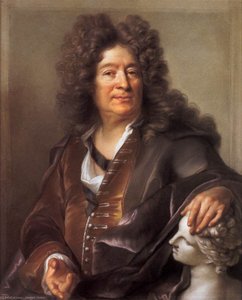
Joseph Vivien
1657 - 1734 , France
プロフィール概要
- Artistic Movement Or Style: Pastoralism
- Artists Or Movements Influenced By This Artist: ['Baroque']
- Artists Who Influenced This Artist: ['Charles Le Brun']
- Date Of Birth: Lyon, France (1657)
- Date Of Death: 1734
- Full Name: Joseph Vivien
- Nationality: French
- Notable Artworks:
- Portrait of Maximilian II, Elector of Bavaria, at the Battle of Mohács against the Turks
- Portrait of Philipp of France
- Charles Albert, elector of Bavaria
- Place Of Birth: Lyon

