

 プレビュー
プレビュー
 プリントを購入
 シェアする
シェアする シェアする
シェアする
 詳細を見る
詳細を見る

 ダウンロード
 似ている作品
 X線調査
X線調査 スライドショー
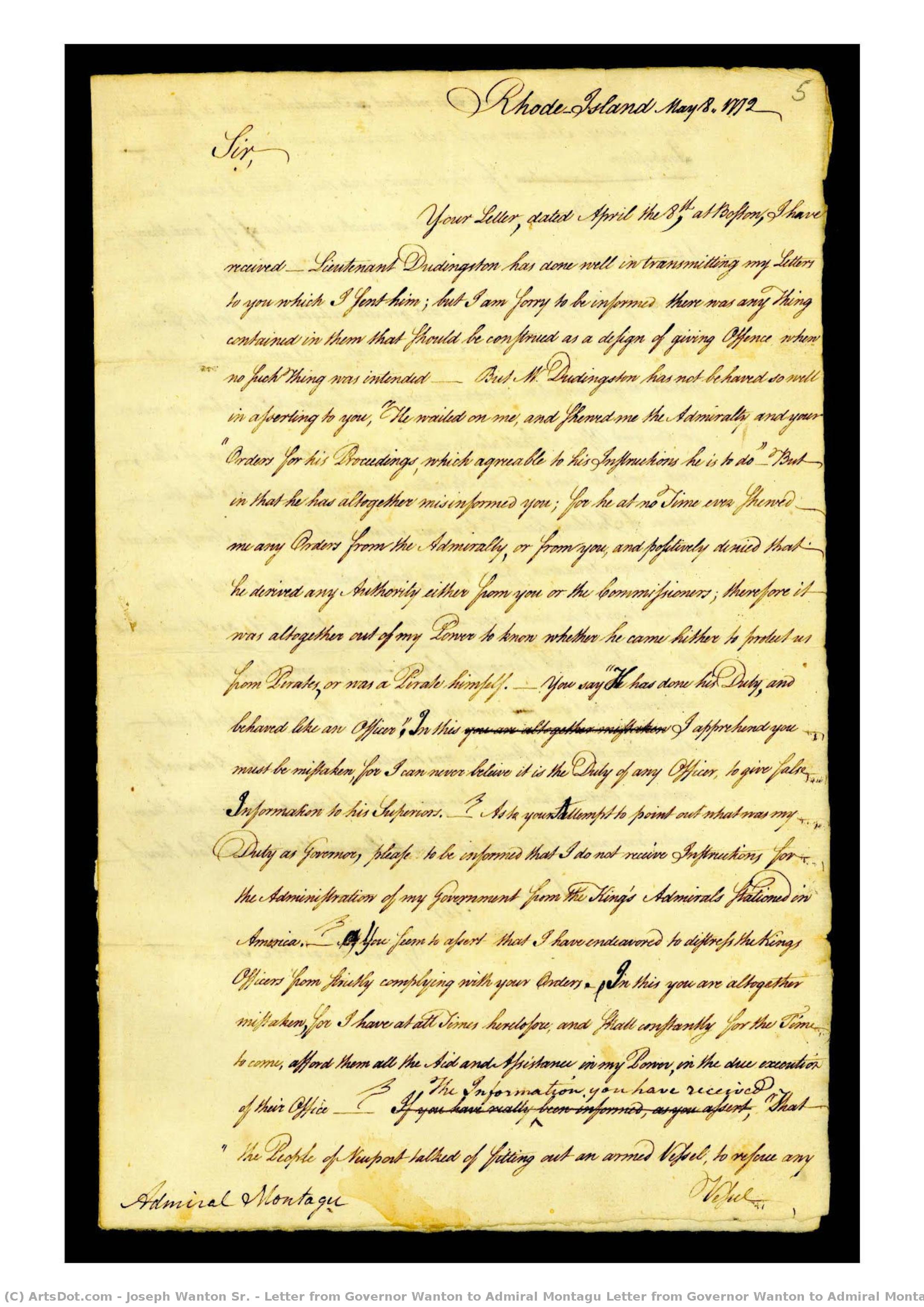
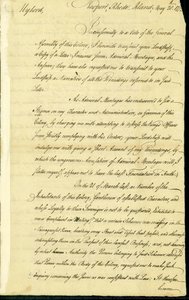
Letter from Governor Wanton to Admiral Montagu Letter from Governor Wanton to Admiral Montagu, page 1

 詳細を見る
詳細を見る
オンラインプレビューをはるかに凌ぐ、高解像度で鮮明なデジタル画像をご購入いただけます。
各ファイルは、社内の専門家が高度なツールと熟練した手作業によるレタッチを用いて、細心の注意を払って準備されています。すべての画像において、卓越した鮮明度、正確な色彩再現性、そして繊細なディテールを保証いたします。
最終ファイルは、プロフェッショナルな編集・印刷環境ですぐにご利用いただけるよう最適化された状態で、72時間以内にメールにてお届けいたします。これは、一流のデザインスタジオ、出版社、ギャラリーから信頼されているものと同等の品質です。
デジタル画像のご注文に付随する特典
高品質なデジタル画像配信を、確かな品質で。
ArtsDot.com を選ぶことは、単に画像を手に入れることではありません。それは、プロの手によって精密に仕上げられ、満足保証が付いた高品質なデジタルアートワークを受け取ることを意味します。ご注文いただいた際に自動的に付随する内容は、以下の通りです:

メールですぐにお届け
ご注文から72時間以内に、高解像度のデジタル画像ファイルがメールでお手元に届きます。すぐにそのままご利用いただけます。

AI技術で最適化されたデジタルファイル
お客様の作品は、高度なAIツールと専門家による手作業の編集を組み合わせてプロフェッショナルに最適化されており、細部のディテール、鮮明さ、そして正確な色再現性を最大限に引き出しています。

一生涯無料の再送サービス
ファイルを誤って削除したり、紛失してしまったりしましたか?ご安心ください。いつでも無料で再送いたします。

輸入手数料は一切かかりません
関税や手数料、配送料を気にすることなく、お気に入りのアートワークをすぐにお楽しみいただけます。デジタルダウンロードは常に免税です。

色彩再現の保証
プロ仕様のツールとカラーマネジメント技術を用いることで、デジタル画像が元の色を最大限に忠実に再現することを保証いたします。

60日間満足保証
ご購入いただいたデジタル画像にご満足いただけない場合は、60日以内であれば、修正または100%の返金(理由を問う必要はありません)をさせていただきます。

100% 返金保証
ご満足いただけない場合は、デジタルファイルを受け取ってから60日以内であれば、理由を問わず全額返金いたします。

まとめ買い割引
3枚購入で10%OFF - 5枚購入で15%OFF - 10枚以上購入で20%OFF。クリエイティブなプロジェクト、ギャラリー、エージェンシーに最適です。
関連作品





作家の略歴
A Life Intertwined with Colonial Currents: Joseph Wanton Sr.
Joseph Wanton Sr., born in Newport, Rhode Island, in 1705, was a figure whose life epitomized the complexities of colonial America. Though not an artist in the traditional sense, his existence became interwoven with artistic representation through depictions like John Greenwood’s lively “Sea Captains Carousing,” and his extensive correspondence provides invaluable insight into the socio-political landscape of 18th-century Rhode Island. Wanton's story isn’t one of brushstrokes and canvases, but rather a narrative etched in mercantile ventures, political maneuvering, and the burgeoning tensions that would ultimately ignite the American Revolution. He emerged from a prominent Quaker family deeply rooted in the colony’s affairs, inheriting both a legacy of influence and a shrewd business acumen. This foundation propelled him into a successful merchant career, navigating the intricate web of colonial trade with skill and ambition. His rise wasn't merely economic; it was a testament to his ability to thrive within the established order while subtly challenging its constraints.From Merchant Prince to Reluctant Governor
Wanton’s ascent continued as he transitioned from successful merchant to governor of Rhode Island in 1769. This appointment placed him squarely at the center of a rapidly escalating conflict between Great Britain and its American colonies. His administration coincided with growing unrest, most notably culminating in the infamous Gaspee Affair of 1772. The burning of the British schooner *Gaspee*, aggressively enforcing trade regulations, became a potent symbol of colonial defiance. Wanton’s response was characteristically cautious yet strategically astute. He skillfully shielded those involved from prosecution by the Crown, demonstrating a commitment to colonial autonomy without necessarily advocating for outright independence. This delicate balancing act reveals a man deeply concerned with preserving stability while acknowledging the legitimate grievances of his constituents. His actions weren't born of radical fervor but rather a pragmatic assessment of the situation and a desire to avoid immediate confrontation. He understood the power dynamics at play and navigated them with a calculated restraint that would define his governorship.Navigating the Tempest: The Road to Revolution
As the specter of revolution loomed larger, Wanton’s cautious approach increasingly clashed with the more radical elements within the Rhode Island General Assembly. While he maintained communication with other colonial governors and contributed to the founding of Brown University (originally New College), his reluctance to embrace armed conflict created friction. He wasn't opposed to reform, but believed a measured response was crucial, fearing that hasty action would lead to disastrous consequences. This position, though perhaps reasonable in its intent, proved untenable as public sentiment shifted towards independence. In 1775, when asked to pledge support for raising an army and commissioning new officers, Wanton refused. This defiance of the assembly’s demands led to his removal from office, replaced by Nicholas Cooke, a figure more aligned with the growing revolutionary zeal. Despite this political setback, Wanton retired peacefully to his Newport home, spared the turmoil of war and living until 1780.A Legacy Beyond Governance: Historical Significance
Joseph Wanton Sr.’s legacy extends beyond his tenure as governor. He offers a valuable lens through which to examine the complexities of colonial governance during a period of immense change. His story highlights the diverse opinions within the colonies regarding independence, demonstrating that not all colonists were ardent revolutionaries. The Gaspee Affair, in which he played a pivotal role, underscores the escalating tensions between Britain and its American possessions. Furthermore, his contribution to the founding of Brown University cemented his place as a benefactor of education and intellectual growth. His surviving letters, meticulously preserved, provide a unique historical record, offering intimate glimpses into 18th-century colonial life. While not celebrated for artistic creation itself, Wanton’s depiction in Greenwood's “Sea Captains Carousing” serves as a visual testament to his prominence within the merchant class and offers a fascinating glimpse into the social dynamics of the era. He remains a significant figure, not as a revolutionary icon, but as a representative of a more cautious, pragmatic approach to navigating the turbulent waters leading to American independence.Artistic Echoes & Enduring Records
Though primarily known for his political and mercantile endeavors, Joseph Wanton Sr.'s connection to the artistic world is embodied in John Greenwood’s “Sea Captains Carousing in Surinam.” This painting, a vibrant snapshot of colonial life, captures Wanton amongst fellow merchants and seafarers engaged in convivial – and somewhat raucous – revelry. The artwork serves as a visual document of the era's social customs and economic pursuits, immortalizing Wanton as a key player within this world. Beyond this pictorial representation, his enduring legacy lies in the wealth of correspondence he left behind. These letters are not merely historical documents; they are windows into the mind of a man grappling with momentous decisions during a pivotal period. They reveal his anxieties, his calculations, and his unwavering commitment to what he believed was best for Rhode Island.- The Gaspee Affair correspondence offers direct insight into his diplomatic efforts.
- His letters regarding the founding of Brown University demonstrate his dedication to education.
- Personal correspondence reveals a nuanced portrait of a man navigating complex family and business relationships.
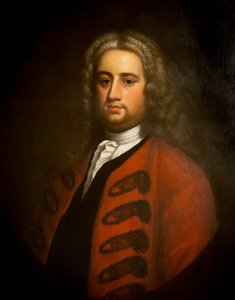
Joseph Wanton Sr.
1705 - 1780 , United States of America
プロフィール概要
- Artistic Movement Or Style: Historical documents
- Date Of Birth: 1705
- Date Of Death: 1780
- Full Name: Joseph Wanton Sr.
- Nationality: American
- Notable Artworks:
- Correspondence w/ Montago
- Letter to Admiral Montagu
- Copy of a letter to Montagu
- Place Of Birth: Newport, USA

