

 プレビュー
プレビュー
 プリントを購入
 シェアする
シェアする シェアする
シェアする
 詳細を見る
詳細を見る

 ダウンロード
 似ている作品
 X線調査
X線調査 スライドショー
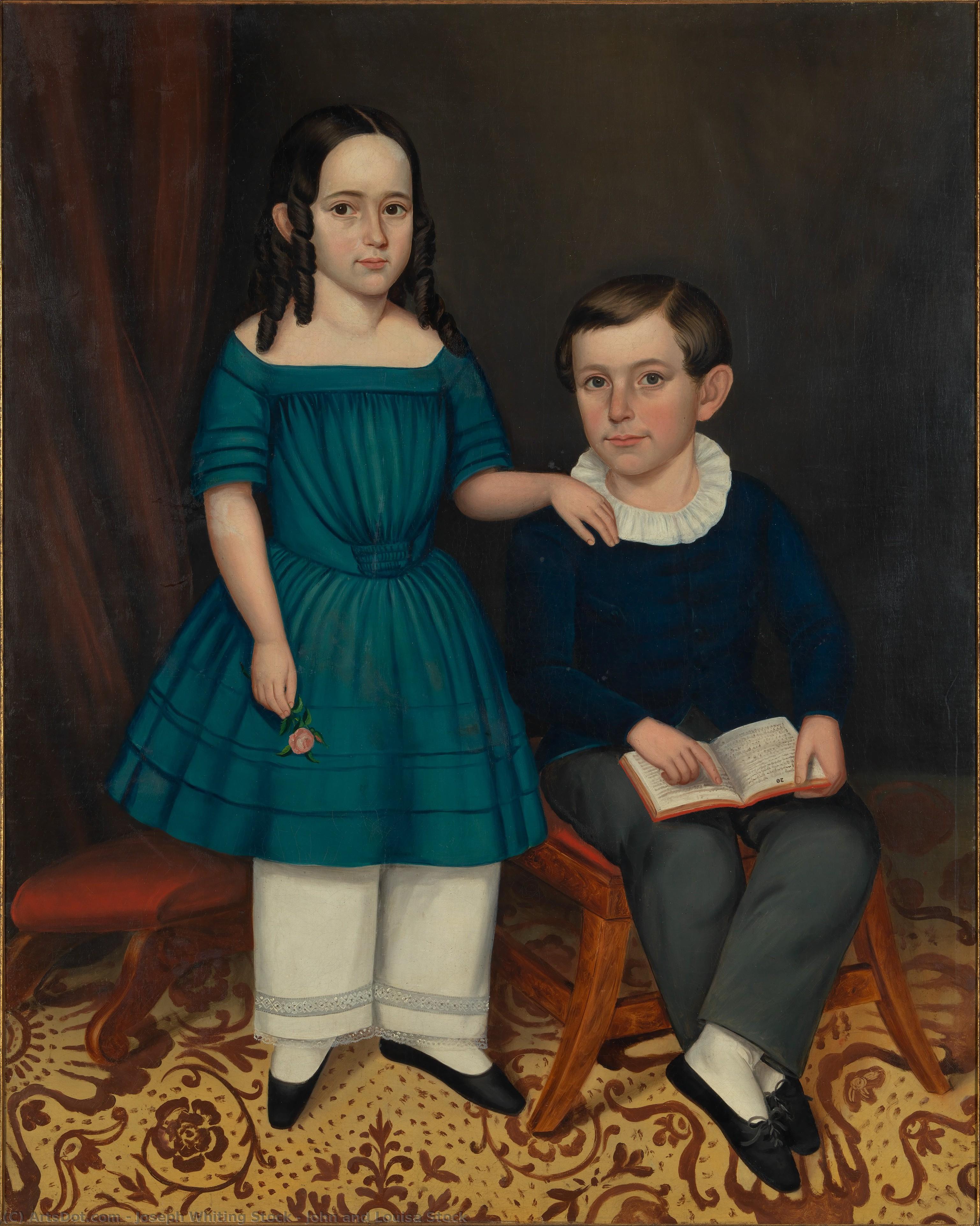
John and Louisa Stock
 1845
1845 128.0 x 102.0 cm
 詳細を見る
詳細を見る




































作品のオリジナル比率に合わせた、当店の規定サイズからお選びください。

特定のフレームやスペースに合わせて、ご希望のサイズをご入力いただけます。選択されたサイズが元の画像の比率と異なる場合、アートワークをトリミングするか、手描きで要素を追加して絵画を拡張いたします。デジタルモックアップ を制作し、制作開始前にご確認(承認)をいただきます。
画面上のプレビューは、実際のトリミングや拡張を正確に反映しているものではありません。最終的な構図は、モックアップによってのみ正確にご確認いただけます。
カスタムサイズもご利用いただけますが、元の比率を維持するためには、あらかじめ用意されたリストからサイズを選択することをお勧めいたします。
ご注文後、ArtsDot.com チームより詳細な指示をお送りするとともに、仕上がりイメージ(モックアップ)をご提供いたします。


 ガラスオプションは、110cm未満のサイズでのみご利用いただけます。

John and Louisa Stock
複製技法
複製画のサイズ
-


合計金額
$ 263
関連作品





アーティストの略歴
Joseph Whiting Stock: A Portraitist Defying Adversity
Joseph Whiting Stock (1815 – 1855) stands as a remarkable testament to artistic perseverance and ingenuity. Born in Springfield, Massachusetts, his life was irrevocably altered by a childhood accident—a cart colliding with him leaving him paralyzed from the waist down—yet he refused to surrender to circumstance, transforming physical limitations into fuel for creative ambition. Stock’s journey began under the tutelage of Franklin White, a student of Chester Harding, and crucially benefited from the guidance of his physician who designed a revolutionary wheelchair allowing Stock to execute large-scale paintings and travel comfortably for commissions. This innovative adaptation fundamentally reshaped his artistic practice and propelled him into prominence within New England's burgeoning art scene.- Early Influences & Anatomical Studies: Stock’s formative years were marked by a profound fascination with anatomy, spurred by Dr. James Swan who commissioned detailed drawings illustrating human musculature. This dedication to scientific observation would become a hallmark of his artistic style—a blend of realism and sensitivity that distinguished him from many contemporaries.
- Portraiture & Commissions: Stock quickly established himself as a sought-after portrait artist, accepting commissions across Massachusetts and Rhode Island. His studio remained in Springfield throughout his career, fostering a connection to the region’s cultural landscape. He skillfully captured the essence of his subjects—often affluent families—producing evocative depictions that conveyed both physical likeness and psychological depth.
- Technique & Style: Stock's paintings are characterized by meticulous detail and tonal subtlety. Employing oil paints on canvas, he achieved luminous effects through careful layering and blending techniques—a deliberate effort to convey emotion and atmosphere alongside accurate representation. His compositions often prioritized serene landscapes interwoven with figures, reflecting a humanist sensibility.
Notable Works & Artistic Legacy
Stock’s oeuvre includes celebrated pieces such as “Baby in Wicker Basket” (1840), an exquisitely rendered depiction of maternal tenderness—a poignant image capturing the vulnerability and beauty of infancy. Similarly, "Girl with Reticule and Rose" exemplifies Stock's ability to convey nuanced emotion through gesture and expression. These paintings are treasured for their technical virtuosity and emotional resonance, demonstrating Stock’s mastery of artistic craft.- Recognition & Patronage: Stock enjoyed considerable success during his lifetime, attracting the patronage of prominent families and securing prestigious commissions. His work gained recognition within academic circles and contributed to the establishment of New England's artistic reputation.
- Historical Significance: Beyond his artistic achievements, Stock’s story embodies a broader narrative of overcoming adversity—a symbol of resilience and determination in the face of physical disability. He serves as an inspiration for artists and individuals alike who strive to realize their creative potential despite obstacles.
A Tragic End & Lasting Influence
Sadly, Stock’s artistic career was cut short by tuberculosis at the age of forty. Despite his untimely demise, his legacy endured—his paintings continue to captivate audiences and inspire admiration for their beauty and emotional depth. Furthermore, Stock's pioneering use of a wheelchair stands as an enduring symbol of innovation and adaptability within the art world, demonstrating that creativity can flourish even amidst profound physical challenges.- Contemporary Context: Stock’s work emerged during the Victorian era—a period characterized by moral earnestness and artistic ambition. He navigated this cultural milieu with grace and conviction, producing paintings that reflected both the prevailing aesthetic sensibilities and his own deeply held humanist values.
Further Exploration
To delve deeper into Joseph Whiting Stock’s life and art, consider visiting St Joseph Chapel in Hungary—a beautifully renovated historic church showcasing local religious architecture & art. Also explore The White House in Washington D.C., a living symbol of American history and leadership. Finally, discover Palazzo Bianco in Genoa, Italy – home to masterpieces by Rubens, Caravaggio & Genoese artists.
Joseph Whiting Stock
1815 - 1855 , United States of America
基本情報
- Artistic Movement Or Style: Victorian Portraiture
- Artists Or Movements Influenced By This Artist: Hudson River School
- Artists Who Influenced This Artist: Franklin White
- Date Of Birth: January 30, 1815
- Date Of Death: 1855
- Full Name: Joseph Whiting Stock
- Nationality: American
- Notable Artworks:
- Baby in Wicker Basket
- Girl with Reticule and Rose
- Place Of Birth: Springfield, Massachusetts