 プレビュー
プレビュー
 プリントを購入
 シェアする
シェアする シェアする
シェアする
 詳細を見る
詳細を見る

 ダウンロード
 似ている作品
 X線調査
X線調査 スライドショー
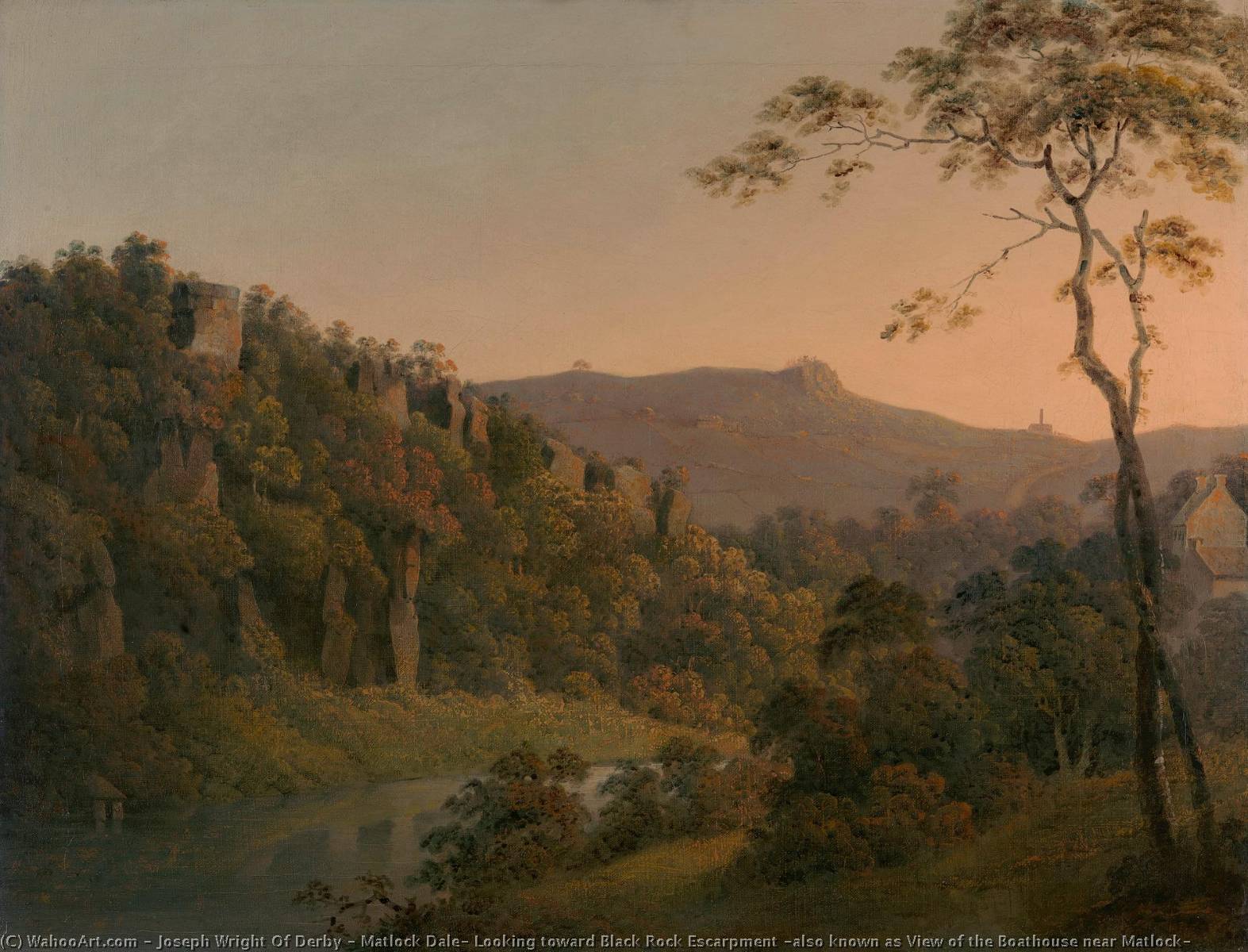
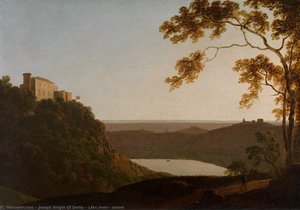
Matlock Dale, Looking toward Black Rock Escarpment (also known as View of the Boathouse near Matlock)


 詳細を見る
詳細を見る




P118B $10

P118H $10

P118W $10

P438Z $10

P508JH $12

P508YH $12

P805H $10

P805Z $10

P919BZ $10

P919G $10

P919XJ $10

P959ZH $10

P968JZ $12

W106C $8

W218G $10

W218JH $8

W218Y $10

W307PJ $10

W316G $10

W316PJ $8

W316Y $10

W398PJ $8

W4111J $10

W500HY $15

W500JH $15

W692G $12

W849H $8

W940BG $15

W953PJ $8




作品のオリジナル比率に合わせた、当店の規定サイズからお選びください。

特定のフレームやスペースに合わせて、ご希望のサイズをご入力いただけます。選択されたサイズが元の画像の比率と異なる場合、アートワークをトリミングするか、手描きで要素を追加して絵画を拡張いたします。デジタルモックアップ を制作し、制作開始前にご確認(承認)をいただきます。
画面上のプレビューは、実際のトリミングや拡張を正確に反映しているものではありません。最終的な構図は、モックアップによってのみ正確にご確認いただけます。
カスタムサイズもご利用いただけますが、元の比率を維持するためには、あらかじめ用意されたリストからサイズを選択することをお勧めいたします。
ご注文後、ArtsDot.com チームより詳細な指示をお送りするとともに、仕上がりイメージ(モックアップ)をご提供いたします。


 ガラスオプションは、110cm未満のサイズでのみご利用いただけます。

Matlock Dale, Looking toward Black Rock Escarpment (also known as View of the Boathouse near Matlock)
複製技法
複製画のサイズ
-


合計金額
$ 263
作品解説
A Symphony of Dusk and Stone: Joseph Wright’s Romantic Vision
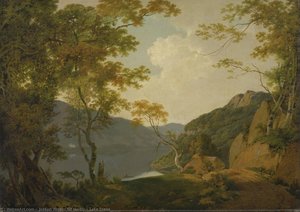
Joseph Wright of Derby's “Matlock Dale, Looking Toward Black Rock Escarpment,” painted circa 1785, stands as a cornerstone of British Romanticism—a movement that prioritized emotion and imagination over rational observation. More than just a depiction of a Derbyshire landscape, it embodies the burgeoning fascination with the sublime, capturing the awe-inspiring grandeur of nature alongside an underlying sense of tranquility. This artwork isn’t merely seen; it's felt – a testament to Wright’s ability to translate visual experience into profound psychological resonance.- Subject Matter: The scene portrays Black Rock Escarpment, a dramatic geological formation overlooking Matlock Dale, bathed in the soft glow of twilight. A meandering river dominates the composition, acting as a guiding diagonal line that draws the viewer’s eye towards the distant horizon. Scattered trees punctuate the landscape, adding textural detail and reinforcing the sense of organic beauty.
- Style: Wright firmly established himself as the first artist to embrace Romantic ideals. The painting eschews formal conventions of portraiture or history painting, opting instead for an immersive experience that prioritizes capturing the emotional impact of a natural vista.
Technique and Materials: Watercolor’s Delicate Embrace
Executed in watercolor on paper—a technique favored by Wright—the artwork demonstrates remarkable precision and subtlety. Layers of translucent washes create atmospheric haze, enhancing depth and conveying the diffused light characteristic of dawn or dusk. Brushstrokes are carefully blended to achieve smooth gradations of color, resulting in a velvety surface that captures the nuances of natural illumination. The artist’s meticulous observation is evident in the rendering of rock formations and foliage, demonstrating a commitment to realism tempered by artistic license.- Watercolor Medium: Watercolor pigments are mixed with gum arabic and applied to paper in thin layers, allowing for gradual blending and achieving luminous effects.
- Texture: The grainy texture imparted by the watercolor technique contributes to the painting’s overall realism, simulating the roughness of stone and the organic character of vegetation.
Historical Context: Capturing the Spirit of Enlightenment
Painted during the height of the Industrial Revolution, “Matlock Dale” reflects a broader cultural shift toward valuing experience over intellect. Wright's embrace of Romanticism coincided with a growing appreciation for untamed wilderness and its capacity to inspire contemplation—a reaction against the mechanistic worldview championed by Newtonian science. The painting serves as a visual manifesto for this era, celebrating the beauty of the natural world while hinting at humanity’s place within it.- Romantic Movement: Wright's work aligns with the Romantic movement's emphasis on emotion and imagination as sources of artistic inspiration.
- Industrial Revolution Influence: The painting subtly acknowledges the transformative impact of industrialization on the landscape, presenting a counterpoint to the dominant scientific narrative of the time.
Symbolism and Emotional Resonance
The towering Black Rock Escarpment symbolizes permanence and majesty—a reminder of geological forces far greater than human comprehension. Simultaneously, the tranquil river embodies serenity and reflection, inviting viewers to contemplate the sublime beauty of nature. Wright’s masterful use of light and color evokes feelings of awe and wonder, capturing the emotional response that Romantic artists sought to elicit from their audiences. The painting transcends mere representation; it communicates a profound understanding of human experience within the context of the natural world. Explore this captivating landscape masterpiece – a timeless testament to Joseph Wright’s artistic vision.関連作品



アーティストの略歴
ダービーの光芒:ジョセフ・ライトと産業革命の夜明け
ジョセフ・ライト、歴史上「ダービーのライト」として知られる彼は、単なる画家ではありませんでした。イングランドの勃興する工業地帯の中心で1734年に生まれたライトは、その時代を描くだけでなく、文字通り、そして比喩的にそれを照らしました。彼のキャンバスには、壮大な歴史的物語や貴族の肖像画ばかりが描かれていたのではありません。科学的な発見のエネルギー、啓蒙思想のドラマ、人間の革新によって不可逆的に変化した風景の鮮烈な美しさが脈打っていました。彼は産業革命の精神を捉え、祝福した最初の主要な画家であり、その時代は文明自体を再定義するでしょう。ダービーでの幼少期は、父親の法律家の実務に根ざしており、後年の精密さと観察への関心を育んだのかもしれません。当初は法曹の道に進む運命でしたが、若きジョセフの芸術への傾倒は抑えられず、17歳でロンドンへ向かい、その日の著名な肖像画家であるトーマス・ハドソンに師事しました。この正式な訓練が基礎を築きましたが、ライトの生まれつきの好奇心と独立心が、最終的に彼の独自の芸術的道を切り開きました。キアロスクーロと探求の精神
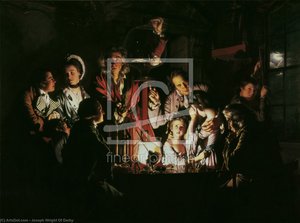
ライトの技術的な習熟は、バロック様式の巨匠カラヴァッジョから借用されたものの、独特の現代的な感性で用いられたキアロスクーロ(明暗法)の使用においてすぐに明らかになります。彼は単に視覚的なドラマを作り出すことに関心があったのではありません。光と影を使って知識の解き明かし、闇と理解との闘いを象徴しました。1768年の傑作『空気ポンプ内の鳥の実験』を考えてみましょう。ろうそくの光が科学的デモンストレーションを目撃する傍観者の顔に鮮烈な光を当てています。このシーンは驚きと不安の両方に満ちています。この絵は実験そのものだけを描いているのではなく、人類の芽生える好奇心、自然の謎を探求しようとする意志、そしてそのような努力の倫理的影響を探求しています。同様に、『オルリーで講演する哲学者』(1766) は、ミニチュアの太陽系が明らかになる魅惑的なシーンを提示し、観客の顔だけでなく、拡大する科学的思想の世界も照らします。これらは孤立した事件ではありませんでした。ライトは常に科学、哲学、そして人間の感情の交差を探求できる主題を模索していました。彼のスタイルはアレクサンダー・コゼンスの影響を受けましたが、特に構成的なアプローチにおいて、彼は強く独立しており、他に類を見ない独自の視覚言語を確立しました。肖像画を超えて:風景とロマン主義的感性
ライトは「キャンドルライトの絵」で祝われましたが、彼の作品をその単一の側面に限定することは大きな過ちです。彼はまた才能のある風景画家であり、ダービーシャーとその先の荒々しい美しさをますますロマン主義的な感性をもって捉えました。『月光下のドーヴェール』のような作品は、微妙な明暗の変化を通して雰囲気と感情を呼び起こす彼の能力を示しています。彼の風景画は単なる地形的表現ではありませんでした。自然界への畏敬の念が込められており、ロマン主義運動の高まりとともに共鳴しました。しかし、これらの静かなシーンでさえも、憂鬱や神秘的な気流がしばしば見られ、自然の脆弱性と必然的な変化を暗示しています。1795年の『リダルの滝』は、このスキルを例証しており、単一の構成の中で力と静けさの両方を捉える彼の習熟を示しています。光と影の中に鍛えられた遺産
ライトがイギリス芸術に与えた影響は大きく、しかし必ずしも彼の生前にすぐに認識されたわけではありませんでした。彼は確立された芸術界からの抵抗に直面し、特に王立アカデミーへの完全なメンバーシップを辞退しましたが、それは彼自身の独立精神の証です。しかし、彼の影響力は正式な機関を超えて広がりました。ウィリアム・ペザーやジョン・ダウンマンなどの画家は、特に彼の劇的な光と影の使用に直接触発されました。より広義には、ライトの作品は、ダイナミズムと現代世界の複雑さを捉えようとした新しい世代のアーティストへの道を開きました。彼は自分が目にしたものを描くだけでなく、時代の変革の瀬戸際に感じた興奮、不安、驚きを描いたのです。彼の絵画は、人類がすべてに疑問を抱き、未知を探求し、新しい時代を受け入れることを敢えた時代を力強く思い出させてくれます。今日、彼の作品は世界中の主要な美術館に所蔵されており、「ダービーの光芒」が芸術、科学、そして人間の精神に対する私たちの理解を照らし続けています。- 注目すべき作品:『空気ポンプ内の鳥の実験』、『オルリーで講演する哲学者』、『月光下のドーヴェール』。
- 影響:トーマス・ハドソン、アレクサンダー・コゼンス、カラヴァッジョのようなバロック様式の巨匠。
- 主な特徴:劇的なキアロスクーロ、科学的テーマの探求、ロマン主義的な風景画。
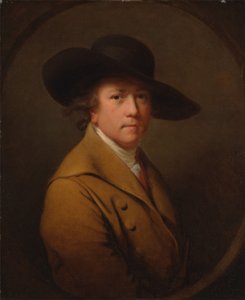
ジョセフ・ライト・オブ・ダービー
1734 - 1797 , イギリス
基本情報
- Artistic Movement Or Style: キアロスクーロ、ロマン主義
- Artists Who Influenced This Artist:
- トーマス・ハドソン
- アレクサンダー・コゼンス
- Date Of Birth: 1734年9月3日
- Date Of Death: 1797年8月29日
- Full Name: ジョセフ・ライト・オブ・ダービー
- Nationality: イギリス人
- Notable Artworks (List Of Titles):
- 空気ポンプ実験
- 哲学者講義
- ドーヴェデール月夜
- Place Of Birth (City And Country): イギリス、ダービー
関連記事

ロマン派ランドスケープ:時代を彩る巨匠の10選|アートとインテリアの世界
ロマン派絵画の時代を彩る10選。巨匠たちの風景が織りなす感動の世界へ。ターナー、ルーベンスなど、名作の裏話と高精細複製でアートをお部屋に。ArtsDot.comで至福のアート体験を。
Illuminating Enlightenment: Joseph Wright of Derby's Scientific Vision
Explore the captivating world of Joseph Wright of Derby, a pioneer of Enlightenment art. Discover his masterful chiaroscuro, scientific themes & investment potential. Expert analysis for collectors.

Evocations of Place: A Historical Journey Through Landscape Art
Explore the rich history of landscape art with ArtsDot. Discover renowned artists, movements like Impressionism & Romanticism, and expert guidance for collecting timeless pieces. Find your perfect serene escape today!

ジョン・コンスタブルの傑作25選:英国風景画の巨匠が描く自然と光の詩 | ArtsDot
ジョン・コンスタブルの傑作25選。英国風景画の巨匠が描く自然と光の詩の世界へ。ロマン主義を代表する絵画、デダム・ヴェールやヘイ・ウェインなど、ArtsDotで高品質なアートプリントをお楽しみください。インテリアに深みと感動を。コレクションはこちら。
The Sublime and the Picturesque: Exploring Emotion & Nature in Romantic Landscape Painting
Explore the emotional power of Romantic landscape painting! Discover the sublime & picturesque traditions, key artists like Friedrich & Cole, and find your perfect artwork at ArtsDot.