 プレビュー
プレビュー
 シェアする
シェアする シェアする
シェアする
 詳細を見る
詳細を見る

 ダウンロード
 似ている作品
 X線調査
X線調査 スライドショー
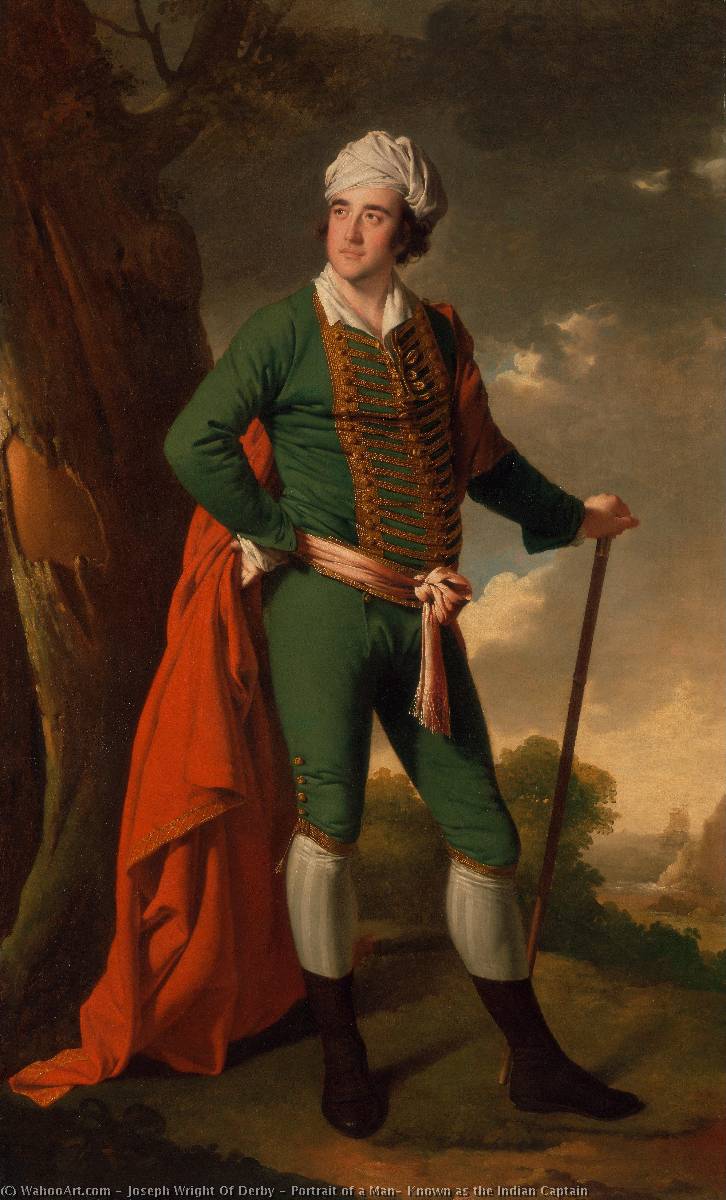
Portrait of a Man, Known as the Indian Captain
 Oil On Canvas
- WallArt
- Rococo
 1767
1767- 19th Century
 229.0 x 138.0 cm
 イェール英国美術館
 詳細を見る
詳細を見る
ジークレー/アートプリント
迅速な制作と多彩な仕上げオプションを備えた、ミュージアムクオリティのジークレーまたはキャンバスプリント。 ( 手描きの絵画を購入 画像を購入)




P118B $10

P118H $10

P118W $10

P438Z $10

P508JH $12

P508YH $12

P805H $10

P805Z $10

P919BZ $10

P919G $10

P919XJ $10

P959ZH $10

P968JZ $12

W106C $8

W218G $10

W218JH $8

W218Y $10

W307PJ $10

W316G $10

W316PJ $8

W316Y $10

W398PJ $8

W4111J $10

W500HY $15

W500JH $15

W692G $12

W849H $8

W940BG $15

W953PJ $8




作品のオリジナル比率に合わせた、当店の規定サイズからお選びください。

特定のフレームやスペースに合わせて、ご自身でサイズを指定することも可能です。選択されたサイズが元の画像の比率と一致しない場合、作品をトリミングするか、鏡面反射または単色での塗りつぶしによって画像を拡張いたします。制作を開始する前に、ご確認用のデジタルモックアップをお送りいたします。
画面上のプレビューには、実際のトリミングや拡張は反映されませんのでご注意ください。最終的な構図を正確に確認できるのは、モックアップのみとなります。
カスタムサイズも承っておりますが、元の比率を維持するためには、あらかじめ用意されたリストからサイズを選択することをお勧めいたします。


 ガラスオプションは、110cm未満のサイズでのみご利用いただけます。

Portrait of a Man, Known as the Indian Captain
ジークレー/アートプリント
複製画のサイズ
-


合計金額
$ 62
Portrait of a Man, Known as the Indian Captain – A Glimpse into the Soul of the Industrial Age
Joseph Wright’s “Portrait of a Man, Known as the Indian Captain,” painted in 1767, isn't merely a likeness; it’s a vibrant snapshot of an era teetering on the cusp of profound change. This arresting portrait, housed within the Derby Museum and Art Gallery, transcends the conventions of traditional aristocratic portraits, offering instead a glimpse into the burgeoning spirit of innovation and rebellion that defined early 18th-century England. The subject, often interpreted as a romanticized representation of Robin Hood or another legendary figure of defiance, is rendered with an almost theatrical intensity – a deliberate departure from the staid formality of the time.
Wright’s masterful use of chiaroscuro—the dramatic interplay of light and shadow—immediately draws the viewer into the scene. The subject dominates the canvas, bathed in a warm, golden glow that highlights his elaborate costume: a rich green velvet waistcoat, adorned with intricate gold embroidery; a scarlet cloak billowing dramatically behind him; and a striking white turban perched atop his head. This opulent attire speaks to both wealth and a certain flamboyant disregard for societal norms – a subtle foreshadowing of the revolutionary changes brewing beneath the surface of polite society.
The Rococo Influence and Neoclassical Undertones
Stylistically, “Portrait of a Man” occupies a fascinating space between Rococo and early Neoclassical portraiture. The flowing drapery, the delicate rendering of fabric folds, and the overall sense of movement are hallmarks of the Rococo style, popular at the time for its emphasis on elegance and sensuality. However, Wright’s meticulous attention to detail, his precise brushwork, and the carefully constructed composition reveal a growing interest in the clarity and order associated with Neoclassical art – a shift towards a more rational and structured approach to representation.
The background landscape, rendered in muted tones of grey and brown, provides a crucial counterpoint to the subject’s vibrant presence. It's not a picturesque vista; rather, it’s a rugged, almost foreboding terrain – a rocky outcrop receding into the distance, hinting at the raw, untamed nature of England itself. This juxtaposition underscores the theme of man versus nature, and perhaps, man versus the encroaching forces of industrialization.
A Window into the Lunar Society
Beyond its aesthetic qualities, “Portrait of a Man” is deeply intertwined with the intellectual and social context of Derby in the late 1760s. Wright was a close associate of the Lunar Society—a group of prominent scientists, philosophers, and industrialists who met regularly to discuss scientific advancements, philosophical ideas, and the burgeoning industrial revolution. This painting can be viewed as a visual representation of the society’s spirit – a celebration of knowledge, innovation, and a willingness to challenge established norms.
The subject's attire and confident demeanor suggest a figure who embodies this spirit of inquiry and rebellion. He is not simply a wealthy gentleman; he is an individual who embraces new ideas and defies convention. The painting, therefore, becomes a powerful symbol of the intellectual ferment that was transforming England at the time.
Technique and Emotional Resonance
Wright’s technical skill is evident in every brushstroke. He employs a layering technique—applying thin glazes of oil paint to build up color and luminosity—to create a remarkably tactile surface. The textures of the velvet, the silk, and even the rough stone are rendered with astonishing realism. The dramatic lighting, achieved through careful manipulation of light and shadow, not only enhances the subject’s appearance but also imbues the painting with an emotional intensity.
“Portrait of a Man, Known as the Indian Captain” is more than just a portrait; it's a captivating tableau that encapsulates the spirit of a pivotal moment in history. It invites us to contemplate the intersection of art, science, and society—and to consider the enduring legacy of Joseph Wright’s artistic vision.
関連作品
アーティストの略歴
ダービーの光芒:ジョセフ・ライトと産業革命の夜明け
ジョセフ・ライト、歴史上「ダービーのライト」として知られる彼は、単なる画家ではありませんでした。イングランドの勃興する工業地帯の中心で1734年に生まれたライトは、その時代を描くだけでなく、文字通り、そして比喩的にそれを照らしました。彼のキャンバスには、壮大な歴史的物語や貴族の肖像画ばかりが描かれていたのではありません。科学的な発見のエネルギー、啓蒙思想のドラマ、人間の革新によって不可逆的に変化した風景の鮮烈な美しさが脈打っていました。彼は産業革命の精神を捉え、祝福した最初の主要な画家であり、その時代は文明自体を再定義するでしょう。ダービーでの幼少期は、父親の法律家の実務に根ざしており、後年の精密さと観察への関心を育んだのかもしれません。当初は法曹の道に進む運命でしたが、若きジョセフの芸術への傾倒は抑えられず、17歳でロンドンへ向かい、その日の著名な肖像画家であるトーマス・ハドソンに師事しました。この正式な訓練が基礎を築きましたが、ライトの生まれつきの好奇心と独立心が、最終的に彼の独自の芸術的道を切り開きました。キアロスクーロと探求の精神
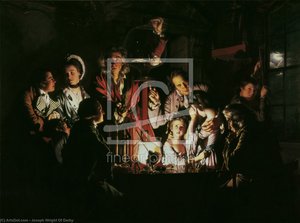
ライトの技術的な習熟は、バロック様式の巨匠カラヴァッジョから借用されたものの、独特の現代的な感性で用いられたキアロスクーロ(明暗法)の使用においてすぐに明らかになります。彼は単に視覚的なドラマを作り出すことに関心があったのではありません。光と影を使って知識の解き明かし、闇と理解との闘いを象徴しました。1768年の傑作『空気ポンプ内の鳥の実験』を考えてみましょう。ろうそくの光が科学的デモンストレーションを目撃する傍観者の顔に鮮烈な光を当てています。このシーンは驚きと不安の両方に満ちています。この絵は実験そのものだけを描いているのではなく、人類の芽生える好奇心、自然の謎を探求しようとする意志、そしてそのような努力の倫理的影響を探求しています。同様に、『オルリーで講演する哲学者』(1766) は、ミニチュアの太陽系が明らかになる魅惑的なシーンを提示し、観客の顔だけでなく、拡大する科学的思想の世界も照らします。これらは孤立した事件ではありませんでした。ライトは常に科学、哲学、そして人間の感情の交差を探求できる主題を模索していました。彼のスタイルはアレクサンダー・コゼンスの影響を受けましたが、特に構成的なアプローチにおいて、彼は強く独立しており、他に類を見ない独自の視覚言語を確立しました。肖像画を超えて:風景とロマン主義的感性
ライトは「キャンドルライトの絵」で祝われましたが、彼の作品をその単一の側面に限定することは大きな過ちです。彼はまた才能のある風景画家であり、ダービーシャーとその先の荒々しい美しさをますますロマン主義的な感性をもって捉えました。『月光下のドーヴェール』のような作品は、微妙な明暗の変化を通して雰囲気と感情を呼び起こす彼の能力を示しています。彼の風景画は単なる地形的表現ではありませんでした。自然界への畏敬の念が込められており、ロマン主義運動の高まりとともに共鳴しました。しかし、これらの静かなシーンでさえも、憂鬱や神秘的な気流がしばしば見られ、自然の脆弱性と必然的な変化を暗示しています。1795年の『リダルの滝』は、このスキルを例証しており、単一の構成の中で力と静けさの両方を捉える彼の習熟を示しています。光と影の中に鍛えられた遺産
ライトがイギリス芸術に与えた影響は大きく、しかし必ずしも彼の生前にすぐに認識されたわけではありませんでした。彼は確立された芸術界からの抵抗に直面し、特に王立アカデミーへの完全なメンバーシップを辞退しましたが、それは彼自身の独立精神の証です。しかし、彼の影響力は正式な機関を超えて広がりました。ウィリアム・ペザーやジョン・ダウンマンなどの画家は、特に彼の劇的な光と影の使用に直接触発されました。より広義には、ライトの作品は、ダイナミズムと現代世界の複雑さを捉えようとした新しい世代のアーティストへの道を開きました。彼は自分が目にしたものを描くだけでなく、時代の変革の瀬戸際に感じた興奮、不安、驚きを描いたのです。彼の絵画は、人類がすべてに疑問を抱き、未知を探求し、新しい時代を受け入れることを敢えた時代を力強く思い出させてくれます。今日、彼の作品は世界中の主要な美術館に所蔵されており、「ダービーの光芒」が芸術、科学、そして人間の精神に対する私たちの理解を照らし続けています。- 注目すべき作品:『空気ポンプ内の鳥の実験』、『オルリーで講演する哲学者』、『月光下のドーヴェール』。
- 影響:トーマス・ハドソン、アレクサンダー・コゼンス、カラヴァッジョのようなバロック様式の巨匠。
- 主な特徴:劇的なキアロスクーロ、科学的テーマの探求、ロマン主義的な風景画。
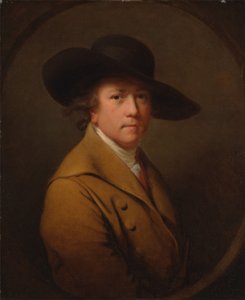
ジョセフ・ライト・オブ・ダービー
1734 - 1797 , イギリス
基本情報
- Artistic Movement Or Style: キアロスクーロ、ロマン主義
- Artists Who Influenced This Artist:
- トーマス・ハドソン
- アレクサンダー・コゼンス
- Date Of Birth: 1734年9月3日
- Date Of Death: 1797年8月29日
- Full Name: ジョセフ・ライト・オブ・ダービー
- Nationality: イギリス人
- Notable Artworks (List Of Titles):
- 空気ポンプ実験
- 哲学者講義
- ドーヴェデール月夜
- Place Of Birth (City And Country): イギリス、ダービー
関連記事
Illuminating Enlightenment: Joseph Wright of Derby's Scientific Vision
Explore the captivating world of Joseph Wright of Derby, a pioneer of Enlightenment art. Discover his masterful chiaroscuro, scientific themes & investment potential. Expert analysis for collectors.

華麗なるロココ:芸術史を彩る10大傑作の世界
華麗なるロココ美術の世界へ。バロックから生まれた優雅な芸術、その10大傑作を徹底解説!ブーシェ、フロマンなど巨匠たちの技と物語を紐解き、お部屋を彩るアートを見つけよう。ArtsDot.comで至高の美術館品質レプリカとインテリアアイデアを発見。
Joseph Highmore: Moral Tales & Domestic Genre in 18th-Century British Art
Explore the captivating world of Joseph Highmore, a leading British Rococo painter. Discover his elegant portraits, insightful 'Pamela' illustrations & contributions to 18th-century art history. Learn more at ArtsDot.
The Rococo Aesthetic: Opulence, Rebellion & the Pursuit of Pleasure in 18th-Century Art
Explore the opulent world of Rococo art! Discover its origins, key artists like Watteau & Boucher, and lasting influence on design. Expert insights for collectors & enthusiasts.
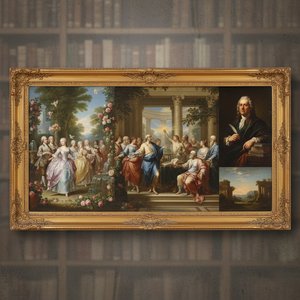
Illuminating the Enlightenment: A Comprehensive Exploration of 18th-Century Painting
Explore the captivating world of 18th-century painting! Discover Rococo's playful elegance & Neoclassicism’s Enlightenment ideals with expert insights into Fragonard, David, and more. A comprehensive guide for art enthusiasts.