

 プレビュー
プレビュー
 シェアする
シェアする シェアする
シェアする
 詳細を見る
詳細を見る

 ダウンロード
 似ている作品
 X線調査
X線調査 スライドショー
 Stats
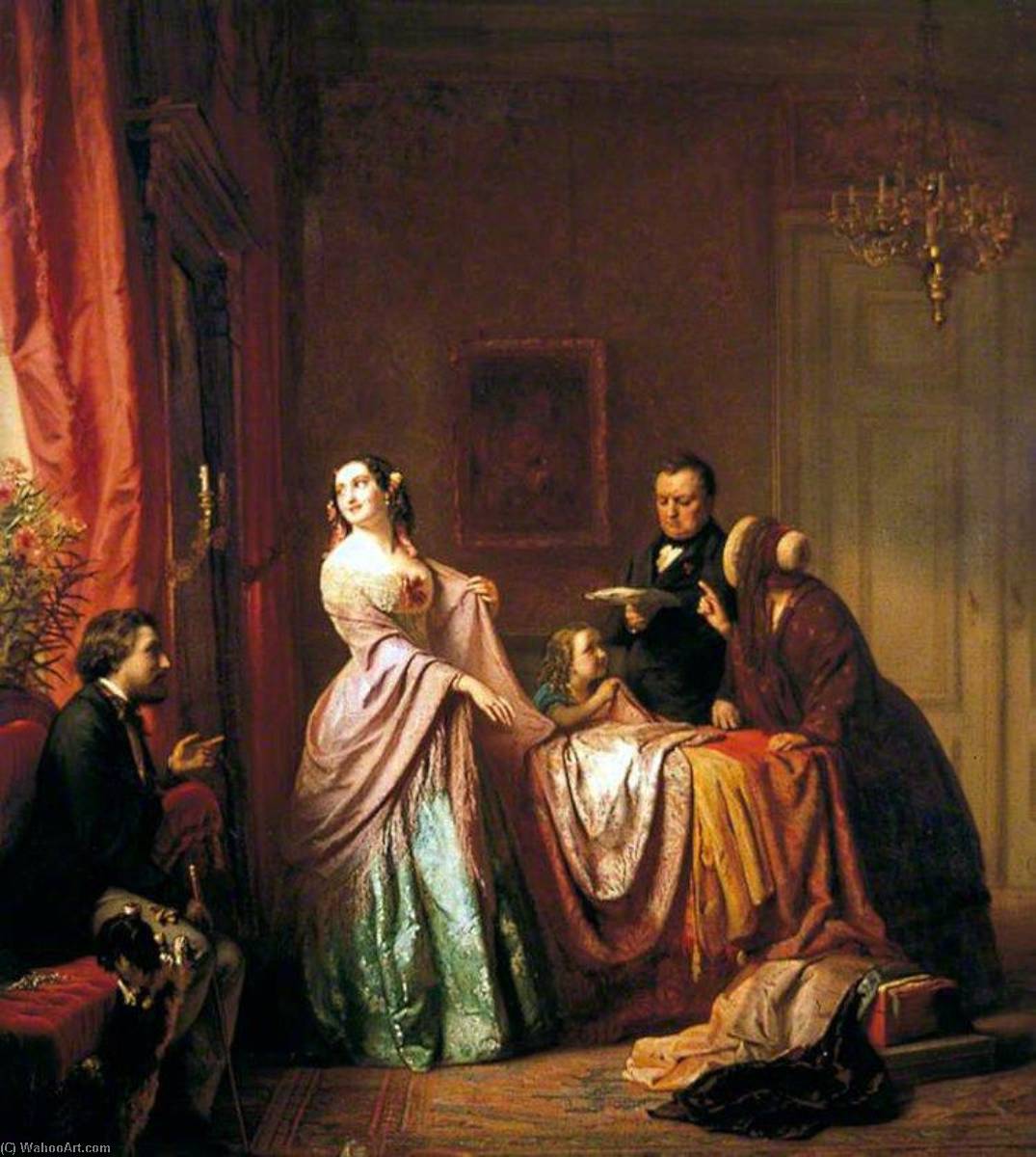
StatsThe Lady of Fashion


 詳細を見る
詳細を見る
オンラインプレビューをはるかに凌ぐ、高解像度で鮮明なデジタル画像をご購入いただけます。
各ファイルは、社内の専門家が高度なツールと熟練した手作業によるレタッチを用いて、細心の注意を払って準備されています。すべての画像において、卓越した鮮明度、正確な色彩再現性、そして繊細なディテールを保証いたします。
最終ファイルは、プロフェッショナルな編集・印刷環境ですぐにご利用いただけるよう最適化された状態で、72時間以内にメールにてお届けいたします。これは、一流のデザインスタジオ、出版社、ギャラリーから信頼されているものと同等の品質です。
デジタルアート
個人での鑑賞、印刷、クリエイティブなプロジェクト用に、高解像度ファイルをダウンロードできます。 ( Switch to Print 手描きの絵画を購入)
デジタル画像のご注文に付随する特典
高品質なデジタル画像配信を、確かな品質で。
ArtsDot.com を選ぶことは、単に画像を手に入れることではありません。それは、プロの手によって精密に仕上げられ、満足保証が付いた高品質なデジタルアートワークを受け取ることを意味します。ご注文いただいた際に自動的に付随する内容は、以下の通りです:

メールですぐにお届け
ご注文から72時間以内に、高解像度のデジタル画像ファイルがメールでお手元に届きます。すぐにそのままご利用いただけます。

AI技術で最適化されたデジタルファイル
お客様の作品は、高度なAIツールと専門家による手作業の編集を組み合わせてプロフェッショナルに最適化されており、細部のディテール、鮮明さ、そして正確な色再現性を最大限に引き出しています。

一生涯無料の再送サービス
ファイルを誤って削除したり、紛失してしまったりしましたか?ご安心ください。いつでも無料で再送いたします。

輸入手数料は一切かかりません
関税や手数料、配送料を気にすることなく、お気に入りのアートワークをすぐにお楽しみいただけます。デジタルダウンロードは常に免税です。

色彩再現の保証
プロ仕様のツールとカラーマネジメント技術を用いることで、デジタル画像が元の色を最大限に忠実に再現することを保証いたします。

100日間満足保証
ご購入いただいたデジタル画像にご満足いただけない場合は、100日以内であれば、理由を問わず修正または100%の返金対応をさせていただきます。

100% 返金保証
ご満足いただけない場合は、デジタルファイルを受け取ってから100日以内であれば、理由を問わず全額返金いたします。

まとめ買い割引
3枚購入で10%OFF - 5枚購入で15%OFF - 10枚以上購入で20%OFF。クリエイティブなプロジェクト、ギャラリー、エージェンシーに最適です。
Artist Background
Josephus Laurentius Dyckmans was a prominent Belgian painter known for his meticulous attention to detail and his ability to capture the essence of everyday life. Born in 1811, Dyckmans studied at the Academy of Fine Arts in Antwerp and later became a professor of painting and perspective. His works are characterized by their realism and attention to detail, making him one of the most celebrated artists of his time.The Painting
The Lady of Fashion is a portrait of a woman surrounded by her family, showcasing the artist's ability to capture the intimacy and warmth of domestic life. The painting is a masterpiece of oil on canvas, with intricate details and subtle color nuances that bring the scene to life. As seen on ArtsDot.com, this painting is a testament to Dyckmans' skill and artistry.Key Features
Some of the key features of the Lady of Fashion include:- The use of warm colors to create a cozy atmosphere
- The intricate details of the woman's dress and accessories
- The subtle expressions on the faces of the family members
In conclusion, the Lady of Fashion is a stunning painting that showcases the artistry and skill of Josephus Laurentius Dyckmans. As a professional art expert and salesman for ArtsDot.com, I highly recommend this piece to anyone interested in oil on canvas paintings or Belgian art.
関連作品





作家の略歴
A Life Dedicated to Intimate Realism: Josephus Laurentius Dyckmans
Josephus Laurentius Dyckmans, born in Lier, Belgium, on August 9th, 1811, and passing away in Antwerp on January 8th, 1888, was a painter who carved a unique niche for himself within the bustling art world of 19th-century Belgium. Often affectionately dubbed “The Belgian Gerard Dou,” Dyckmans wasn’t drawn to grand historical narratives or sweeping landscapes; instead, he devoted his considerable talent to capturing the quiet poetry of everyday life, the tender moments of domesticity, and the subtle nuances of human emotion. His painstaking detail, rich color palettes, and Romantic sensibility established him as a master of genre painting, offering viewers a glimpse into the lives – and interiors – of the burgeoning middle class.Early Training and Artistic Development
Dyckmans’ artistic journey began with foundational training under Melchior Gommar Tieleman in his hometown of Lier. Recognizing his potential, local patrons supported him financially, enabling him to pursue further studies at the prestigious Academy of Fine Arts in Antwerp starting in 1834. This period proved pivotal as he entered the workshop of Gustaaf Wappers, a leading figure in Belgian Romantic and history painting. While influenced by Wappers’ technical prowess, Dyckmans soon charted his own course, diverging from the dramatic historical scenes favored by his mentor. He found himself increasingly captivated by the Dutch Golden Age masters – particularly Gerard Dou, whose meticulous attention to detail and intimate portrayals of domestic life would become a defining characteristic of Dyckmans' style. His early successes at local salons, including “A Confession of Love” in 1834 and “Game of Checkers,” which earned him a silver medal in Brussels in 1836, signaled the emergence of a distinctive voice. A sensational “Vegetable Market” submission to the Ghent Salon in 1838 further solidified his reputation, leading to exhibitions in Antwerp and The Hague where it was awarded another silver medal.A Master of Genre: Themes and Techniques
Dyckmans’ oeuvre is characterized by a profound focus on genre scenes – depictions of everyday life, often set within the comfortable interiors of middle-class homes. He excelled at portraying intimate moments: mothers with their children, families gathered around a table, quiet scenes of mourning or contemplation. His paintings weren't merely representations of reality; they were imbued with emotional depth and psychological insight. The artist’s meticulous technique was central to his success. He employed an extraordinary level of detail, rendering textures, fabrics, and objects with remarkable precision. This dedication to realism wasn’t simply about accuracy; it served to heighten the sense of intimacy and draw viewers into the scene. His color palettes were rich and warm, often utilizing a Romantic style that emphasized atmosphere and emotional resonance. He was particularly adept at capturing light and shadow, creating a sense of depth and volume that further enhanced the realism of his work.Recognition and Later Life
Throughout his career, Dyckmans enjoyed considerable recognition both within Belgium and internationally. He exhibited regularly at the Royal Academy of Arts in London (1846, 1860, 1863, 1869) and participated in the Universal Exhibition in Paris in 1867. In 1841, he undertook a journey to Paris and the Netherlands, broadening his artistic horizons. He was appointed professor of painting and perspective at the Antwerp Academy in November of that year, sharing his knowledge with aspiring artists. Though elected as a corresponding member of the Belgian Royal Academy in 1847, Dyckmans’ reserved nature led him to remain largely detached from its activities. In 1854 he left his teaching post, preferring a more secluded existence. He married in 1847 and had two daughters, and spent much of his later life alternating between his home in Antwerp and a country retreat in Kalmthout. The Belgian state honored him with knighthood in the Order of Leopold in 1851, followed by an officership in 1870.Historical Significance and Legacy
Josephus Laurentius Dyckmans occupies a unique position within the history of Belgian art. While his contemporaries often focused on grand historical themes, he championed the beauty and dignity of everyday life. His paintings offer valuable insights into the social customs, domestic interiors, and emotional lives of the 19th-century middle class. He wasn’t simply a recorder of reality; he was an interpreter, imbuing his scenes with a sense of warmth, intimacy, and psychological depth. His nickname, “The Belgian Gerard Dou,” is testament to his mastery of detail and his ability to capture the quiet poetry of domestic life. Though perhaps less celebrated than some of his more historically-focused contemporaries, Dyckmans’ work continues to resonate with viewers today, offering a poignant glimpse into a bygone era and reminding us of the enduring power of intimate realism.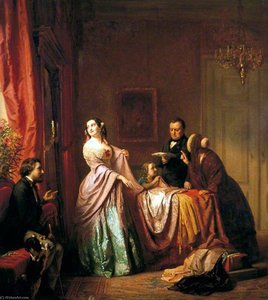
josephus laurentius dyckmans
1811 - 1888
プロフィール概要
- Artistic Movement Or Style: Romantic Genre Painting
- Artists Or Movements Influenced By This Artist: ['Gerard Dou']
- Artists Who Influenced This Artist: ['Dutch Golden Age Art']
- Date Of Birth: August 9, 1811
- Date Of Death: January 8, 1888
- Full Name: Josephus Laurentius Dyckmans
- Nationality: Belgian
- Notable Artworks:
- The Lady of Fashion
- Le Premier Né
- Place Of Birth: Lier, Belgium