

 プレビュー
プレビュー
 シェアする
シェアする シェアする
シェアする
 詳細を見る
詳細を見る

 ダウンロード
 似ている作品
 X線調査
X線調査 スライドショー
 Stats
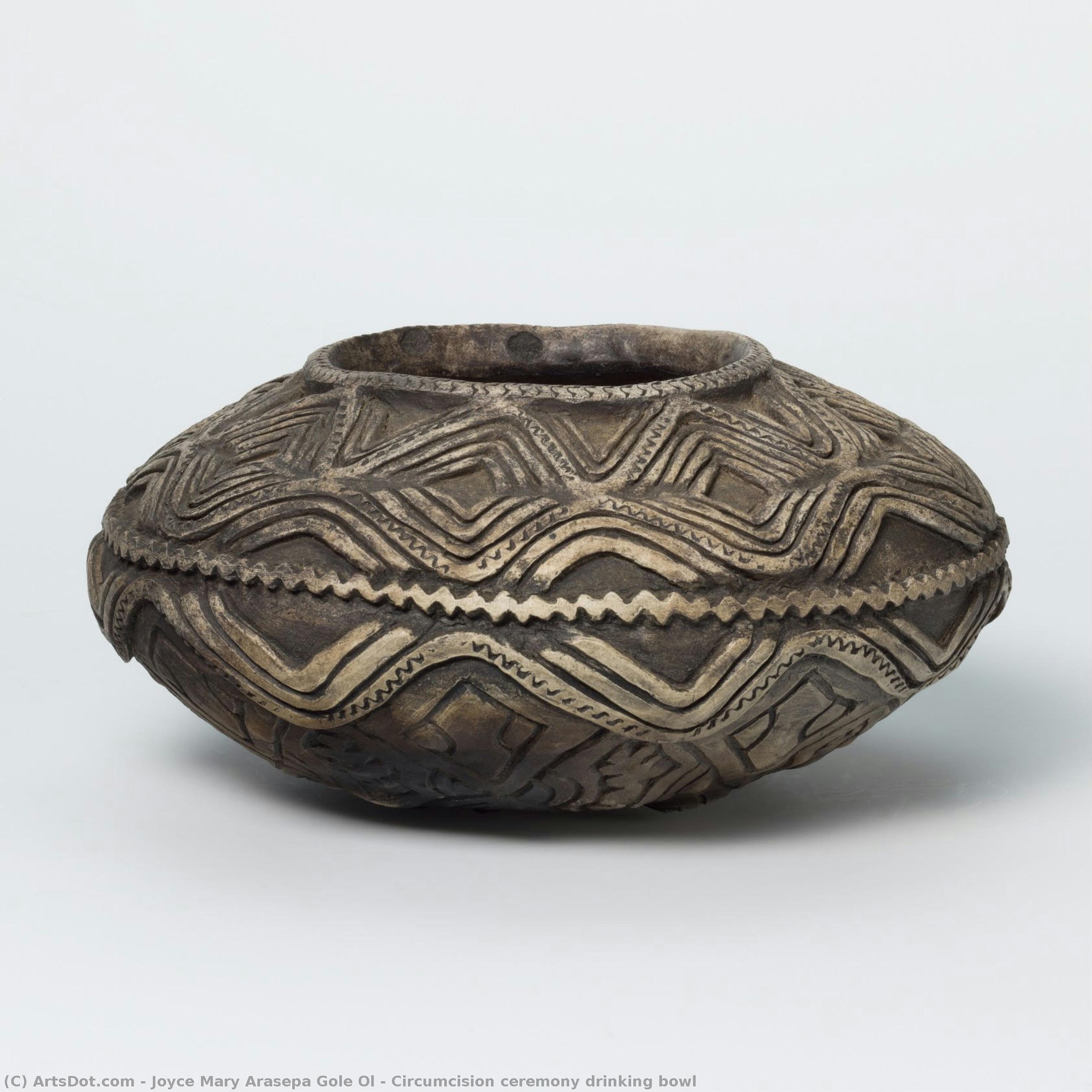
StatsCircumcision ceremony drinking bowl
 Wax
Wax- Contemporary Realism
 2001
2001 14.0 x 25.0 cm
 クイーンズランド美術館 | ゴマ(ギャラリー・オブ・モダン・アート)
 詳細を見る
詳細を見る
ジークレー/アートプリント
迅速な制作と多彩な仕上げオプションを備えた、ミュージアムクオリティのジークレーまたはキャンバスプリント。 ( 手描きの絵画を購入 Switch to Digital Image)




P118B $10

P118H $10

P118W $10

P438Z $10

P508JH $12

P508YH $12

P805H $10

P805Z $10

P919BZ $10

P919G $10

P919XJ $10

P959ZH $10

P968JZ $12

W106C $8

W218G $10

W218JH $8

W218Y $10

W307PJ $10

W316G $10

W316PJ $8

W316Y $10

W398PJ $8

W4111J $10

W500HY $15

W500JH $15

W692G $12

W849H $8

W940BG $15

W953PJ $8




作品のオリジナル比率に合わせた、当店の規定サイズからお選びください。

特定のフレームやスペースに合わせて、ご自身でサイズを指定することも可能です。選択されたサイズが元の画像の比率と一致しない場合、作品をトリミングするか、鏡面反射または単色での塗りつぶしによって画像を拡張いたします。制作を開始する前に、ご確認用のデジタルモックアップをお送りいたします。
画面上のプレビューには、実際のトリミングや拡張は反映されませんのでご注意ください。最終的な構図を正確に確認できるのは、モックアップのみとなります。
カスタムサイズも承っておりますが、元の比率を維持するためには、あらかじめ用意されたリストからサイズを選択することをお勧めいたします。


 ガラスオプションは、110cm未満のサイズでのみご利用いただけます。

Circumcision ceremony drinking bowl
ジークレー/アートプリント
複製画のサイズ
-


合計金額
$ 62
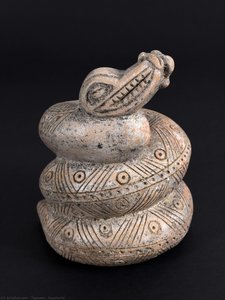
Circumcision Ceremony Drinking Bowl – A Window into Papua New Guinean Ritual
This exquisite wax sculpture, “Circumcision Ceremony Drinking Bowl,” offers a captivating glimpse into the rich cultural traditions of Papua New Guinea. Created in 2001 by Joyce Mary Arasepa Gole Ol, this piece transcends mere representation; it’s a tangible embodiment of ritual, symbolism, and the enduring power of ancestral practices. Measuring 14 x 25 cm, its intimate scale invites close contemplation, drawing the viewer into the heart of a sacred ceremony.
Sculptural Form and Geometric Harmony
The sculpture’s foundation lies in the masterful manipulation of wax – a technique that lends itself beautifully to capturing texture and detail. The artist skillfully carved or modeled intricate geometric patterns across the bowl's surface, employing repetitive motifs of triangles, diamonds, and zigzags. These shapes aren’t simply decorative; they are arranged with deliberate symmetry, suggesting an underlying order and reflecting the structured nature of the circumcision ceremony itself. The oval shape of the bowl, with its rounded opening, further enhances the piece’s organic form, grounding it in a sense of practicality and ritual use.
Earthly Palette and Tactile Texture
The color palette is dominated by earthy tones – rich browns ranging from deep chocolate to lighter beiges. This naturalistic approach immediately connects the sculpture to its origins, evoking images of the Papua New Guinean landscape and the materials used in traditional crafts. The artist’s use of wax allows for a remarkable tactile quality; the raised lines create a distinct contrast with recessed areas, producing a surface that feels both rough and smooth, inviting touch and stimulating the imagination. The soft, diffused lighting accentuates these textural variations, highlighting the sculpture's three-dimensional form.
Symbolism and Cultural Significance
Beyond its aesthetic qualities, “Circumcision Ceremony Drinking Bowl” carries profound symbolic weight. The repetition of geometric patterns likely represents continuity, cyclical nature of life events, or perhaps a connection to ancestral spirits – elements deeply embedded in the cultural beliefs surrounding circumcision rituals. Joyce Mary Arasepa Gole Ol’s work, rooted in her birth province of Oro, speaks directly to the traditions of her people, offering a powerful reminder of the importance of preserving and celebrating cultural heritage. The sculpture serves as a potent symbol of respect for these practices and the enduring values they represent.
A Legacy of Primitive Aesthetic
This piece embodies a “primitive aesthetic,” prioritizing form and texture over strict realism, reminiscent of folk art traditions. The wax medium, combined with the deliberate carving technique, creates an arresting visual impact – a testament to the artist’s skill and her deep connection to her cultural roots. This reproduction offers a unique opportunity to own a piece that bridges artistic expression with profound cultural significance, bringing a touch of Papua New Guinean artistry into your home or collection.
関連作品




アーティストの略歴
Robert Delaunay: A Revolutionary of Color and Light
Robert Delaunay, born Robert-Victor-Felix Delaunay on April 12th, 1885, in the bustling heart of Paris, was not merely a painter; he was a pioneer who fundamentally reshaped our perception of color and its expressive potential. His life, intertwined with that of his wife Sonia Delaunay, became a vibrant testament to artistic collaboration and a bold rejection of traditional aesthetic boundaries. From his early apprenticeship as a theatrical designer – a period that instilled in him an appreciation for visual harmony and dynamic composition – to his later explorations into abstraction, Delaunay’s career was marked by relentless experimentation and a profound belief in the inherent power of color itself. He died on October 25th, 1941, leaving behind a legacy as one of the most influential figures of the early 20th century.Early Influences and the Dawn of Divisionism
Delaunay’s artistic journey began within the framework of Neo-Impressionism, a movement he initially embraced in the early 1900s. This influence is evident in his early works like “Saint-Séverin,” where meticulously placed dots of color were used to recreate the shimmering light and atmosphere of the Parisian cathedral. However, Delaunay quickly recognized the limitations of this approach, finding it too reliant on a purely optical imitation of reality. He sought a more fundamental expression of color’s essence, leading him to develop his own distinctive style known as Divisionism – a technique that involved dissecting images into smaller, independent areas of color, allowing each hue to stand alone and interact with its neighbors. This method, often described as “controlled fragmentation,” liberated color from the constraints of form and allowed for a more dynamic and emotionally charged visual experience.The Birth of Orphism: A Symphony of Color
Around 1912, alongside his wife Sonia, Delaunay co-founded the movement known as Orphism – a term coined by the poet Guillaume Apollinaire, who recognized the group’s radical approach to color and form. Orphism wasn't simply about using bright colors; it was a philosophy of art centered on the belief that color itself possessed an independent existence and could be used to evoke emotions and sensations directly. Delaunay and Sonia experimented with circular forms, radiating lines, and bold, contrasting hues, creating paintings that resembled stained-glass windows or kaleidoscopic patterns. Their work rejected representational imagery in favor of pure visual sensation, aiming to create a “pure” artistic experience. Key works from this period include "Disc" (1912) and "Circular Forms" (1913), which exemplify the movement’s core principles.Abstraction and the Pursuit of Pure Color
Following World War I, Delaunay's style underwent a significant transformation. He moved away from the fragmented forms of Divisionism and embraced a more abstract approach, focusing on the interplay of color and light. His later paintings, such as “Endless Rhythm” (1930-31), are characterized by large, luminous fields of color that seem to vibrate with energy. These works represent a culmination of his lifelong exploration of color theory, informed by scientific research into the nature of light and perception. He believed that painting should be a purely visual art, independent of subject matter, and sought to create paintings that were not merely representations of objects but rather expressions of pure feeling.Legacy and Influence
Robert Delaunay’s impact on 20th-century art is undeniable. His pioneering work in color theory influenced a generation of artists, including Stanton Macdonald-Wright, Morgan Russell, Paul Klee, and even the German Expressionists. His emphasis on the independent existence of color paved the way for later developments in abstract expressionism and color field painting. Furthermore, his collaborative partnership with Sonia Delaunay established a unique model for artistic creation, demonstrating the power of shared vision and mutual inspiration. Today, Robert Delaunay’s paintings are celebrated for their vibrant energy, innovative use of color, and profound exploration of the visual world. His legacy continues to inspire artists and viewers alike, reminding us of the transformative potential of art to evoke emotion and expand our understanding of reality.
joyce mary arasepa gole ol
1941 - , Papua New Guinea
基本情報
- Artistic Movement Or Style:
- Divisionism
- Cubism
- Orphism
- Abstract art
- Artists Or Movements Influenced By This Artist:
- Stanton-Wright
- Morgan Russell
- Patrick Bruce
- Der Blaue Reiter
- Macke
- Marc
- Klee
- Benton
- Feininger
- Artists Who Influenced This Artist:
- Neoimpressionism
- Cézanne
- Date Of Birth: April 12, 1885
- Date Of Death: October 25, 1941
- Full Name: Robert Delaunay
- Nationality: French
- Notable Artworks:
- Endless Rhythm
- Cubism
- Orphic Cubism
- Simultanism
- Place Of Birth: Paris, France
関連記事

The Enduring Form: Exploring Themes & Techniques in Sculpture Across Historical Periods
Explore the rich history of sculpture from ancient masterpieces to contemporary innovations. Discover key techniques, influential artists & investment potential for discerning art collectors.

The Enduring Form: Sculpture Across History, Technique & Emotional Resonance
Explore the rich history of sculpture with ArtsDot. Discover key techniques, influential artists & investment potential for discerning collectors. Expert insights into valuing and collecting timeless masterpieces.

Bronze Age to Modern Masters: 10 Sculptures That Redefined Art | ArtsDot
Journey through art history with 10 legendary bronze sculptures – from Michelangelo's David to Rodin’s Thinker. Explore the stories, techniques & timeless beauty of these masterpieces. Find museum-quality reproductions & elevate your home decor on ArtsDot.com.
青銅彫刻の永続的遺産:歴史、技法、そして現代における解釈
青銅彫刻の歴史、技法、現代における解釈を専門家が解説。古代から現代までの貴重な作品群を深く理解し、コレクションや投資に役立つ情報を提供します。美術品鑑定、修復についてもご紹介。

Bronze Sculptures That Defined Art History | ArtsDot
Journey through art history with our Top 10 bronze sculptures! Explore masterpieces by Rodin, Michelangelo & more. Discover stories behind iconic statues and find museum-quality reproductions for your home decor at ArtsDot.com.