

 プレビュー
プレビュー
 プリントを購入
 シェアする
シェアする シェアする
シェアする
 詳細を見る
詳細を見る

 ダウンロード
 似ている作品
 X線調査
X線調査 スライドショー
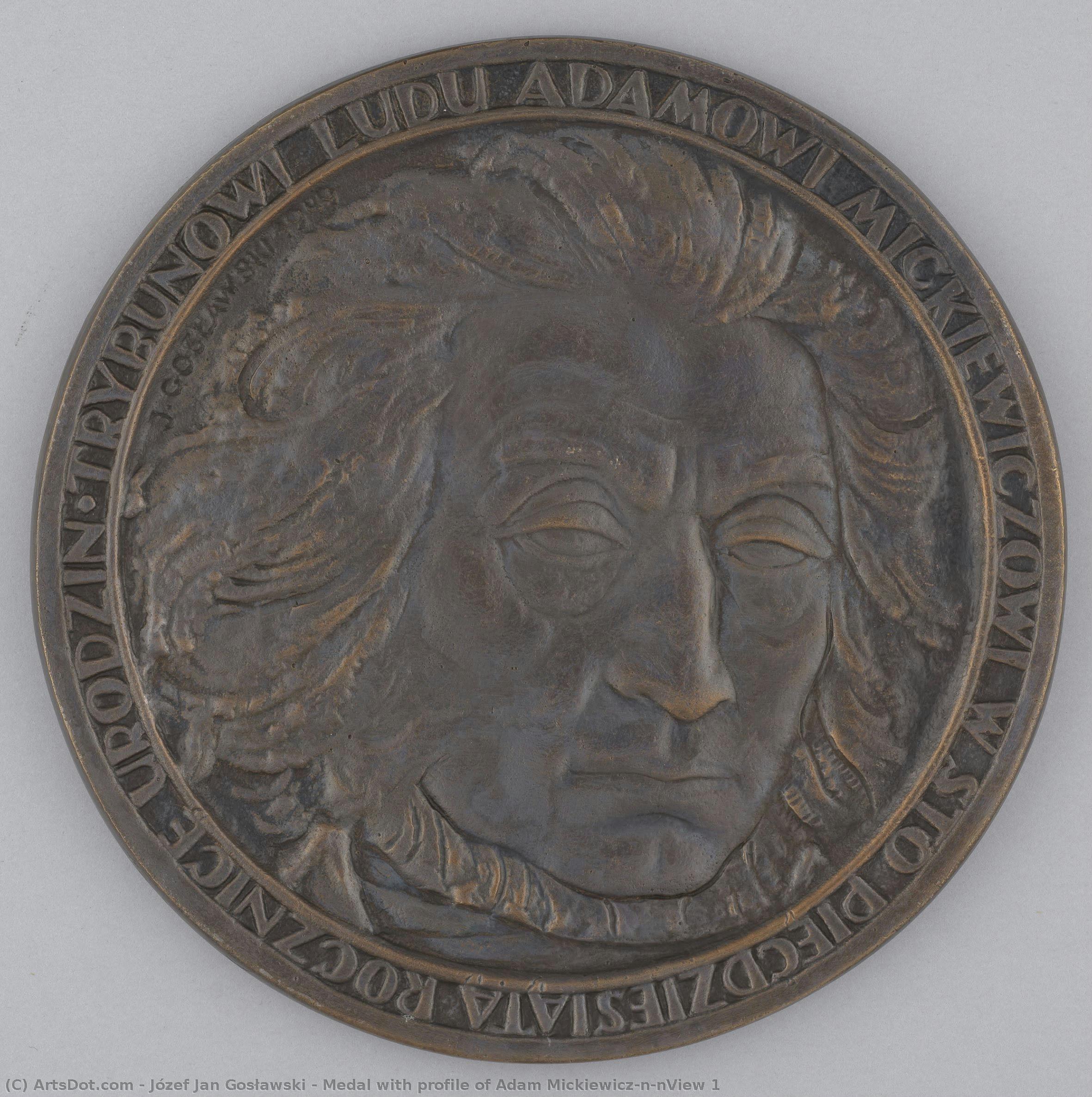
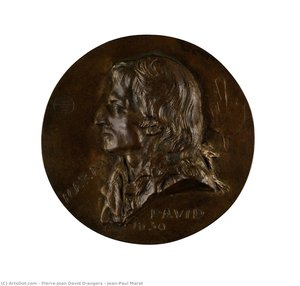
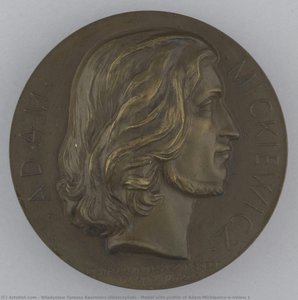
Medal with profile of Adam Mickiewicz\n\nView 1


 詳細を見る
詳細を見る
オンラインプレビューをはるかに凌ぐ、高解像度で鮮明なデジタル画像をご購入いただけます。
各ファイルは、社内の専門家が高度なツールと熟練した手作業によるレタッチを用いて、細心の注意を払って準備されています。すべての画像において、卓越した鮮明度、正確な色彩再現性、そして繊細なディテールを保証いたします。
最終ファイルは、プロフェッショナルな編集・印刷環境ですぐにご利用いただけるよう最適化された状態で、72時間以内にメールにてお届けいたします。これは、一流のデザインスタジオ、出版社、ギャラリーから信頼されているものと同等の品質です。
デジタル画像のご注文に付随する特典
高品質なデジタル画像配信を、確かな品質で。
ArtsDot.com を選ぶことは、単に画像を手に入れることではありません。それは、プロの手によって精密に仕上げられ、満足保証が付いた高品質なデジタルアートワークを受け取ることを意味します。ご注文いただいた際に自動的に付随する内容は、以下の通りです:

メールですぐにお届け
ご注文から72時間以内に、高解像度のデジタル画像ファイルがメールでお手元に届きます。すぐにそのままご利用いただけます。

AI技術で最適化されたデジタルファイル
お客様の作品は、高度なAIツールと専門家による手作業の編集を組み合わせてプロフェッショナルに最適化されており、細部のディテール、鮮明さ、そして正確な色再現性を最大限に引き出しています。

一生涯無料の再送サービス
ファイルを誤って削除したり、紛失してしまったりしましたか?ご安心ください。いつでも無料で再送いたします。

輸入手数料は一切かかりません
関税や手数料、配送料を気にすることなく、お気に入りのアートワークをすぐにお楽しみいただけます。デジタルダウンロードは常に免税です。

色彩再現の保証
プロ仕様のツールとカラーマネジメント技術を用いることで、デジタル画像が元の色を最大限に忠実に再現することを保証いたします。

60日間満足保証
ご購入いただいたデジタル画像にご満足いただけない場合は、60日以内であれば、修正または100%の返金(理由を問う必要はありません)をさせていただきます。

100% 返金保証
ご満足いただけない場合は、デジタルファイルを受け取ってから60日以内であれば、理由を問わず全額返金いたします。

まとめ買い割引
3枚購入で10%OFF - 5枚購入で15%OFF - 10枚以上購入で20%OFF。クリエイティブなプロジェクト、ギャラリー、エージェンシーに最適です。
A Bronze Echo of Polish Identity: Gosławski’s Portrait of Mickiewicz
Józef Jan Gosławski's "Medal with Profile of Adam Mickiewicz" stands as more than just a commemorative piece; it is a potent distillation of Polish national identity, rendered in the enduring language of bronze. Crafted during a period of immense social and political upheaval – the tumultuous early 20th century marked by shifting borders and fervent nationalist sentiment – this medal encapsulates the spirit of a nation grappling with its past and forging a distinct future. Gosławski, a sculptor deeply rooted in traditional craftsmanship yet unafraid to engage with modern concerns, masterfully employed his medium to create an image that resonates with both historical significance and timeless beauty.
The central figure is, undeniably, Adam Mickiewicz himself, Poland’s most celebrated poet. Gosławski's depiction isn't a flamboyant celebration of the Romantic hero, but rather a carefully considered portrait imbued with quiet dignity. The profile view emphasizes the weight of experience etched onto Mickiewicz’s face – lines suggesting contemplation and perhaps even melancholy. This deliberate choice invites viewers to connect with the poet not as an idealized figure, but as a human being wrestling with profound ideas and emotions. The Latin inscription encircling the portrait, “Ludum Adamowil Mickiewiczowi” (For the Games of Adam Mickiewicz), subtly references the poet’s prolific output, suggesting that his work provided solace and entertainment to the nation during challenging times.
Neoclassical Precision and Bronze's Tactile Language
Gosławski’s technical skill is immediately apparent in the meticulous detail of the bronze casting. The surface texture isn’t smooth or polished; instead, it reveals the inherent roughness of the material – a testament to the traditional methods employed. Tool marks are visible, adding a layer of authenticity and reminding us that this is not merely a reproduction but a tangible object born from human hands. The neoclassical style, prevalent during the period, dictates a focus on realistic representation and formal composition. The balanced arrangement of Mickiewicz’s features, the sharp lines defining his profile, and the carefully rendered details of his hair all contribute to an image of controlled elegance.
Bronze itself is a crucial element in this work. Its inherent weight and color – ranging from deep browns to shimmering coppers – lend a sense of permanence and gravitas to the medal. The material’s ability to capture intricate detail, combined with its resistance to corrosion, ensured that Mickiewicz's likeness would endure for generations. The choice of bronze was not arbitrary; it symbolized strength, resilience, and the enduring spirit of Poland.
Symbolism and a Nation in Transition
Beyond simply depicting a famous poet, Gosławski’s medal carries profound symbolic weight. Mickiewicz, with his passionate nationalism and exploration of Polish identity, became a central figure in the Romantic movement – a period characterized by a fervent desire for national self-determination. The medal served as a powerful reminder of Poland's cultural heritage and its aspirations for independence during a time when the country was partitioned among foreign powers. The inclusion of “Ludum Adamowil Mickiewiczowi” subtly acknowledges the role of art in providing solace and entertainment, even amidst hardship.
Furthermore, the medal’s design reflects the broader artistic trends of the early 20th century – a period marked by experimentation with form and subject matter. Gosławski skillfully blended traditional techniques with modern sensibilities, creating an image that is both historically informed and visually compelling. It's a testament to his ability to capture the essence of Polish identity within the constraints of a commemorative medal.
A Timeless Legacy: Reproduction and Artistic Resonance
Today, reproductions of Gosławski’s “Medal with Profile of Adam Mickiewicz” continue to resonate with audiences worldwide. The image's inherent beauty, combined with its historical significance, makes it a popular choice for collectors and interior designers alike. When selecting a reproduction, consider the quality of the materials used – ensuring that they faithfully capture the richness and texture of the original bronze casting. This medal is more than just an artwork; it’s a window into Polish history, a celebration of national identity, and a testament to the enduring power of art.
関連作品
作家の略歴
The Sculptor of Polish Identity: The Life and Legacy of Józef Jan Gosławski
In the turbulent landscape of twentieth-century Poland, where borders shifted like sand and national identity was often a matter of profound struggle, the work of Józef Jan Gosławski emerged as a steadfast anchor of permanence and grace. Born in 1908 in Polanówka, within the Lublin Governorate of Congress Poland, Gosławski’s very existence was intertwined with the complex tapestry of a nation seeking its voice. His artistic journey was not merely a personal pursuit of beauty but a rhythmic response to the historical tremors of his homeland. From his early years in Wąwolnica, surrounded by family—including his brother Stanisław, who would also follow the path of sculpture—Gosław and his contemporaries were shaped by a deep-seated reverence for craftsmanship and the enduring weight of tradition.
The foundations of Gosławski’s technical mastery were laid in the Building Crafts School in Kazimierz Dolny, under the guidance of Jan Koszczyc-Witkiewicz. This early immersion in design and materiality provided him with a rigorous discipline that would later allow him to navigate both the delicate precision of medallic art and the monumental demands of public sculpture. His education was a continuous evolution; after honing his skills in Kraków’s National Decorative Arts and Artistic Industry School, he eventually reached the prestigious Academy of Fine Arts in Kraków. There, under the tutelage of masters like Xawery Dunikowski, he began to synthesize classical training with the burgeoning modern sensibilities of his era. His thirst for excellence eventually led him to Rome, where he graduated from the Royal Academy of Fine Arts in 1937, an experience that infused his work with a Mediterranean clarity and a profound understanding of neoclassical precision.
A Mastery of Metal and Monument
Gosławski’s professional repertoire was remarkably diverse, spanning the intimate scale of a commemorative medal to the sweeping presence of public monuments. He possessed a rare ability to breathe life into cold bronze and silver, imbuing small objects with the gravity of history. His innovative coin designs, such as the iconic 5 złoty piece featuring a fisherman, became more than mere currency; they were tactile symbols of Polish industriousness and heritage that circulated through the hands of the citizenry. In his medallic work, particularly pieces like the Medal with Profile of Adam Mickiewicz, Gosławski demonstrated an extraordinary capacity for portraiture. He did not merely replicate a likeness but captured the very essence of the subject—rendering the great poet with a quiet dignity and a contemplative melancholy that resonated with a nation grappling with its own fate.
Beyond the small-scale brilliance of his medals, Gosławski’s monumental works left an indelible mark on the Polish landscape. His dedication to commemorating national icons is perhaps best exemplified by the Frédéric Chopin Monument in Żelazowa Wola, a work that embodies the intersection of musical genius and sculptural form. His ability to command large-scale space allowed him to create landmarks that served as sites of collective memory. Whether through the symbolic weight of his "Never War" sculpture or his meticulous preservation efforts at the Royal Castle in Warsaw, Gosławski’s career was a continuous dialogue with the concept of permanence. Even during the dark years of the Second World War, when he retreated to Wąwolnica, his connection to the artistic and cultural survival of Poland remained unbroken.
Artistic Influences and Historical Significance
The aesthetic language of Gosławski was a sophisticated blend of tradition and contemporary experimentation. While he remained deeply rooted in classical techniques, he was not immune to the avant-garde currents of his time. He drew inspiration from the geometric abstractions of Stanisław Szukalski, yet he maintained a distinct independence, eschewing the more radical doctrines of the Horned Heart Tribe in favor of a more balanced, humanist approach. This equilibrium allowed his work to remain accessible and emotionally resonant across different political epochs. His technical skill was characterized by a tactile honesty; in his bronze castings, one can often perceive the subtle tool marks and the inherent texture of the medium, reminding the viewer of the physical labor and intellectual rigor required to transform raw material into art.
The legacy of Józef Jan Gosławski is found not only in museums but in the very fabric of Polish cultural memory. As a recipient of the Silver Cross of Merit and a leader within various artistic associations, he played a pivotal role in the institutional life of Polish art. His contributions can be summarized through several key pillars of his impact:
- National Symbolism: Creating much-loved icons like the fisherman coin that reinforced a sense of shared identity.
- Commemorative Excellence: Utilizing the medium of bronze to immortalize figures such as Adam Mickiewicz and Frédéric Chopin.
- Educational Leadership: Serving as a professor and chair in Poznań, ensuring the transmission of sculptural traditions to future generations.
- Cultural Preservation: Contributing to the conservation of historical landmarks, most notably the Royal Castle in Warsaw.
Ultimately, Gosławski was an artist who understood that sculpture is a dialogue between the past and the future. His work stands as a testament to the resilience of the human spirit and the power of art to provide stability in an era of profound change.
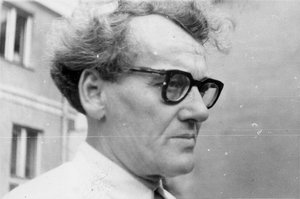
józef jan gosławski
1908 - 1963 , Poland
プロフィール概要
- Artistic Movement Or Style: Neoclassical
- Artists Who Influenced This Artist: ['Stanisław Szukalski']
- Date Of Birth: April 24, 1908
- Date Of Death: January 23, 1963
- Full Name: Józef Jan Gosławski
- Nationality: Polish
- Notable Artworks:
- 5 zł coin with fisherman
- Monument of Frédéric Chopin in Żelazowa Wola
- Year 1939 medal
- Place Of Birth: Polanówka, Poland

