

 プレビュー
プレビュー
 プリントを購入
 シェアする
シェアする シェアする
シェアする
 詳細を見る
詳細を見る

 ダウンロード
 似ている作品
 X線調査
X線調査 スライドショー
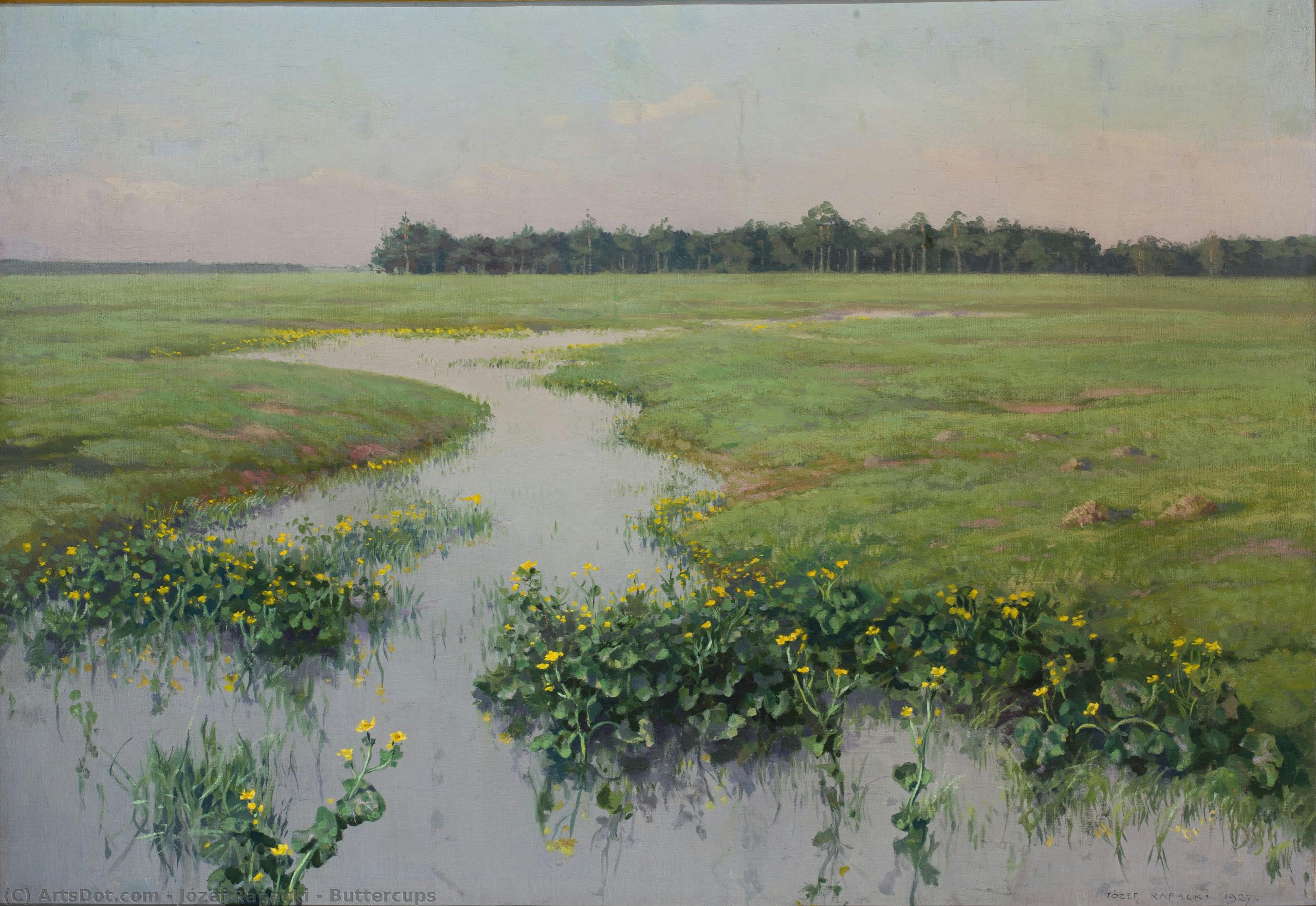
バターカップ
 キャンバスに油彩
- ウォールアート
- Polish Realism
 1927
1927 115.0 x 162.0 cm
 ポーランド議会
 詳細を見る
詳細を見る
オンラインプレビューをはるかに凌ぐ、高解像度で鮮明なデジタル画像をご購入いただけます。
各ファイルは、社内の専門家が高度なツールと熟練した手作業によるレタッチを用いて、細心の注意を払って準備されています。すべての画像において、卓越した鮮明度、正確な色彩再現性、そして繊細なディテールを保証いたします。
最終ファイルは、プロフェッショナルな編集・印刷環境ですぐにご利用いただけるよう最適化された状態で、72時間以内にメールにてお届けいたします。これは、一流のデザインスタジオ、出版社、ギャラリーから信頼されているものと同等の品質です。
デジタル画像のご注文に付随する特典
高品質なデジタル画像配信を、確かな品質で。
ArtsDot.com を選ぶことは、単に画像を手に入れることではありません。それは、プロの手によって精密に仕上げられ、満足保証が付いた高品質なデジタルアートワークを受け取ることを意味します。ご注文いただいた際に自動的に付随する内容は、以下の通りです:

メールですぐにお届け
ご注文から72時間以内に、高解像度のデジタル画像ファイルがメールでお手元に届きます。すぐにそのままご利用いただけます。

AI技術で最適化されたデジタルファイル
お客様の作品は、高度なAIツールと専門家による手作業の編集を組み合わせてプロフェッショナルに最適化されており、細部のディテール、鮮明さ、そして正確な色再現性を最大限に引き出しています。

一生涯無料の再送サービス
ファイルを誤って削除したり、紛失してしまったりしましたか?ご安心ください。いつでも無料で再送いたします。

輸入手数料は一切かかりません
関税や手数料、配送料を気にすることなく、お気に入りのアートワークをすぐにお楽しみいただけます。デジタルダウンロードは常に免税です。

色彩再現の保証
プロ仕様のツールとカラーマネジメント技術を用いることで、デジタル画像が元の色を最大限に忠実に再現することを保証いたします。

100日間満足保証
ご購入いただいたデジタル画像にご満足いただけない場合は、100日以内であれば、理由を問わず修正または100%の返金対応をさせていただきます。

100% 返金保証
ご満足いただけない場合は、デジタルファイルを受け取ってから100日以内であれば、理由を問わず全額返金いたします。

まとめ買い割引
3枚購入で10%OFF - 5枚購入で15%OFF - 10枚以上購入で20%OFF。クリエイティブなプロジェクト、ギャラリー、エージェンシーに最適です。
Józef Rapacki の作品「バターカップ」について:ポーランドの懐かしさを表現した画家
マゾヴィアの風景を愛する画家、ヨゼフ・ラパックィが描いた絵画「バターカップ」(Buttercups)は、1927年に制作されました。この作品は、当時のポーランド美術におけるリアリズムの影響を受けながらも、単なる写実的な描写を超えた深い感動と詩情を呼び起こします。彼の芸術人生は、政治的な変動の中で展開されながらも、彼は常に故郷のマゾヴィアの美しい風景に心を寄せました。 ラパックィは劇場界で活躍する家族の中で育ちましたが、14歳の頃に絵画の世界に足を踏み入れました。ヴォイエホシュ・ゲルソンの指導のもとクラクフ美術アカデミーで学び始め、彼はポーランドリアリズムの重要な人物でした。ゲルソンの影響は、自然を観察し解釈することへの深い愛情へと結びつけられました。この経験は彼の絵画技法に大きな影響を与え、特に水彩画における繊細な表現力と色彩感覚を養うことになりました。「バターカップ」においても、彼はこれらの要素を巧みに取り入れ、作品全体に独特の雰囲気を作り出しています。 この絵画は広大な湿地帯の風景を描いています。前景には広い水路があり、その水は緩やかに流れ込みながら遠くまで広がっています。水辺には黄色のバタフライが咲き誇り、緑豊かな草地と並びます。背景には遠くに立ち並ぶ森が見え、絵画全体に奥行きと広がりを感じさせます。ラパックィは特に水面の光景を表現することにこだわりを持っており、その微妙な色彩変化と質感を生かした筆致が特徴です。彼は風景の美しさを忠実に捉えるだけでなく、画家自身の感情や記憶を絵の中に投影しているように感じられます。 「バターカップ」におけるリアリズムのスタイルは、当時のポーランド美術において重要な役割を果たしました。ゲルソンの指導の下で培われた技術と芸術的感覚は、ラパックィが他の多くの作品にも反映されています。彼は特に水彩画技法に優れており、その繊細な筆致と色彩感覚は、「バターカップ」の印象的な表現力に貢献しています。この絵画は単なる風景画ではなく、画家がマゾヴィアの美しい自然を愛し、その感動を表現した作品と言えるでしょう。彼の作品は、当時のポーランド社会における伝統的な価値観や美意識を反映しており、現代の人々にも深い共感と感動を与えます。 この絵画は美術愛好家やコレクターだけでなく、インテリアデザイナーにとっても魅力的な選択肢です。「バターカップ」の色彩豊かな表現力と繊細な筆致は、モダンな空間に温かさと自然を感じさせます。特に水辺の風景をモチーフにしたインテリアデザインは人気があり、「バターカップ」のような絵画は、その美しい色彩と質感を生かして空間に特別な雰囲気を与えることができます。この作品は、ポーランド美術史における重要な遺産であり、芸術家ヨゼフ・ラパックィの卓越した技術と芸術的才能を示すとともに、マゾヴィアの風景美を永遠に表現しています。関連作品


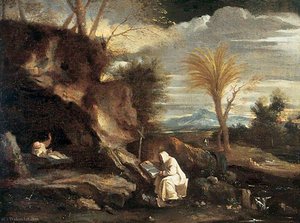
作家の略歴
A Nostalgic Vision of Poland: The Life and Art of Józef Rapacki
Józef Rapacki, born in Warsaw in 1871, was a painter deeply attuned to the soul of the Polish countryside. His life unfolded against a backdrop of shifting political landscapes and burgeoning artistic movements, yet his work remained steadfastly rooted in a nostalgic portrayal of Mazovia – the historical region that became both his muse and his enduring legacy. Coming from a theatrical family—his father an actor, writer, and translator, with siblings following similar paths—Rapacki initially seemed destined for the stage. However, at the age of fourteen, he discovered his true calling within the lines and washes of drawing, enrolling in classes taught by Wojciech Gerson, a prominent figure in Polish Realism. This early mentorship instilled in him not only technical skill but also a deep appreciation for observing and interpreting the natural world. His subsequent studies at the Kraków Academy of Fine Arts under Izydor Jabłoński, Florian Cynk, and Feliks Szynalewski further refined his abilities, preparing him for a journey that would ultimately define his artistic identity.From Munich to Mazovia: Artistic Development and Influences
Rapacki’s artistic development was significantly shaped by his time in Munich, where he studied with Conrad Fehr beginning in 1889. Exposure to the “Munich School” broadened his perspective, influencing his approach to composition and color. However, it was a study trip to Italy around 1898 that truly ignited his passion for landscape painting. He returned to Poland imbued with a desire to capture the unique beauty of his homeland. Initially working in landscapes, cityscapes, and genre scenes, Rapacki gradually focused on the Mazovian countryside, drawn to its vast plains, scattered woodlands, and humble rural life. His work began appearing in prominent Warsaw periodicals like *Tygodnik Ilustrowany*, and he illustrated works by Ignacy Krasicki, demonstrating his versatility as an artist. He exhibited at the Exposition Universelle in 1900, gaining international recognition for his talent. This period saw him absorbing influences from various sources, yet always filtering them through a distinctly Polish sensibility. The Barbizon School’s emphasis on direct observation and natural light would later become particularly evident in his work.Landscapes of the Heart: Style and Subject Matter
Józef Rapacki's paintings are characterized by their quiet realism, luminous atmosphere, and a profound sense of tranquility. He masterfully captured the subtle nuances of light and shadow, imbuing his landscapes with an almost ethereal quality. His palette favored muted tones—soft greens, browns, grays, and ochres—reflecting the natural colors of the Mazovian countryside. While he occasionally depicted figures within his scenes – peasant women gathering mushrooms or working in fields – they were rarely the focal point; instead, they served to enhance the sense of place and evoke a feeling of harmony between humanity and nature. He became known as “the painter of birches and lilac heathers,” subjects that recurred frequently throughout his oeuvre. His compositions often feature expansive vistas, drawing the viewer into the depth of the landscape and creating a sense of spaciousness. Buttercups, painted in 1927, exemplifies this style—a vibrant marsh scene rendered with delicate brushwork and bathed in golden light. Similarly, Mushroom Picking (1910) showcases his ability to capture the serenity of rural life, inspired by the Barbizon School’s approach to depicting everyday scenes.Wartime Reflections and Lasting Legacy
Rapacki's life was marked by personal hardship; a severe lung ailment forced him to relocate from Warsaw to Kraków and eventually to Olszanka, where he found solace in the landscapes that would become his signature subject matter. The outbreak of World War I brought new challenges and responsibilities. He contributed numerous drawings to the Warsaw press, including the powerful series *Prusak w Polsce* (“Prussian in Poland”), which served as propaganda during the Silesian Uprisings. This work demonstrates Rapacki’s willingness to use his art for a political purpose, reflecting his deep patriotism and concern for the fate of Poland. He passed away in Olszanka in 1929, leaving behind a rich artistic legacy that continues to resonate with audiences today. His paintings can be found in prominent museums such as the Muzeum w Warszawie and the Museum Pomorskie (Danzig), ensuring his place within the canon of Polish art history. Józef Rapacki’s work offers more than just picturesque scenes; it provides a poignant glimpse into a vanishing way of life, a nostalgic tribute to the beauty and spirit of Mazovia, and a testament to the enduring power of landscape painting.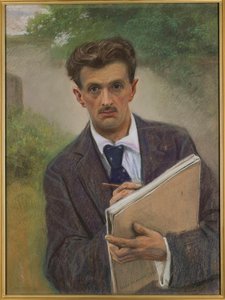
Józef Rapacki
1871 - 1929 , Poland
プロフィール概要
- Artistic Movement Or Style: Realism, Munich School
- Artists Who Influenced This Artist:
- Wojciech Gerson
- Conrad Fehr
- Date Of Birth: March 19, 1871
- Date Of Death: January 31, 1929
- Full Name: Józef Rapacki
- Nationality: Polish
- Notable Artworks:
- Buttercups
- Mushroom Picking
- Before Spring
- Place Of Birth: Warsaw, Poland