


 プレビュー
プレビュー
 プリントを購入
 シェアする
シェアする シェアする
シェアする
 詳細を見る
詳細を見る

 ダウンロード
 似ている作品
 X線調査
X線調査 スライドショー
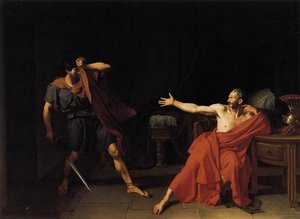
Phidias Chiselling the Bust of Zeus
 Oil
Oil- WallArt
- Baroque
 1802
1802- 19th Century
 99.0 x 74.0 cm
 Academy of Fine Arts Vienna
 詳細を見る
詳細を見る
オンラインプレビューをはるかに凌ぐ、高解像度で鮮明なデジタル画像をご購入いただけます。
各ファイルは、社内の専門家が高度なツールと熟練した手作業によるレタッチを用いて、細心の注意を払って準備されています。すべての画像において、卓越した鮮明度、正確な色彩再現性、そして繊細なディテールを保証いたします。
最終ファイルは、プロフェッショナルな編集・印刷環境ですぐにご利用いただけるよう最適化された状態で、72時間以内にメールにてお届けいたします。これは、一流のデザインスタジオ、出版社、ギャラリーから信頼されているものと同等の品質です。
デジタル画像のご注文に付随する特典
高品質なデジタル画像配信を、確かな品質で。
ArtsDot.com を選ぶことは、単に画像を手に入れることではありません。それは、プロの手によって精密に仕上げられ、満足保証が付いた高品質なデジタルアートワークを受け取ることを意味します。ご注文いただいた際に自動的に付随する内容は、以下の通りです:

メールですぐにお届け
ご注文から72時間以内に、高解像度のデジタル画像ファイルがメールでお手元に届きます。すぐにそのままご利用いただけます。

AI技術で最適化されたデジタルファイル
お客様の作品は、高度なAIツールと専門家による手作業の編集を組み合わせてプロフェッショナルに最適化されており、細部のディテール、鮮明さ、そして正確な色再現性を最大限に引き出しています。

一生涯無料の再送サービス
ファイルを誤って削除したり、紛失してしまったりしましたか?ご安心ください。いつでも無料で再送いたします。

輸入手数料は一切かかりません
関税や手数料、配送料を気にすることなく、お気に入りのアートワークをすぐにお楽しみいただけます。デジタルダウンロードは常に免税です。

色彩再現の保証
プロ仕様のツールとカラーマネジメント技術を用いることで、デジタル画像が元の色を最大限に忠実に再現することを保証いたします。

60日間満足保証
ご購入いただいたデジタル画像にご満足いただけない場合は、60日以内であれば、修正または100%の返金(理由を問う必要はありません)をさせていただきます。

100% 返金保証
ご満足いただけない場合は、デジタルファイルを受け取ってから60日以内であれば、理由を問わず全額返金いたします。

まとめ買い割引
3枚購入で10%OFF - 5枚購入で15%OFF - 10枚以上購入で20%OFF。クリエイティブなプロジェクト、ギャラリー、エージェンシーに最適です。
A Moment Frozen in Marble and Spirit
In the evocative masterpiece Phidias Chiselling the Bust of Zeus, the late 18th-century Hungarian master József Dorffmeister invites us into a profound moment of creative transcendence. The painting captures the legendary Greek sculptor Phidias caught in a state of intense spiritual and physical exertion as he works upon the divine features of Zeus. There is a palpable tension in the air, a sense that the boundary between the mortal artist and the immortal deity is thinning with every strike of the chisel. Dorffmeister utilizes a dramatic composition where the subject’s raised hands and expressive gestures suggest not just manual labor, but a form of prayerful communication with the divine. The rich, crimson tones of his robes provide a striking focal point against the surrounding scene, drawing the eye toward the heart of this creative struggle.
The atmosphere of the work is thick with the theatricality characteristic of the late Baroque and early Romantic transitions. As we gaze upon the scene, we are not merely observers of a workshop, but witnesses to a historical drama. The presence of other figures in the background—some seated in quiet contemplation, others standing as silent sentinators of the process—adds layers of social and narrative depth. A subtle inclusion of a clock on the wall serves as a poignant memento mori, reminding the viewer of the fleeting nature of human life in contrast to the eternal endurance of the stone and the gods it seeks to represent. This interplay between the temporal and the eternal is what gives Dorffmeister’s work its enduring emotional resonance.
Technical Mastery and Aesthetic Elegance
Technically, this piece stands as a testament to Dorffmeister’s exceptional ability to manipulate light and shadow to evoke emotion. The artist employs a sophisticated use of chiaroscuro, allowing light to dance across the textures of fabric, skin, and stone. This technique breathes life into the inanimate, making the marble of the bust appear almost soft under the sculptor's touch, while simultaneously highlighting the rugged determination in Phidias’s posture. For the discerning collector or interior designer, this painting offers a magnificent sense of depth and movement that can anchor a room with its classical gravity.
The color palette is both warm and commanding, making it an ideal centerpiece for spaces that require a touch of historical prestige and intellectual stimulation. Whether placed in a grand library, a formal dining hall, or a sophisticated contemporary study, the painting brings with it a legacy of European fine art. Owning a high-quality reproduction of this work means more than just decorating a wall; it is about curating an environment of reflection, celebrating the timeless human pursuit of beauty and the eternal quest to capture the divine through the medium of art.
関連作品


作家の略歴
The Baroque Vision of József Dorffmeister
József Dorffmeister, born in Sopron, Hungary, in 1764, was a pivotal figure in the late 18th-century Hungarian art scene – a painter deeply rooted in the traditions of Baroque and Rococo, yet possessing a distinctly individual vision. His life, tragically cut short at the age of forty-three in 1807, coincided with a period of significant artistic ferment within the Habsburg Empire, a time when established styles were being challenged by emerging Romantic ideals. Dorffmeister’s work offers a fascinating glimpse into this transitional era, showcasing both technical mastery and a profound sensitivity to religious subject matter and the human condition. He wasn't merely a craftsman; he was an interpreter of faith and emotion, meticulously rendering scenes that resonated with spiritual depth and dramatic intensity.Early Life and Artistic Training
Dorffmeister’s artistic journey began within his family – his father, also named József Dorffmeister (or Dorffmaister), was a respected painter in his own right, primarily working as an architect painter. This familial connection provided him with an invaluable foundation, immersing young József in the practicalities and aesthetics of visual representation from an early age. He received formal training at the Vienna Academy, a prestigious institution that nurtured numerous talents during this period. However, unlike many of his contemporaries who sought to emulate the grand styles of Italian masters, Dorffmeister seemed to absorb the lessons of the Academy while simultaneously forging his own unique approach – one characterized by a rich palette, dynamic compositions, and an almost theatrical use of light and shadow.Religious Art and Architectural Decoration
Dorffmeister’s most enduring legacy lies in his prolific output of religious paintings and architectural decorations. He was particularly sought after for his frescoes, adorning significant buildings throughout Hungary and beyond. The Episcopal Palace in Szombathely stands as a testament to his skill, housing a breathtaking cycle of scenes from the life of Christ – works that demonstrate his ability to convey profound emotion through carefully rendered figures and evocative settings. Similarly, his contributions to the Rippl-Rónai Museum in Győr are equally impressive, showcasing his talent for creating immersive environments filled with spiritual resonance. These commissions demanded not only artistic skill but also a deep understanding of architectural principles and decorative techniques, further refining his craft.Key Characteristics and Artistic Style
Dorffmeister’s style is often described as Baroque, yet it possesses subtle nuances that distinguish him from purely traditional practitioners. His compositions are frequently dynamic and theatrical, employing diagonal lines and dramatic gestures to draw the viewer's eye and heighten emotional impact. He favored a rich, saturated color palette – deep reds, blues, and golds dominating his works—creating a sense of opulence and grandeur. A key element of his style is his masterful use of chiaroscuro, the interplay of light and shadow, which he employed to sculpt forms, create depth, and imbue his scenes with an atmosphere of mystery and drama. His portraits, though less numerous than his religious works, reveal a keen eye for capturing personality and a subtle understanding of psychological expression.Influences and Legacy
While firmly rooted in the Baroque tradition, Dorffmeister’s work was undoubtedly influenced by the artistic currents of his time. The influence of Italian artists like Caravaggio and Rubens is evident in his dramatic use of light and shadow, while the burgeoning Romantic movement—with its emphasis on emotion and individualism—can be glimpsed in his heightened sense of drama and psychological depth. József Rippl-Rónai, a contemporary painter who also worked extensively in Szombathely, shared Dorffmeister’s artistic sensibilities and often collaborated with him. Today, Dorffmeister's paintings are housed primarily in the Rippl-Rónai Museum in Győr and the Szombathely Episcopal Palace, offering visitors a rare opportunity to experience the beauty and power of his Baroque vision. His work continues to be studied and admired for its technical skill, emotional depth, and enduring spiritual resonance, solidifying his place as one of Hungary’s most important 18th-century painters.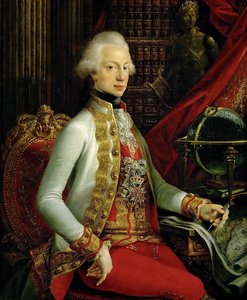
józsef dorffmeister
1764 - 1807 , Hungary
プロフィール概要
- Artistic Movement Or Style: Baroque Frescoes
- Artists Or Movements Influenced By This Artist: ['Rippl-Rónai']
- Artists Who Influenced This Artist: ['Father Dorffmeister']
- Date Of Birth: 1764, Sopron
- Date Of Death: 1807, Sopron
- Full Name: József Dorffmeister
- Nationality: Hungarian
- Notable Artworks: ['Phidias Chiselling the Bust of Zeus']
- Place Of Birth: Sopron, Hungary

