

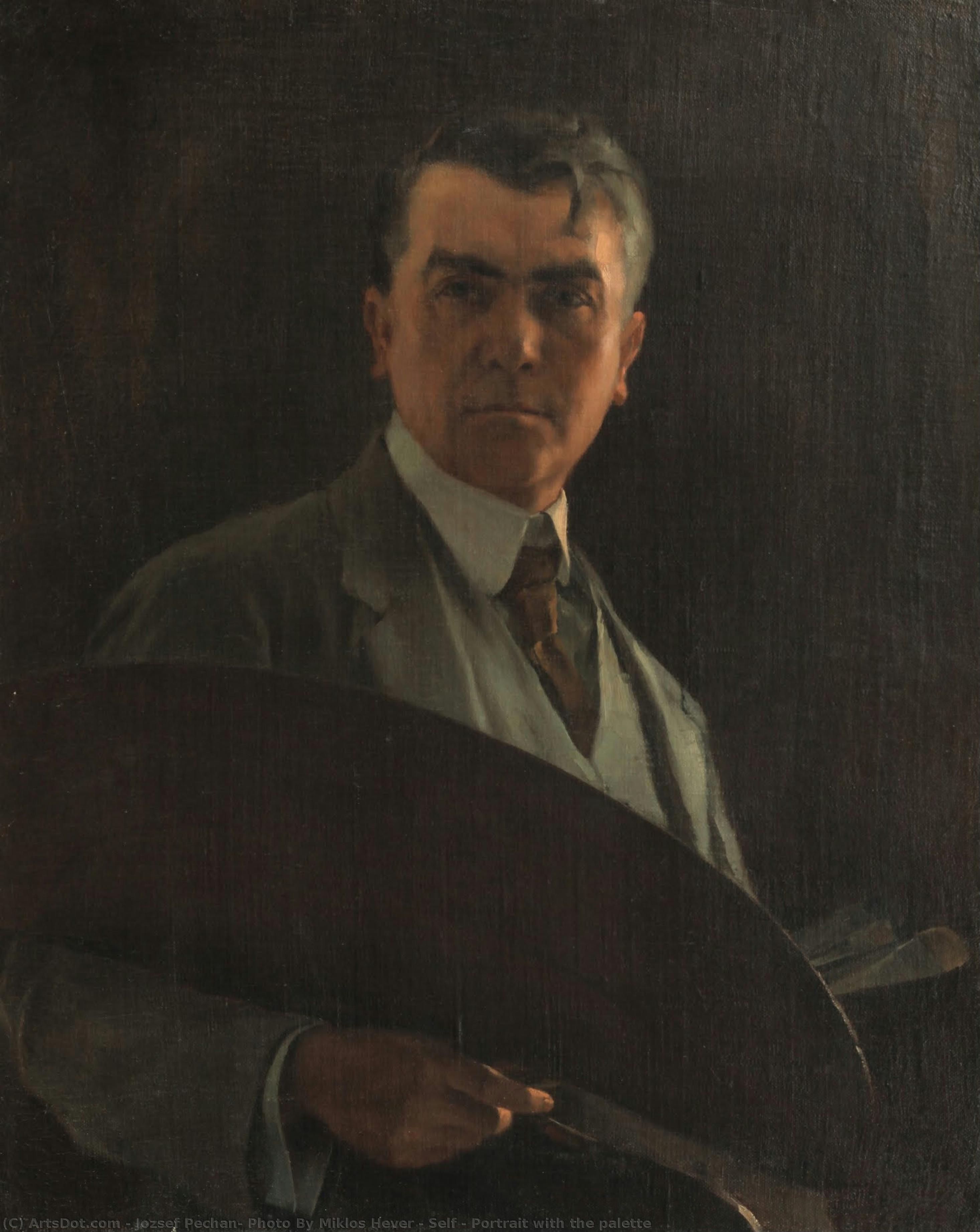
 プレビュー
プレビュー
 シェアする
シェアする シェアする
シェアする
 詳細を見る
詳細を見る

 ダウンロード
 似ている作品
 X線調査
X線調査 スライドショー
 統計情報
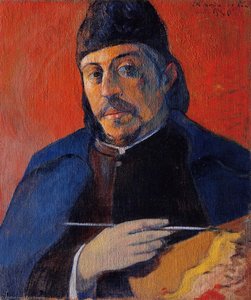
統計情報Self - Portrait with the palette


 詳細を見る
詳細を見る
手描き油彩複製画
当社のアーティストが、お客様のご希望のサイズと額縁に合わせて、キャンバスに手描きで制作する油彩画です。 ( プリント版に切り替え デジタル画像販売へ切り替え)




































作品のオリジナル比率に合わせた、当店の規定サイズからお選びください。

特定のフレームやスペースに合わせて、ご希望のサイズをご入力いただけます。選択されたサイズが元の画像の比率と異なる場合、アートワークをトリミングするか、手描きで要素を追加して絵画を拡張いたします。デジタルモックアップ を制作し、制作開始前にご確認(承認)をいただきます。
画面上のプレビューは、実際のトリミングや拡張を正確に反映しているものではありません。最終的な構図は、モックアップによってのみ正確にご確認いただけます。
カスタムサイズもご利用いただけますが、元の比率を維持するためには、あらかじめ用意されたリストからサイズを選択することをお勧めいたします。
ご注文後、ArtsDot.com チームより詳細な指示をお送りするとともに、仕上がりイメージ(モックアップ)をご提供いたします。


 ガラスオプションは、110cm未満のサイズでのみご利用いただけます。

Self - Portrait with the palette
複製技法
複製画のサイズ
-


合計金額
$ 263
関連作品
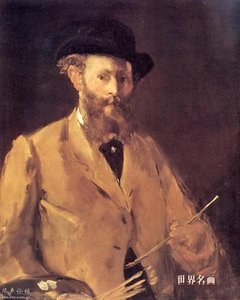
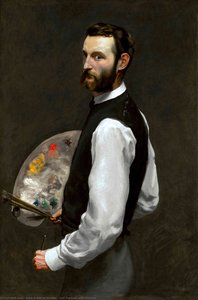
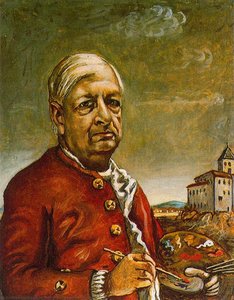
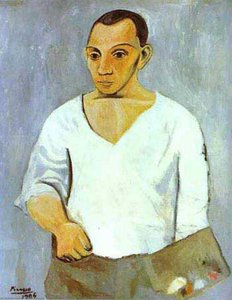
アーティストの略歴
Henri Matisse: A Life Painted in Color
Born Henri Émile Benoît Matisse on December 31, 1869, in Cateau-Bessaise, France, the young artist’s early life was marked by a quiet, introspective nature. His father, a doctor, and his mother, a music teacher, fostered an appreciation for beauty and artistic expression within the family. Unlike many of his peers, Matisse showed little interest in traditional academic pursuits, instead gravitating towards drawing and sketching from a young age. This nascent talent led him to study law at the École Supérieure des Beaux-Arts in Paris, but he quickly abandoned legal studies to pursue his passion for art. It was in 1887 that he enrolled at the Académie Julian, marking the beginning of his formal artistic training.
Matisse’s early work reflected a strong influence from Impressionism and Post-Impressionism. He initially experimented with darker palettes and realistic depictions, drawing inspiration from artists like Gustave Moreau and Paul Gauguin. However, it was during the late 1890s that Matisse began to develop his distinctive style – a vibrant explosion of color and bold forms that would come to define his legacy. This period saw him exploring themes of mythology, folklore, and everyday life, often depicting scenes of leisure and beauty with an almost dreamlike quality.
The Fauvist Revolution
Matisse’s radical departure from traditional artistic conventions firmly established him as a pivotal figure in the Fauvist movement. Emerging around 1905, Fauvism was characterized by its unrestrained use of color, often applied with arbitrary and non-naturalistic hues. Matisse, along with André Derain and Maurice de Vlaminck, embraced this approach wholeheartedly, rejecting the muted tones and subtle gradations of Impressionism in favor of intense, saturated colors that seemed to vibrate on the canvas. Works like *Woman with a Hat* (1905) and *The Joy of Life* (1906) exemplify this bold experimentation, showcasing his masterful manipulation of color to create dynamic and emotionally charged compositions.
Despite initial criticism for its unconventional style, Fauvism quickly gained recognition as a groundbreaking movement that challenged the established norms of the art world. Matisse’s influence extended beyond color; he also explored simplified forms, flattened perspectives, and decorative patterns, contributing significantly to the development of modern art. His work during this period demonstrated a remarkable ability to capture not just the appearance of objects but also their essence – their vitality and emotional resonance.
Mature Style and Artistic Evolution
Following the initial fervor of the Fauvist era, Matisse continued to refine his artistic style, moving away from the purely decorative aspects of his earlier work. In the 1910s, he developed a more rigorous approach, emphasizing geometric forms, balanced compositions, and subtle color variations. This period saw him create iconic works such as *La Danse* (1910-12) and *L’Atelier Rouge* (1911), which showcased his mastery of line, shape, and color to convey a sense of harmony and dynamism.
In 1917, Matisse relocated to Nice, on the French Riviera, seeking respite from the turmoil of World War I. This move brought about a significant shift in his artistic style, characterized by a more relaxed and lyrical approach. His palette became lighter and brighter, and he began to incorporate elements of Mediterranean landscapes into his paintings. During this period, he created some of his most beloved works, including *Blue Nude* (1908) and *The Snail* (1953), which embody a sense of tranquility and contemplation.
Legacy and Influence
Henri Matisse’s impact on the art world is immeasurable. He not only pioneered new techniques in color and composition but also fundamentally altered our perception of what painting could be. His work continues to inspire artists today, demonstrating the power of color to evoke emotion, create beauty, and transform the ordinary into the extraordinary.
Beyond his contributions to painting, Matisse’s influence extends to sculpture, printmaking, and collage. He was a prolific artist who constantly experimented with new materials and techniques throughout his long career. His legacy is secured not only through his vast body of work but also through his enduring impact on the development of modern art.
Matisse died on November 3, 1954, leaving behind a rich artistic heritage that continues to captivate and inspire audiences worldwide. His vibrant colors, bold forms, and unwavering commitment to artistic innovation ensure that he will remain one of the most important figures in the history of art.
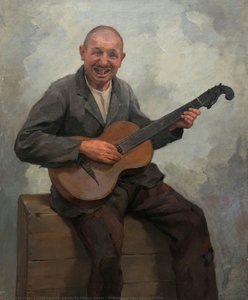
jozsef pechan, photo by miklos hever
1913 - , Serbia
基本情報
- Artistic Movement Or Style:
- Fauvism
- Modernism
- Post-Impressionism
- Artists Or Movements Influenced By This Artist:
- André Derain
- Maurice de Vlaminck
- Cubism
- Artists Who Influenced This Artist:
- Paul Cézanne
- Vincent van Gogh
- Edgar Degas
- Date Of Birth: December 31, 1869
- Date Of Death: November 3, 1954
- Full Name: Henri Matisse
- Nationality: French
- Notable Artworks:
- Woman with a Hat
- The Joy of Life
- Blue Nude
- Dance
- Red Studio
- Place Of Birth: Cateau-Béart, France
関連記事
Oil on Board Masters: 10 Paintings That Redefined Art | ArtsDot
Explore 10 legendary 'Oil on Board' masterpieces by Van Gogh, Monet & more! Discover art history, iconic styles like Impressionism, and find museum-quality reproductions to elevate your home decor. Explore the full collection online at ArtsDot.com.

The Enduring Power of Painting: A Historical & Contemporary Exploration of Form and Emotion
Explore the rich history & enduring techniques of oil painting with ArtsDot. Discover masterpieces, learn about art collecting, and find authentic handmade reproductions crafted by skilled artists.

The Enduring Legacy of Oil on Canvas: Technique, History & Aesthetic Impact
Explore the rich history & techniques of oil painting – from Renaissance masters to Impressionism. Discover pigments, layering methods, and why this timeless medium endures. Expert insights for artists & art enthusiasts.

Oil on Canvas: A Historical & Technical Exploration of a Timeless Artistic Medium
Explore the rich history & enduring techniques of oil painting on canvas. Discover the science behind its longevity, conservation practices, and contemporary relevance. Expert insights for art enthusiasts.
Reflecting the Self: A History of Portraiture & Psychological Insight
Explore the fascinating history of self-portraiture from Renaissance masters like Dürer & Rembrandt to modern interpretations. Discover the psychological insights and artistic techniques behind these iconic works. Expert analysis for art enthusiasts.