

 プレビュー
プレビュー
 プリントを購入
 シェアする
シェアする シェアする
シェアする
 詳細を見る
詳細を見る

 ダウンロード
 似ている作品
 X線調査
X線調査 スライドショー
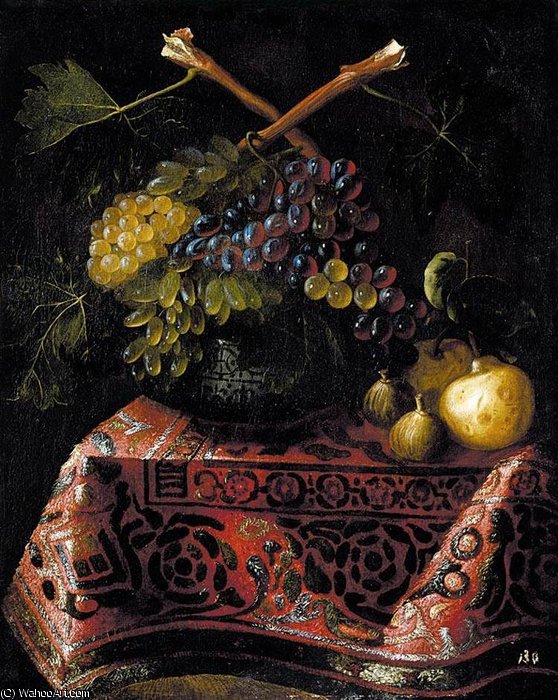
Life of Fruit
 詳細を見る
詳細を見る
オンラインプレビューをはるかに凌ぐ、高解像度で鮮明なデジタル画像をご購入いただけます。
各ファイルは、社内の専門家が高度なツールと熟練した手作業によるレタッチを用いて、細心の注意を払って準備されています。すべての画像において、卓越した鮮明度、正確な色彩再現性、そして繊細なディテールを保証いたします。
最終ファイルは、プロフェッショナルな編集・印刷環境ですぐにご利用いただけるよう最適化された状態で、72時間以内にメールにてお届けいたします。これは、一流のデザインスタジオ、出版社、ギャラリーから信頼されているものと同等の品質です。
デジタル画像のご注文に付随する特典
高品質なデジタル画像配信を、確かな品質で。
ArtsDot.com を選ぶことは、単に画像を手に入れることではありません。それは、プロの手によって精密に仕上げられ、満足保証が付いた高品質なデジタルアートワークを受け取ることを意味します。ご注文いただいた際に自動的に付随する内容は、以下の通りです:

メールですぐにお届け
ご注文から72時間以内に、高解像度のデジタル画像ファイルがメールでお手元に届きます。すぐにそのままご利用いただけます。

AI技術で最適化されたデジタルファイル
お客様の作品は、高度なAIツールと専門家による手作業の編集を組み合わせてプロフェッショナルに最適化されており、細部のディテール、鮮明さ、そして正確な色再現性を最大限に引き出しています。

一生涯無料の再送サービス
ファイルを誤って削除したり、紛失してしまったりしましたか?ご安心ください。いつでも無料で再送いたします。

輸入手数料は一切かかりません
関税や手数料、配送料を気にすることなく、お気に入りのアートワークをすぐにお楽しみいただけます。デジタルダウンロードは常に免税です。

色彩再現の保証
プロ仕様のツールとカラーマネジメント技術を用いることで、デジタル画像が元の色を最大限に忠実に再現することを保証いたします。

60日間満足保証
ご購入いただいたデジタル画像にご満足いただけない場合は、60日以内であれば、修正または100%の返金(理由を問う必要はありません)をさせていただきます。

100% 返金保証
ご満足いただけない場合は、デジタルファイルを受け取ってから60日以内であれば、理由を問わず全額返金いたします。

まとめ買い割引
3枚購入で10%OFF - 5枚購入で15%OFF - 10枚以上購入で20%OFF。クリエイティブなプロジェクト、ギャラリー、エージェンシーに最適です。
関連作品
作家の略歴
Juan Bautista de Espinosa (1590 – 1641): Bridging Flemish Brilliance and Spanish Baroque
Juan Bautista de Espinosa remains an enigmatic figure in the annals of Spanish Baroque art, largely obscured by confusion surrounding multiple artists sharing his name during a prolific period. Despite scarce biographical details—primarily gleaned from documentation in Madrid between 1608 and 1613—scholars recognize him as a pivotal artist who skillfully blended Flemish influences with distinctly Spanish stylistic sensibilities. His marriage to María de Aranda in 1612 solidified his domestic life, adding a son named Juan to the family lineage. This younger Juan, possibly more celebrated for his still lifes, continued artistic endeavors into 1659, demonstrating a sustained commitment to his craft.Early Life and Training
Information regarding Espinosa’s birthplace is elusive; however, he was born around 1590 in Spain. Precise details about his formative years are scant, reflecting the common practice of artists concealing personal histories during their time. He honed his skills as a gilder, undertaking significant commissions for altarpieces—a vocation that would inform much of his artistic vision and technique. His involvement with the Brotherhood of San Sebastián in Madrid further cemented his connection to religious patronage and established him within the influential artistic circles of the era.Style and Technique: A Flemish Echo
Espinosa’s oeuvre is characterized by a remarkable stylistic kinship with Juan van der Hamen, the Younger—a relationship marked by shared compositional strategies and an unwavering dedication to meticulous realism. Like van der Hamen, Espinosa prioritized order and symmetry in his paintings, meticulously arranging objects within carefully constructed spaces. His masterful use of glazing techniques—particularly translucent layers of pigment—created luminous surfaces that captured subtle tonal variations and imbued his works with a palpable sense of atmosphere. This approach distinguishes him from many contemporaries who favored looser brushstrokes and less nuanced color palettes.Notable Works and Commissions
Espinosa’s artistic output encompassed a diverse range of subjects, predominantly still lifes depicting fruit, flowers, and occasionally silver vessels—a genre that flourished during the Baroque period. He undertook commissions for ecclesiastical institutions, notably valuing the altarpiece of Alcaudete de la Jara, demonstrating his reputation as a respected craftsman and artist. Furthermore, he collaborated with Francisco de Burgos Mantilla on a letter of dowry in 1645, showcasing his involvement within the broader artistic community. His paintings—including “Still Life with Grapes, Flowers and Shells,” “Still-Life of Fruit and a Plate of Olives,” and “Still-Life with Shell Fountain and Flowers”—are housed in prominent museums across Spain, notably the Museo Nacional Prado and Museo de Córdoba, offering invaluable insights into his artistic legacy.Legacy and Historical Significance
Despite the challenges posed by biographical uncertainties, Espinosa’s contribution to Spanish Baroque painting is undeniable. He stands as a crucial link between Flemish realism—particularly van der Hamen's influence—and the evolving aesthetic conventions of Spain during the 17th century. His meticulous attention to detail and his masterful manipulation of light and color elevated still life painting to new heights, establishing him as one of the foremost practitioners of this genre. Today, reproductions of Espinosa’s works continue to captivate audiences worldwide, preserving a testament to his artistic brilliance and enduring fascination with capturing the beauty and fragility of the natural world.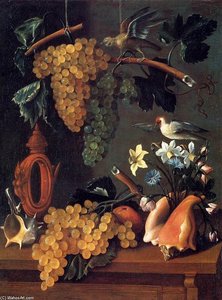
Juan Bautista de Espinosa
1590 - 1641 , Spain
プロフィール概要
- Artistic Movement Or Style: Baroque
- Artists Or Movements Influenced By This Artist: ['Flemish Baroque']
- Artists Who Influenced This Artist: ['Juan van der Hamen']
- Date Of Death: 1641
- Full Name: Juan Bautista de Espinosa
- Nationality: Spanish
- Notable Artworks:
- Still-Life with Grapes, Flowers and Shells
- Still-Life of Fruit and a Plate of Olives
- Still-Life with Shell Fountain and Flowers
- Place Of Birth: Spain

