

 プレビュー
プレビュー
 シェアする
シェアする シェアする
シェアする
 詳細を見る
詳細を見る

 ダウンロード
 似ている作品
 X線調査
X線調査 スライドショー
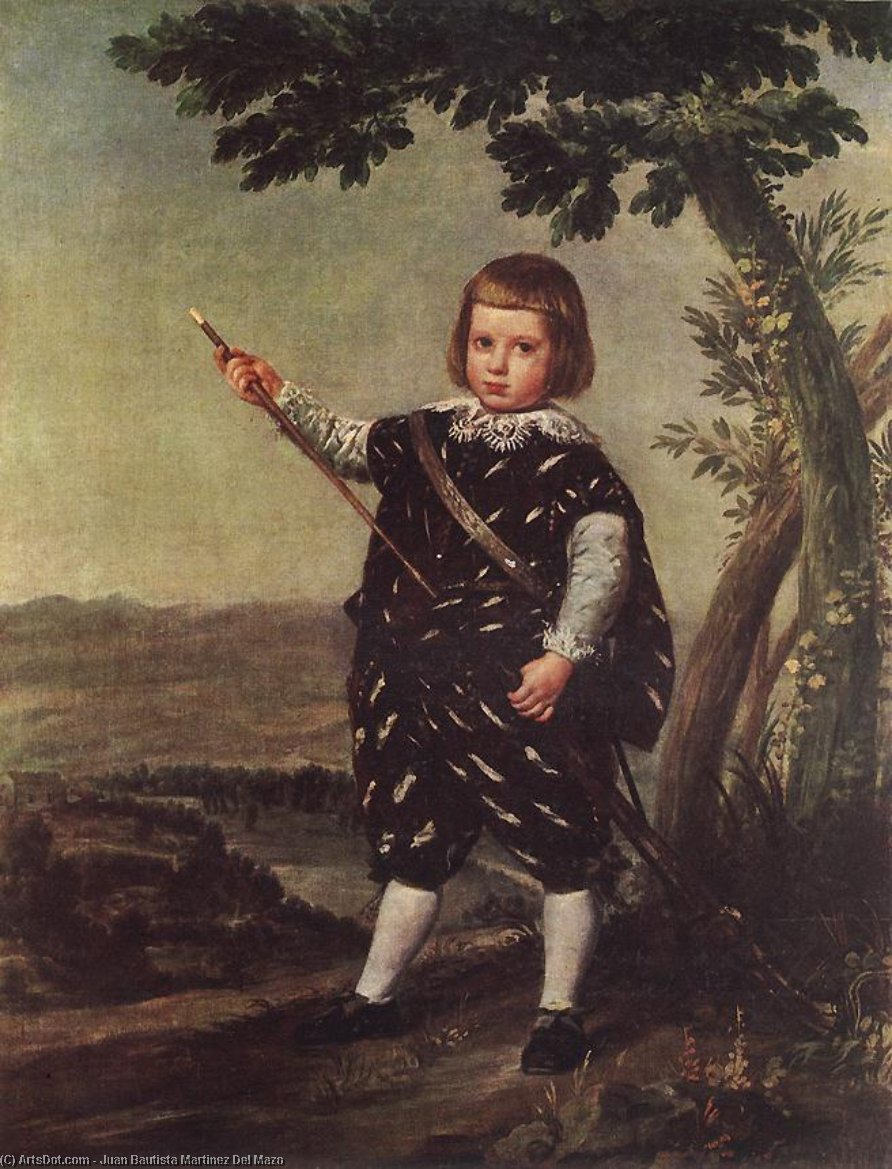
Infante Don Baltazar Carlos
 Oil On Canvas
- WallArt
- Baroque Painting
 1635
1635 144.0 x 109.0 cm
 Szépművészeti Múzeum
 詳細を見る
詳細を見る
ジークレー/アートプリント
迅速な制作と多彩な仕上げオプションを備えた、ミュージアムクオリティのジークレーまたはキャンバスプリント。 ( 手描きの絵画を購入 画像を購入)




P118B $10

P118H $10

P118W $10

P438Z $10

P508JH $12

P508YH $12

P805H $10

P805Z $10

P919BZ $10

P919G $10

P919XJ $10

P959ZH $10

P968JZ $12

W106C $8

W218G $10

W218JH $8

W218Y $10

W307PJ $10

W316G $10

W316PJ $8

W316Y $10

W398PJ $8

W4111J $10

W500HY $15

W500JH $15

W692G $12

W849H $8

W940BG $15

W953PJ $8




作品のオリジナル比率に合わせた、当店の規定サイズからお選びください。

特定のフレームやスペースに合わせて、ご自身でサイズを指定することも可能です。選択されたサイズが元の画像の比率と一致しない場合、作品をトリミングするか、鏡面反射または単色での塗りつぶしによって画像を拡張いたします。制作を開始する前に、ご確認用のデジタルモックアップをお送りいたします。
画面上のプレビューには、実際のトリミングや拡張は反映されませんのでご注意ください。最終的な構図を正確に確認できるのは、モックアップのみとなります。
カスタムサイズも承っておりますが、元の比率を維持するためには、あらかじめ用意されたリストからサイズを選択することをお勧めいたします。


 ガラスオプションは、110cm未満のサイズでのみご利用いただけます。

Infante Don Baltazar Carlos
ジークレー/アートプリント
複製画のサイズ
-


合計金額
$ 62
A Portrait of Young Royalty: Juan Bautista Martínez del Mazo’s *Infante Don Baltazar Carlos*
Juan Bautista Martínez del Mazo's 1635 portrait, *Infante Don Baltazar Carlos*, is more than just a depiction of a young boy; it’s a carefully constructed tableau of youthful privilege and nascent contemplation. Painted during the height of the Spanish Baroque era, this work offers a rare glimpse into the world of the Spanish court through the discerning eye of an artist deeply influenced by his mentor, Diego Velázquez. The painting immediately draws the viewer in with its vibrant palette – rich reds and blues dominate, contrasted against the muted greens and browns of the distant landscape – creating a sense of both warmth and quiet solemnity.
The subject himself, Infante Don Baltazar Carlos, is presented as a figure of considerable poise despite his youth. Dressed in a sumptuous ruffled shirt, embroidered with intricate detail, he holds a miniature sword—a symbol not just of military prowess but also of nascent authority and the burdens of royal lineage. His gaze, directed towards an unseen horizon, suggests a thoughtful introspection, hinting at the weighty responsibilities that lie ahead. The artist masterfully captures the subtle nuances of youth: the slightly furrowed brow, the delicate features, and the inherent vulnerability within his expression.
Velázquez’s Shadow and Martínez del Mazo's Distinct Voice
Martínez del Mazo’s relationship with Velázquez is pivotal to understanding this painting. He served as a court painter for years, working closely alongside his father-in-law, absorbing the techniques of observation, light, and color that defined Velázquez’s style. However, *Infante Don Baltazar Carlos* reveals a distinct artistic voice emerging from within this influential apprenticeship. While echoes of Velázquez's meticulous detail and atmospheric perspective are undeniably present, Martínez del Mazo introduces a greater emphasis on emotional resonance and a more expressive use of color. The landscape background, for instance, is not merely a decorative element but actively contributes to the painting’s mood—a subtly melancholic vista that mirrors the boy’s contemplative gaze.
The choice of subject matter itself speaks volumes about the era. Portraits of young royals were frequently commissioned during this period, serving as powerful symbols of dynastic stability and reinforcing the legitimacy of the Habsburg monarchy. Yet, Martínez del Mazo elevates this genre beyond mere propaganda, imbuing the portrait with a profound sense of humanity. He doesn’t simply present a royal heir; he presents a boy on the cusp of adulthood, grappling with his future role within the complex tapestry of Spanish society.
Technique and Composition: A Masterclass in Baroque Realism
The painting's technical brilliance lies in Martínez del Mazo’s masterful command of chiaroscuro – the dramatic interplay of light and shadow. Velázquez’s influence is particularly evident here, with carefully placed highlights illuminating the Infante’s face and clothing while leaving the background softly shrouded in darkness. This technique not only adds depth and volume to the portrait but also directs the viewer's attention to the central figure, emphasizing his importance.
The composition is equally deliberate. The pyramidal arrangement of the figures—the boy at its apex—creates a sense of stability and formality, while the slightly off-center placement of the sword subtly introduces an element of dynamism and intrigue. The artist’s attention to detail is remarkable; from the intricate folds of the fabric to the texture of the boy's hair, every element contributes to the overall realism and immediacy of the portrait.
Symbolism and Emotional Resonance
*Infante Don Baltazar Carlos* resonates with a quiet dignity and an undercurrent of melancholy. The toy sword, a symbol of power and potential, is held delicately in his hand, suggesting a hesitant embrace of responsibility. The distant landscape, bathed in the soft light of twilight, evokes a sense of longing and introspection—a reflection perhaps of the boy’s awareness of his future role within the vast and often turbulent world of European politics.
This painting is more than just a portrait; it's a window into the soul of a young prince and a testament to the enduring legacy of Spanish Baroque art. Reproductions offer an accessible way to appreciate the artistry and historical significance of this captivating work, bringing its quiet beauty and profound emotional depth into any space.
関連作品



アーティストの略歴
ベラスケスの影、そしてその先にある生涯
スペイン・バロックの巨匠たちが名を連ねる殿堂において、フアン・バウティスタ・マルティネス・デル・マゾは、非常に魅力的でありながら、しばしば控えめに語られる位置を占めています。1605年から1612年頃に誕生した彼の足跡(正確な日付や場所についてはクエンカかマドリードかで議論が続いています)は、高名な義父であるディエゴ・ベラスケスの軌跡と分かちがたく結びついていました。しかし、マゾを単なる「追随者」と定義してしまうことは、彼自身の類まれな才能と進化し続ける様式に対して、あまりに不当な評価と言えるでしょう。彼は単なる模倣者ではありませんでした。ベラスケスの革新的な技法を吸収しながらも、同時に独自の芸術的個性が垣間見える道を切り拓いていった、繊訂な解釈者だったのです。若き日の詳細は乏しいものの、彼はベラスケスの工房で基礎的な修行を積み、スペイン宮廷を支配していた技法や美学的原則に触れる貴重な機会を得たと広く信じられています。この徒弟修行こそが、自然主義、緻密な観察眼、そして次第に鮮やかさを増していく色彩感覚に深く根ざした、彼の画業の礎となったのです。婚姻、パトロネージュ、そして王室の寵愛
彼の人生における決定的な瞬間は、1633年、ベラスケスの唯一の生き残った娘であるフランシスカ・デ・シルヴァ・ベラスケス・イ・パチェコとの結婚によって訪れました。この結びつきは単なる個人的な縁組みに留まらず、マゾを王室の社交界へと定着させ、かつてないほどのパトロネージュ(芸術保護)への扉を開く戦略的な転機となりました。その直後の1634年には、ベラスケスの巧みな手腕によって、マゾは「国王の間」の小姓という職に任命されました。これは王室の寵愛を象徴する名誉ある地位であり、制作依頼へと直接つながる窓口でもありました。キャリアを通じて、ベラスケスは積極的にマゾを後押しし、彼とその家族のためにさらなる役職や機会を確保していきました。このような揺るぎない支援があったからこそ、マゾは宮廷生活という制約の中で、王の監視下にある複雑な制作環境を巧みに渡り歩きながら、自らの技術を花開かせることができたのです。17世紀という競争の激しい芸術界において、これほどまでに献身的な関係が育まれたことは、両者の人間性を物語る何よりの証左といえるでしょう。芸術的発展と受け継がれた影響
マゾの初期の作品は、理解のつく通りベラスケスの様式を密接に踏襲しています。光と影、そして質感の巧みな扱い、さらには描かれた人物の心理的な深みをも捉える能力は、まさに師譲りのものでした。彼は肖像画において卓越した才能を発揮し、容貌の正確な再現とともに、表情の微細なニュアンスを捉える繊細な眼差しを見せました。しかし、キャリアが進むにつれて、マゾは風景画や狩猟の場面を通じて自らを際立たせ始め、細部へのこだわりと観察眼を強調した独自のスタイルを確立していきました。彼の代表作であるサラゴサの眺望(1646年)はこの転換を象徴しており、より鮮やかな色彩パレットを用い、風景の中に蠢く活気ある営みを描き出すことに重点を置いています。また、その芸術的感性はベラスケスだけに留まりませんでした。ティツィアーノ、ティントレット、ヴェロネーゼといったヴェネツィア派の巨匠たちが放つ色彩の使用法や劇的な構図も、彼の作品に消えない足跡を残しています。さらに、パウル・デ・ヴォス、ルーベンス、ヨルダーンスといったフランドルの画家たちからもインスピレーションを得て、彼らのダイナミックな構成や生命力あふれる人物配置の要素を、自らの芸術的語彙へと取り込んでいったのです。主要作品と不朽の遺産
マゾの作品を確定的に特定することは、今なお困難な課題として残っています。彼はめったに署名を残さなかったため、歴史的にベラスケスの作品群との混同を招く要因となりました。それでもなお、現在では確信を持って彼の手によるものと帰せられる絵画がいくつか存在し、それらは彼の芸術的な幅広さと発展の過程を知る貴重な手がかりとなっています。ロンドンのナショナル・ギャラリーに収蔵されている喪服姿のマリアナ王妃の肖像は、繊細な仕草と表情豊かな筆致を通じて感情の深みを伝える、彼の卓越した手腕を示す見事な例です。また、ウィーンの美術史博物館にある画家の家族は、ベラスケスのラス・メニーナスとしばしば比較され、マゾの家庭生活や芸術的サークルを垣間見ることができる魅力的な作品です。彼の歴史的な意義は、個人の業績に留まりません。彼はベラスケスの遺産を伝える重要な架け橋として、師の技法や様式的な革新の多くを忠実に保存し、後世のスペイン人画家たちへと伝承したのです。現代の美術批評は、これら二人の巨匠の作品を解きほぐす重要な役割を果たしており、それによってスペイン・バロック絵画という豊かな織物におけるマゾ独自の貢献を、より細やかな視点で称賛することが可能となりました。彼は単にベラスケスの影の中にいたのではありません。彼は、その時代、そしてそれ以降の芸術的成果に光が当たり続けるよう、自らも光を灯し続けた存在だったのです。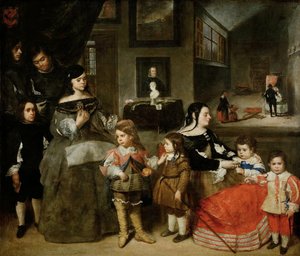
フアン・バウティスタ・マルティネス・デル・マソ
1605 - 1667 , スペイン
基本情報
- Artistic Movement Or Style: スペイン・バロック
- Artists Or Movements Influenced By This Artist: ['スペインの芸術家']
- Artists Who Influenced This Artist:
- ディエゴ・ベラスケス
- ティントレット
- ティツィアーノ
- ルーベンス
- Date Of Birth: 1605年-1612年頃
- Date Of Death: 1667年
- Full Name: フアン・バウティスタ・マルティネス・デル・マソ
- Nationality: スペイン
- Notable Artworks:
- サラゴサの眺望
- マリアナ王妃の肖像
- 画家の家族
- Place Of Birth: スペイン、クエンカ
関連記事

The Golden Age Reforged: Dramatic Realism & Religious Zeal in Spanish Baroque Art
Explore the dramatic world of Spanish Baroque art! Discover masters like Zurbarán & the powerful influence of religious zeal on painting techniques – a guide for collectors and enthusiasts.
プラド美術館の至宝25選:名画が語るスペイン美術史 | ArtsDot
プラド美術館の至宝25選🎨 ベルラスケス、ゴヤの名画を紐解き、スペイン美術史を旅する。油絵、バロック、印象派…ArtsDotで高品質な複製画とインテリアアートを見つけよう。名画の世界をあなたの空間に✨ Explore the full collection online!

The Dramatic Flourish: Exploring the Baroque Movement's Enduring Legacy in Art History
Explore the dramatic world of Baroque art! Discover iconic artists like Caravaggio & Rubens, defining techniques, and its lasting impact on art history. Expert insights for collectors & enthusiasts at ArtsDot.

バロック美術を極めた至宝:時代を彩る10大名作の世界
バロック美術の華!カラヴァッジョ、ベルニーニら巨匠が創り上げた10大名作を徹底解剖。ドラマチックな色彩と豪華絢爛の世界観に触れ、至宝のアートプリントで空間を彩ろう。ArtsDot.comで美術館品質の複製と洗練されたインテリアを見つけましょう!

バロックのドラマ:現代のインテリアに壮麗さと情感を取り込む
バロック様式の歴史、絵画、家具の魅力をご紹介。ArtsDotでは、高品質な油絵複製やカスタムポートレートをご提供し、現代のインテリアに壮麗さと情感を取り入れます。アートコンサルテーションも承ります。

