

 プリントを購入
 シェアする
シェアする シェアする
シェアする
 詳細を見る
詳細を見る

 ダウンロード
 似ている作品
 スライドショー
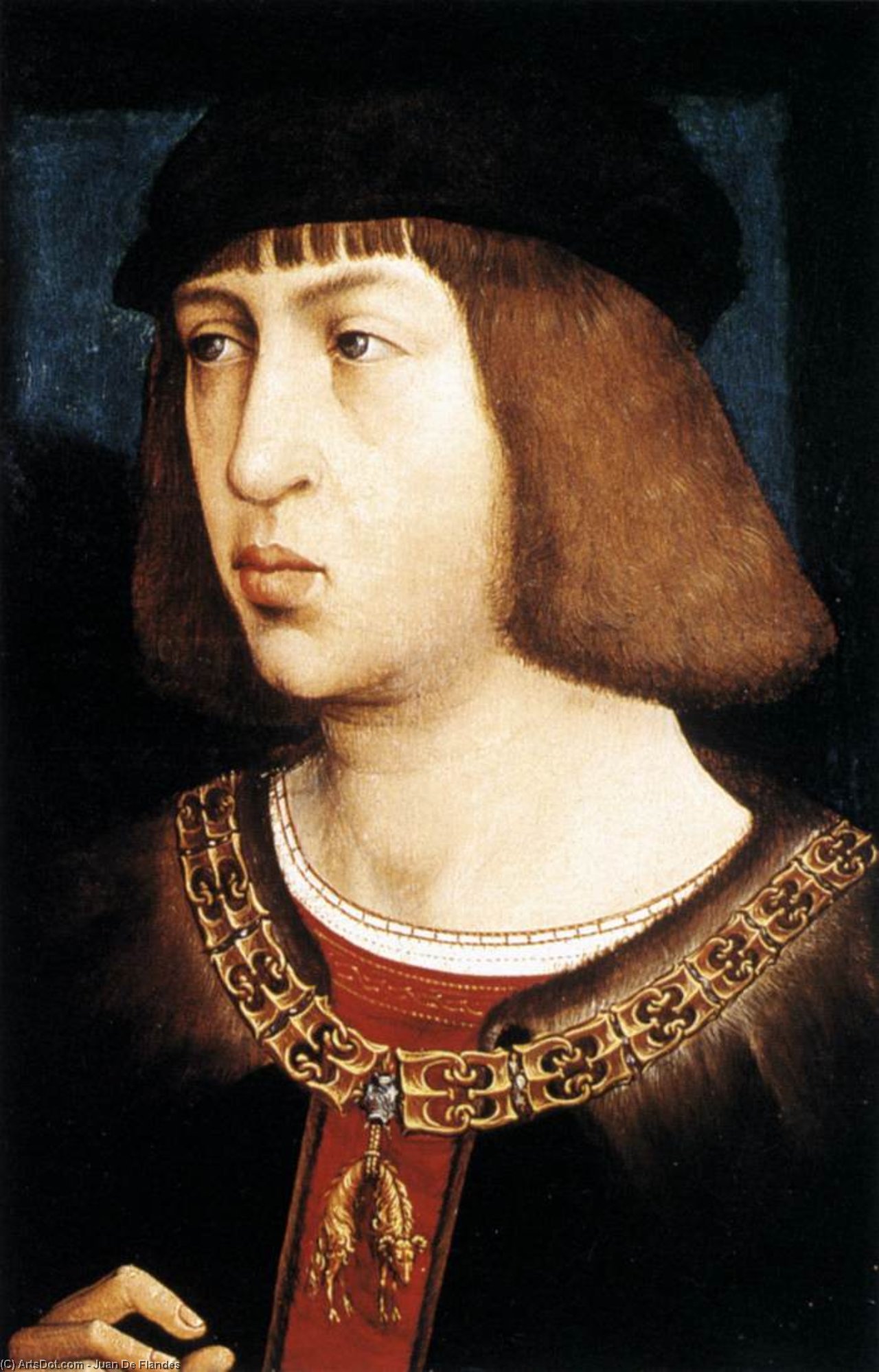
Portrait of Philip the Handsome
 Giclée Print
- Digital
- Early Netherlandish Painting
 1496
1496 36.0 x 26.0 cm
 Kunsthistorisches Museum
 詳細を見る
詳細を見る
オンラインプレビューをはるかに凌ぐ、高解像度で鮮明なデジタル画像をご購入いただけます。
各ファイルは、社内の専門家が高度なツールと熟練した手作業によるレタッチを用いて、細心の注意を払って準備されています。すべての画像において、卓越した鮮明度、正確な色彩再現性、そして繊細なディテールを保証いたします。
最終ファイルは、プロフェッショナルな編集・印刷環境ですぐにご利用いただけるよう最適化された状態で、72時間以内にメールにてお届けいたします。これは、一流のデザインスタジオ、出版社、ギャラリーから信頼されているものと同等の品質です。
デジタル画像のご注文に付随する特典
高品質なデジタル画像配信を、確かな品質で。
ArtsDot.com を選ぶことは、単に画像を手に入れることではありません。それは、プロの手によって精密に仕上げられ、満足保証が付いた高品質なデジタルアートワークを受け取ることを意味します。ご注文いただいた際に自動的に付随する内容は、以下の通りです:

メールですぐにお届け
ご注文から72時間以内に、高解像度のデジタル画像ファイルがメールでお手元に届きます。すぐにそのままご利用いただけます。

AI技術で最適化されたデジタルファイル
お客様の作品は、高度なAIツールと専門家による手作業の編集を組み合わせてプロフェッショナルに最適化されており、細部のディテール、鮮明さ、そして正確な色再現性を最大限に引き出しています。

一生涯無料の再送サービス
ファイルを誤って削除したり、紛失してしまったりしましたか?ご安心ください。いつでも無料で再送いたします。

輸入手数料は一切かかりません
関税や手数料、配送料を気にすることなく、お気に入りのアートワークをすぐにお楽しみいただけます。デジタルダウンロードは常に免税です。

色彩再現の保証
プロ仕様のツールとカラーマネジメント技術を用いることで、デジタル画像が元の色を最大限に忠実に再現することを保証いたします。

60日間満足保証
ご購入いただいたデジタル画像にご満足いただけない場合は、60日以内であれば、修正または100%の返金(理由を問う必要はありません)をさせていただきます。

100% 返金保証
ご満足いただけない場合は、デジタルファイルを受け取ってから60日以内であれば、理由を問わず全額返金いたします。

まとめ買い割引
3枚購入で10%OFF - 5枚購入で15%OFF - 10枚以上購入で20%OFF。クリエイティブなプロジェクト、ギャラリー、エージェンシーに最適です。
The Enigmatic King: Juan de Flandes’ Portrait of Philip the Handsome
Juan de Flandes' "Portrait of Philip the Handsome" is more than just a depiction of a young man; it’s a meticulously crafted window into the anxieties and aspirations of 15th-century Spain. Painted in 1496, during the reign of Queen Isabella I of Castile, this portrait captures not merely the likeness of Philip, but also the weight of his lineage, the promise of his future, and the subtle melancholy that would ultimately define his tragically short life. The painting’s power lies in its masterful blend of Flemish realism with a distinctly Spanish sensibility – a testament to Flandes' skill as a bridge between artistic traditions.
The subject himself, Philip I of Castile, is presented as a figure of youthful grandeur. Dressed in the rich crimson robes of royalty, he embodies the burgeoning Habsburg dynasty’s ambition and power. The deep red, symbolic of both nobility and sacrifice, contrasts dramatically with the stark black of his hat, drawing the eye to his face – a face marked by an almost unnerving composure. His gaze, directed downwards, invites contemplation, suggesting a quiet introspection beneath the veneer of regal confidence. The crown perched upon his head isn’t merely decorative; it's a potent symbol of his claim to power and the weighty responsibilities that awaited him.
Flemish Technique, Spanish Soul
Flandes’ artistic approach is deeply rooted in the traditions of Early Netherlandish painting. The meticulous detail evident in the rendering of fabrics – the intricate folds of the robe, the sheen of the velvet – speaks to a painstaking attention to texture and surface quality. He employs a technique known as *sfumato*, subtly blurring edges and creating an atmospheric depth that lends the portrait a remarkable sense of realism. However, this Flemish foundation is overlaid with a distinctly Spanish aesthetic. The lighting, for instance, is dramatically contrasted—a deep shadow falling across Philip’s face, highlighting his features while simultaneously hinting at an underlying sadness. This use of chiaroscuro, a technique borrowed from Italian Renaissance masters, adds to the painting's emotional intensity.
The composition itself is carefully balanced, reflecting the humanist ideals that were gaining traction during this period. The portrait adheres to the conventions of courtly portraiture, emphasizing the subject’s status and dignity. Yet, there’s a subtle departure from rigid formality; Philip's posture isn’t overly posed or artificial, suggesting a degree of intimacy and vulnerability. The background is deliberately simple, devoid of distracting details, further focusing attention on the central figure.
Symbolism and the Shadow of Fate
Beyond its technical brilliance, “Portrait of Philip the Handsome” is laden with symbolic meaning. The young king’s melancholic expression—a subtle downturn of his lips, a hint of sadness in his eyes— foreshadows the turbulent events that would mark his life. His early death at the age of 28, following a brief and unhappy marriage to Joanna of Castile, cast a long shadow over the Habsburg dynasty. The painting, therefore, can be interpreted as a meditation on mortality, ambition, and the fleeting nature of earthly glory.
Furthermore, the portrait’s creation coincided with a period of intense political maneuvering and dynastic rivalries within Spain. Philip's marriage to Joanna was strategically arranged to solidify alliances between Castile and Aragon, but it ultimately proved to be fraught with tension and heartbreak. The painting, commissioned on the occasion of their wedding, serves as a poignant reminder of the complexities of power, love, and legacy.
A Timeless Masterpiece – Reproduction Possibilities
ArtsDot offers high-quality reproductions of Juan de Flandes’ “Portrait of Philip the Handsome,” allowing art lovers to bring this captivating masterpiece into their homes or offices. Our giclée prints are created using archival inks on museum-grade canvas, ensuring exceptional color accuracy and longevity. Available in a range of sizes, our reproductions faithfully capture the painting's rich textures, dramatic lighting, and profound emotional depth. Explore our selection today and experience the enduring beauty of this Renaissance icon.
関連作品

作家の略歴
スペイン宮廷の謎に包まれた巨匠
初期ネーデルラント絵画の歴史において、フアン・デ・フランデスの正体は、今なお人々を魅了してやまない最も深遠な謎の一つであり続けています。歴史の霧に包まれたその存在をめぐり、学者の間では、彼が「ヤン・ファン・デ・ストラート」として知られる人物なのか、あるいはイベリア半島に消えることのない足跡を残した、名もなきもう一人の天才画家なのかについて、長きにわたる議論が交わされてきました。その真の出自は時の流れの中に隠されていますが、彼の芸術的な魂がフランドルの活気あふれる伝統に深く根ざしていることは疑いようもありません。おそらく15世紀半ばに生まれた彼は、当時「ゲント派」の革新的な息吹に満ちていた都市、ゲントの輝かしい芸術的環境から姿を現しました。ヨース・ファン・ワッセンホーフェやフーゴ・ファン・デル・グースといった巨匠たちの影の中で、フアンは光と質感の繊細な相互作用を捉える技を磨き上げ、北方の緻密さとスペインの壮大さを結びつける技術的な礎を築き上げたのです。
低地諸国からスペインの中枢へと至る彼の旅路は、スペイン・ルネサンスの進化における決定的な一章を象徴しています。1496年、カスティーリャ女王イサベル1世という高貴な庇護を得たことで、彼の運命はスペイン王室と分かちがたく結びつくこととなりました。この抜擢は単なる職業的な転機にとどまらず、彼を政治と宗教の権力の中心へと押し上げたのです。1504年にイサベルが崩御するまで宮廷画家として仕えたフアン・デ・フランデスは、まさに黄金時代の視覚的な記録者となりました。彼の筆致を通じて、イサベルやフェルナンドをはじめとする王族の威厳は、フランドル絵画特有の微細で緻密な描写と、新しく荘厳なスペイン的感性が調和した、洗練された優雅さとともに永遠のものとなったのです。
献身と細密描写が遺したもの
フアン・デ・フランデスの真の天才性は、技術的な習熟と深い精神的な献身が融合する宗教画において、最も深く感じ取ることができます。彼の最も輝かしい功績は、聖母マリアに捧げられた壮大な多翼祭壇画のために制作された、小パネル連作の記念碑的なシリーズにあります。これらの作品は、物語的な親密さを湛えた傑作であり、どこか浮世離れしていながらも、触れられそうなほどリアルな風景を通じて、観る者を聖なる空間へと誘います。これらのパネルには、息を呑むような様式の融合が見て取れます。
- フランドルの精密さ: 布地の細部まで描き込まれた質感、遠い地平線の水晶のような透明感、そして植物の細部に対する執拗なまでのこだわり。
- スペインの壮大さ: 記念碑的な静寂と、スペイン宮廷の宗教的情熱を反映した、威厳ある厳かな空気感。
- 光の革新性: 風景に生命を吹き込み、奥行きと精神的な超越性を生み出す、初期における卓越した光の制御。
今日、マドリードのプラド美術館やワシントンD.C.のナショナル・ギャラリーといった世界の名だたる美術館に分かれて収蔵されているこれらの至宝は、彼の卓越した技量の不朽の証として存在しています。フアン・デ・フランデスの歴史的な意義は、個々の肖像画の枠を遥かに超えています。彼は重要な文化的架け橋としての役割を果たしたのです。北方の洗練された技法をスペインという肥沃な大地へと移植することで、彼は勃興する帝国の美学的言語を形作る一助となりました。彼の作品は、芸術が異なる世界同士を結ぶ究極の架け橋であった時代の、美しくも切ない記憶として、フランドルの複雑な質感とスペイン・ルネサンスの深遠で不朽の精神を今に伝えています。
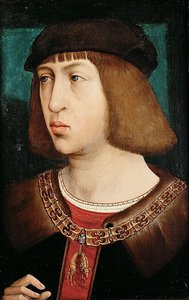
フランドルのフアン
1460 - 1519 , ベルギー
プロフィール概要
- Artistic Movement Or Style: 初期ネザーランド絵画
- Artists Or Movements Influenced By This Artist: ['スペイン・ルネサンス']
- Artists Who Influenced This Artist:
- フース・ファン・ワッセンホーフェ
- フーゴ・ファン・デル・グース
- Date Of Birth: c. 1460
- Date Of Death: 1519
- Full Name: フアン・デ・フランデス
- Nationality: オランダ
- Notable Artworks:
- 降誕
- 王女の肖像
- ラザロの復活
- Place Of Birth: フランダース(ベルギー)

