

 プレビュー
プレビュー
 プリントを購入
 シェアする
シェアする シェアする
シェアする
 詳細を見る
詳細を見る

 ダウンロード
 似ている作品
 X線調査
X線調査 スライドショー
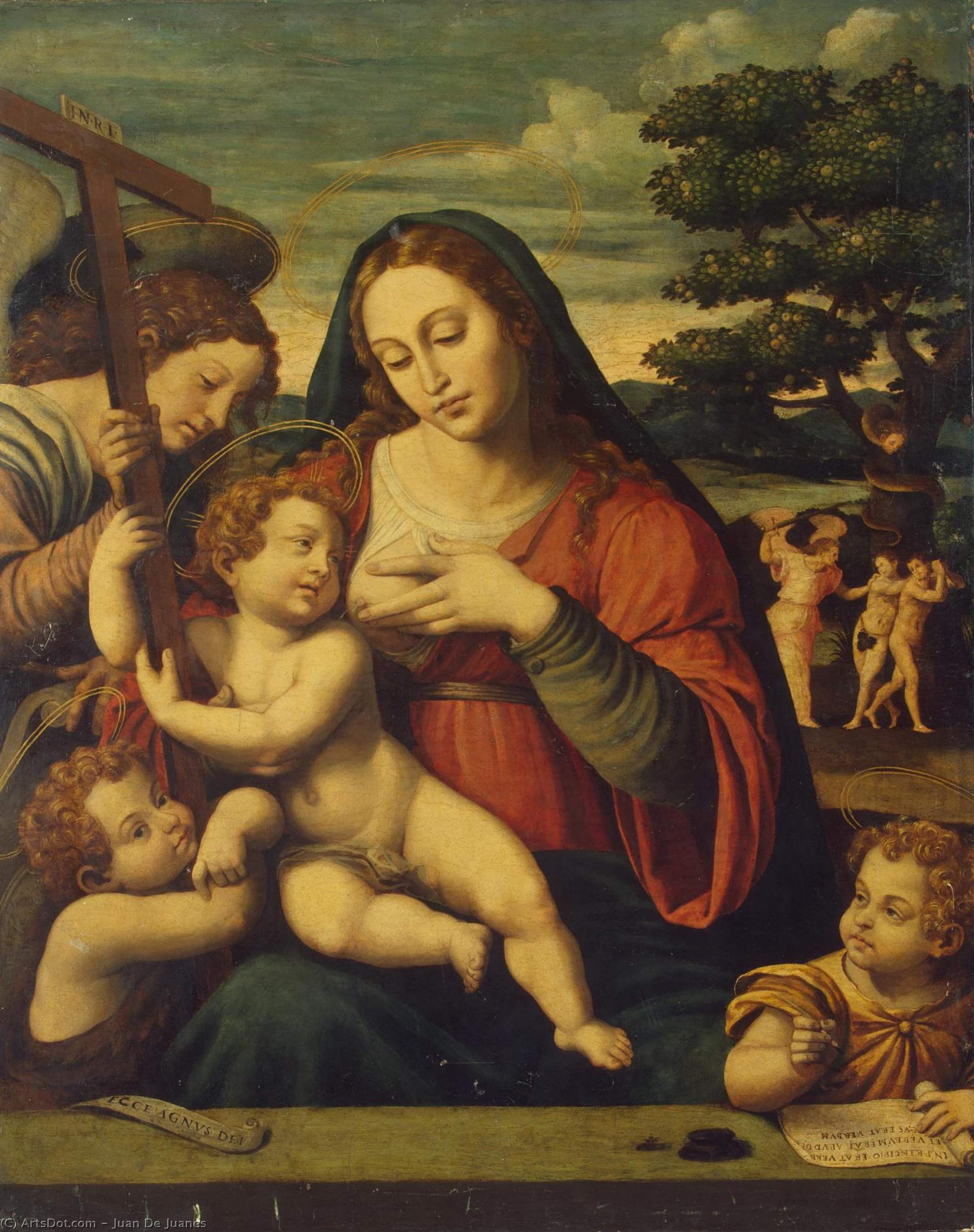
Virgin and the Child with Sts John the Baptist and John the Evangelist
 Oil On Panel
- Renaissance
 1550
1550 71.0 x 57.0 cm
 エルミタージュ美術館
 詳細を見る
詳細を見る




P118B $10

P118H $10

P118W $10

P438Z $10

P508JH $12

P508YH $12

P805H $10

P805Z $10

P919BZ $10

P919G $10

P919XJ $10

P959ZH $10

P968JZ $12

W106C $8

W218G $10

W218JH $8

W218Y $10

W307PJ $10

W316G $10

W316PJ $8

W316Y $10

W398PJ $8

W4111J $10

W500HY $15

W500JH $15

W692G $12

W849H $8

W940BG $15

W953PJ $8




作品のオリジナル比率に合わせた、当店の規定サイズからお選びください。

特定のフレームやスペースに合わせて、ご希望のサイズをご入力いただけます。選択されたサイズが元の画像の比率と異なる場合、アートワークをトリミングするか、手描きで要素を追加して絵画を拡張いたします。デジタルモックアップ を制作し、制作開始前にご確認(承認)をいただきます。
画面上のプレビューは、実際のトリミングや拡張を正確に反映しているものではありません。最終的な構図は、モックアップによってのみ正確にご確認いただけます。
カスタムサイズもご利用いただけますが、元の比率を維持するためには、あらかじめ用意されたリストからサイズを選択することをお勧めいたします。
ご注文後、ArtsDot.com チームより詳細な指示をお送りするとともに、仕上がりイメージ(モックアップ)をご提供いたします。


 ガラスオプションは、110cm未満のサイズでのみご利用いただけます。

Virgin and the Child with Sts John the Baptist and John the Evangelist
複製技法
複製画のサイズ
-


合計金額
$ 263
A Renaissance Reverie: Unveiling Juan de Juanes’ “Virgin and the Child”
The painting "Virgin and the Child with Sts John the Baptist and John the Evangelist," attributed to the Valencian master Juan de Juanes, is more than a devotional image; it's a carefully constructed tableau of faith, familial devotion, and the burgeoning artistic spirit of 16th-century Spain. Completed around 1550, this work offers a glimpse into a world where religious iconography intertwined seamlessly with humanist ideals, reflecting both the piety of the era and the growing influence of Italian Renaissance art.
Juanes, born in Valencia in 1510, was deeply rooted in the traditions of his region while simultaneously absorbing the innovations sweeping across Europe. His artistic lineage—his father, Vicente Masip, a respected painter himself—provided him with a solid foundation, but Juanes’s style transcends mere imitation. He skillfully blended the rich, earthy tones and dramatic lighting characteristic of Flemish painting with the refined elegance and balanced compositions favored by Renaissance masters like Raphael. This synthesis is particularly evident in the Virgin Mary's serene countenance and the meticulously rendered details of her garments – a testament to his technical prowess.
The Composition: A Dance of Symbolism
At the heart of the composition lies the Virgin Mary, presented as a figure of profound grace and maternal tenderness. She cradles the Christ Child, radiating an aura of quiet authority and divine connection. The arrangement isn’t merely decorative; it's laden with symbolic weight. The flanking figures – St John the Baptist, depicted with his characteristic staff and cloak, and St John the Evangelist, holding a scroll representing the Gospel – serve as witnesses to the sacred event, embodying key aspects of Christian belief: repentance and divine revelation. The inclusion of two additional figures in the background, though less prominent, adds layers of narrative depth, hinting at the broader community invested in this momentous scene.
Notice the careful positioning of each figure; they are not simply arranged around the central triad but engage in a dynamic visual conversation. The Virgin’s gaze is directed outwards, inviting contemplation and reflection, while the saints offer their own interpretations of the divine narrative. The use of color – the vibrant reds of Mary's robes contrasting with the cooler tones of the background – further enhances the painting’s emotional impact, drawing the viewer’s eye to the central figures and amplifying the sense of sacredness.
A Window into a Valencian Renaissance
The “Virgin and the Child” is inextricably linked to the artistic landscape of Valencia during the mid-16th century. The city was a vibrant center for art, fueled by royal patronage and the influx of Italian artists who had settled there. Juanes’s work reflects this dynamic environment, showcasing both local traditions and international influences. The painting's meticulous detail—the textures of the fabrics, the expressions on the faces, the intricate folds of drapery—demonstrates a mastery of technique honed through years of dedicated practice.
Further research reveals that Juanes’s work was highly sought after by religious institutions and private collectors alike. The painting's provenance, as documented in the Hermitage Museum’s collection (a remarkable example of its quality), speaks to its enduring appeal and artistic merit. The piece stands as a powerful testament to the faith, artistry, and cultural richness of Renaissance Spain.
Capturing the Essence: Reproductions and Beyond
Reproductions of Juan de Juanes’s “Virgin and the Child” offer an exceptional opportunity to bring this masterpiece into your home or office. The meticulous attention to detail in the original painting is faithfully reproduced, allowing you to appreciate its beauty and symbolism from a new perspective. Whether displayed as a focal point in a prayer room, a study, or a living space, this artwork evokes a sense of serenity, reverence, and timeless grace – a true reflection of the artistic genius of Juan de Juanes.
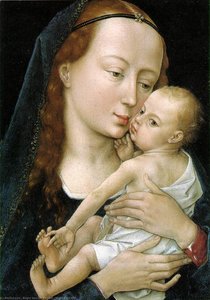
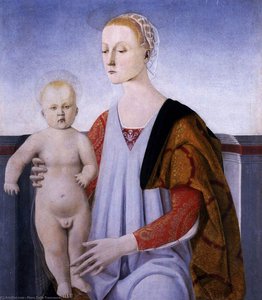
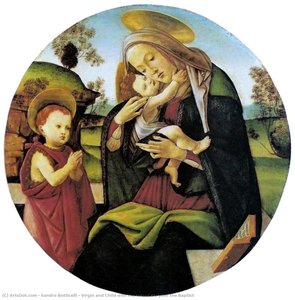
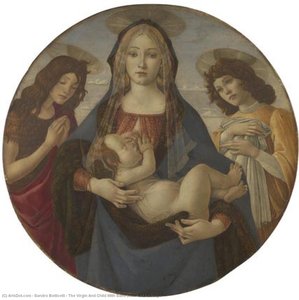
関連作品
アーティストの略歴
Juan de Juanes: A Valencian Renaissance Master
- Name: Juan de Juanes (Vicente Juan Masip)
- Born: 1510, La Font de la Figuera, Spain
- Died: 1579, Bocairent, Spain
Early Life and Training
- Juan de Juanes was born in La Font de la Figuera, the son of Vicente Masip, also a painter. His father likely studied in Italy, potentially Venice, influencing his artistic style.
- He received early training from his father, developing skills that would later define his own work.
- The presence of Italian painters Paolo da San Leocadio and Francesco Pagano working for Cardinal Rodrigo Borgia in Valencia exposed Juanes to Italian Renaissance techniques.
Artistic Development and Style
- Juanes's style is characterized by a blend of Flemish influences with the Italian High Renaissance, particularly that of Raphael and Sebastiano del Piombo.
- He primarily focused on religious subjects, reflecting his devout nature and the prevalent artistic themes of the time.
- His works are noted for their dignity of conception, accurate drawing, beautiful color palettes, and meticulous detail.
- Masip adopted the patronymic name Juanes to distinguish himself from his father, also a painter with a similar style.
Major Works and Achievements
- The Last Supper: One of his most famous works, demonstrating his mastery of perspective and composition.
- Holy Family: A recurring theme in his oeuvre, showcasing his ability to depict tenderness and piety.
- Virgin and the Child with Sts John the Baptist and John the Evangelist: Exemplifies his skill in portraying religious figures with grace and realism.
- Saint Steven Retable: Painted for the main altarpiece at the church of San Esteban in Valencia, considered to be among his finest works.
Historical Significance
- Juan de Juanes is recognized as a leading figure in the Valencian school of painters during the 16th century.
- He significantly contributed to the development of Renaissance art in Spain, blending Italian influences with local traditions.
- His works are valued for their technical skill and devotional quality, providing insights into the religious beliefs and artistic practices of his time.
- He is considered the foremost member of the Valencian school of painters by many historians.

Juan de Juanes
1510 - 1579 , Spain
基本情報
- Artistic Movement Or Style: Spanish Renaissance
- Artists Who Influenced This Artist:
- Leonardo da Vinci
- Raphael
- Sebastiano del Piombo
- Date Of Birth: 1510
- Date Of Death: 1579
- Full Name: Juan de Juanes
- Nationality: Spanish
- Notable Artworks:
- Portrait of Alfonso V
- Holy family
- Virgin and the Child
- Place Of Birth: Valencia, Spain
関連記事

ジョン・シンガー・サージェント:至高の25選 - 美と光の肖像画の世界 | ArtsDot
ジョン・シンガー・サージェントの至高の25選。肖像画、写実主義、光と影の表現が美しい作品群を紐解きます。マダムXや少女の肖像など、時代を超えて愛される名作をArtsDotで鑑賞。高品質なアート複製で、お部屋に美術館のような空間を。今すぐコレクションをご覧ください。

ジョン・コンスタブルの傑作25選:英国風景画の巨匠が描く自然と光の詩 | ArtsDot
ジョン・コンスタブルの傑作25選。英国風景画の巨匠が描く自然と光の詩の世界へ。ロマン主義を代表する絵画、デダム・ヴェールやヘイ・ウェインなど、ArtsDotで高品質なアートプリントをお楽しみください。インテリアに深みと感動を。コレクションはこちら。

フラ・アンジェリコの傑作25選:ルネサンス美術の神髄と至高の装飾 | ArtsDot
フラ・アンジェリコの傑作25選。ルネサンス美術の神髄を紐解き、天使のような静謐な色彩と宗教画の世界へ誘います。壁画やフレスコ画の技法、修道院に息づく祈りの絵…ArtsDotで至高のアートプリントをお手軽に。コレクションを探索する。
Jacob Henricus Maris: A Master of Dutch Atmospheric Realism & the Intimate Landscape
Explore the captivating world of Jacob Henricus Maris, a leading figure of the Dutch Hague School. Discover his atmospheric landscapes, signature brushstrokes & lasting influence on 19th-century art. Learn more at ArtsDot.
ウフィツィ美術館の至宝25選:ルネサンス巨匠たちの傑作とアートデコレーション
ウフィツィ美術館の至宝25選:ボッティチェリ、レオナルド・ダ・ヴィンチ…ルネサンス巨匠たちの傑作と感動的な物語を紐解きます。高品質な絵画複製やアートプリントで、お部屋に名画の輝きを。ArtsDot.comで芸術の世界へ。

