

 プレビュー
プレビュー
 プリントを購入
 シェアする
シェアする シェアする
シェアする
 詳細を見る
詳細を見る

 ダウンロード
 似ている作品
 X線調査
X線調査 スライドショー
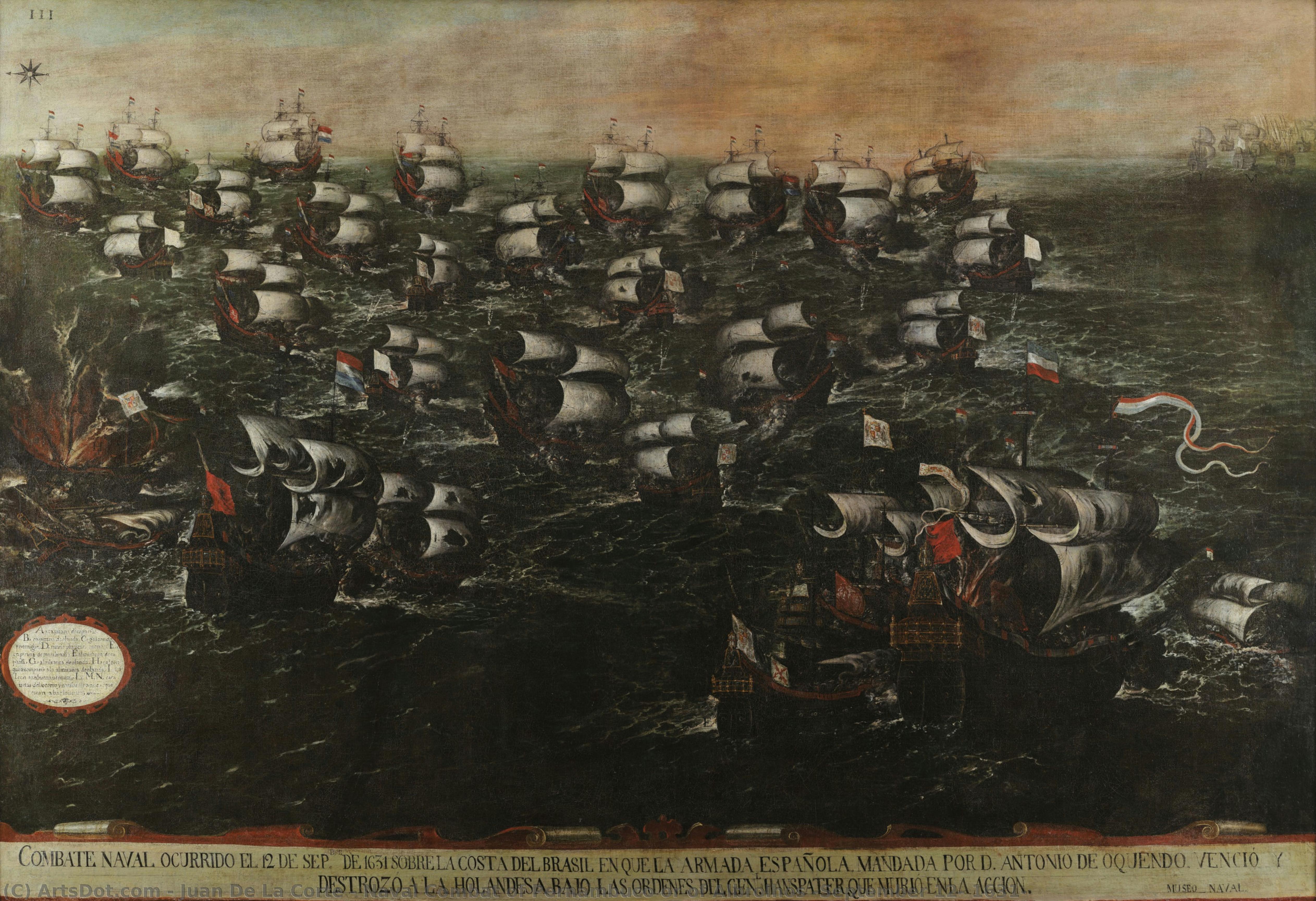
Naval Combat of Pernambuco or of Albrolhos (September 12, 1631)


 詳細を見る
詳細を見る
オンラインプレビューをはるかに凌ぐ、高解像度で鮮明なデジタル画像をご購入いただけます。
各ファイルは、社内の専門家が高度なツールと熟練した手作業によるレタッチを用いて、細心の注意を払って準備されています。すべての画像において、卓越した鮮明度、正確な色彩再現性、そして繊細なディテールを保証いたします。
最終ファイルは、プロフェッショナルな編集・印刷環境ですぐにご利用いただけるよう最適化された状態で、72時間以内にメールにてお届けいたします。これは、一流のデザインスタジオ、出版社、ギャラリーから信頼されているものと同等の品質です。
デジタル画像のご注文に付随する特典
高品質なデジタル画像配信を、確かな品質で。
ArtsDot.com を選ぶことは、単に画像を手に入れることではありません。それは、プロの手によって精密に仕上げられ、満足保証が付いた高品質なデジタルアートワークを受け取ることを意味します。ご注文いただいた際に自動的に付随する内容は、以下の通りです:

メールですぐにお届け
ご注文から72時間以内に、高解像度のデジタル画像ファイルがメールでお手元に届きます。すぐにそのままご利用いただけます。

AI技術で最適化されたデジタルファイル
お客様の作品は、高度なAIツールと専門家による手作業の編集を組み合わせてプロフェッショナルに最適化されており、細部のディテール、鮮明さ、そして正確な色再現性を最大限に引き出しています。

一生涯無料の再送サービス
ファイルを誤って削除したり、紛失してしまったりしましたか?ご安心ください。いつでも無料で再送いたします。

輸入手数料は一切かかりません
関税や手数料、配送料を気にすることなく、お気に入りのアートワークをすぐにお楽しみいただけます。デジタルダウンロードは常に免税です。

色彩再現の保証
プロ仕様のツールとカラーマネジメント技術を用いることで、デジタル画像が元の色を最大限に忠実に再現することを保証いたします。

60日間満足保証
ご購入いただいたデジタル画像にご満足いただけない場合は、60日以内であれば、修正または100%の返金(理由を問う必要はありません)をさせていただきます。

100% 返金保証
ご満足いただけない場合は、デジタルファイルを受け取ってから60日以内であれば、理由を問わず全額返金いたします。

まとめ買い割引
3枚購入で10%OFF - 5枚購入で15%OFF - 10枚以上購入で20%OFF。クリエイティブなプロジェクト、ギャラリー、エージェンシーに最適です。
関連作品








作家の略歴
Juan de la Corte: Master of the Spanish Naval Battle
Juan de la Corte (1597-1660) stands as a pivotal figure in 17th-century Spanish art, renowned for his dramatic and meticulously rendered depictions of naval battles. Born in Madrid, he emerged from the workshop of Francisco Velázquez, inheriting a legacy of artistic skill and a deep understanding of composition and perspective – qualities that would define his unique style. While often overshadowed by other Golden Age masters, Corte’s contribution to Spanish art lies primarily in his unparalleled ability to capture the chaos, dynamism, and sheer scale of maritime warfare, offering viewers an intimate glimpse into historical conflicts.
Corte's artistic journey began under Velázquez, a master known for his realism and mastery of light. This early training instilled in him a rigorous attention to detail and a commitment to portraying subjects with remarkable accuracy. However, Corte quickly distinguished himself through his specialization in battle scenes – a genre relatively unexplored by Spanish painters at the time. He wasn’t simply illustrating historical events; he was striving to convey the visceral experience of combat, the clash of steel, the roar of cannons, and the desperate courage of sailors and soldiers alike.
His most celebrated work, “Naval Combat of Pernambuco or of Albrolhos (September 12, 1631),” exemplifies his artistic prowess. This monumental painting, commissioned to commemorate the decisive victory by the Spanish fleet against the Dutch in Pernambuco, is a testament to Corte’s technical skill and dramatic vision. The sheer size of the canvas—over six meters long—allows him to depict hundreds of ships engaged in furious combat, each vessel rendered with astonishing detail. The composition is brilliantly balanced, guiding the viewer's eye through the swirling mass of vessels, exploding gunpowder, and struggling figures. It’s not merely a record of a battle; it’s an immersive experience that transports the observer directly into the heart of the fray.
A Royal Patronage and Artistic Development
Corte’s career was significantly shaped by his patronage under King Philip III and later, King Philip IV. These royal commissions provided him with financial stability and access to resources, allowing him to undertake ambitious projects and develop his artistic skills further. He also served as a court painter, producing portraits of nobility and documenting significant events – a role that honed his observational abilities and deepened his understanding of human psychology.
Interestingly, Corte’s early career was marked by a shift in perspective. Initially influenced by the prevailing conservative views of the Spanish court, he later embraced more liberal ideals, reflecting the changing political landscape of Spain. This evolution is evident in his artistic style, which became increasingly nuanced and expressive over time. His work during this period demonstrates a growing interest in portraying not just the spectacle of war but also the human cost – the bravery, sacrifice, and suffering endured by those involved.
Despite his royal connections, Corte’s artistic development wasn't solely dictated by courtly demands. He was known to study historical accounts and engravings to ensure accuracy in his depictions of battles. Furthermore, he meticulously researched naval tactics and ship designs, incorporating these details into his paintings with remarkable precision. This dedication to realism contributed significantly to the authenticity and impact of his work.
Technique and Style
Corte’s artistic style is characterized by a masterful command of perspective, dynamic composition, and a vibrant use of color. He employed a technique known as “aerial perspective,” subtly blurring distant objects to create a sense of depth and atmosphere. His brushwork is loose and expressive, conveying the movement and energy of the battle with remarkable immediacy.
Color plays a crucial role in his paintings, particularly in depicting the smoke, flames, and explosions that characterize naval combat. He skillfully used contrasting colors to highlight key elements – the brilliant white of sails against the dark blue of the sea, the fiery red of cannonballs against the gray of the warships. His palette is rich and varied, reflecting the diverse range of subjects he tackled.
Corte’s influence extends beyond his individual works. He helped to establish naval battle painting as a significant genre within Spanish art, inspiring subsequent generations of artists to explore this dramatic subject matter. His meticulous attention to detail, dynamic compositions, and expressive brushwork set a new standard for depicting historical conflicts.
Legacy and Historical Significance
Juan de la Corte’s paintings offer invaluable insights into the history of Spain during the 17th century – a period marked by intense political and military rivalry with other European powers. His depictions of naval battles, such as the Battle of Pernambuco, provide a visual record of these conflicts, capturing the strategic importance of maritime power in shaping Spanish dominance.
Today, Corte’s works are housed in prestigious museums around the world, including the Museo Nacional del Prado in Madrid and the Art Institute of Chicago. His paintings continue to fascinate viewers with their dramatic intensity, technical skill, and historical significance. Juan de la Corte remains a vital figure in Spanish art history, celebrated for his ability to transform historical events into compelling visual narratives.
juan de la corte
1597 - 1660

