

 プレビュー
プレビュー
 シェアする
シェアする シェアする
シェアする
 詳細を見る
詳細を見る

 ダウンロード
 似ている作品
 X線調査
X線調査 スライドショー
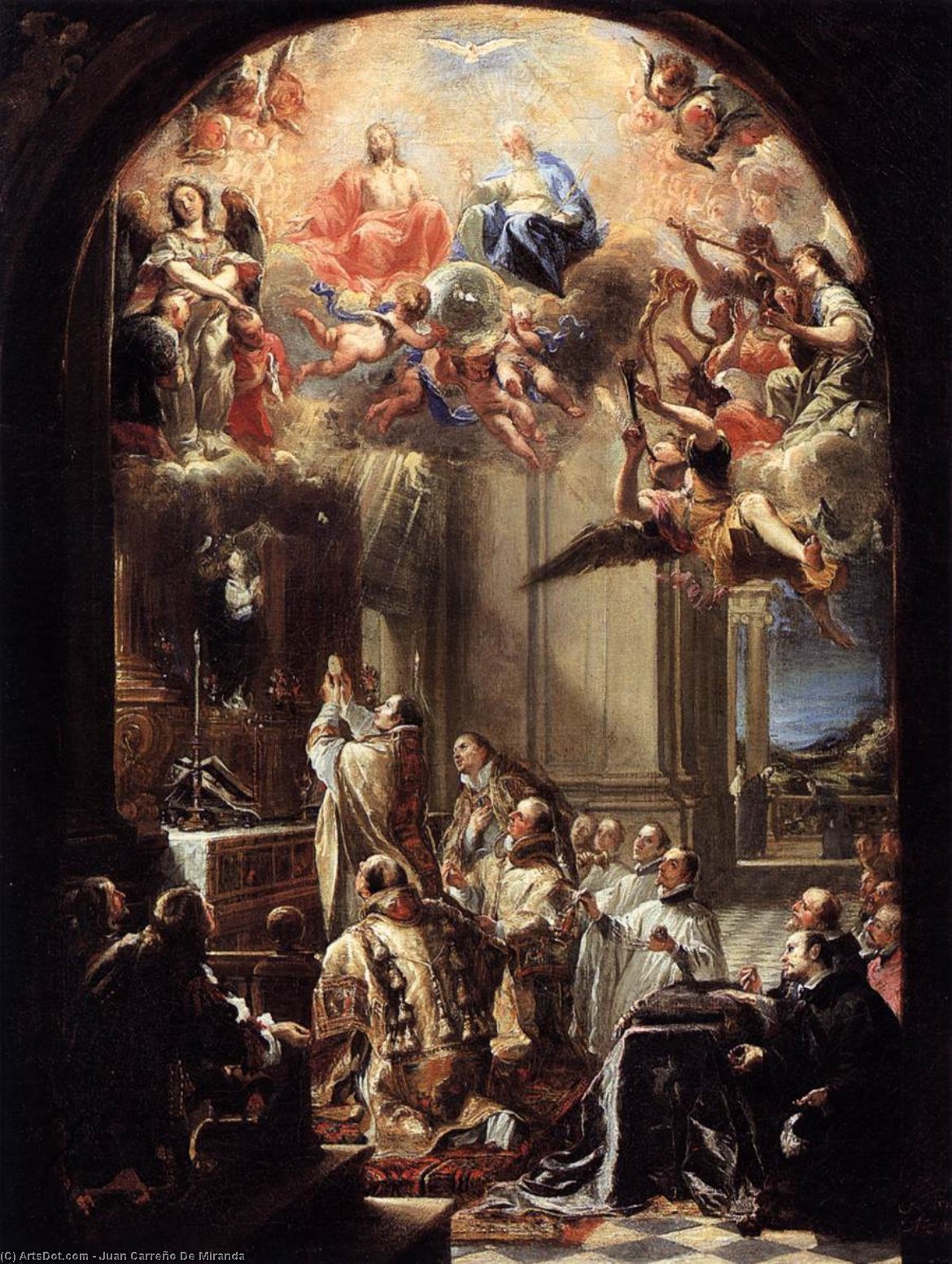
Mass of St John of Matha
 Oil On Canvas
- WallArt
- Baroque
 1666
1666 106.0 x 86.0 cm
 Academy of Fine Arts Vienna
 詳細を見る
詳細を見る
ジークレー/アートプリント
迅速な制作と多彩な仕上げオプションを備えた、ミュージアムクオリティのジークレーまたはキャンバスプリント。 ( 手描きの絵画を購入 画像を購入)




P118B $10

P118H $10

P118W $10

P438Z $10

P508JH $12

P508YH $12

P805H $10

P805Z $10

P919BZ $10

P919G $10

P919XJ $10

P959ZH $10

P968JZ $12

W106C $8

W218G $10

W218JH $8

W218Y $10

W307PJ $10

W316G $10

W316PJ $8

W316Y $10

W398PJ $8

W4111J $10

W500HY $15

W500JH $15

W692G $12

W849H $8

W940BG $15

W953PJ $8




作品のオリジナル比率に合わせた、当店の規定サイズからお選びください。

特定のフレームやスペースに合わせて、ご自身でサイズを指定することも可能です。選択されたサイズが元の画像の比率と一致しない場合、作品をトリミングするか、鏡面反射または単色での塗りつぶしによって画像を拡張いたします。制作を開始する前に、ご確認用のデジタルモックアップをお送りいたします。
画面上のプレビューには、実際のトリミングや拡張は反映されませんのでご注意ください。最終的な構図を正確に確認できるのは、モックアップのみとなります。
カスタムサイズも承っておりますが、元の比率を維持するためには、あらかじめ用意されたリストからサイズを選択することをお勧めいたします。


 ガラスオプションは、110cm未満のサイズでのみご利用いただけます。

Mass of St John of Matha
ジークレー/アートプリント
複製画のサイズ
-


合計金額
$ 62
作品詳細説明
The Visionary Canvas: Juan de Miranda’s “Mass of St John of Matha”
Juan Carreño de Miranda's "Mass of St John of Matha," painted in 1666, isn’t merely a religious scene; it’s a profound meditation on faith, redemption, and the divine. This monumental oil painting, measuring 106 x 86 cm, transports the viewer to a richly detailed, almost theatrical, representation of a pivotal moment in the life of St John of Matha – the founder of the Order of the Most Holy Trinity. Born in Avilés, Spain, Carreño’s artistic journey led him to Madrid and ultimately to the heart of the Spanish court, where he honed his skills under masters like Pedro de las Cuevas and Bartolomé Román. The painting itself is a testament to his mastery, capturing not just likenesses but also an overwhelming sense of spiritual grandeur.
(Image source: WGA)
A Dramatic Baroque Narrative
Carreño’s work firmly establishes itself within the vibrant and emotionally charged world of Baroque painting. The composition is a masterful pyramid, with Christ in glory at its apex, drawing the eye upwards towards the heavens. The scene unfolds within a grand, yet subtly implied, church interior – an architectural space brimming with wealth and importance, suggesting the power and influence of the Catholic Church. Dense figures are arranged dynamically, creating a sense of movement and activity, while strong contrasts between light and shadow (chiaroscuro) heighten the drama and emphasize key elements like Christ’s halo and the gestures of the priests.
The painting's historical context is crucial to understanding its power. In the 13th century, Christian captives were routinely seized by North African pirates, leading to a widespread demand for ransom. St John of Matha dedicated his life to rescuing these enslaved Christians, founding an order devoted to this pious work. The scene depicted here captures the moment when he received a vision—a white stag with a red and blue cross between its antlers—inspiring him to continue his mission.
Symbolism Woven into Every Detail
“Mass of St John of Matha” is rich in symbolic elements. Christ’s radiant presence, surrounded by angels and saints, embodies divine glory and the promise of salvation. The dove representing the Holy Spirit floats above, signifying grace and spiritual transcendence. The red and blue cross on the stag's antlers directly references the vision that fueled St John’s dedication. Even the gestures of the priests – lifting the host, offering blessings – are imbued with religious significance. The inclusion of a captive Christian in the scene underscores the order’s core mission: to liberate those held in bondage.
Technique and Artistic Flourish
Carreño's technical skill is evident in every brushstroke. He employs impasto – thick, textured application of paint – particularly in areas like the robes and the celestial realm, creating a tactile richness that adds depth and luminosity to the work. The use of color is masterful, dominated by warm tones—gold, reds, and browns—contrasted by cooler blues and whites, generating a dynamic visual harmony. The artist’s attention to detail extends to the architectural elements, the intricate folds of drapery, and the expressions on the faces of the figures, all rendered with remarkable realism and sensitivity. The painting was created using oil paints on canvas.
A Legacy of Royal Likenesses
Juan Carreño de Miranda (1614-1685) was a prominent Spanish Baroque painter renowned for his elegant royal portraits, masterful use of light, and influence from Velázquez, capturing a significant era in Spanish art history. His work reflects the grandeur and piety of the Spanish court during the reign of Philip IV. The “Mass of St John of Matha” stands as one of his most celebrated achievements, showcasing his ability to combine religious fervor with artistic brilliance.
関連作品



アーティストの略歴
王家の肖像が遺したもの:フアン・カレニョ・デ・ミランダの生涯と芸術
1614年、スペインの沿岸都市アビレスに生を受けたフアン・カレニョ・デ・ミランダは、バロック時代を代表する最も重要なスペイン人肖像画家の一人としてその名を刻みました。彼の芸術への歩みは、すでに芸術の息吹が感じられる家庭から始まりました。父もまたフアン・カレニョという名の画家であり、この幼少期の芸術的環境こそが、若きフアンの芸術的感性の揺るぎない礎となったことは疑いようもありません。転機となったのは1623年、家族と共にマドリードへと移住したことでした。この移動は彼のキャリアを決定づけ、スペイン宮廷生活の核心部へと彼を誘うことになります。その後、1620年代後半には、高名なペドロ・デ・ラ・クエヴァスやバルトロメ・ロマンといった師のもとで正式な修行を開始しました。これらの巨匠たちは、彼に卓越した技術のみならず、後の作品を定義づけることになる美学的原理への鋭い洞察力を授けました。その類まれな才能は瞬く間に注目を集め、なんとディエゴ・ベラスケスの目に留まることとなります。ベラスケスという存在は、カレニョの芸術的発展に計り知れない影響を与えることになりました。ドニャ・マリア・デ・アラゴン修道院の回廊やマルフォファの聖母ロザリオ教会を飾った初期の依頼作品には、芽生えつつあった才能と、後に訪れる円熟した技量の片鱗が鮮やかに示されています。宮廷画家への昇進:王室による任命
カレニョの地位の向上は、芸術的な功績と幸運な巡り合わせの両方によって形作られました。1658年、彼はマドリードのアルカサルにおけるフレスコ画制作という、王室の重要な依頼において助手の役割を勝ち取ります。1734年の悲劇的な火災によって失われてしまったものの、このプロジェクトは、王室のパトロンが求める壮大なスケールと厳しい要求に応えるための、かけがえのない経験をもたらしました。しかし、彼の地位を真に不動のものとしたのは、1なる1671年のセバスティアン・デ・エレーラの死でした。彼は「ピントール・デ・カマラ(宮廷画家)」として王妃に仕える役職に任命され、その役割はその後数十年にわたる彼のキャリアを決定づけることになります。この任命は単なる称号ではありませんでした。それはスペインの権力と威信の構造そのものへの没入を意味していたのです。彼は王族や宮廷人たちの個性、陰謀、そして微細なニュアンスに深く精通し、その知識を見事にキャンバスへと昇華させました。サンティアゴ騎士団からの騎士号授与を辞退した際、「絵画そのものが世界に名誉をもたらすのだ」と語ったエピソードは有名であり、自らの職人技に対する揺るぎない献身の証として語り継がれています。人物を描き出す芸術:様式と影響
カレニョ・デ・ミランダの様式はスペイン・バロックの伝統に深く根ざしながらも、彼独自の比類なき個性を備えています。彼は単にベラスケスを模倣したのではなく、その基盤の上に自らの感性を注ぎ込み、新たな地平を切り拓いたのです。彼の肖像画の特徴は、徹底したリアリズムへの追求にあります。身体的特徴や豪華絢爛な衣服の細部までをも緻った描写で描き出しました。しかし、単なる外見の写実を超え、カレニョは被写体の「内面」の性格、社会的地位、さらには心理状態までも捉える驚異的な能力を有していました。それは劇的な身振りや誇張された表情によってではなく、丁寧に描かれた手、意味深な眼差し、顔に落ちる光の正確な階調といった、極めて繊細なディテールを通じて成し遂げられたのです。ベラスケスの影響は否定しようもなく、特に明暗の対比を用いる「キアロスクーロ」の巧みな技法は、画面に奥行きとドラマを与えています。同時に、アンソニー・ヴァン・ダイクのようなフランドルの巨匠からもインスピレーションを得ており、肖像画の中に貴族的な優雅さと洗練された細部を取り入れました。彼の作品は、劇的な照明と構成を通じてバロック特有のドラマを体現しながらも、威厳ある抑制を保ち、視覚的なインパクトを高めることに成功しています。傑作と不朽の意義
キャリアの初期には宗教的な祭壇画も制作していましたが、今日彼が最も称賛されているのはその肖像画においてです。彼の代表作には、若き国王の威厳を象徴する『金羊毛騎士団団長としてのカルロス2世』、王妃のマリアナ・デ・オーストリアの厳格な気品と政治的権力を捉えた『マリアナ・デ・オーストリア王妃の肖像』、そして貴族の富と地位を誇示する『パストラナ公爵の肖像』などがあります。これらの絵画は、スペイン王室や宮廷の人々を描いた数多くの作品と共に、スペイン史の極めて重要な時代を覗き見るための貴重な窓となっています。これらは単なる肖像画ではなく、スペインの運命を形作った人々の生活、個性、そして権力構造の証言者たる歴史的文書なのです。カレニズムの遺産は、彼自身の芸術的達成に留まりません。彼は熱心な教育者でもあり、マテオ・セレソ、カベサレロ、ドノソ、レデスマ、ソトマヨールといった才能ある弟子たちを育成し、1685年に彼が世を去った後も、その様式と影響が次世代へと受け継がれることを確かなものにしました。王族をかつてないほどのリアリズムで記録した彼の能力は、スペイン・バロック美術における重要人物としての地位を不動のものとしました。彼は単に「どのような姿であったか」を描いたのではなく、「彼らが何者であったか」を捉えた、肖像画の巨匠だったのです。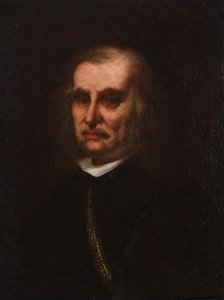
フアン・カレニョ・デ・ミランダ
1614 - 1685 , スペイン
基本情報
- Artistic Movement Or Style: スペイン・バロック
- Artists Or Movements Influenced By This Artist:
- マテオ・セレソ
- カベサレロ
- ドノソ
- レデスマ
- ソトマイオル
- Artists Who Influenced This Artist: ['ディエゴ・ベラスケス']
- Date Of Birth: 1614年
- Date Of Death: 1685年
- Full Name: フアン・カレニョ・デ・ミランダ
- Nationality: スペイン
- Notable Artworks:
- 金羊毛騎士団長としてのカルロス2世
- オーストリア王妃マリアナ
- パストラナ公爵の肖像
- Place Of Birth: スペイン、アビレス
関連記事

ゴヤ傑作25選:スペインの魂を揺さぶる、深遠な芸術の世界 | ArtsDot
ゴヤ傑作25選:ロマン主義を代表するスペインの巨匠、フランシスコ・デ・ゴヤの世界へ。黒衣の女からマハまで、魂を揺さぶる絵画の物語と技法を紐解きます。ArtsDotで高品質なアートレプリカを見つけ、インテリアに深みと風格を。今すぐコレクションをご覧ください。
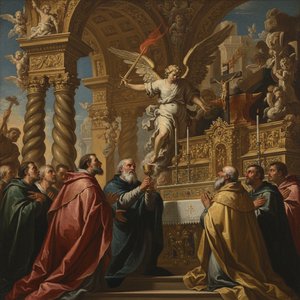
The Golden Age Reforged: Dramatic Realism & Religious Zeal in Spanish Baroque Art
Explore the dramatic world of Spanish Baroque art! Discover masters like Zurbarán & the powerful influence of religious zeal on painting techniques – a guide for collectors and enthusiasts.
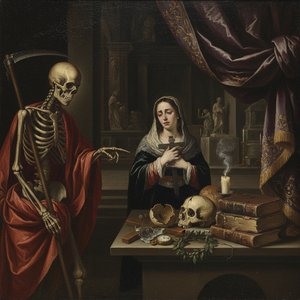
Juan de Valdés Leal: Baroque Realism, Memento Mori & Theatricality of Spanish Grief
Explore the powerful Baroque realism of Juan de Valdés Leal (1622-1690). Discover his somber masterpieces, iconic 'In Ictu Oculi', and profound explorations of mortality. Museum-quality reproductions available at ArtsDot.

The Dramatic Flourish: Exploring the Baroque Movement's Enduring Legacy in Art History
Explore the dramatic world of Baroque art! Discover iconic artists like Caravaggio & Rubens, defining techniques, and its lasting impact on art history. Expert insights for collectors & enthusiasts at ArtsDot.
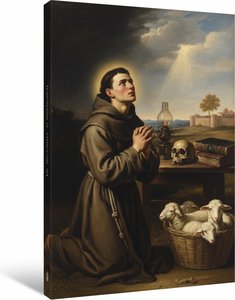
Francisco de Zurbarán: Mysticism, Realism & the Golden Age of Spanish Painting
Explore the captivating world of Francisco de Zurbarán, a master of Spanish Baroque painting. Discover his dramatic tenebrism, religious masterpieces like 'La Porciúncula,' and lasting influence on art history.

