

 プレビュー
プレビュー
 プリントを購入
 シェアする
シェアする シェアする
シェアする
 詳細を見る
詳細を見る

 ダウンロード
 似ている作品
 X線調査
X線調査 スライドショー
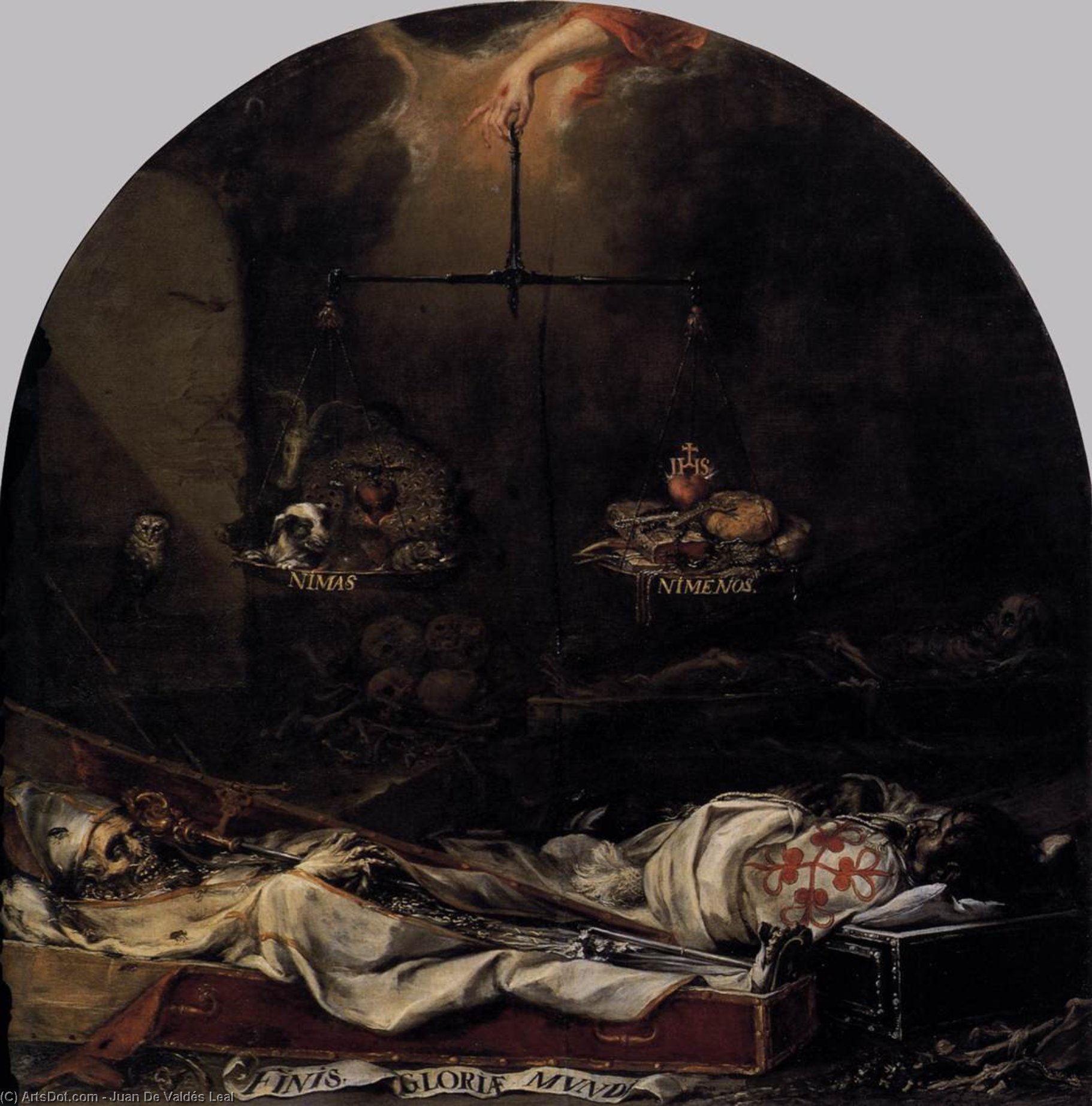
Finis Gloriae Mundi
 Acrylic On Canvas
- WallArt
- Baroque
 1670
1670 220.0 x 216.0 cm
 Hospital de la Caridad
 詳細を見る
詳細を見る
オンラインプレビューをはるかに凌ぐ、高解像度で鮮明なデジタル画像をご購入いただけます。
各ファイルは、社内の専門家が高度なツールと熟練した手作業によるレタッチを用いて、細心の注意を払って準備されています。すべての画像において、卓越した鮮明度、正確な色彩再現性、そして繊細なディテールを保証いたします。
最終ファイルは、プロフェッショナルな編集・印刷環境ですぐにご利用いただけるよう最適化された状態で、72時間以内にメールにてお届けいたします。これは、一流のデザインスタジオ、出版社、ギャラリーから信頼されているものと同等の品質です。
デジタル画像のご注文に付随する特典
高品質なデジタル画像配信を、確かな品質で。
ArtsDot.com を選ぶことは、単に画像を手に入れることではありません。それは、プロの手によって精密に仕上げられ、満足保証が付いた高品質なデジタルアートワークを受け取ることを意味します。ご注文いただいた際に自動的に付随する内容は、以下の通りです:

メールですぐにお届け
ご注文から72時間以内に、高解像度のデジタル画像ファイルがメールでお手元に届きます。すぐにそのままご利用いただけます。

AI技術で最適化されたデジタルファイル
お客様の作品は、高度なAIツールと専門家による手作業の編集を組み合わせてプロフェッショナルに最適化されており、細部のディテール、鮮明さ、そして正確な色再現性を最大限に引き出しています。

一生涯無料の再送サービス
ファイルを誤って削除したり、紛失してしまったりしましたか?ご安心ください。いつでも無料で再送いたします。

輸入手数料は一切かかりません
関税や手数料、配送料を気にすることなく、お気に入りのアートワークをすぐにお楽しみいただけます。デジタルダウンロードは常に免税です。

色彩再現の保証
プロ仕様のツールとカラーマネジメント技術を用いることで、デジタル画像が元の色を最大限に忠実に再現することを保証いたします。

60日間満足保証
ご購入いただいたデジタル画像にご満足いただけない場合は、60日以内であれば、修正または100%の返金(理由を問う必要はありません)をさせていただきます。

100% 返金保証
ご満足いただけない場合は、デジタルファイルを受け取ってから60日以内であれば、理由を問わず全額返金いたします。

まとめ買い割引
3枚購入で10%OFF - 5枚購入で15%OFF - 10枚以上購入で20%OFF。クリエイティブなプロジェクト、ギャラリー、エージェンシーに最適です。
The Weight of Mortality: Juan de Valdés Leal’s *Finis Gloriae Mundi*
Juan de Valdés Leal's 1670 painting, *Finis Gloriae Mundi* (End of Worldly Glory), is not merely a depiction of death; it’s a profound meditation on the ephemeral nature of existence, rendered with a stark and unsettling beauty. Commissioned for the Hospital de la Claridad in Seville during a period of immense social upheaval – marked by plague outbreaks and religious fervor – the work transcends its immediate setting to offer a universal reflection on human vanity and the inevitability of decay. Leal, a master of the Baroque era, expertly employs dramatic chiaroscuro, a technique deeply rooted in the Counter-Reformation’s desire to evoke emotional intensity, to amplify the painting's somber message.
The scene unfolds within a modestly furnished chamber – a bed, a chair, and a table bearing simple objects: a book, a cup, and a bird perched on what appears to be a piece of wood. These earthly possessions, arranged with meticulous detail, immediately establish the painting’s central theme: the futility of material pursuits. However, it is not the objects themselves that draw attention, but their context – the decaying bodies sprawled across the floor. Two corpses, rendered in exquisite anatomical realism, dominate the foreground. One, a bishop draped in ecclesiastical robes, lies amidst insects and dust, symbolizing the corruption and ultimate insignificance of worldly power. The other, a knight clad in armor, represents the ideals of chivalry and military glory, now reduced to a state of lifelessness.
Symbolism and the Vanitas Tradition
Leal’s work is firmly embedded within the *Vanitas* tradition – a genre that flourished during the 17th century, characterized by its deliberate inclusion of symbols representing mortality, decay, and the transience of earthly pleasures. The carefully chosen elements—the decaying bodies, the insects, the extinguished flame (implied in the bird’s position), and even the dust motes suspended in the air – all contribute to this overarching message. The skull, subtly incorporated into the composition, serves as a stark reminder of death's ultimate dominion. The inclusion of clocks, visible in the upper corners, further emphasizes the relentless passage of time and the fleeting nature of human life. These aren’t simply decorative elements; they are potent symbols of the vanity of earthly ambition.
The balance scale, positioned prominently in the scene, is a key visual device. It represents the judgment of souls – a common motif in religious art of the period. On one side, we find objects associated with worldly success and honor: a book (representing knowledge), a cup (symbolizing indulgence), and a heart adorned with letters—likely representing virtues or perhaps even sins. On the other side, however, are symbols of decay and corruption: a pig (representing gluttony), a goat (suggesting lust), a peacock (signifying pride), and a dog (symbolizing wrath). The equilibrium of the scale suggests that earthly achievements ultimately lead to damnation, while virtuous actions—however small—are necessary for salvation.
Contextualizing the Painting: Seville in the 17th Century
To fully appreciate *Finis Gloriae Mundi*, it’s crucial to understand the historical context in which it was created. Seville, during the late 17th century, was a city grappling with profound social and religious changes. The devastating Great Plague of 1647-1652 decimated the population, exposing the fragility of life and prompting a renewed focus on mortality. Simultaneously, the Counter-Reformation demanded that the Catholic Church reaffirm its authority and combat the spread of Protestantism. Leal’s painting reflects this atmosphere of anxiety and spiritual urgency – a poignant reminder of the impermanence of earthly glory in the face of divine judgment.
A Timeless Meditation on Human Existence
*Finis Gloriae Mundi* is more than just a historical artifact; it's a deeply moving meditation on the human condition. Leal’s masterful use of light, shadow, and symbolism creates an intensely emotional experience for the viewer, prompting reflection on our own mortality and the values we prioritize in life. The painting’s enduring power lies not only in its technical brilliance but also in its profound exploration of universal themes—the fleeting nature of earthly pleasures, the inevitability of death, and the search for meaning in a world marked by uncertainty. Reproductions of this powerful work offer a chance to contemplate these weighty subjects within the comfort of one’s own space.
関連作品
作家の略歴
幼少期と修業時代
フアン・デ・バルデス・レアルは、1622年5月4日にスペインのセビリアで生まれました。彼は画家としてだけでなく、彫刻家や建築家としても才能を発揮し、多様な芸術分野で活躍しました。20代の頃には、アントニオ・デル・カスティージョのもとでコルドバで研鑽を積みました。この時代は、バロック美術が隆盛を極めていた時期であり、彼の芸術的素養を育む上で重要な影響を与えました。バルデス・レアルは、セビリアの芸術コミュニティにおいて急速に頭角を現し、その才能と情熱で注目を集めました。主要な作品と共同制作
バルデス・レアルの代表的な作品には、以下のものがあります:- 預言者エリヤの物語 - カルメリテ教会
- 聖アンドレアスの殉教 - コルドバのサン・フランシスコ教会
- 十字架の勝利 - セビリアのラ・カリダッド教会
私生活と遺産
バルデス・レアルは、1647年に同じく画家であるイサベラ・カラスキージャと結婚しました。二人の間には5人の子供が生まれ、そのうちの何人かは芸術家として活躍しました。代表的な子供としては、ルーカス、マリア、ラウラなどが挙げられます。バルデス・レアルは1690年10月15日にセビリアで生涯を閉じましたが、彼の遺産は美術界に深く刻まれました。彼の作品は、その独特な表現力とテーマ性によって、後世の芸術家たちに大きな影響を与え続けています。作品鑑賞:ArtsDot.com で
バルデス・レアルの作品をより深く探求するために、https://ArtsDot.com/@/juan de valdés lealをご覧ください。ここでは以下のコンテンツを提供しています:- フアン・デ・バルデス・レアルによる165点以上の作品
- 彼の絵画の美術館品質の複製
- 時代を特徴づけるバロック美術様式
さらなる探求:ArtsDot.com が提供する情報
- アストゥリアス美術館(スペイン):12世紀から20世紀初頭までのヨーロッパ美術コレクションを探索できます。
- セビリア美術館(スペイン):博物館の歴史、コレクション、訪問情報について学ぶことができます。
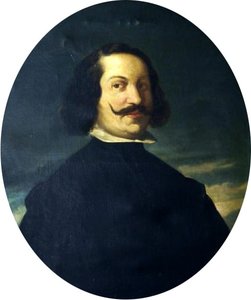
フアン・デ・バルデス・レアル
1622 - 1690 , スペイン
プロフィール概要
- Artistic Movement Or Style: バロック絵画
- Artists Or Movements Influenced By This Artist: ['バルトロメ・エステバン・ムリーリョ']
- Artists Who Influenced This Artist: ['アントニオ・デル・カスティージョ']
- Date Of Birth: 1622年5月4日
- Date Of Death: 1690年10月15日
- Full Name: フアン・デ・バルデス・レアル
- Nationality: スペイン人
- Notable Artworks (List Of Titles):
- 預言者エリヤの歴史
- 聖アンドレアスの殉教
- 十字架の勝利
- Place Of Birth (City And Country): スペイン、セビリア

