

 プレビュー
プレビュー
 プリントを購入
 シェアする
シェアする シェアする
シェアする
 詳細を見る
詳細を見る

 ダウンロード
 似ている作品
 X線調査
X線調査 スライドショー
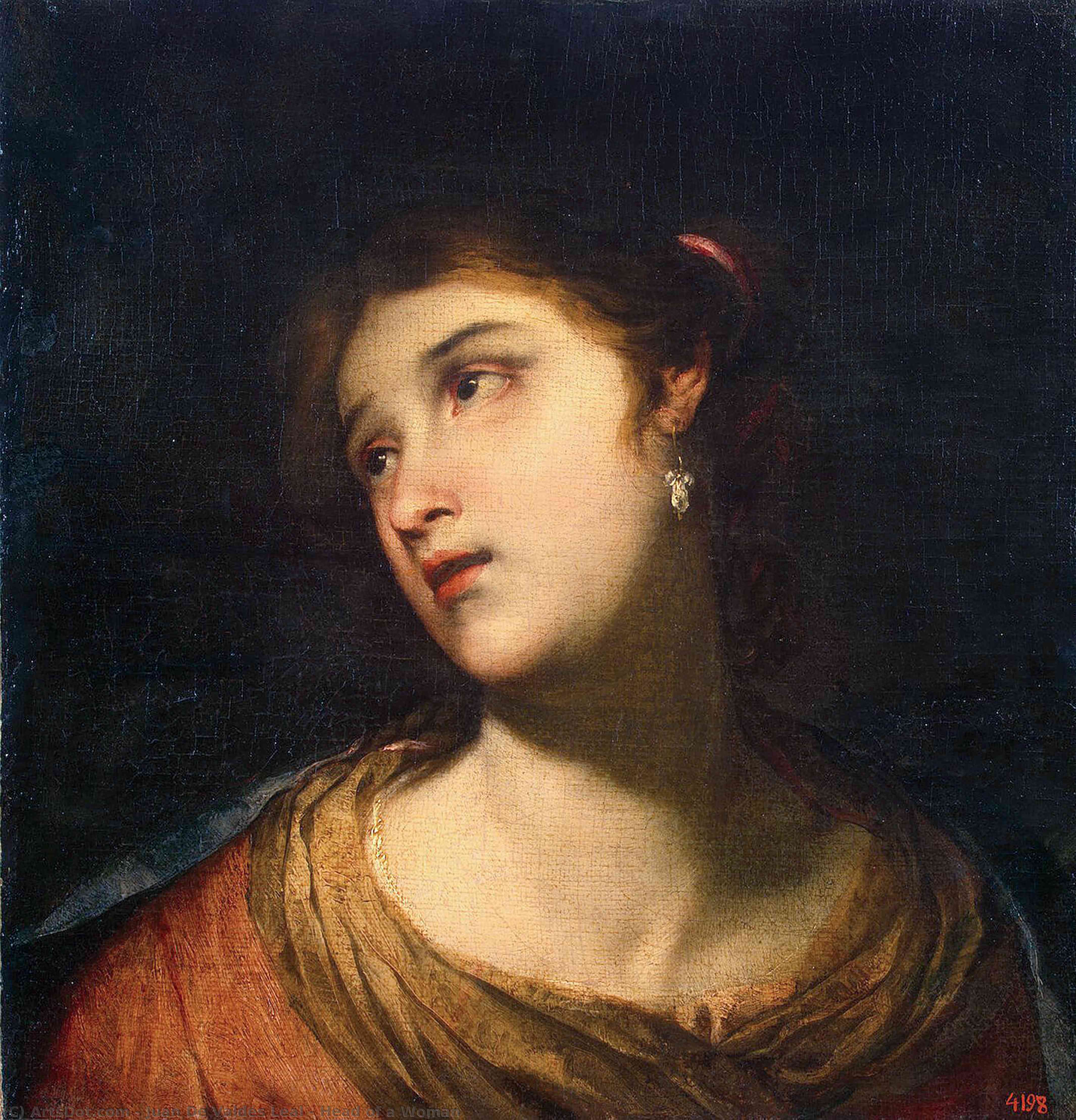
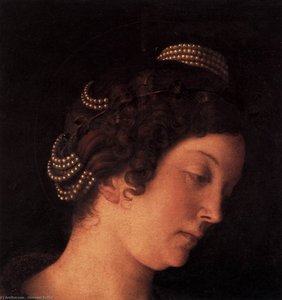
Head of a Woman
 Oil On Canvas
- WallArt
- Spanish Baroque
 1658
1658 44.0 x 43.0 cm
 エルミタージュ美術館
 詳細を見る
詳細を見る




P118B $10

P118H $10

P118W $10

P438Z $10

P508JH $12

P508YH $12

P805H $10

P805Z $10

P919BZ $10

P919G $10

P919XJ $10

P959ZH $10

P968JZ $12

W106C $8

W218G $10

W218JH $8

W218Y $10

W307PJ $10

W316G $10

W316PJ $8

W316Y $10

W398PJ $8

W4111J $10

W500HY $15

W500JH $15

W692G $12

W849H $8

W940BG $15

W953PJ $8




作品のオリジナル比率に合わせた、当店の規定サイズからお選びください。

特定のフレームやスペースに合わせて、ご希望のサイズをご入力いただけます。選択されたサイズが元の画像の比率と異なる場合、アートワークをトリミングするか、手描きで要素を追加して絵画を拡張いたします。デジタルモックアップ を制作し、制作開始前にご確認(承認)をいただきます。
画面上のプレビューは、実際のトリミングや拡張を正確に反映しているものではありません。最終的な構図は、モックアップによってのみ正確にご確認いただけます。
カスタムサイズもご利用いただけますが、元の比率を維持するためには、あらかじめ用意されたリストからサイズを選択することをお勧めいたします。
ご注文後、ArtsDot.com チームより詳細な指示をお送りするとともに、仕上がりイメージ(モックアップ)をご提供いたします。


 ガラスオプションは、110cm未満のサイズでのみご利用いただけます。

Head of a Woman
複製技法
複製画のサイズ
-


合計金額
$ 263
作品解説
A Portrait of Quiet Intensity: Juan de Valdés Leal’s “Head of a Woman”
Juan de Valdés Leal's "Head of a Woman," painted in 1658, is not merely a portrait; it’s a carefully constructed meditation on beauty, contemplation, and the subtle language of expression. Housed within the venerable halls of The Hermitage Museum in St. Petersburg, this oil-on-canvas work offers a rare glimpse into the world of Spanish Baroque art – a period defined by dramatic contrasts, intense emotion, and an unwavering fascination with human psychology. Leal’s masterful handling of light and shadow, combined with his meticulous attention to detail, elevates this piece beyond simple likeness, transforming it into a powerful study of the female form and the mysteries held within the eyes.
The Baroque Aesthetic: Drama and Realism in Harmony
Created during a pivotal moment in European history – a time marked by significant architectural and artistic developments like the construction of Vaux-le-Vicomte – “Head of a Woman” embodies the core tenets of the Spanish Baroque. Leal, deeply influenced by the traditions of his predecessors, particularly Antonio del Castillo, skillfully balances dramatic theatricality with a profound sense of realism. The painting’s monochrome palette—a deliberate choice that harkens back to earlier portraiture styles—intensifies the focus on the subject's face and expression, stripping away any distractions and forcing the viewer into an intimate dialogue. Notice the carefully rendered texture of her hair, pulled back in a sophisticated bun, and the delicate folds of her garment – each element meticulously observed and translated onto the canvas with remarkable precision.
Symbolism and the Language of the Gaze
The woman’s direct gaze is arguably the painting's most compelling feature. It isn’t a vacant stare, but rather an intense, almost challenging look that invites the viewer to share in her thoughts and emotions. The slight tilt of her head suggests a moment of quiet contemplation, perhaps lost in memory or simply observing the world around her. The pearl earring, a subtle yet significant detail, hints at a certain social standing – a small emblem of wealth and status within 17th-century Spain. Considering Leal’s penchant for exploring themes of transience and mortality, often through works like “History of the Prophet Elias,” one might interpret this portrait as a reflection on the fleeting nature of beauty and life itself.
Technique and Artistic Influence
Leal's technique is characterized by a masterful use of chiaroscuro – the dramatic interplay of light and dark. He employs visible brushstrokes, particularly in the hair and fabric, adding a tactile quality to the image and enhancing its three-dimensional effect. The painting’s composition echoes similarities with works like Philipp Veit’s “Allegory of Russia,” sharing a similar focus on capturing the essence of the subject's inner life. Furthermore, comparing it to Rembrandt van Rijn’s "Holy Family" reveals a shared commitment to portraying human emotion with remarkable sensitivity and realism. The painting stands as a testament to Leal’s skill in portraiture, demonstrating his ability to not only depict physical likeness but also to convey the complex emotions and psychological depth of his subjects.
A high-quality reproduction of “Head of a Woman” offers an exceptional opportunity to bring this captivating Baroque masterpiece into your home or studio. Its timeless elegance and profound emotional resonance will undoubtedly serve as a source of inspiration for years to come, reflecting the enduring power of art to connect us with the past and illuminate the human condition.
関連作品

アーティストの略歴
幼少期と修業時代
フアン・デ・バルデス・レアルは、1622年5月4日にスペインのセビリアで生まれました。彼は画家としてだけでなく、彫刻家や建築家としても才能を発揮し、多様な芸術分野で活躍しました。20代の頃には、アントニオ・デル・カスティージョのもとでコルドバで研鑽を積みました。この時代は、バロック美術が隆盛を極めていた時期であり、彼の芸術的素養を育む上で重要な影響を与えました。バルデス・レアルは、セビリアの芸術コミュニティにおいて急速に頭角を現し、その才能と情熱で注目を集めました。主要な作品と共同制作
バルデス・レアルの代表的な作品には、以下のものがあります:- 預言者エリヤの物語 - カルメリテ教会
- 聖アンドレアスの殉教 - コルドバのサン・フランシスコ教会
- 十字架の勝利 - セビリアのラ・カリダッド教会
私生活と遺産
バルデス・レアルは、1647年に同じく画家であるイサベラ・カラスキージャと結婚しました。二人の間には5人の子供が生まれ、そのうちの何人かは芸術家として活躍しました。代表的な子供としては、ルーカス、マリア、ラウラなどが挙げられます。バルデス・レアルは1690年10月15日にセビリアで生涯を閉じましたが、彼の遺産は美術界に深く刻まれました。彼の作品は、その独特な表現力とテーマ性によって、後世の芸術家たちに大きな影響を与え続けています。作品鑑賞:ArtsDot.com で
バルデス・レアルの作品をより深く探求するために、https://ArtsDot.com/@/juan de valdés lealをご覧ください。ここでは以下のコンテンツを提供しています:- フアン・デ・バルデス・レアルによる165点以上の作品
- 彼の絵画の美術館品質の複製
- 時代を特徴づけるバロック美術様式
さらなる探求:ArtsDot.com が提供する情報
- アストゥリアス美術館(スペイン):12世紀から20世紀初頭までのヨーロッパ美術コレクションを探索できます。
- セビリア美術館(スペイン):博物館の歴史、コレクション、訪問情報について学ぶことができます。
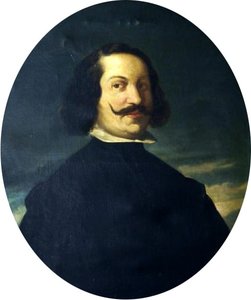
フアン・デ・バルデス・レアル
1622 - 1690 , スペイン
基本情報
- Artistic Movement Or Style: バロック絵画
- Artists Or Movements Influenced By This Artist: ['バルトロメ・エステバン・ムリーリョ']
- Artists Who Influenced This Artist: ['アントニオ・デル・カスティージョ']
- Date Of Birth: 1622年5月4日
- Date Of Death: 1690年10月15日
- Full Name: フアン・デ・バルデス・レアル
- Nationality: スペイン人
- Notable Artworks (List Of Titles):
- 預言者エリヤの歴史
- 聖アンドレアスの殉教
- 十字架の勝利
- Place Of Birth (City And Country): スペイン、セビリア
関連記事
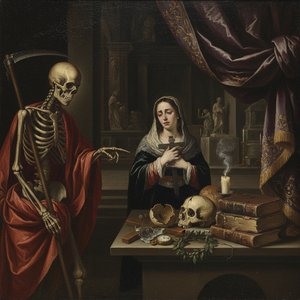
Juan de Valdés Leal: Baroque Realism, Memento Mori & Theatricality of Spanish Grief
Explore the powerful Baroque realism of Juan de Valdés Leal (1622-1690). Discover his somber masterpieces, iconic 'In Ictu Oculi', and profound explorations of mortality. Museum-quality reproductions available at ArtsDot.

ゴヤ傑作25選:スペインの魂を揺さぶる、深遠な芸術の世界 | ArtsDot
ゴヤ傑作25選:ロマン主義を代表するスペインの巨匠、フランシスコ・デ・ゴヤの世界へ。黒衣の女からマハまで、魂を揺さぶる絵画の物語と技法を紐解きます。ArtsDotで高品質なアートレプリカを見つけ、インテリアに深みと風格を。今すぐコレクションをご覧ください。
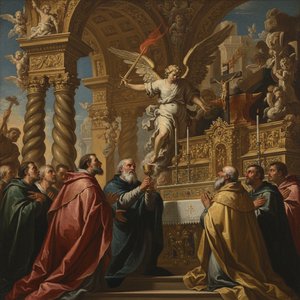
The Golden Age Reforged: Dramatic Realism & Religious Zeal in Spanish Baroque Art
Explore the dramatic world of Spanish Baroque art! Discover masters like Zurbarán & the powerful influence of religious zeal on painting techniques – a guide for collectors and enthusiasts.
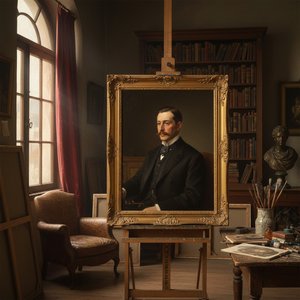
Rafael de Penagos: A Study in Spanish Portraiture & Artistic Identity
Explore the life & art of Rafael de Penagos, a leading Spanish Art Deco illustrator. Discover his iconic 'Penagos Woman', commercial work, and lasting legacy. Learn about this pivotal figure in 20th-century Spanish art history.

The Dramatic Flourish: Exploring the Baroque Movement's Enduring Legacy in Art History
Explore the dramatic world of Baroque art! Discover iconic artists like Caravaggio & Rubens, defining techniques, and its lasting impact on art history. Expert insights for collectors & enthusiasts at ArtsDot.

