

 プレビュー
プレビュー
 プリントを購入
 シェアする
シェアする シェアする
シェアする
 詳細を見る
詳細を見る

 ダウンロード
 似ている作品
 X線調査
X線調査 スライドショー
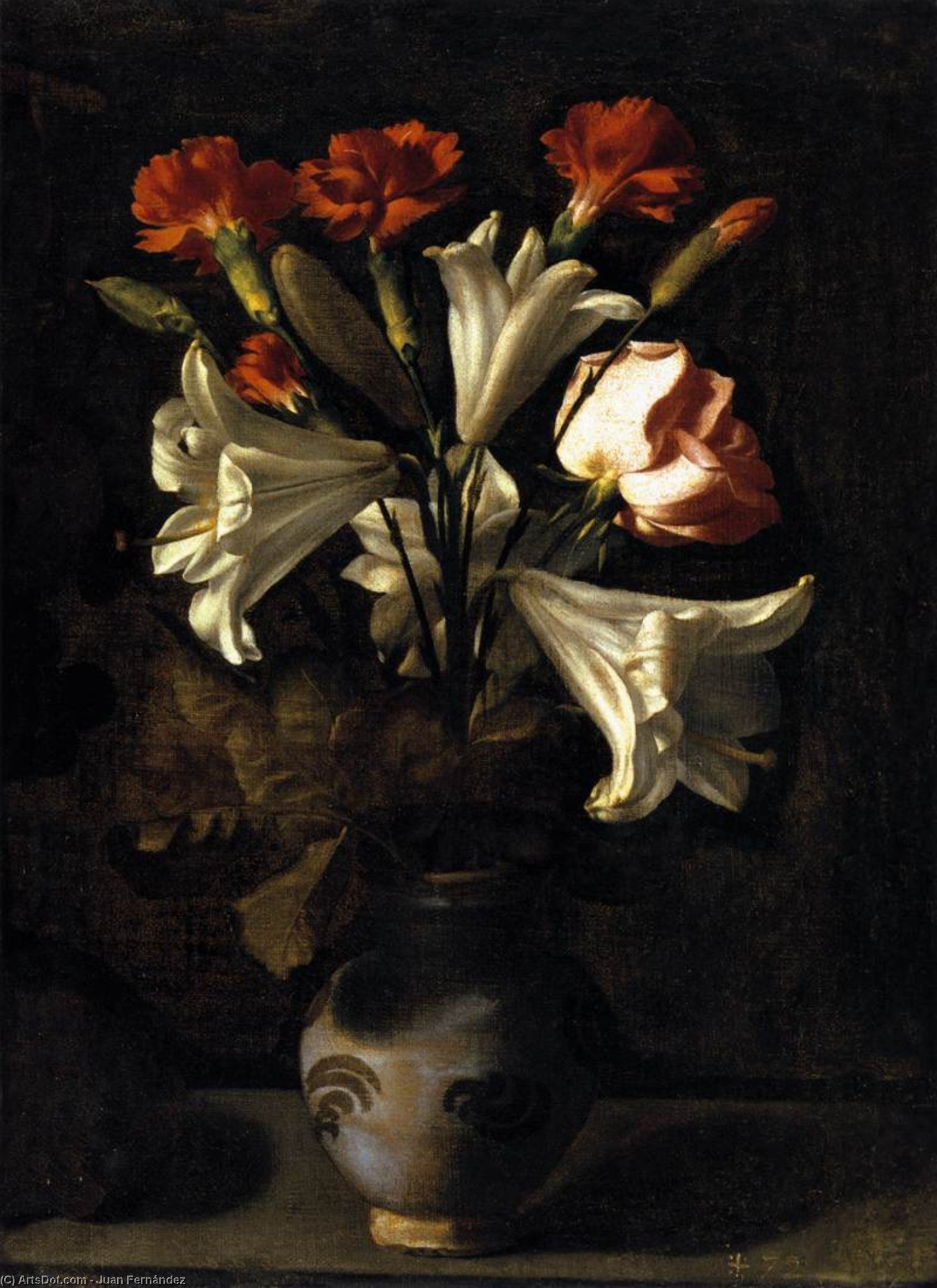
Vase of Flowers
 Oil On Canvas
- WallArt
- Baroque
 1635
1635- Early Modern
 44.0 x 34.0 cm
 プラド美術館
 詳細を見る
詳細を見る
オンラインプレビューをはるかに凌ぐ、高解像度で鮮明なデジタル画像をご購入いただけます。
各ファイルは、社内の専門家が高度なツールと熟練した手作業によるレタッチを用いて、細心の注意を払って準備されています。すべての画像において、卓越した鮮明度、正確な色彩再現性、そして繊細なディテールを保証いたします。
最終ファイルは、プロフェッショナルな編集・印刷環境ですぐにご利用いただけるよう最適化された状態で、72時間以内にメールにてお届けいたします。これは、一流のデザインスタジオ、出版社、ギャラリーから信頼されているものと同等の品質です。
デジタル画像のご注文に付随する特典
高品質なデジタル画像配信を、確かな品質で。
ArtsDot.com を選ぶことは、単に画像を手に入れることではありません。それは、プロの手によって精密に仕上げられ、満足保証が付いた高品質なデジタルアートワークを受け取ることを意味します。ご注文いただいた際に自動的に付随する内容は、以下の通りです:

メールですぐにお届け
ご注文から72時間以内に、高解像度のデジタル画像ファイルがメールでお手元に届きます。すぐにそのままご利用いただけます。

AI技術で最適化されたデジタルファイル
お客様の作品は、高度なAIツールと専門家による手作業の編集を組み合わせてプロフェッショナルに最適化されており、細部のディテール、鮮明さ、そして正確な色再現性を最大限に引き出しています。

一生涯無料の再送サービス
ファイルを誤って削除したり、紛失してしまったりしましたか?ご安心ください。いつでも無料で再送いたします。

輸入手数料は一切かかりません
関税や手数料、配送料を気にすることなく、お気に入りのアートワークをすぐにお楽しみいただけます。デジタルダウンロードは常に免税です。

色彩再現の保証
プロ仕様のツールとカラーマネジメント技術を用いることで、デジタル画像が元の色を最大限に忠実に再現することを保証いたします。

60日間満足保証
ご購入いただいたデジタル画像にご満足いただけない場合は、60日以内であれば、修正または100%の返金(理由を問う必要はありません)をさせていただきます。

100% 返金保証
ご満足いただけない場合は、デジタルファイルを受け取ってから60日以内であれば、理由を問わず全額返金いたします。

まとめ買い割引
3枚購入で10%OFF - 5枚購入で15%OFF - 10枚以上購入で20%OFF。クリエイティブなプロジェクト、ギャラリー、エージェンシーに最適です。
作品の詳細
A Silent Master's Bloom: Exploring Juan Fernández Navarrete’s Vase of Flowers
Juan Fernández Navarrete (1526–1579), affectionately known as “El Mudo” – meaning “The Silent” – stands as a remarkable enigma within the annals of Spanish Mannerist painting. Despite his reticent nature, documented primarily through his unwavering devotion to Philip II and the patronage afforded by El Escorial’s opulent palace complex, Navarrete achieved unparalleled renown for his masterful depictions of religious subjects, cementing his legacy as one of the era's most influential artists. This exquisite “Vase of Flowers,” executed around 1635, exemplifies his signature style—a breathtaking fusion of Italian Renaissance idealism and meticulous observation of natural detail—offering a glimpse into the artistic sensibilities of Spain’s Golden Age.The Essence of Mannerism: Bold Forms and Dramatic Light
Navarrete's oeuvre is characterized by Mannerist tendencies that diverge sharply from the serene harmonies championed by Raphael and Michelangelo. Rather than striving for idealized beauty, he embraced expressive distortion—a deliberate departure from classical proportions—to convey emotion and psychological depth. This vase exemplifies this approach brilliantly; the flowers themselves are rendered with exaggerated curves and contours, creating a dynamic visual rhythm that draws the eye across the canvas. Simultaneously, Navarrete employs dramatic chiaroscuro – intense contrasts between light and shadow – to sculpt the forms of the vase and blossoms, imbuing them with palpable volume and conveying a sense of ethereal luminescence. This technique wasn’t merely decorative; it served as a cornerstone of Mannerist aesthetics, reflecting a preoccupation with capturing fleeting moments of beauty and conveying profound spiritual contemplation.A Symphony of Color: Warm Tones and Subtle Depth
The palette employed in “Vase of Flowers” is remarkably restrained yet profoundly evocative. Navarrete favors warm hues—primarily reds, yellows, and browns—that dominate the composition, creating a comforting visual atmosphere reminiscent of candlelight. However, he avoids flat coloration, layering pigments with painstaking precision to achieve subtle gradations of tone and texture. This meticulous attention to detail extends beyond mere surface appearance; it’s evident in the delicate rendering of petal surfaces and the velvety sheen imparted by varnish—a technique common during Navarrete's time that enhances the vibrancy of color and contributes to the overall illusionistic depth of the painting. The artist skillfully utilizes glazing – applying thin layers of translucent pigment over underlying colors – to build up luminosity and create a captivating interplay between light and shadow, mirroring the natural world with remarkable accuracy.El Escorial’s Legacy: Symbolism Rooted in Faith
“Vase of Flowers” resides within El Escorial, Philip II's monumental palace complex commissioned as a testament to royal piety and commemorating the victory at Toro. The vase itself is laden with symbolic significance—flowers traditionally associated with purity, resurrection, and divine grace—reflecting the prevailing religious fervor of the period. Navarrete’s deliberate placement of the flowers within the vase underscores the importance of contemplation and reverence for God's creation. Furthermore, the ornate design of the vase – featuring a stylized face – aligns with Mannerist artistic conventions that sought to infuse inanimate objects with human emotion and spiritual resonance. This stylistic choice reinforces the painting’s overarching message: an invitation to appreciate the beauty of God’s handiwork and to embrace faith as a path toward enlightenment.A Timeless Impression: Capturing Fleeting Beauty
Ultimately, Navarrete's “Vase of Flowers” transcends mere representation; it aspires to capture the essence of beauty itself—a fleeting moment frozen in time—much like the blossoms depicted within its frame. The artist’s masterful command of technique—combined with his profound understanding of Mannerist principles—results in a painting that continues to captivate viewers centuries later. It stands as an enduring emblem of Spanish artistic excellence and serves as a poignant reminder of the transformative power of art to inspire contemplation and elevate the human spirit. Its quiet grandeur, bathed in warm light and imbued with symbolic depth, embodies the silent mastery of Juan Fernández Navarrete—a true testament to the enduring legacy of Mannerist painting.関連作品



作家の略歴
The Silent Master of the Spanish Golden Age
In the grand, echoing halls of Spain’s architectural marvels, the name Juan Fernández Navarrete resonates with a quiet but profound power. Known to history by the evocative moniker “El Mudo”—The Mute—Navarrete lived a life defined by a unique sensory experience. An illness in his infancy had robbed him of his hearing, a condition that rendered him unable to speak but gifted him with an extraordinary visual vocabulary. Where words failed, his charcoal sketches and vibrant pigments spoke, allowing him to communicate the divine through the language of light and form. Born around 1526, likely in Logroño, his journey from a silent child expressing needs through sketches to a celebrated court painter is one of the most compelling narratives of the Spanish Renaissance.
Navarrete’s artistic evolution was deeply intertwined with the movement of ideas across Europe. While his roots were firmly planted in the Spanish tradition, his spirit wandered through the great art centers of Italy. His early training under Cristóbal Muñoz Sánchez provided a sturdy classical foundation, yet it was his exposure to the masters of the Italian Renaissance that truly ignited his genius. As he traversed Naples, Rome, Florence, and Milan, he absorbed the sophisticated elegance of Mannerism. This stylistic choice—characterized by elongated figures, dramatic tension, and an intentional departure from strict naturalism—became the hallmark of his mature work. He did not merely copy the Italians; he translated their grace into a Spanish idiom that felt both spiritually urgent and aesthetically sublime.
A Devotion to El Escorial and the Divine
The zenith of Navarrete’s career was inextricably linked to the ambitions of Philip II. As a favored court artist, Navarrete dedicated eleven pivotal years to the decoration of El Escorial, the monumental palace-monastery that served as the spiritual heart of the Spanish Empire. Within this austere and magnificent complex, he breathed life into religious narratives, transforming cold stone walls into windows to the heavens. His work for the King was not merely decorative; it was an act of profound devotion. He utilized the expressive potential of Mannerism to create altarpieances and frescoes that commanded awe, employing a palette that could shift from the radiant, celestial glow seen in his Nativity to the somber, introspective shadows of his more penitential subjects.
His technical mastery allowed him to weave complex theological themes into visually arresting compositions. One can observe the lingering influence of Correggio in the soft, luminous light that seems to emanate from within his figures, and the structural elegance of Parmigianino in his stylized silhouettes. His ability to manipulate light—a technique known as chiaroscuro—served to heighten the emotional stakes of his religious scenes, making the miraculous feel tangibly present. Whether depicting the baptismal waters of Christ or the celestial visitation of angels to Abraham, Navarrete’s brush captured the tension between the earthly and the divine.
Legacy of a Silent Visionary
Though his life was cut short in 1579 at the age of approximately fifty-three, the impact of Juan Fernández Navarrete remains etched in the history of European art. He served as a vital conduit, helping to spread the sophisticated influences of the Italian Renaissance throughout the Iberian Peninsula, effectively shaping the trajectory of the Spanish Golden Age. His works, now preserved in prestigious institutions such as the Prado Museum and the National Gallery of Ireland, continue to captivate viewers with their rhythmic compositions and emotional depth.
The significance of Navarrete lies in his ability to transcend his physical silence to create a visual symphony. His legacy is found in:
- The Integration of Styles: Successfully blending Spanish piety with the sophisticated elegance of Italian Mannerism.
- Royal Patronage: Defining the aesthetic identity of Philip II’s most important architectural project, El Escorial.
- Spiritual Expression: Using dramatic lighting and stylized forms to communicate complex religious truths to a wide audience.
In the annals of art history, El Mudo stands as a testament to the power of perception. He proved that even without a voice, an artist can command the attention of kings and the devotion of the faithful, leaving behind a visual legacy that speaks across the centuries.
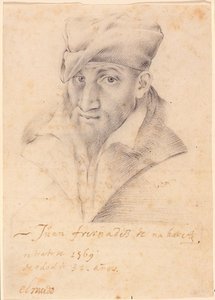
juan fernández de navarrete
1526 - 1579
プロフィール概要
- Artistic Movement Or Style: Mannerism
- Artists Or Movements Influenced By This Artist: ['Italian Renaissance']
- Artists Who Influenced This Artist:
- Correggio
- Titian
- Date Of Birth: 1526
- Date Of Death: 1579
- Full Name: Juan Fernández Navarrete
- Nationality: Spanish
- Notable Artworks:
- Nativity
- Baptism of Christ
- Abraham Receiving the Three Angels
- Place Of Birth: Spain

