

 プレビュー
プレビュー
 プリントを購入
 シェアする
シェアする シェアする
シェアする
 詳細を見る
詳細を見る

 ダウンロード
 似ている作品
 X線調査
X線調査 スライドショー
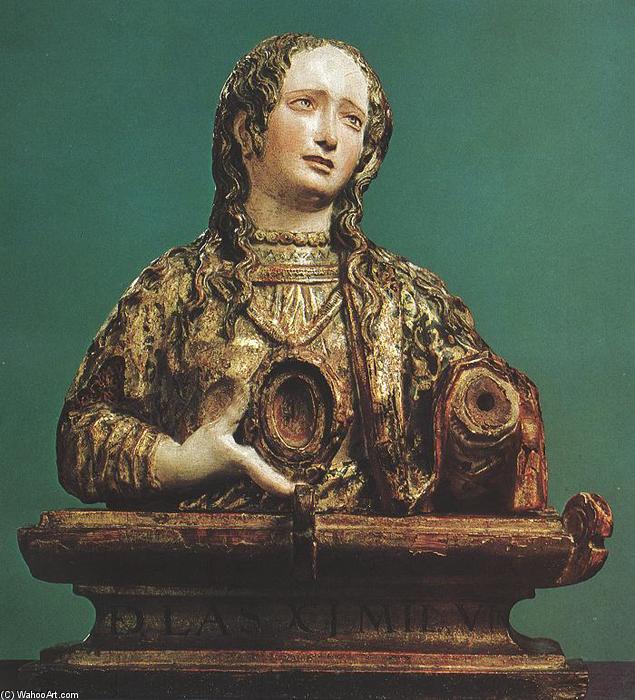
モンタネス作 イエス・キリストの聖母像


 詳細を見る
詳細を見る
オンラインプレビューをはるかに凌ぐ、高解像度で鮮明なデジタル画像をご購入いただけます。
各ファイルは、社内の専門家が高度なツールと熟練した手作業によるレタッチを用いて、細心の注意を払って準備されています。すべての画像において、卓越した鮮明度、正確な色彩再現性、そして繊細なディテールを保証いたします。
最終ファイルは、プロフェッショナルな編集・印刷環境ですぐにご利用いただけるよう最適化された状態で、72時間以内にメールにてお届けいたします。これは、一流のデザインスタジオ、出版社、ギャラリーから信頼されているものと同等の品質です。
デジタル画像のご注文に付随する特典
高品質なデジタル画像配信を、確かな品質で。
ArtsDot.com を選ぶことは、単に画像を手に入れることではありません。それは、プロの手によって精密に仕上げられ、満足保証が付いた高品質なデジタルアートワークを受け取ることを意味します。ご注文いただいた際に自動的に付随する内容は、以下の通りです:

メールですぐにお届け
ご注文から72時間以内に、高解像度のデジタル画像ファイルがメールでお手元に届きます。すぐにそのままご利用いただけます。

AI技術で最適化されたデジタルファイル
お客様の作品は、高度なAIツールと専門家による手作業の編集を組み合わせてプロフェッショナルに最適化されており、細部のディテール、鮮明さ、そして正確な色再現性を最大限に引き出しています。

一生涯無料の再送サービス
ファイルを誤って削除したり、紛失してしまったりしましたか?ご安心ください。いつでも無料で再送いたします。

輸入手数料は一切かかりません
関税や手数料、配送料を気にすることなく、お気に入りのアートワークをすぐにお楽しみいただけます。デジタルダウンロードは常に免税です。

色彩再現の保証
プロ仕様のツールとカラーマネジメント技術を用いることで、デジタル画像が元の色を最大限に忠実に再現することを保証いたします。

60日間満足保証
ご購入いただいたデジタル画像にご満足いただけない場合は、60日以内であれば、修正または100%の返金(理由を問う必要はありません)をさせていただきます。

100% 返金保証
ご満足いただけない場合は、デジタルファイルを受け取ってから60日以内であれば、理由を問わず全額返金いたします。

まとめ買い割引
3枚購入で10%OFF - 5枚購入で15%OFF - 10枚以上購入で20%OFF。クリエイティブなプロジェクト、ギャラリー、エージェンシーに最適です。
Juan Martínez Montañés:木彫りの神話と光の技法
スペイン・バロック美術における最も偉大な彫刻家の一人、フアン・マルティネス・モタネスは、「木の神」という異名を持つ。彼は特に木彫りとポリクローム技術を極めし、単なる職人の技芸を超え、芸術そのものとした。この卓越した技術は、彼の作品に独特の美しさと深みを与え、バロック美術の頂点として後世に大きな影響を与えた。モタネスの彫刻は、宗教的なイメージをリアルに表現することに重点を置きながらも、バロック時代の新しい芸術的潮流を体現していたのである。- 生誕と初期の育成: モタネスは1568年にジェネバで生まれ、パブロ・デ・ロサスのもとで美術教育を受けた。彼は主にマニエリスムの影響を受けながらも、バロック時代の新しい芸術的原則を吸収し、その後の芸術家たちに大きな影響を与えた。特にセビリアでの活動は、バロック美術の黄金時代を象徴するものであった。
- モタネスの彫刻技法: モタネスの最も特徴的な技術は「インカルナシオン」と呼ばれる彫刻技法である。この技法では、彫刻家は木材に粘土を塗り重ねて形作り、その後色を塗布し、金箔で仕上げることで、彫像に驚くべきリアリズムと光沢を与えることができる。この技法は、モタネスの作品に独特の質感と輝きを与え、バロック美術における最高の表現方法として高く評価されている。
- 代表作: モタネスの傑作は数多く存在するが、「聖クロニクスの彫像」や「イエス・キリストの彫像」など、特にセビリアで制作された作品は、当時のバロック美術における最高の芸術的価値を持つものとして知られている。これらの彫像は、モタネスの卓越した技術と芸術的なセンスを証明しており、バロック美術史に燦然と輝く名作である。
- バロック美術への影響: モタネスの彫刻技法は、バロック美術全体に大きな影響を与えた。彼は他の彫刻家たちにインカルナシオン技法を広めるよう促し、多くの優れた作品を生み出すきっかけとなった。モタネスの芸術は、バロック美術におけるリアリズムと表現力を追求する姿勢を確立し、その後の芸術家に大きな刺激を与えたのである。
- その他: モタネスはまた、ペドロ・デ・グズマンやイгнаシウス・ラヨラなどの聖職者の彫像も制作しており、これらの作品は当時のバロック美術における宗教的なイメージを表現する上で重要な役割を果たした。彼の息子アルonzo・マルティネスも優れた彫刻家となり、モタネスの芸術的遺産はスペイン美術史に永く語り継がれることとなった。
関連作品

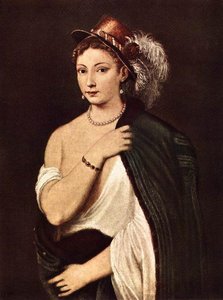
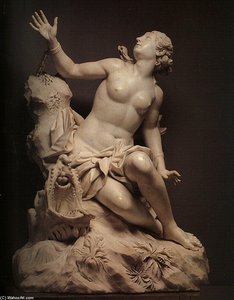

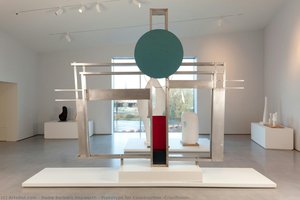


作家の略歴
Juan Martínez Montañés: The God of Wood
Juan Martínez Montañés (1568-1649) stands as a monumental figure in Spanish Baroque sculpture, earning the moniker “El Dios de la Madera” (“The God of Wood”) due to his unparalleled mastery of wood carving and polychromy—techniques that elevated it beyond mere craftsmanship into an art form itself. Born in Alcalá la Real, Jaén, Montañés’s formative years coincided with a period of artistic ferment in Seville, where he honed his skills under Pablo de Roxas before establishing a prolific workshop that would shape the visual landscape of Spain for decades to come. His legacy extends far beyond individual masterpieces; he fundamentally redefined Baroque aesthetics and profoundly influenced subsequent generations of sculptors.- Early Life & Training: Montañés’s artistic journey began in Granada, where he studied under Pablo de Roxas, absorbing the stylistic nuances of Mannerism while simultaneously embracing emerging Baroque principles. This dual influence would become a cornerstone of his distinctive artistic vision.
- Seville Workshop & Artistic Output: Montañés established a workshop in Seville around 1587, attracting talented assistants and producing an astonishing volume of sculptural works—estimated to be over 300 pieces—spanning altarpieces, funerary monuments, portraits, and decorative sculptures.
- Technique & Innovation: Montañés revolutionized wood sculpture through his innovative “encarnación” technique – a method of applying gesso (a plaster mixture) to wooden panels followed by meticulous polishing and gilding—creating surfaces that shimmered with gold leaf and achieved an astonishing level of realism.
Masterpieces & Notable Commissions
Montañés’s artistic reputation soared during his lifetime, fueled by commissions from prominent patrons and ecclesiastical institutions across Spain. His crowning achievement remains the Great Altar of St Jerome at San Isidoro del Campo near Seville (completed in 1613), a monumental testament to Baroque grandeur and considered one of the finest examples of polychromed wood sculpture ever created. This altar exemplifies Montañés’s meticulous attention to detail, dramatic lighting effects, and masterful use of color—characteristics that define his artistic style. Other significant commissions included altars at Santa Clara and San Miguel in Seville, as well as the Immaculate Conception and Christ Crucified for Seville Cathedral (1603), cementing his position as Seville's foremost sculptor. Notably, he undertook a portrait commission from Diego Velázquez, whose tutor had mentored him, resulting in an iconic depiction of Philip IV—a painting that captures not only royal likeness but also Montañés’s artistic sensibility and intellectual engagement.- The Great Altar of St Jerome: This masterpiece showcases Montañés's unparalleled skill in wood carving and polychromy, demonstrating his ability to convey emotion and spiritual depth through sculptural form.
- Cristo de la Clemencia: Commissioned in 1603, this sculpture exemplifies Montañés’s commitment to realism and dramatic composition—a hallmark of Baroque art.
- Philip IV Portrait by Velázquez: This portrait reflects Montañés's influence on Velázquez's artistic style and underscores the symbiotic relationship between two leading figures in Spanish Baroque culture.
Influence & Legacy
Juan Martínez Montañés’s impact extended beyond his own lifetime, shaping the artistic landscape of Spain and Latin America for centuries to come. His workshop produced a cadre of talented students who carried forward his stylistic innovations—particularly in wood carving and polychromy—establishing Seville as a center for Baroque sculpture. Furthermore, Montañés's meticulous realism and refined taste served as an inspiration for artists across Europe, influencing the development of sculptural techniques and aesthetic ideals. His enduring legacy resides not only in his monumental works but also in his contribution to the intellectual and artistic discourse of his era—a testament to his profound understanding of art history and his unwavering dedication to excellence.- Student Influence: Montañés’s workshop fostered a vibrant artistic community, nurturing the talents of Juan de Mesa y Velasco and Alonzo Martínez, who continued Montañés's stylistic traditions.
- European Impact: Montañés’s techniques and aesthetic sensibilities resonated throughout Europe, contributing to the broader evolution of Baroque sculpture across the continent.
Concluding Remarks
Juan Martínez Montañés remains an undisputed titan of Spanish Baroque art—a sculptor whose mastery of wood carving and polychromy elevated it to unparalleled heights of artistic achievement. His unwavering commitment to realism, combined with his impeccable taste and profound understanding of visual culture, secured his place as “El Dios de la Madera,” a title that encapsulates the essence of his extraordinary legacy and continues to inspire admiration for generations of art historians and enthusiasts alike.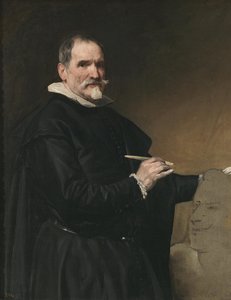
juan martínez montañés
1568 - 1649 , Spain
プロフィール概要
- Artistic Movement Or Style: Baroque art
- Artists Or Movements Influenced By This Artist: ['Diego Velázquez']
- Artists Who Influenced This Artist: ['Pablo de Roxas']
- Date Of Birth: March 16, 1568
- Date Of Death: June 18, 1649
- Full Name: Juan Martínez Montañés
- Nationality: Spanish
- Notable Artworks:
- The Great Altar of St Jerome at San Isidoro del Campo
- Cristo de la Clemencia
- Portrait of the Sculptor
- Place Of Birth: Alcalá la Real, Spain

