

 プレビュー
プレビュー
 プリントを購入
 シェアする
シェアする シェアする
シェアする
 詳細を見る
詳細を見る

 ダウンロード
 似ている作品
 X線調査
X線調査 スライドショー
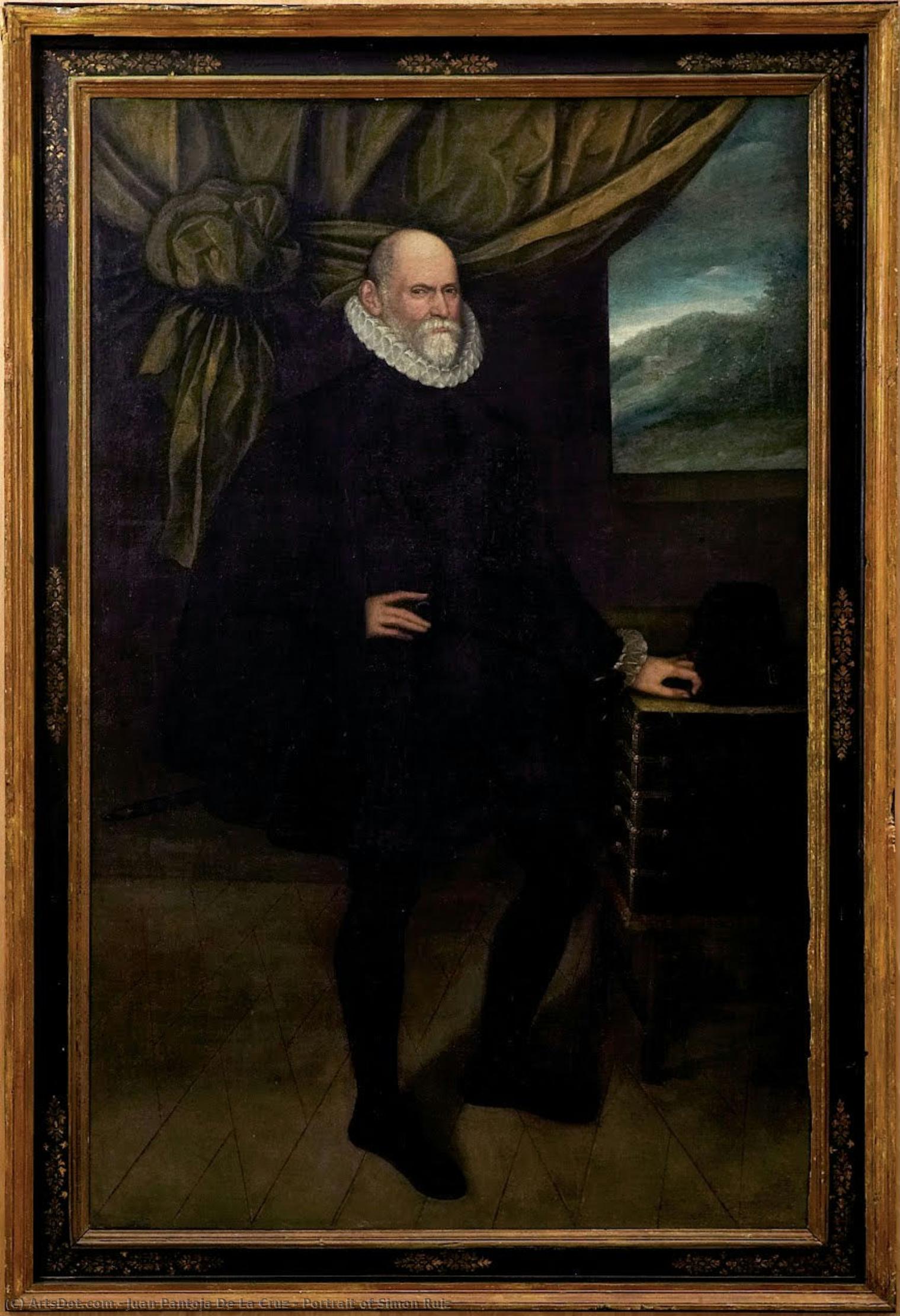
Portrait of Simon Ruiz
 207.0 x 128.0 cm
 Museum of the Fairs Foundation - Simón Ruiz Archive
 詳細を見る
詳細を見る
オンラインプレビューをはるかに凌ぐ、高解像度で鮮明なデジタル画像をご購入いただけます。
各ファイルは、社内の専門家が高度なツールと熟練した手作業によるレタッチを用いて、細心の注意を払って準備されています。すべての画像において、卓越した鮮明度、正確な色彩再現性、そして繊細なディテールを保証いたします。
最終ファイルは、プロフェッショナルな編集・印刷環境ですぐにご利用いただけるよう最適化された状態で、72時間以内にメールにてお届けいたします。これは、一流のデザインスタジオ、出版社、ギャラリーから信頼されているものと同等の品質です。
デジタル画像のご注文に付随する特典
高品質なデジタル画像配信を、確かな品質で。
ArtsDot.com を選ぶことは、単に画像を手に入れることではありません。それは、プロの手によって精密に仕上げられ、満足保証が付いた高品質なデジタルアートワークを受け取ることを意味します。ご注文いただいた際に自動的に付随する内容は、以下の通りです:

メールですぐにお届け
ご注文から72時間以内に、高解像度のデジタル画像ファイルがメールでお手元に届きます。すぐにそのままご利用いただけます。

AI技術で最適化されたデジタルファイル
お客様の作品は、高度なAIツールと専門家による手作業の編集を組み合わせてプロフェッショナルに最適化されており、細部のディテール、鮮明さ、そして正確な色再現性を最大限に引き出しています。

一生涯無料の再送サービス
ファイルを誤って削除したり、紛失してしまったりしましたか?ご安心ください。いつでも無料で再送いたします。

輸入手数料は一切かかりません
関税や手数料、配送料を気にすることなく、お気に入りのアートワークをすぐにお楽しみいただけます。デジタルダウンロードは常に免税です。

色彩再現の保証
プロ仕様のツールとカラーマネジメント技術を用いることで、デジタル画像が元の色を最大限に忠実に再現することを保証いたします。

60日間満足保証
ご購入いただいたデジタル画像にご満足いただけない場合は、60日以内であれば、修正または100%の返金(理由を問う必要はありません)をさせていただきます。

100% 返金保証
ご満足いただけない場合は、デジタルファイルを受け取ってから60日以内であれば、理由を問わず全額返金いたします。

まとめ買い割引
3枚購入で10%OFF - 5枚購入で15%OFF - 10枚以上購入で20%OFF。クリエイティブなプロジェクト、ギャラリー、エージェンシーに最適です。
作品の詳細
関連作品





作家の略歴
A Master of Spanish Majesty: The Life and Art of Juan Pantoja de la Cruz
Juan Pantoja de la Cruz, born in Valladolid in 1553, stands as a pivotal figure in the evolution of Spanish portraiture during the Golden Age. Though often overshadowed by later masters like Velázquez, Pantoja’s contribution to establishing a distinctly Spanish visual language for royal power and aristocratic presence is undeniable. His career unfolded primarily within the courts of Philip II and Philip III, demanding an artistic approach that balanced regal formality with subtle psychological insight. Little is known about his early training beyond his apprenticeship under Alonso Sánchez Coello, the court painter to Philip II, a formative experience that instilled in him the meticulous detail and dignified composure characteristic of Spanish royal portraiture. He likely assisted Coello in fulfilling the constant demand for images of the king, absorbing the techniques and conventions of representing power through paint. Upon Coello’s death in 1588, Pantoja seamlessly assumed his master's workshop and position, becoming a central figure in shaping the visual identity of the Spanish monarchy.The Court Painter: Duty, Detail, and Defining a Dynasty
Pantoja de la Cruz’s artistic life was inextricably linked to the demands of the court. He wasn’t merely recording likenesses; he was crafting symbols of authority and lineage. His portraits weren't intended as intimate glimpses into personality but rather as carefully constructed representations of status, power, and divine right. The portrait of Philip II in black, painted around 1594 for the Escorial, exemplifies this approach. It’s a masterful study in somber dignity, where the king is presented not as an individual but as an almost remote embodiment of Spanish majesty. The stark contrast between the dark attire and pale complexion, combined with the rigid pose, conveys a sense of unassailable authority. This wasn't simply about capturing physical resemblance; it was about constructing an image that reinforced the ideological foundations of the monarchy. Pantoja’s workshop became a prolific engine for producing these state portraits, often relying on assistants to manage the sheer volume of commissions. He painted Prince Philip (the future Philip III) multiple times, carefully documenting his transition from heir apparent to king. Beyond royalty, he also portrayed members of the high aristocracy, solidifying his reputation as the premier portraitist of his time.Beyond Portraits: Religious Works and Artistic Versatility
While celebrated for his portraits, Pantoja de la Cruz was a versatile artist who engaged with various genres. Commissioned by Queen Margaret of Austria, wife of Philip III, he produced numerous religious works. These paintings often incorporated portraits of members of the royal family as secondary figures, subtly reinforcing their piety and connection to divine grace. The Birth of the Virgin, painted in 1603, is a prime example, featuring the Queen’s mother amongst the attending figures. This practice wasn't merely decorative; it served to integrate the monarchy into religious narratives, bolstering its legitimacy. Though few survive today, Pantoja also experimented with still lifes and frescoes, demonstrating his willingness to explore emerging artistic trends. Contemporary accounts suggest he was highly regarded as an animal painter, a skill that added another layer of realism and detail to his compositions. His range extended beyond the confines of courtly commissions, revealing a genuine curiosity and adaptability as an artist.Legacy and Historical Significance
For centuries, Pantoja de la Cruz’s work was often dismissed by art historians prejudiced against non-Italian artistic traditions. He was labeled “uninspired” and “dull,” despite his undeniable technical skill and productivity. However, modern scholarship has begun to reassess his contribution, recognizing him as a crucial link in the development of Spanish portraiture. His compositional formulas, particularly his use of stark lighting and formal posing, directly influenced later masters like Diego Velázquez. While Velázquez ultimately surpassed Pantoja in psychological depth and painterly innovation, he built upon the foundations laid by his predecessor. Pantoja’s meticulous attention to detail, his ability to convey status through visual cues, and his mastery of geometric abstraction all contributed to a distinctly Spanish aesthetic that resonated throughout the 17th century. He represents one of the highest points in Mannerism within the context of portrait painting, skillfully blending Italianate influences with uniquely Spanish sensibilities. His work remains a testament to the power of art to shape perceptions of authority and define an era.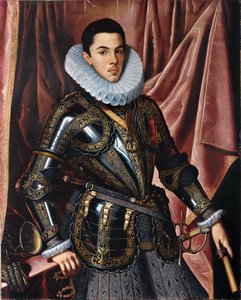
Juan Pantoja de la Cruz
1553 - 1608 , Spain
プロフィール概要
- Artistic Movement Or Style: Mannerism
- Artists Or Movements Influenced By This Artist: ['Diego Velázquez']
- Artists Who Influenced This Artist:
- Alonso Sánchez Coello
- Antonis Mor
- Titian
- Date Of Birth: 1553
- Date Of Death: 1608
- Full Name: Juan Pantoja de la Cruz
- Nationality: Spanish
- Notable Artworks:
- Philip II portrait
- Philip III portrait
- Birth of the Virgin
- Place Of Birth: Valladolid, Spain

