

 プレビュー
プレビュー
 シェアする
シェアする シェアする
シェアする
 詳細を見る
詳細を見る

 ダウンロード
 似ている作品
 X線調査
X線調査 スライドショー
 統計情報
統計情報Sem título

 詳細を見る
詳細を見る
手描き油彩複製画
当社のアーティストが、お客様のご希望のサイズと額縁に合わせて、キャンバスに手描きで制作する油彩画です。 ( プリント版に切り替え デジタル画像販売へ切り替え)




































作品のオリジナル比率に合わせた、当店の規定サイズからお選びください。

特定のフレームやスペースに合わせて、ご希望のサイズをご入力いただけます。選択されたサイズが元の画像の比率と異なる場合、アートワークをトリミングするか、手描きで要素を追加して絵画を拡張いたします。デジタルモックアップ を制作し、制作開始前にご確認(承認)をいただきます。
画面上のプレビューは、実際のトリミングや拡張を正確に反映しているものではありません。最終的な構図は、モックアップによってのみ正確にご確認いただけます。
カスタムサイズもご利用いただけますが、元の比率を維持するためには、あらかじめ用意されたリストからサイズを選択することをお勧めいたします。
ご注文後、ArtsDot.com チームより詳細な指示をお送りするとともに、仕上がりイメージ(モックアップ)をご提供いたします。


 ガラスオプションは、110cm未満のサイズでのみご利用いただけます。

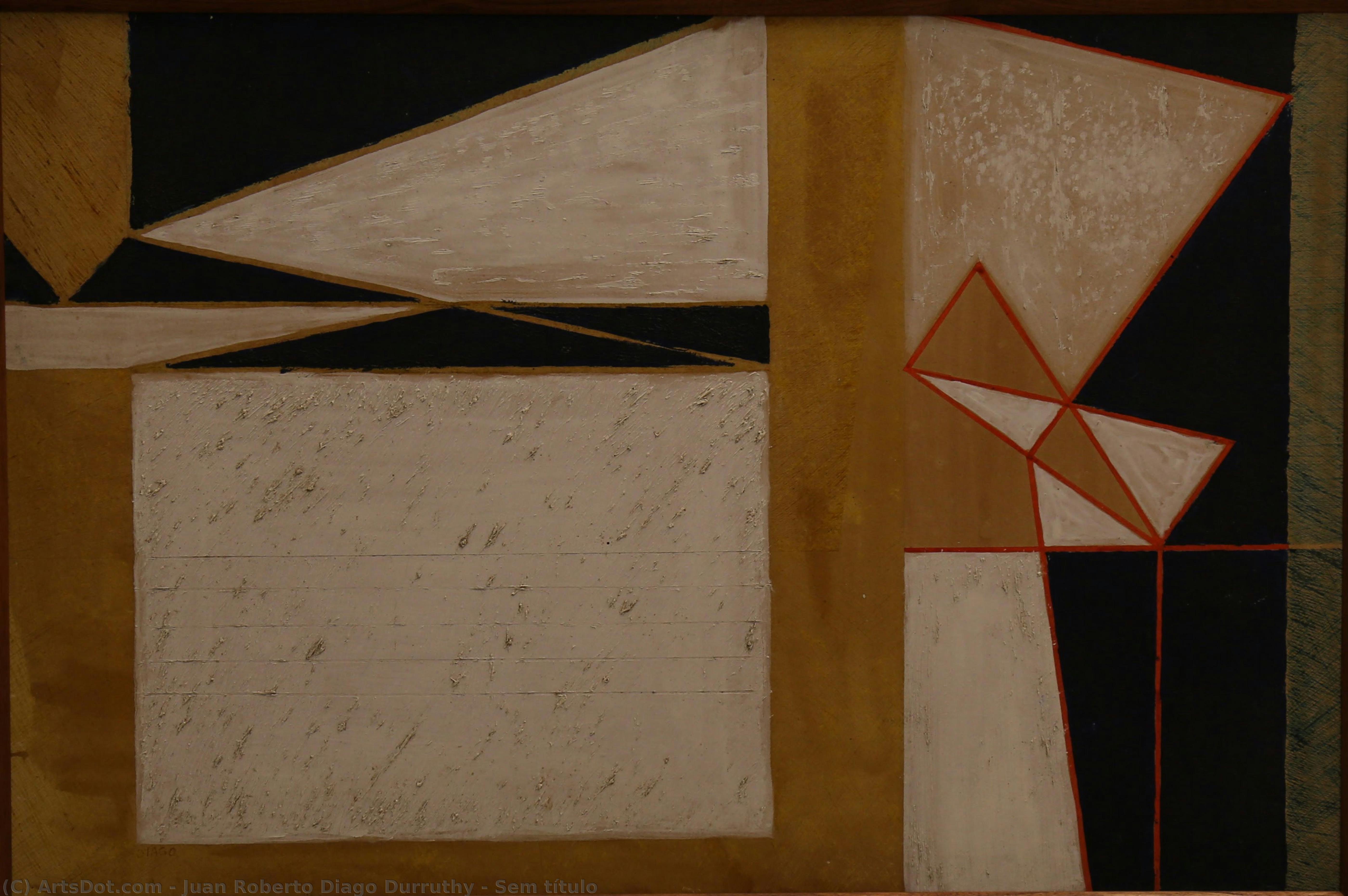
Sem título
複製技法
複製画のサイズ
-


合計金額
$ 263
関連作品










アーティストの略歴
A Legacy Rooted in Tradition: The World of Juan Roberto Diago Durruthy
Juan Roberto Diago Durruthy, known simply as Diago, emerges from the vibrant cultural landscape of Havana, Cuba, a contemporary artist whose work resonates with centuries of Afro-Cuban history and spirituality. Born in 1971, his artistic journey isn’t merely a personal expression but a profound dialogue with his ancestors, a reclamation of narratives often marginalized or silenced. Diago doesn't simply depict Afro-Cuban identity; he embodies it, channeling the energy of *Santería*, the resilience forged through slavery, and the enduring power of cultural memory into compelling visual forms. His art is a testament to the complexities of Cuban heritage—a blend of African roots, Spanish colonial influences, and the revolutionary spirit that defines the island nation.Early Influences & Artistic Development
Growing up in Havana, Diago was immersed in a world rich with artistic expression, yet acutely aware of the socio-political realities shaping his community. The streets themselves were a canvas, adorned with murals and imbued with the rhythms of *rumba* and the whispers of ancient beliefs. While formally trained, Diago’s most significant education came from observing the everyday lives of Afro-Cubans—their rituals, their struggles, and their unwavering faith. This early exposure instilled in him a deep respect for traditional materials and techniques. He began experimenting with painting at a young age, but it was his exploration of sculpture, particularly utilizing found objects, that truly unlocked his artistic voice. These weren’t merely discarded items; they were fragments of history, imbued with the energy of past lives, waiting to be recontextualized and given new meaning. The influence of Cuban modernist artists like Wifredo Lam is subtly present in Diago's work—a shared interest in exploring Afro-Cuban symbolism and a rejection of purely Western artistic conventions. However, Diago’s approach is distinctly his own, grounded in a more visceral connection to the spiritual realm and a commitment to representing the lived experiences of his community.Themes & Symbolism: Unveiling Layers of Meaning
Diago's art delves into multifaceted themes of identity, history, diaspora, and spirituality. His paintings often feature powerful figures—Orishas (deities in *Santería*), ancestors, and everyday people—rendered with a striking blend of realism and abstraction. The use of color is deliberate and symbolic; deep blues evoke the ocean, representing both the passage of enslaved Africans and the spiritual depths of the Yoruba religion. Reds symbolize strength, passion, and sacrifice. Found objects are integral to his sculptures—pieces of wood, metal, fabric, and other materials transformed into evocative representations of cultural icons and historical events. These aren’t simply aesthetic choices; they are acts of reclamation, breathing new life into forgotten fragments and challenging conventional notions of value. The *mpungo* (sacred vessels used in Santería) frequently appear in his work, serving as potent symbols of faith and ancestral connection. His art is a visual language, inviting viewers to decipher the layers of meaning embedded within each piece—a testament to the enduring power of Afro-Cuban cosmology.Major Achievements & International Recognition
Diago’s work has garnered increasing international recognition, with exhibitions in galleries and museums across Europe, North America, and Latin America. He's been featured in numerous art publications and is represented in both private and public collections worldwide. While accolades are important, Diago remains deeply committed to his community, using his art as a platform for social commentary and cultural preservation. His participation in collaborative projects with other Afro-Cuban artists has further solidified his role as a leading voice within the contemporary Cuban art scene. He doesn’t seek simply to create beautiful objects; he aims to spark dialogue, challenge perceptions, and foster a deeper understanding of Afro-Cuban culture.- Exhibitions in Havana's most prestigious galleries.
- Featured artist at the Biennial of Havana on multiple occasions.
- Solo exhibitions in New York, Paris and Madrid.
- Work included in prominent museum collections internationally.
Historical Significance & Enduring Impact
Juan Roberto Diago Durruthy’s contribution to contemporary art extends beyond the aesthetic realm. He represents a crucial shift in how Afro-Cuban identity is portrayed—moving away from stereotypical representations towards nuanced and authentic expressions of cultural heritage. His work challenges the historical erasure of African influences within Cuban society, reclaiming narratives that were once marginalized or silenced. Diago’s art serves as a powerful reminder of the resilience forged through slavery, the enduring power of faith, and the importance of preserving cultural memory. He is not merely an artist; he is a storyteller, a historian, and a spiritual guide—a vital voice in the ongoing dialogue about identity, history, and the complexities of the Cuban experience. His legacy will undoubtedly inspire future generations of artists to explore their own roots and challenge conventional notions of artistic expression.
juan roberto diago durruthy
1971 - , Cuba