

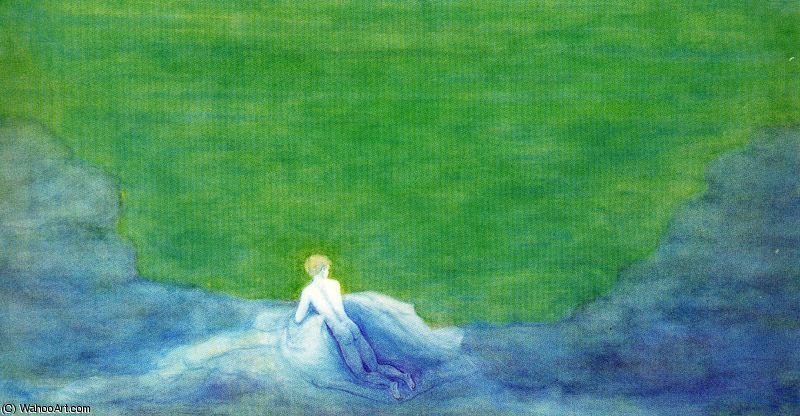
 プレビュー
プレビュー
 シェアする
シェアする シェアする
シェアする
 詳細を見る
詳細を見る

 ダウンロード
 似ている作品
 X線調査
X線調査 スライドショー
 Stats
StatsUntitled (757)

 詳細を見る
詳細を見る
手描き油彩複製画
当社のアーティストが、お客様のご希望のサイズと額縁に合わせて、キャンバスに手描きで制作する油彩画です。 ( Switch to Print Switch to Digital Image)




P118B $10

P118H $10

P118W $10

P438Z $10

P508JH $12

P508YH $12

P805H $10

P805Z $10

P919BZ $10

P919G $10

P919XJ $10

P959ZH $10

P968JZ $12

W106C $8

W218G $10

W218JH $8

W218Y $10

W307PJ $10

W316G $10

W316PJ $8

W316Y $10

W398PJ $8

W4111J $10

W500HY $15

W500JH $15

W692G $12

W849H $8

W940BG $15

W953PJ $8




作品のオリジナル比率に合わせた、当店の規定サイズからお選びください。

特定のフレームやスペースに合わせて、ご希望のサイズをご入力いただけます。選択されたサイズが元の画像の比率と異なる場合、アートワークをトリミングするか、手描きで要素を追加して絵画を拡張いたします。デジタルモックアップ を制作し、制作開始前にご確認(承認)をいただきます。
画面上のプレビューは、実際のトリミングや拡張を正確に反映しているものではありません。最終的な構図は、モックアップによってのみ正確にご確認いただけます。
カスタムサイズもご利用いただけますが、元の比率を維持するためには、あらかじめ用意されたリストからサイズを選択することをお勧めいたします。
ご注文後、ArtsDot.com チームより詳細な指示をお送りするとともに、仕上がりイメージ(モックアップ)をご提供いたします。


 ガラスオプションは、110cm未満のサイズでのみご利用いただけます。

Untitled (757)
複製技法
複製画のサイズ
-


合計金額
$ 263
関連作品

アーティストの略歴
Juan Soriano: A Life Painted in Echoes
Born in Guadalajara, Mexico, in 1920, Juan Francisco Rodríguez Montoya – later known simply as Juan Soriano – was a child sculpted by an extraordinary confluence of circumstance and talent. His upbringing within a sprawling, eccentric household—a legacy of thirteen aunts and four sisters under the watchful eye of his politically active father and a mother who had served as a “soldadera” during the Mexican Revolution—furnished him with a unique perspective on family dynamics, social strata, and the enduring power of storytelling. This unconventional foundation profoundly shaped his artistic sensibility, imbuing his work with a deeply rooted sense of human connection and an appreciation for the complexities of Mexican identity.
Soriano’s early artistic development was propelled by the mentorship of Jesús Reyes Ferreira, affectionately known as “Chucho” to his friends. Reyes, a pivotal figure in the burgeoning Mexican art scene, recognized Soriano's prodigious talent at a young age and introduced him to the rich tapestry of pre-Columbian and colonial Mexican art alongside the avant-garde movements sweeping Europe. This exposure proved transformative, laying the groundwork for Soriano’s distinctive style – a captivating blend of romantic realism, surrealist influences, and an unwavering engagement with Mexican folklore and tradition.
The Early Years: Mexico City and the Circle of Contemporáneos
In 1935, at the tender age of fifteen, Soriano embarked on a journey to Mexico City, driven by the encouragement of his mentors and a desire to hone his craft. He quickly immersed himself in the vibrant artistic community that flourished within the capital, becoming part of the influential “Contemporáneos” group – a collective of artists, writers, and intellectuals who challenged conventional notions of Mexican art and culture. This period was marked by intense collaboration and exchange, with Soriano engaging in dialogues with luminaries such as Rivera, Kahlo, Orozco, Siqueiros, and numerous other figures who shaped the artistic landscape of mid-20th century Mexico.
Soriano’s early works reflected this dynamic environment, absorbing influences from a diverse range of sources – Cubism, German Expressionism, Fauvism, and the Surrealists who sought refuge in Mexico during World War II. He skillfully synthesized these disparate elements into a personal style characterized by lyrical imagery, evocative color palettes, and a profound exploration of human emotion. His paintings often depicted scenes of everyday life, infused with symbolic resonance and a palpable sense of nostalgia for a rapidly changing Mexico.
A European Awakening: Rome and Paris
Beginning in 1950, Soriano embarked on a series of extended sojourns abroad, primarily in Europe. These periods of residence in Rome and later in Paris proved to be crucial turning points in his artistic development. Immersed in the classical art and architectural heritage of Italy, he deepened his understanding of form and composition, while simultaneously absorbing the avant-garde currents circulating through Parisian galleries and studios. This exposure broadened his artistic horizons, leading him to experiment with abstraction and explore new avenues for creative expression.
His time in Paris was particularly significant, marked by collaborations with fellow artists such as Milan Kundera and Julio Cortázar. These encounters fostered a spirit of intellectual curiosity and encouraged Soriano to push the boundaries of his artistic practice. He began incorporating elements of theater design and costume creation into his work, reflecting a growing interest in the intersection of art forms.
Legacy and Recognition
Juan Soriano’s career spanned seven decades, during which he produced an extensive body of paintings, sculptures, theatrical designs, and literary works. His contributions to Mexican art are widely recognized, earning him numerous accolades including Mexico's National Art Prize in 1987, the Chevalier des Arts et Lettres in France, and membership in the Legion of Honor. Soriano’s legacy extends beyond his individual achievements; he fostered a vibrant artistic community and left an indelible mark on the cultural landscape of Mexico and Europe.
Today, Juan Soriano's work continues to be celebrated for its emotional depth, technical virtuosity, and profound engagement with Mexican identity. His paintings offer a window into a world rich in symbolism, memory, and human experience – a testament to the enduring power of art to illuminate the complexities of life.
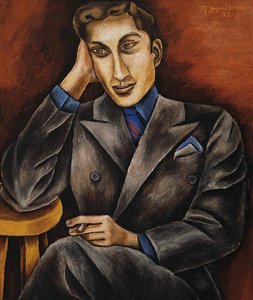
Juan Soriano
1920 - 2006 , Mexico
基本情報
- Artistic Movement Or Style: Expressionism, Neo-Baroque
- Artists Or Movements Influenced By This Artist:
- Rivera
- Kahlo
- Orozco
- Siqueiros
- Artists Who Influenced This Artist:
- Alfonso Michel Martínez
- Francisco Rodríguez "Caracalla"
- Jesús Reyes Ferreira
- Date Of Birth: August 18, 1920
- Date Of Death: February 10, 2006
- Full Name: Juan Francisco Rodríguez Montoya”
- Nationality: Mexican
- Notable Artworks:
- Untitled (757)
- Portrait of Diego de Mesa
- Place Of Birth: Guadalajara, Mexico
関連記事

ロマン派ランドスケープ:時代を彩る巨匠の10選|アートとインテリアの世界
ロマン派絵画の時代を彩る10選。巨匠たちの風景が織りなす感動の世界へ。ターナー、ルーベンスなど、名作の裏話と高精細複製でアートをお部屋に。ArtsDot.comで至福のアート体験を。
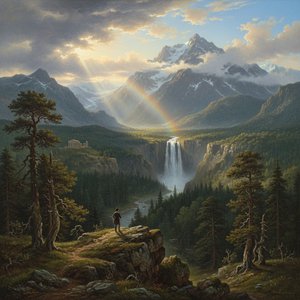
Evoking Nature's Sublime: A Comprehensive Exploration of 19th-Century Landscape Painting
Explore the captivating world of 19th-century landscape painting! Discover renowned artists like Friedrich & Monet, key movements, and find the perfect artwork to bring nature's serenity into your home. Expert insights at ArtsDot.

ジョン・コンスタブルの傑作25選:英国風景画の巨匠が描く自然と光の詩 | ArtsDot
ジョン・コンスタブルの傑作25選。英国風景画の巨匠が描く自然と光の詩の世界へ。ロマン主義を代表する絵画、デダム・ヴェールやヘイ・ウェインなど、ArtsDotで高品質なアートプリントをお楽しみください。インテリアに深みと感動を。コレクションはこちら。

Evocations of Place: A Historical Journey Through Landscape Art
Explore the rich history of landscape art with ArtsDot. Discover renowned artists, movements like Impressionism & Romanticism, and expert guidance for collecting timeless pieces. Find your perfect serene escape today!

Evocations of Place: A Historical Journey Through Landscape Art
Explore the rich history of landscape art with ArtsDot. Discover renowned artists, movements like Impressionism & tonalism, and expert guidance for collecting timeless pieces. Find your perfect serene escape today!