

 プレビュー
プレビュー
 プリントを購入
 シェアする
シェアする シェアする
シェアする
 詳細を見る
詳細を見る

 ダウンロード
 似ている作品
 X線調査
X線調査 スライドショー
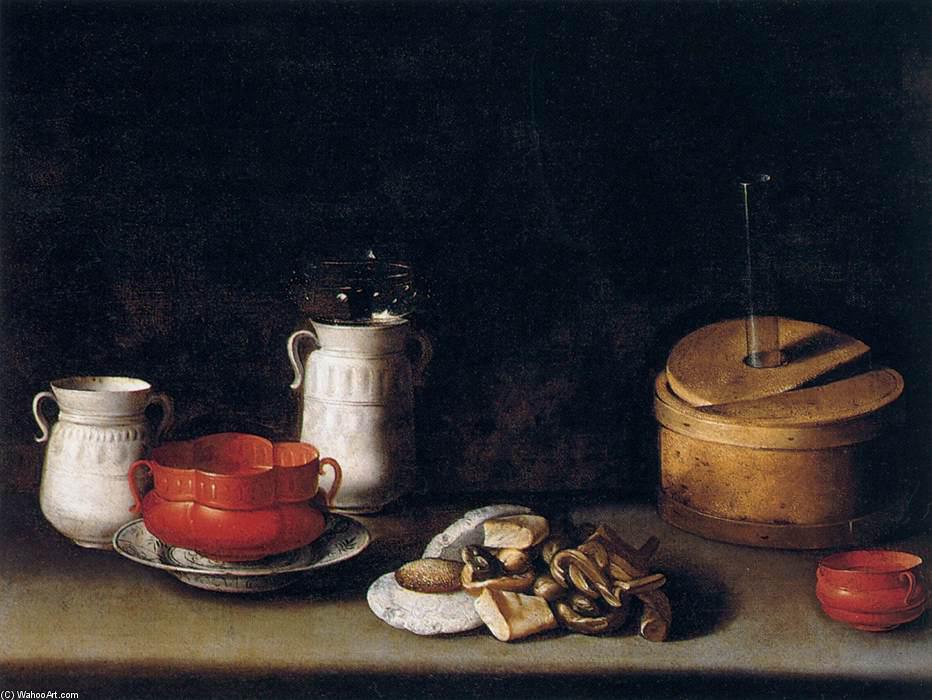
Still-Life with Crockery and Cakes
 Acrylic On Canvas
- WallArt
- Baroque Spanish Painting
 1627
1627 77.0 x 100.0 cm
 テイスセン・ボルネミスザ美術館
 詳細を見る
詳細を見る




P118B $10

P118H $10

P118W $10

P438Z $10

P508JH $12

P508YH $12

P805H $10

P805Z $10

P919BZ $10

P919G $10

P919XJ $10

P959ZH $10

P968JZ $12

W106C $8

W218G $10

W218JH $8

W218Y $10

W307PJ $10

W316G $10

W316PJ $8

W316Y $10

W398PJ $8

W4111J $10

W500HY $15

W500JH $15

W692G $12

W849H $8

W940BG $15

W953PJ $8




作品のオリジナル比率に合わせた、当店の規定サイズからお選びください。

特定のフレームやスペースに合わせて、ご希望のサイズをご入力いただけます。選択されたサイズが元の画像の比率と異なる場合、アートワークをトリミングするか、手描きで要素を追加して絵画を拡張いたします。デジタルモックアップ を制作し、制作開始前にご確認(承認)をいただきます。
画面上のプレビューは、実際のトリミングや拡張を正確に反映しているものではありません。最終的な構図は、モックアップによってのみ正確にご確認いただけます。
カスタムサイズもご利用いただけますが、元の比率を維持するためには、あらかじめ用意されたリストからサイズを選択することをお勧めいたします。
ご注文後、ArtsDot.com チームより詳細な指示をお送りするとともに、仕上がりイメージ(モックアップ)をご提供いたします。


 ガラスオプションは、110cm未満のサイズでのみご利用いただけます。

Still-Life with Crockery and Cakes
複製技法
複製画のサイズ
-


合計金額
$ 263
作品解説
A Still Life Bathed in Light – Juan van der Hamen’s ‘Still-Life with Crockery and Cakes’
Juan van der Hamen y León's “Still-Life with Crockery and Cakes,” painted in 1627, is more than a simple arrangement of food; it’s a meticulously crafted meditation on abundance, mortality, and the fleeting beauty of earthly pleasures. Born into a unique heritage – his father, a Flemish courtier who had settled in Spain, and his mother descended from Toledan nobility – van der Hamen inherited a blend of Northern European precision and Spanish artistic sensibility, a combination that profoundly shaped his distinctive style. This painting exemplifies this fusion, showcasing the artist’s mastery of light, shadow, and detail within the burgeoning Baroque tradition.
The scene unfolds on a dark wooden table, its surface subtly illuminated by an unseen source, creating a dramatic chiaroscuro effect characteristic of the period. Van der Hamen doesn't merely depict objects; he renders them with astonishing realism – the delicate folds of the linen cloth beneath the dishes, the glistening sheen of the fruit, and the textured surfaces of the cakes. The artist’s attention to detail is relentless, capturing not just the appearance but also the implied weight and volume of each item. Notice particularly how he uses subtle variations in tone to suggest the dampness of the bread or the ripeness of the peaches.
The Language of Still Life
Still life painting, or ‘bodegón’ as it was known in Spain, held a complex and layered significance during the 17th century. It wasn't simply about recording objects; it served as a vehicle for exploring philosophical and religious themes. Van der Hamen masterfully employs this tradition here. The abundance of food – the cakes, fruits, and earthenware – can be interpreted as a symbol of earthly prosperity and the pleasures of life, but also as a poignant reminder of their transient nature. The presence of decaying fruit and wilted flowers hints at mortality and the inevitability of decay, a common motif in Baroque art reflecting the Counter-Reformation’s emphasis on human vulnerability.
Furthermore, the arrangement itself is carefully considered. The placement of each object – the central cake, slightly off-center; the bottles flanking the scene; the varied heights and textures – creates a dynamic composition that draws the eye through the painting. The artist utilizes perspective to create depth and spatial relationships, inviting the viewer into this intimate tableau.
A Master’s Technique
Van der Hamen's technique is characterized by his painstaking layering of glazes—thin, translucent layers of paint applied over each other to build up color and luminosity. This method allowed him to achieve a remarkable level of detail and richness in his palette. Observe how he uses subtle shifts in hue – the warm browns of the earthenware contrasting with the cool greens of the foliage – to create visual harmony. The artist’s brushwork is remarkably controlled, demonstrating a deep understanding of color theory and light.
He was particularly adept at capturing the reflective qualities of surfaces—the sheen on the polished pewter, the gleam of the fruit, and the subtle highlights on the fabrics. This mastery of light and reflection elevates the painting beyond a simple depiction of objects, transforming it into a luminous and captivating experience for the viewer.
A Window to 17th-Century Spain
“Still-Life with Crockery and Cakes” offers a valuable glimpse into the artistic and cultural landscape of 17th-century Madrid. It reflects the growing interest in realism and naturalism that characterized the Baroque period, while also retaining elements of Northern European influence. Van der Hamen’s work is considered a cornerstone of Spanish still life painting, influencing generations of artists who followed. Today, reproductions of this exquisite piece continue to captivate art lovers with its beauty, detail, and profound symbolism.
Consider how the painting's rich colors and intricate details would enhance any interior space – bringing warmth, elegance, and a touch of historical sophistication. A high-quality reproduction offers a remarkable opportunity to experience the artistry of Juan van der Hamen in your own home.
関連作品
関連記事

Early Netherlandish Masters: 10 Paintings That Revolutionized Art & Decor
Journey into the Early Netherlandish Renaissance! Explore 10 iconic paintings by Jan van Eyck, Rogier van der Weyden & more. Discover stunning detail, symbolism, and oil painting techniques. Find museum-quality art reproductions for your home at ArtsDot.com.

レンブラント傑作25選:光と影の巨匠、魂を揺さぶる名画の世界 | ArtsDot
レンブラントの傑作25選。光と影の魔術師が描いた魂を揺さぶる名画の世界へ。美術史に残る自画像、夜警、宗教画…ArtsDotで高品質なアートプリントやインテリアアートをお楽しみください。コレクションはこちら→
Hugo van der Goes: Devotion, Innovation & the Psychological Depth of Early Netherlandish Painting
Explore the revolutionary art of Hugo van der Goes – a master of Early Netherlandish painting renowned for his dramatic realism, psychological depth & profound influence on Renaissance artists. Discover his iconic works and lasting legacy.
プラド美術館の至宝25選:名画が語るスペイン美術史 | ArtsDot
プラド美術館の至宝25選🎨 ベルラスケス、ゴヤの名画を紐解き、スペイン美術史を旅する。油絵、バロック、印象派…ArtsDotで高品質な複製画とインテリアアートを見つけよう。名画の世界をあなたの空間に✨ Explore the full collection online!
Abraham Hendricksz van Beyeren: Pioneering Dutch Still Life & the Banquet Tradition
Explore the captivating world of Dutch Golden Age still life with Abraham van Beyeren. Discover his innovative techniques, symbolic banquet scenes & lasting influence on art history. Learn about collecting these masterpieces.

