

 プレビュー
プレビュー
 シェアする
シェアする シェアする
シェアする
 詳細を見る
詳細を見る

 ダウンロード
 似ている作品
 X線調査
X線調査 スライドショー
 Stats
StatsHow Will I Die? #6, from The End: A Meditation on Death and Extinction


 詳細を見る
詳細を見る
ジークレー/アートプリント
迅速な制作と多彩な仕上げオプションを備えた、ミュージアムクオリティのジークレーまたはキャンバスプリント。 ( 手描きの絵画を購入 Switch to Digital Image)




P118B $10

P118H $10

P118W $10

P438Z $10

P508JH $12

P508YH $12

P805H $10

P805Z $10

P919BZ $10

P919G $10

P919XJ $10

P959ZH $10

P968JZ $12

W106C $8

W218G $10

W218JH $8

W218Y $10

W307PJ $10

W316G $10

W316PJ $8

W316Y $10

W398PJ $8

W4111J $10

W500HY $15

W500JH $15

W692G $12

W849H $8

W940BG $15

W953PJ $8




作品のオリジナル比率に合わせた、当店の規定サイズからお選びください。

特定のフレームやスペースに合わせて、ご自身でサイズを指定することも可能です。選択されたサイズが元の画像の比率と一致しない場合、作品をトリミングするか、鏡面反射または単色での塗りつぶしによって画像を拡張いたします。制作を開始する前に、ご確認用のデジタルモックアップをお送りいたします。
画面上のプレビューには、実際のトリミングや拡張は反映されませんのでご注意ください。最終的な構図を正確に確認できるのは、モックアップのみとなります。
カスタムサイズも承っておりますが、元の比率を維持するためには、あらかじめ用意されたリストからサイズを選択することをお勧めいたします。


 ガラスオプションは、110cm未満のサイズでのみご利用いただけます。

How Will I Die? #6, from The End: A Meditation on Death and Extinction
ジークレー/アートプリント
複製画のサイズ
-


合計金額
$ 62
Judith Sylvia Cohen’s “How Will I Die? #6” – A Stark Meditation on Mortality
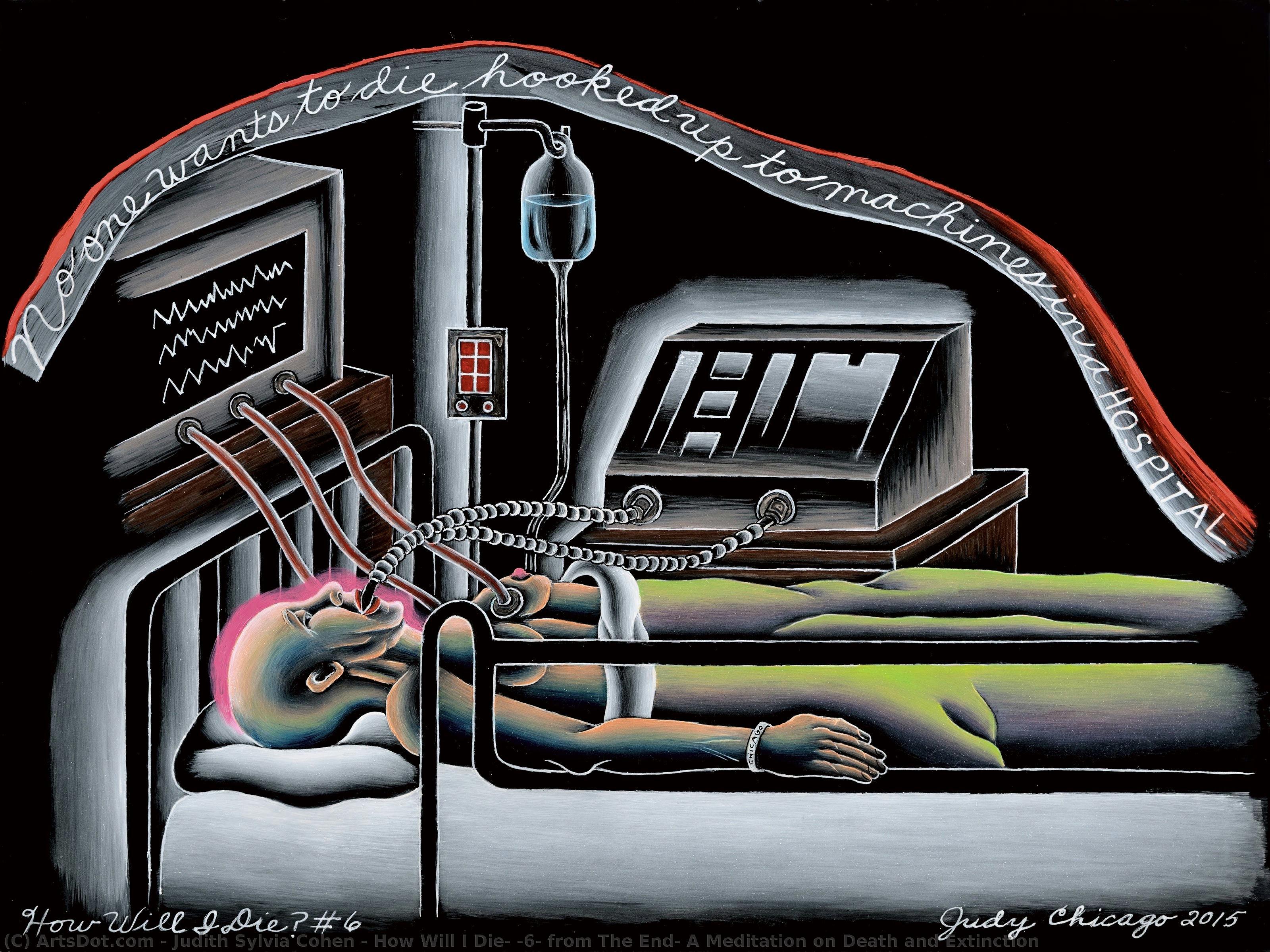
Judith Sylvia Cohen's "How Will I Die? #6," created in 2015, is a profoundly unsettling and deeply resonant artwork that confronts the viewer with the raw realities of mortality and dependence. Emerging from a career defined by challenging societal norms and exploring themes of gender, history, and human experience – most notably through her iconic “The Dinner Party” – Cohen here presents a starkly intimate portrait of vulnerability within the sterile confines of modern medical care. The piece immediately commands attention with its muted palette dominated by shades of grey, black, and brown, punctuated by subtle hints of red, creating an atmosphere thick with melancholy and introspection. It’s a work that doesn't offer easy answers or comforting illusions; instead, it forces a confrontation with the uncomfortable questions surrounding our final moments.
Composition and Technique: A Study in Dramatic Contrast
The composition is meticulously crafted to maximize its emotional impact. The central figure, lying diagonally across the frame within an arch-shaped space, immediately draws the eye, mirroring the unsettling question posed by the title itself. The inclusion of a second bed further back subtly expands the scene, hinting at the vastness of suffering and the potential for endless dependence. Cohen’s technique is characterized by a controlled realism rendered with oil paints on canvas. The smooth texture of the paint application, combined with carefully defined lines delineating the medical equipment – IV drips, syringes, an oxygen tank – creates a sense of clinical precision that only amplifies the artwork's unsettling nature. The directional lighting, casting deep shadows and highlighting the illuminated elements, is particularly masterful, isolating the figure and emphasizing their vulnerability against a backdrop of impenetrable darkness.
Symbolism and Emotional Resonance: The Intrusion of Technology
"How Will I Die? #6" transcends a simple depiction of illness; it’s a potent symbol of our relationship with technology in the face of mortality. The medical equipment, meticulously rendered, represents not just treatment but also a profound dependence – a surrender to machines in the final act of life. The phrase ‘No one wants to die hooked up to machines in a hospital,’ subtly integrated into the archway framing the scene, adds another layer of complexity, questioning the very nature of what constitutes a natural death. The artwork taps into primal fears surrounding loss of control and the intrusion of the artificial into the sacred realm of human experience. Cohen’s work aligns with her broader artistic mission to challenge conventional narratives and provoke critical reflection on societal values.
Historical Context and Artistic Legacy
Created in 2015, “How Will I Die? #6” builds upon Cohen's established legacy as a pioneering feminist artist. Her earlier work, such as "The Dinner Party," tackled similar themes of power dynamics and historical representation, albeit through a more overtly symbolic lens. This piece, however, offers a more immediate and visceral engagement with the anxieties surrounding death and healthcare. Cohen’s influence extends beyond her individual creations; she helped to shape the landscape of contemporary art by consistently challenging established norms and prompting dialogue about important social issues. The artwork's enduring power lies in its ability to resonate with viewers across generations, reminding us of our shared vulnerability and the profound questions that inevitably arise when confronted with the inevitability of death.
関連作品


![Life Of Saint Francis - [04] - Death And Ascension Of St Francis — ジョット, Italian Renaissance](/media/artworks/images-thumb/08/8b/088b102b13c1a379233690905590f156.jpg)


アーティストの略歴
生い立ちと影響
ジュディス・シルビア・コーエン、プロのアーティスト名として「ジュディ・シカゴ」の名で知られる彼女は、1939年7月20日、イリノイ州シカゴに生を受けました。彼女の幼少期は、父の社会活動と、その後に続いたマッカーシズム時代特有の激動に彩られていました。こうした社会・政治的な問題への直接的な触れ合いは、後の彼女の芸術的テーマを形作る重要な礎となったのです。芸術的キャリア
シカゴの芸術への旅路は、非常に幼い頃から始まりました。子供の頃にはシカゴ・アート・インスティテュートに通い、その後UCLAで美術学士号を取得して1962年に卒業しました。初期の作品群は、共同制作によるインスタレーション作品を特徴としており、「誕生」や「創造」のイメージに焦りと、歴史や文化における女性の役割を深く探求するものでした。代表作と貢献
彼女の功績の中でも、ブルックリン美術館のエリザベス・A・サックラー・フェミニスト・アート・センターに永久設置されている『ディナー・パーティー』は、史上初にして最も壮大なフェミニズム芸術作品として広く認められています。また、『インターナショナル・オナー・キルト』、『バース・プロジェクト』、『パワープレイ』、そして『ホロコースト・プロジェクト』といった作品群は、世界の芸術界におけるシカゴの影響力をより確固たるものにしました。影響とレガシー
シカゴの作品は世界中の数百もの出版物に掲載されており、彼女をフェミニズム・アートにおける極めて重要な人物へと押し上げました。1970年代にカリフォルニア州立大学フレズノ校でアメリカ初となるフェミニスト・アート・プログラムを設立したことは、フェミニズム芸術と芸術教育の触媒としての役割を果たしました。- タイム誌の「2018年最も影響力のある人物100人」に選出
- ジェシカ・シルバーマン・ギャラリーによる作品の取り扱い
- ブラジルのアセルボ・ダ・プレフェイトゥラ・デ・サン・ヴィセンテをはじめとする著名な美術館での展示
- ソロモン・R・グッゲンハイム美術館(ニューヨーク、アメリカ合衆国)における記録
さらなる読書とリソース
- ジュディス・シルビア・コーエン | ジュディ・シカゴ (ArtsDot.comにて) - ジュディ・シカゴ (Wikipediaにて) - フェミニスト・アート・ムーブメント (ArtsDot.comにて)
ジュディ・シカゴ
1939 - , アメリカ合衆国
基本情報
- Artistic Movement Or Style: フェミニスト・アート
- Artists Or Movements Influenced By This Artist: ['現代フェミニスト・アート']
- Artists Who Influenced This Artist: ['コンセプチュアル・アート']
- Date Of Birth: 1939年7月20日
- Full Name: ジュディス・シルビア・コーエン
- Nationality: アメリカ
- Notable Artworks:
- ディナー・パーティー
- インターナショナル・オナー・キルト
- Place Of Birth: アメリカ合衆国、シカゴ
関連記事
Atmospheric Resonance: Curating Art for Elevated Hospitality Experiences
Elevate your hospitality environment with strategic art curation. Discover expert insights on sourcing, installation & maximizing ROI through impactful artwork that enhances guest experiences and defines your brand identity.
持続可能なラグジュアリーを追求するホスピタリティデザイン:手描きの複製芸術が変革する空間美学
ホスピタリティデザインにおける手描きの複製芸術の役割を徹底解説。独自性と持続可能性を高め、空間美学に変革をもたらす方法を探ります。アートコンサルティングや成功事例もご紹介。
Elevating Guest Experiences: The Strategic Role of Art Curation in Luxury Hospitality Branding & Perceived Value
Discover how strategic art curation elevates guest experiences & brand identity in luxury hospitality. Expert insights on ROI, sourcing, and creating unforgettable spaces. Learn more!
Cultivating Identity: The Transformative Role of Art in Shaping Experiential Hospitality Landscapes
Discover how strategic art curation transforms hospitality spaces & elevates guest experiences. Expert insights on ROI, placemaking, brand identity & creating unforgettable environments. Learn more!
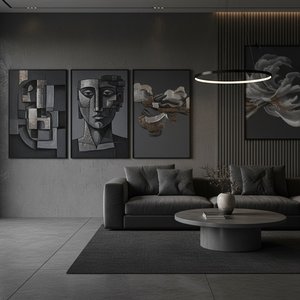
Dark Gray Masterpieces: 10 Iconic Paintings & Timeless Home Decor Ideas
Explore 10 iconic paintings dominated by dark gray tones, from Rembrandt & Caravaggio to Goya. Discover the stories behind these masterpieces and find museum-quality art reproductions for your home at . Explore the full collection online.