

 シェアする
シェアする シェアする
シェアする
 詳細を見る
詳細を見る

 ダウンロード
 似ている作品
 スライドショー
 Stats
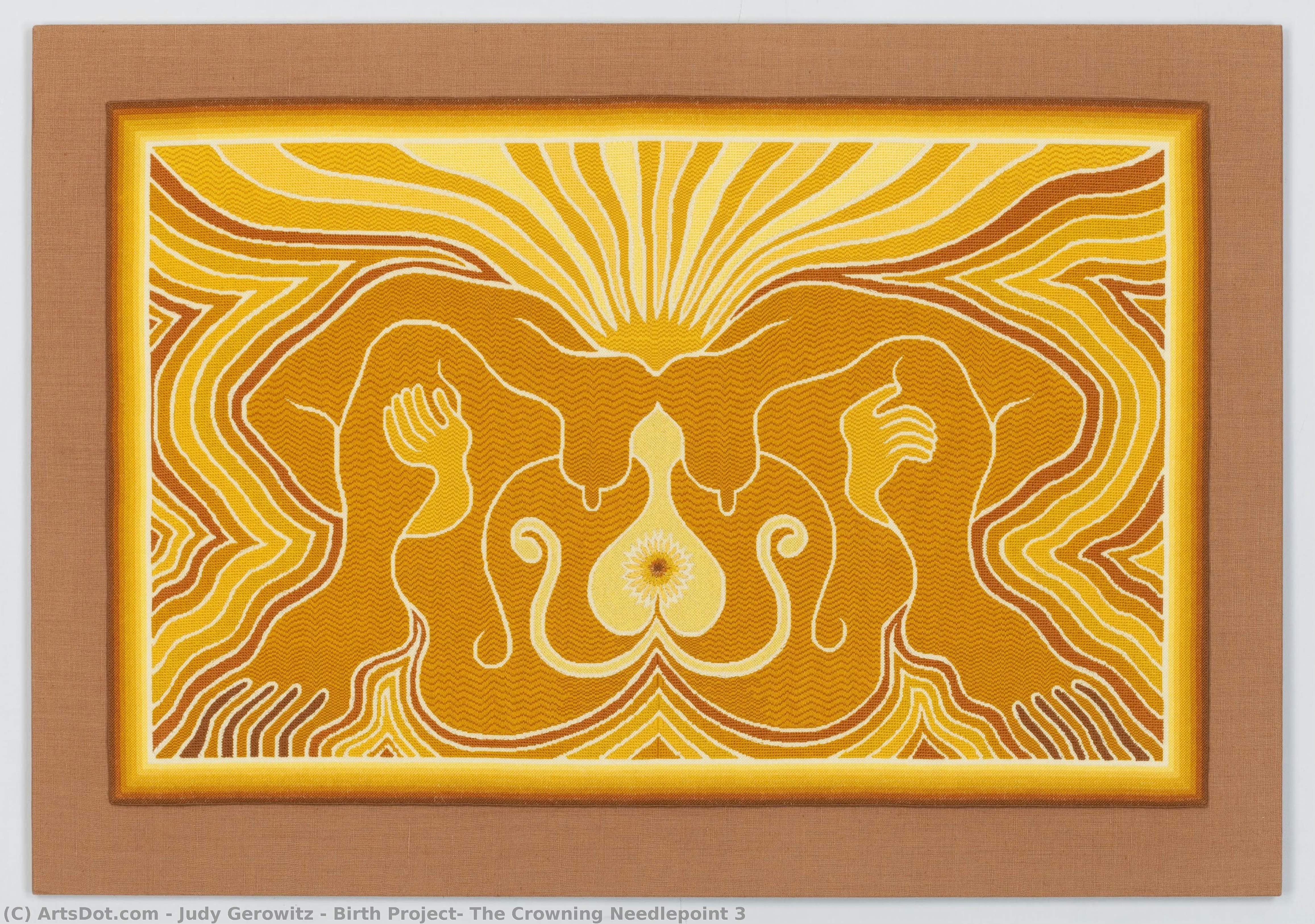
StatsBirth Project: The Crowning Needlepoint 3


 詳細を見る
詳細を見る
ジークレー/アートプリント
迅速な制作と多彩な仕上げオプションを備えた、ミュージアムクオリティのジークレーまたはキャンバスプリント。 ( 手描きの絵画を購入 Switch to Digital Image)




































作品のオリジナル比率に合わせた、当店の規定サイズからお選びください。

特定のフレームやスペースに合わせて、ご自身でサイズを指定することも可能です。選択されたサイズが元の画像の比率と一致しない場合、作品をトリミングするか、鏡面反射または単色での塗りつぶしによって画像を拡張いたします。制作を開始する前に、ご確認用のデジタルモックアップをお送りいたします。
画面上のプレビューには、実際のトリミングや拡張は反映されませんのでご注意ください。最終的な構図を正確に確認できるのは、モックアップのみとなります。
カスタムサイズも承っておりますが、元の比率を維持するためには、あらかじめ用意されたリストからサイズを選択することをお勧めいたします。


 ガラスオプションは、110cm未満のサイズでのみご利用いただけます。

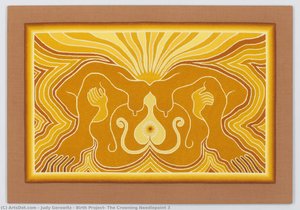
Birth Project: The Crowning Needlepoint 3
ジークレー/アートプリント
複製画のサイズ
-


合計金額
$ 62
A Radiant Tapestry of Life and Ritual
In the vibrant landscape of feminist art, few works capture the primal energy of existence as intimately as Birth Project: The Crowning Needlepoint 3. Created in 1983 by the visionary Judy Chicago, this textile masterpiece serves as a profound meditation on the cycles of life, fertility, and the sacredness of the feminine experience. At first glance, the viewer is drawn into a celestial dance where a central sun radiates warmth and vitality, its rays stretching outward to touch every corner of the composition. The artwork transcends mere decoration, acting instead as a window into a ritualistic world where light and form converge to celebrate the very essence of being.
The technique employed in this piece is nothing short of extraordinary. Utilizing the meticulous and labor-intensive medium of needlepoint, Chicago transforms thread and fabric into a luminous tapestry of texture and color. The tactile nature of the textile work adds a layer of depth that paint alone cannot achieve; each stitch carries the weight of intention, contributing to a surface that feels alive with movement. The warm, vibrant palette—dominated by golds, oranges, and sun-drenched hues—creates an atmosphere of boundless energy, making it an ideal centerpiece for those looking to infuse a space with warmth, optimism, and a sense of historical significance.
Symbolism and the Feminine Narrative
Beyond its aesthetic brilliance, the piece is steeped in deep symbolic resonance. The presence of figures on either side of the central solar motif suggests a ceremonial interaction, perhaps a rite of passage or a communal celebration of birth and renewal. These figures, caught in a moment of profound connection, mirror the broader themes found in Chicago’s larger body of work, which seeks to reclaim and honor the often-overlooked histories of women. The sun, acting as the heart of the composition, symbolizes the source of all life, while the intricate patterns surrounding it evoke the complex, interconnected web of biological and spiritual existence.
For the discerning collector or interior designer, this artwork offers more than just visual appeal; it provides a narrative anchor for a room. Whether placed in a contemporary gallery setting or integrated into a sophisticated residential study, The Crowning Needlepoint 3 commands attention through its emotional depth and historical weight. It is a piece that invites contemplation, prompting viewers to reflect on their own connection to the natural cycles of growth and transformation. Owning a high-quality reproduction of such a seminal work allows one to bring a fragment of the feminist art revolution into the modern home, ensuring that the legacy of Judy Chicago’s visionary spirit continues to illuminate contemporary spaces.
関連作品



アーティストの略歴
A Legacy of Visionary Feminism
Born Judith Sylvia Cohen in Chicago, Illinois, on July 20, 1939, the artist known to the world as Judy Chicago emerged from a lineage deeply rooted in liberal Jewish values and a profound commitment to social justice. Her upbringing was shaped by the activism of her father, Arthur Cohen, whose dedication to labor organizing and workers' rights instilled in her an early understanding of the necessity for systemic change. This foundation of resistance and advocacy would later become the heartbeat of her creative practice, driving her to confront the historical erasure of women through monumental artistic interventions.
Chicago’s aesthetic evolution was marked by a fascinating tension between diverse artistic movements. Her early explorations were deeply influenced by the dreamlike distortions of Surrealism and the provocative, anti-establishment spirit of Dada. However, as the social upheavals of the 1960s and 70s unfolded, her focus shifted from purely formal experimentation toward a purposeful, collaborative mission. She recognized that the art world was profoundly lacking in representations of the female experience, a void she sought to fill not just through imagery, but through the very structure of artistic production itself.
The Architecture of Remembrance
One cannot discuss the trajectory of contemporary art without centering on Chicago’s most monumental achievement: The Dinner Party. Completed between 1979 and 1980, this ambitious installation serves as a profound reimagining of historical narratives, specifically utilizing the motif of a communal feast to honor women whose contributions have been obscured by patriarchal history. The work is a masterpiece of collaborative labor, bringing together hundreds of women artists and craftspeople to weave a tapestry of porcelain and textile that spans centuries.
The technical brilliance of her work lies in its ability to bridge the gap between "high art" and traditional feminine crafts. In The Dinner Party, Chicago utilized:
- Intricate Porcelain Painting: Each plate features delicate, hand-painted depictions of influential figures ranging from Sappho to Virginia Woolf.
- Needlework and Textile Arts: The use of embroidery and fine stitching elevates domestic crafts to the status of monumental fine art.
- Symbolic Layering: The installation uses biological and historical metaphors to explore themes of birth, creation, and matrilineal lineage.
This approach was not merely aesthetic; it was a political statement designed to reclaim the dignity of labor traditionally associated with women's domestic spheres.
Expanding the Narrative: Birth and Beyond
As her career progressed, Chicago continued to push the boundaries of installation art, moving into themes that explored the primal and the sacred. Her Birth Project stands as a testament to her fascination with the cycles of life and the visceral reality of creation. In works such as The Crowning Needlepoint 3, she employs a radiant palette of golds and oranges to create a celestial atmosphere, where the medium of needlepoint becomes a window into a ritualistic world. These pieces act as meditations on fertility and the enduring strength found in the feminine experience.
Beyond her individual installations, Chicago’s historical significance is cemented by her role as an educator and institution builder. By founding the first feminist art program in the United States at California State University, Fresno, she provided a vital sanctuary and training ground for a new generation of artists. Her work continues to resonate through subsequent projects like the International Honor Quilt and The Holocaust Project, ensuring that her legacy remains one of unyielding courage, celebrating the profound interconnectedness of history, identity, and the human spirit.
judy gerowitz
1939 - , United States of America
基本情報
- Artistic Movement Or Style: Feminist Art
- Artists Or Movements Influenced By This Artist: ['None Specified']
- Artists Who Influenced This Artist: ['None Specified']
- Date Of Birth: July 20, 1939
- Full Name: Judy Sylvia Cohen
- Nationality: American
- Notable Artworks:
- The Dinner Party
- International Honor Quilt
- Place Of Birth: Chicago, United States
関連記事
マックス・エルンスト傑作25選:シュルレアリスムの深淵と装飾への誘い
マックス・エルンストの傑作25選。シュルレアリスムを代表する画家、その夢と無意識の世界を描いた絵画や版画を紐解きます。リビングやオフィスに飾るモダンアート、インテリアに最適な作品を見つけませんか?ArtsDot.comで全コレクションをオンラインで探す。

Abstract Harmony: Achieving Interior Cohesion Through Textural Resonance Between Art, Furniture, and Material Palettes
Discover how to create harmonious interiors with expert art curation tips! Learn to balance abstract art, furniture & textures for a cohesive, emotionally resonant space. Elevate your home's aesthetic today.

Sandstone & Sunlight: 10 Masterpieces of Earth-Toned Art |
Journey through 10 iconic paintings bathed in 'sand' tones – from Van Gogh to Monet. Explore the stories, techniques & warm palettes of these timeless masterpieces. Find museum-quality art reproductions at and bring classic beauty home.
The Tactile Canvas: Exploring Texture as Subject, Materiality & Meaning in Art History
Explore the rich history of texture in art! Discover how artists from Van Gogh to contemporary masters use materiality & technique to create captivating tactile experiences. Deepen your art appreciation with ArtsDot.

クロード・モネ傑作25選:光と色彩の印象派を彩る名画の世界 | ArtsDot
クロード・モネの傑作25選。印象派を代表する光の画家、モネの世界を旅しませんか?睡蓮や風景画など、名画の背景にある物語と芸術技法をご紹介。ArtsDotで高品質な複製画とインテリアアートを見つけましょう。全コレクションはこちら。