

 プレビュー
プレビュー
 プリントを購入
 シェアする
シェアする シェアする
シェアする
 詳細を見る
詳細を見る

 ダウンロード
 似ている作品
 X線調査
X線調査 スライドショー
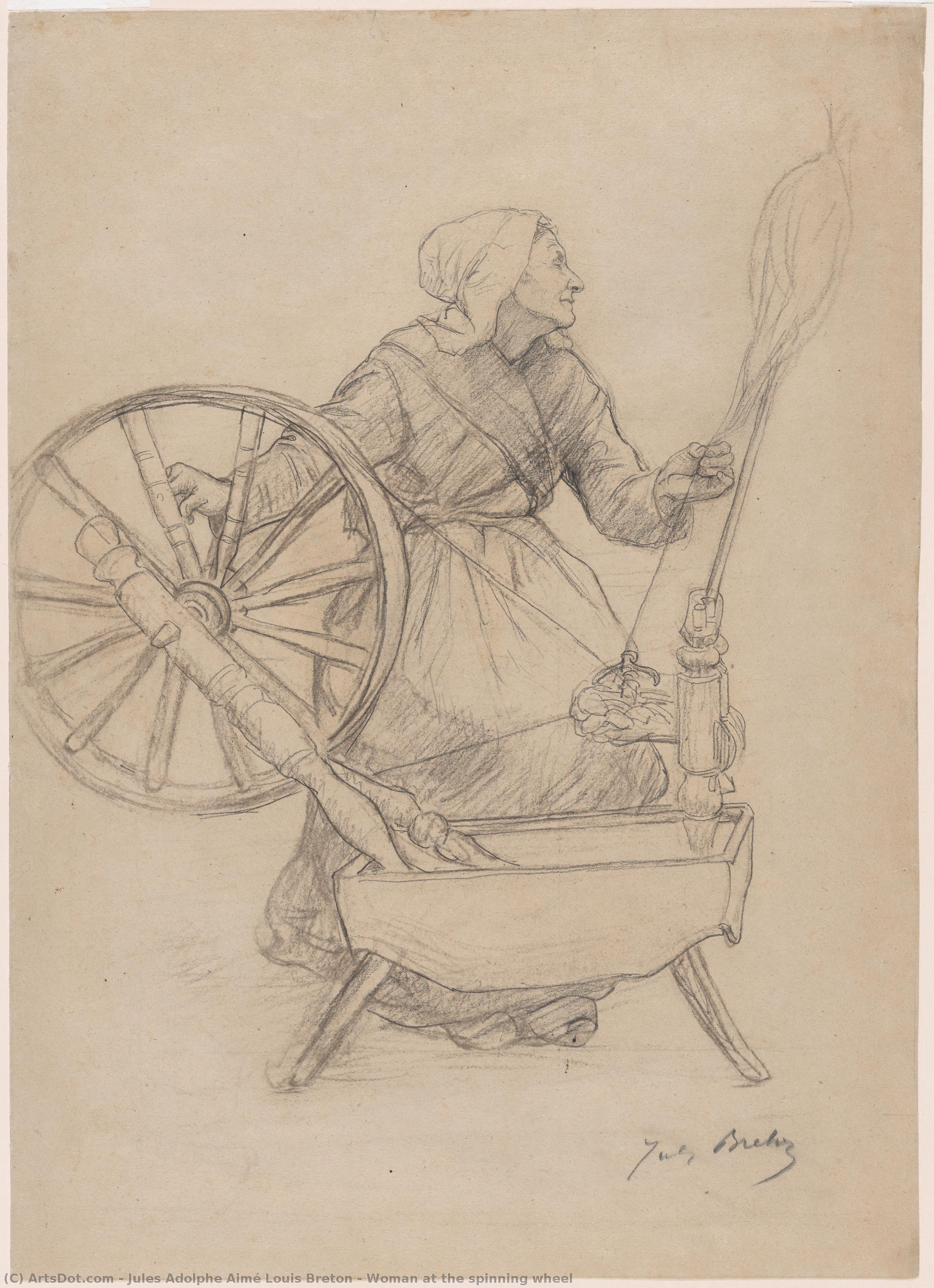
Woman at the spinning wheel
 Acrylic On Canvas
- WallArt
- Contemporary Realism
 1884
1884 47.0 x 34.0 cm
 メトロポリタン美術館
 詳細を見る
詳細を見る
オンラインプレビューをはるかに凌ぐ、高解像度で鮮明なデジタル画像をご購入いただけます。
各ファイルは、社内の専門家が高度なツールと熟練した手作業によるレタッチを用いて、細心の注意を払って準備されています。すべての画像において、卓越した鮮明度、正確な色彩再現性、そして繊細なディテールを保証いたします。
最終ファイルは、プロフェッショナルな編集・印刷環境ですぐにご利用いただけるよう最適化された状態で、72時間以内にメールにてお届けいたします。これは、一流のデザインスタジオ、出版社、ギャラリーから信頼されているものと同等の品質です。
デジタル画像のご注文に付随する特典
高品質なデジタル画像配信を、確かな品質で。
ArtsDot.com を選ぶことは、単に画像を手に入れることではありません。それは、プロの手によって精密に仕上げられ、満足保証が付いた高品質なデジタルアートワークを受け取ることを意味します。ご注文いただいた際に自動的に付随する内容は、以下の通りです:

メールですぐにお届け
ご注文から72時間以内に、高解像度のデジタル画像ファイルがメールでお手元に届きます。すぐにそのままご利用いただけます。

AI技術で最適化されたデジタルファイル
お客様の作品は、高度なAIツールと専門家による手作業の編集を組み合わせてプロフェッショナルに最適化されており、細部のディテール、鮮明さ、そして正確な色再現性を最大限に引き出しています。

一生涯無料の再送サービス
ファイルを誤って削除したり、紛失してしまったりしましたか?ご安心ください。いつでも無料で再送いたします。

輸入手数料は一切かかりません
関税や手数料、配送料を気にすることなく、お気に入りのアートワークをすぐにお楽しみいただけます。デジタルダウンロードは常に免税です。

色彩再現の保証
プロ仕様のツールとカラーマネジメント技術を用いることで、デジタル画像が元の色を最大限に忠実に再現することを保証いたします。

60日間満足保証
ご購入いただいたデジタル画像にご満足いただけない場合は、60日以内であれば、修正または100%の返金(理由を問う必要はありません)をさせていただきます。

100% 返金保証
ご満足いただけない場合は、デジタルファイルを受け取ってから60日以内であれば、理由を問わず全額返金いたします。

まとめ買い割引
3枚購入で10%OFF - 5枚購入で15%OFF - 10枚以上購入で20%OFF。クリエイティブなプロジェクト、ギャラリー、エージェンシーに最適です。
作品の詳細
A Portrait of Rural Tranquility: Jules Breton’s “Woman at the Spinning Wheel”
Jules Breton (1827-1906) stands as a cornerstone of French Realism, an artistic movement dedicated to portraying life accurately and truthfully without embellishment—a mission he embraced wholeheartedly in his canvases. Born in Coutras, Gironde, France, Breton’s early life was marked by modest circumstances but fueled by an unwavering passion for observation and representation. He honed his skills through self-study and apprenticeship under Gustave Courbet, arguably the movement's most influential figure, absorbing Courbet’s uncompromising commitment to depicting everyday subjects with unflinching realism. This formative influence profoundly shaped Breton’s artistic vision. The painting “Woman at the Spinning Wheel,” completed in 1884, exemplifies this dedication to capturing the essence of rural life with remarkable precision. It depicts a solitary woman seated comfortably on a chair, her legs crossed as she diligently spins wool using a spindle—a commonplace activity that speaks volumes about the daily routines and traditions of provincial France during Breton’s era. The artist's meticulous attention to detail extends beyond mere representation; he captures not only the physical appearance of the subject but also her posture and gaze, conveying a sense of quiet contemplation and purposeful engagement. Breton’s technique is characterized by a masterful blend of observation and tonal modulation—a hallmark of Realist painting. He employs a muted palette dominated by earthy hues – browns, greens, and ochres – mirroring the colors found in the surrounding landscape. These tones are skillfully blended to create subtle gradations of light and shadow, lending depth and atmosphere to the scene. Breton’s brushstrokes are deliberate yet understated, conveying texture without resorting to excessive ornamentation. The artist prioritizes capturing the materiality of the subject matter—the wool fibers, the wooden chair, and the simple tools—reflecting Courbet's belief that art should strive for an honest depiction of reality. Historically, “Woman at the Spinning Wheel” emerged during a period of significant social change in France. While Breton’s work initially faced criticism from avant-garde circles who deemed it too conventional, it quickly gained acceptance among the public and solidified Breton’s reputation as a champion of rural values. The painting resonates with themes of domesticity, labor, and connection to nature—values that were particularly poignant during the Belle Époque, a time marked by optimism and artistic experimentation alongside anxieties about industrialization and urbanization. Beyond its aesthetic qualities, “Woman at the Spinning Wheel” carries symbolic weight. The spinning wheel itself represents not merely a practical tool but also embodies feminine resilience and industriousness – virtues celebrated in French culture. Furthermore, the birds perched in the background serve as emblems of freedom and harmony—a visual counterpoint to the woman’s solitary activity, suggesting an idealized vision of rural existence untouched by societal pressures. Ultimately, Breton's masterpiece transcends mere depiction; it evokes a profound emotional response. The painting invites viewers to contemplate the beauty of simplicity and the dignity of labor, reminding us of the enduring importance of traditions rooted in connection with the natural world. It’s a piece that speaks to our innate desire for tranquility and authenticity—qualities that continue to inspire artists and collectors alike today. Its quiet grace and understated realism ensure its place as an iconic image of French Realism and a testament to Breton's unwavering commitment to portraying life truthfully on canvas.関連作品
作家の略歴
フランス田園風景の詩人
ジュール・ブレトン(1827–1906)は、フランス写実主義の礎を築いた画家の一人です。この芸術運動は、装飾を排し、人生を正確かつ真実に描くことに捧げられたものであり、彼はその使命を自らのキャンバスに心から体現しました。フランス北部パ=ド=カレー県のクリエールという小さな村に生まれたブレトンの幼少期は、ささやかな環境の中にありましたが、そこには観察と描写に対する揺るぎない情熱が宿っていました。農業が盛んなアルトワの風景に深く根ざした彼の生い立ちは、伝統への深い敬意と大地への愛を彼に植え付け、それはその後の長い画業を通じて彼の芸術の中核であり続けました。幼くして母を亡くし、富裕な地主の土地管理をしていた父のもとで育った経験は、彼に農村生活のリズムとの親密な結びつきを与えたのです。
同時代の多くの画家たちが神話や歴史的な主題の壮大さを追い求めた一方で、ブレトンはありふれた労働者たちの尊厳へと眼差しを向けました。彼は、収穫後の穂拾いをする人々、刈り入れを行う人々、そして羊飼いたちといった日常の光景を、かつて古典的な人物にのみ許されていたアカデミックな気品をもって描き出す稀有な才能を持っていました。この独自の融合により、彼は田園生活の牧歌的なビジョンを伝える主要な伝道者となり、深く自然主義的でありながら、同時に極めて詩的なレンズを通してフランスの田舎の美しさを捉えたのです。
芸術的進化と写実主義の精神
ブレトンの芸術的な旅路は、写実主義(リアリズム)と自然主義の原則に対する厳格な献身によって形作られました。サン=ベルタン学院での学びを含む初期の修行を経て、彼はやがて当時の巨匠たちとのより深い関わりへと導かれていきました。彼はこの運動の妥協のない技法を吸収し、社会のあらゆる複雑さを映し出す鏡としての芸術を創造しようと努めました。この発展期において、彼は自らグラン・スタイル(壮大な様式)と呼ぶもの、すなわち素朴なジャンルの画題に記念碑的な重要性と時代を超越した感覚を吹き込む手法を追求しました。
彼の技法は、緻密な細部描写と光り輝くような色彩パレットに特徴づけられ、それらを巧みに操ることで自然界の質感を伝えていました。草原に降り注ぐ夜明けの柔らかな光から、夏の野原の陽光に満ちた重厚な空気感に至るまで、ブレトンは油彩を用いることで驚くべき奥行きを実現しました。その構図はしばしば牧歌的な静けさを呼び起こし、次のような情景を描き出しています。
- 川辺で洗濯をする女性たち:水面に反射する光の戯れが、風景の平穏を映し出します。
- 草原で遊ぶ子供たち:自然の中で躍動する、幼い日の無垢さと生命力を捉えています。
- 刈り入れ人たちのリズムに乗った労働:肉体労働の中に見出される強さと気高さを描き出しています。
これらの主題を通じて、ブレトンは単にキャンバスを飾ったのではありません。彼は人間と大地との間に永続する関係についての瞑想を生み出したのです。
遺産と歴史的意義
ジュール・ブレトンの歴史的な意義は、過去のアカデミックな伝統と19世紀のモダンな写実主義との間の隔たりを埋めたその能力にあります。農民の生活を描写するために洗練された古典的手法を適用することで、彼は高尚な芸術から見落とされがちであった階層の人々に、永続性と尊厳を授けました。彼の作品は当時の大衆の心に深く響き、パリ・サロンでの大きな称賛を浴び、フランス美術における指導的な人物としての地位を確立しました。
個々の作品を超えて、ブレトンの影響は家族やより広い芸術コミュニティへと広がっていきました。彼の娘であるヴィルジニー・ドモン=ブレトンもまた、深い観察眼と卓越した技術の継承者として、名高い画家となりました。今日においても、ジュール・ブレトンの作品は、その郷愁を誘う力と、見る者をフランスの失われた田園生活の時代へと誘う力によって愛され続けています。彼の絵画は、19世紀の魂へと通じる時代を超えた窓であり、存在の最も単純な瞬間に見出される静かな美しさを、私たちに思い出させてくれるのです。
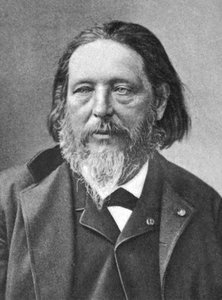
ジュール・アドルフ・エメ・ルイ・ブレトン
1827 - 1906 , フランス
プロフィール概要
- Artistic Movement Or Style: 写実主義
- Artists Or Movements Influenced By This Artist: ['ロマン主義']
- Artists Who Influenced This Artist: ['オノレ・ヴィクトラン・ダ']
- Date Of Birth: 1827年5月1日
- Date Of Death: 1906年7月5日
- Full Name: ジュール・アドルフ・エメ・ルイ・ブレトン
- Nationality: フランス人
- Notable Artworks:
- 山中のドン・キホーテ
- 考える少女
- 洗濯女のスケッチ
- Place Of Birth: コートラス、フランス

