

 プレビュー
プレビュー
 プリントを購入
 シェアする
シェアする シェアする
シェアする
 詳細を見る
詳細を見る

 ダウンロード
 似ている作品
 X線調査
X線調査 スライドショー
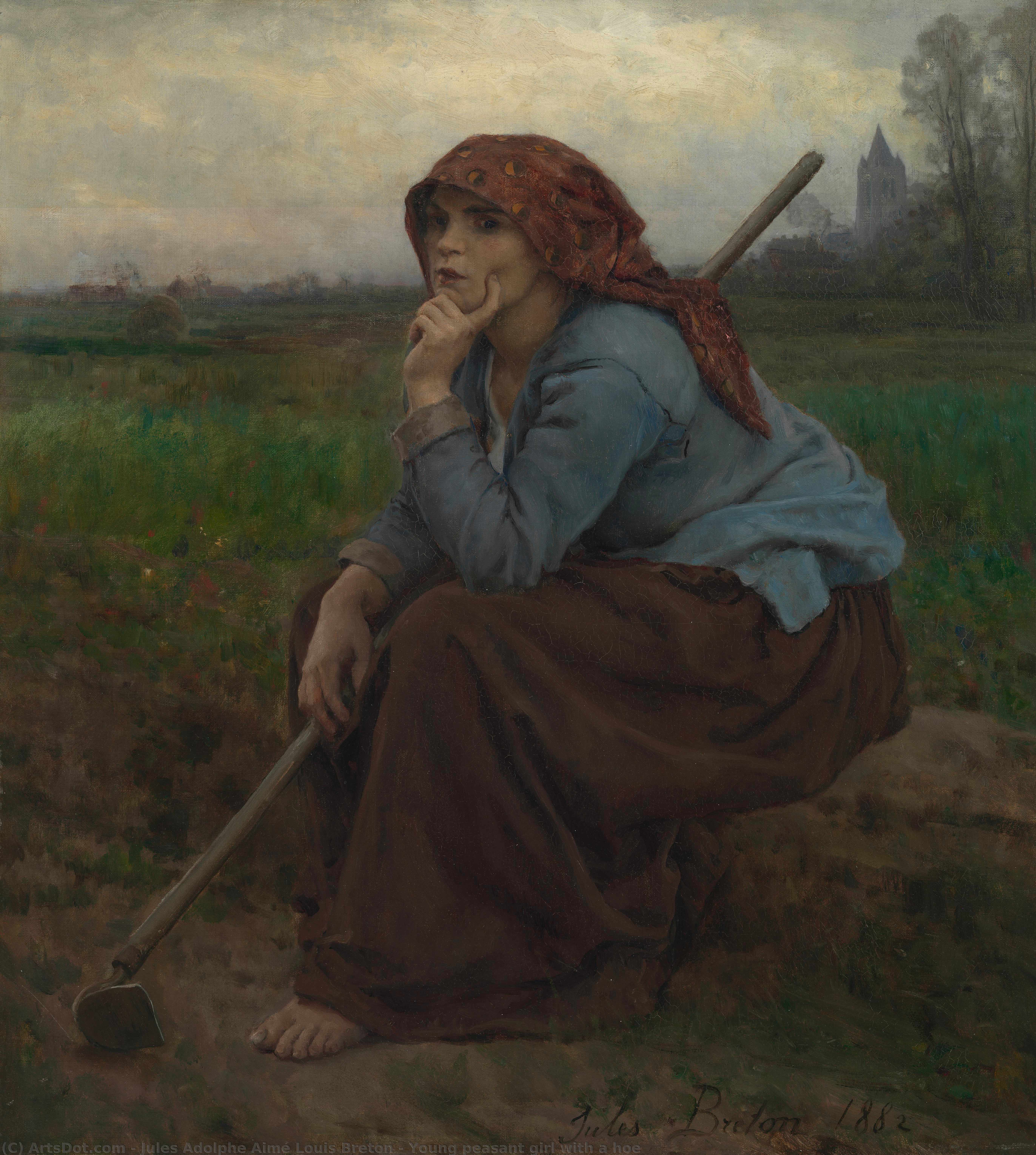
Young peasant girl with a hoe
 Oil On Canvas
- WallArt
- Realism
 1882
1882- 19th Century
 52.0 x 47.0 cm
 ゴッホ美術館
 詳細を見る
詳細を見る




P118B $10

P118H $10

P118W $10

P438Z $10

P508JH $12

P508YH $12

P805H $10

P805Z $10

P919BZ $10

P919G $10

P919XJ $10

P959ZH $10

P968JZ $12

W106C $8

W218G $10

W218JH $8

W218Y $10

W307PJ $10

W316G $10

W316PJ $8

W316Y $10

W398PJ $8

W4111J $10

W500HY $15

W500JH $15

W692G $12

W849H $8

W940BG $15

W953PJ $8




作品のオリジナル比率に合わせた、当店の規定サイズからお選びください。

特定のフレームやスペースに合わせて、ご希望のサイズをご入力いただけます。選択されたサイズが元の画像の比率と異なる場合、アートワークをトリミングするか、手描きで要素を追加して絵画を拡張いたします。デジタルモックアップ を制作し、制作開始前にご確認(承認)をいただきます。
画面上のプレビューは、実際のトリミングや拡張を正確に反映しているものではありません。最終的な構図は、モックアップによってのみ正確にご確認いただけます。
カスタムサイズもご利用いただけますが、元の比率を維持するためには、あらかじめ用意されたリストからサイズを選択することをお勧めいたします。
ご注文後、ArtsDot.com チームより詳細な指示をお送りするとともに、仕上がりイメージ(モックアップ)をご提供いたします。


 ガラスオプションは、110cm未満のサイズでのみご利用いただけます。

Young peasant girl with a hoe
複製技法
複製画のサイズ
-


合計金額
$ 263
A Moment Suspended in Rural Contemplation
This evocative painting, Young peasant girl with a hoe, transports the viewer directly into the heart of the French countryside during the late nineteenth century. It is more than just a depiction of labor; it is a profound meditation on thought amidst the rhythm of agricultural life. The central figure—a young woman seated thoughtfully in the rich earth—commands attention with her quiet intensity. Her posture, hands resting gently upon her chin, suggests a mind deeply engaged, perhaps pondering the harvest, the future, or simply the vast expanse of the field stretching out behind her. The inclusion of the hoe nearby serves as a subtle anchor to her daily reality, grounding this moment of introspection within the tangible world of peasant existence.
The Brushstrokes of Realism: Technique and Style
Painted in 1882 by Jules Adolphe Aimé Louis Breton, this work stands as a quintessential example of French Realism. Breton, deeply influenced by masters who championed the everyday subject, eschews mythological grandeur for the unvarnished truth of life. Observe the masterful handling of light; it seems to emanate from the sun filtering over the open field, illuminating the texture of her simple garments and the rich tones of the soil. The technique is remarkably naturalistic, allowing every fold of the red scarf—a vibrant splash of color against the muted greens and browns—to feel authentic. Breton captures not just what was seen, but how it felt to witness such a scene: peaceful, yet imbued with quiet dignity.
Symbolism of Labor and Thought
The symbolism woven into this canvas is rich and deeply resonant. The field itself represents sustenance, the cycle of life, and the enduring connection between humanity and the land. The hoe, an instrument of toil, becomes a symbol not only of work but also of resilience—the steady effort required to nurture growth. Yet, it is the girl’s contemplative gaze that elevates the piece beyond mere genre painting. She embodies the confluence of physical labor and intellectual life; her pause suggests that even in the most demanding routines, moments for profound thought are inevitable and necessary.
A Timeless Connection for Your Space
For collectors and designers alike, this reproduction offers an unparalleled opportunity to bring a piece of French pastoral history into your home. It speaks to a timeless appreciation for authenticity and quiet beauty. Imagine this scene gracing a sunlit dining room or lending rustic elegance to a study; it introduces a narrative depth that transcends mere decoration. Owning this artwork is acquiring not just paint on canvas, but a palpable sense of serene contemplation—a visual balm drawn from the heart of rural France.
関連作品
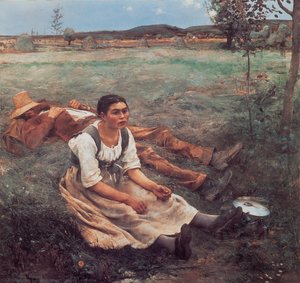
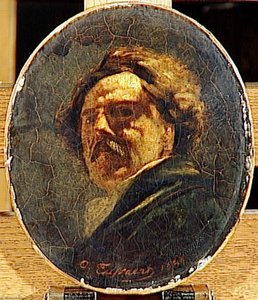
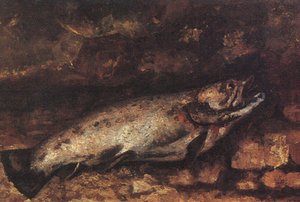
アーティストの略歴
フランス田園風景の詩人
ジュール・ブレトン(1827–1906)は、フランス写実主義の礎を築いた画家の一人です。この芸術運動は、装飾を排し、人生を正確かつ真実に描くことに捧げられたものであり、彼はその使命を自らのキャンバスに心から体現しました。フランス北部パ=ド=カレー県のクリエールという小さな村に生まれたブレトンの幼少期は、ささやかな環境の中にありましたが、そこには観察と描写に対する揺るぎない情熱が宿っていました。農業が盛んなアルトワの風景に深く根ざした彼の生い立ちは、伝統への深い敬意と大地への愛を彼に植え付け、それはその後の長い画業を通じて彼の芸術の中核であり続けました。幼くして母を亡くし、富裕な地主の土地管理をしていた父のもとで育った経験は、彼に農村生活のリズムとの親密な結びつきを与えたのです。
同時代の多くの画家たちが神話や歴史的な主題の壮大さを追い求めた一方で、ブレトンはありふれた労働者たちの尊厳へと眼差しを向けました。彼は、収穫後の穂拾いをする人々、刈り入れを行う人々、そして羊飼いたちといった日常の光景を、かつて古典的な人物にのみ許されていたアカデミックな気品をもって描き出す稀有な才能を持っていました。この独自の融合により、彼は田園生活の牧歌的なビジョンを伝える主要な伝道者となり、深く自然主義的でありながら、同時に極めて詩的なレンズを通してフランスの田舎の美しさを捉えたのです。
芸術的進化と写実主義の精神
ブレトンの芸術的な旅路は、写実主義(リアリズム)と自然主義の原則に対する厳格な献身によって形作られました。サン=ベルタン学院での学びを含む初期の修行を経て、彼はやがて当時の巨匠たちとのより深い関わりへと導かれていきました。彼はこの運動の妥協のない技法を吸収し、社会のあらゆる複雑さを映し出す鏡としての芸術を創造しようと努めました。この発展期において、彼は自らグラン・スタイル(壮大な様式)と呼ぶもの、すなわち素朴なジャンルの画題に記念碑的な重要性と時代を超越した感覚を吹き込む手法を追求しました。
彼の技法は、緻密な細部描写と光り輝くような色彩パレットに特徴づけられ、それらを巧みに操ることで自然界の質感を伝えていました。草原に降り注ぐ夜明けの柔らかな光から、夏の野原の陽光に満ちた重厚な空気感に至るまで、ブレトンは油彩を用いることで驚くべき奥行きを実現しました。その構図はしばしば牧歌的な静けさを呼び起こし、次のような情景を描き出しています。
- 川辺で洗濯をする女性たち:水面に反射する光の戯れが、風景の平穏を映し出します。
- 草原で遊ぶ子供たち:自然の中で躍動する、幼い日の無垢さと生命力を捉えています。
- 刈り入れ人たちのリズムに乗った労働:肉体労働の中に見出される強さと気高さを描き出しています。
これらの主題を通じて、ブレトンは単にキャンバスを飾ったのではありません。彼は人間と大地との間に永続する関係についての瞑想を生み出したのです。
遺産と歴史的意義
ジュール・ブレトンの歴史的な意義は、過去のアカデミックな伝統と19世紀のモダンな写実主義との間の隔たりを埋めたその能力にあります。農民の生活を描写するために洗練された古典的手法を適用することで、彼は高尚な芸術から見落とされがちであった階層の人々に、永続性と尊厳を授けました。彼の作品は当時の大衆の心に深く響き、パリ・サロンでの大きな称賛を浴び、フランス美術における指導的な人物としての地位を確立しました。
個々の作品を超えて、ブレトンの影響は家族やより広い芸術コミュニティへと広がっていきました。彼の娘であるヴィルジニー・ドモン=ブレトンもまた、深い観察眼と卓越した技術の継承者として、名高い画家となりました。今日においても、ジュール・ブレトンの作品は、その郷愁を誘う力と、見る者をフランスの失われた田園生活の時代へと誘う力によって愛され続けています。彼の絵画は、19世紀の魂へと通じる時代を超えた窓であり、存在の最も単純な瞬間に見出される静かな美しさを、私たちに思い出させてくれるのです。
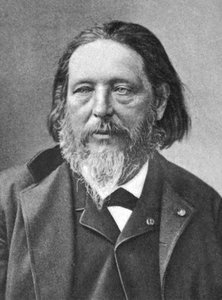
ジュール・アドルフ・エメ・ルイ・ブレトン
1827 - 1906 , フランス
基本情報
- Artistic Movement Or Style: 写実主義
- Artists Or Movements Influenced By This Artist: ['ロマン主義']
- Artists Who Influenced This Artist: ['オノレ・ヴィクトラン・ダ']
- Date Of Birth: 1827年5月1日
- Date Of Death: 1906年7月5日
- Full Name: ジュール・アドルフ・エメ・ルイ・ブレトン
- Nationality: フランス人
- Notable Artworks:
- 山中のドン・キホーテ
- 考える少女
- 洗濯女のスケッチ
- Place Of Birth: コートラス、フランス
関連記事
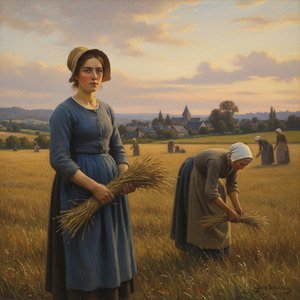
Jules Breton: Capturing the Poetic Soul of French Rural Life
Explore the captivating world of Jules Breton, master of French Realism. Discover his iconic paintings of rural life, learn about his artistic journey, and find high-quality reproductions to elevate your art collection at ArtsDot.
Romantic Realism's Finest: 10 Masterpieces for Your Home | ArtsDot
Explore 10 defining masterpieces of Romantic Realism! Discover Courbet, Millet & Daumier's powerful paintings—capturing emotion and social realities. Find museum-quality reproductions for your home at ArtsDot.com.
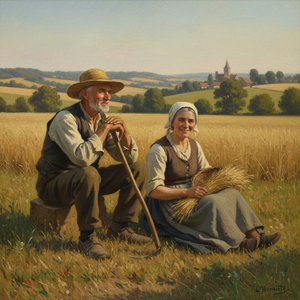
Léon Augustin L'Hermitte: Capturing the Soul of French Rural Life
Discover the captivating realist paintings of Léon Augustin L'Hermitte, masterfully depicting French rural life. Explore his technique, influences & legacy – a cornerstone of 19th-century art.
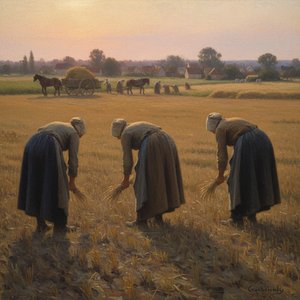
Jean-François Millet: Realism, Rural Life & the Poetic Depiction of Labor
Explore the life & work of Jean-François Millet, a founder of Realism. Discover his poignant depictions of rural France, iconic paintings like 'The Angelus,' and lasting influence on art history. Learn more at ArtsDot.
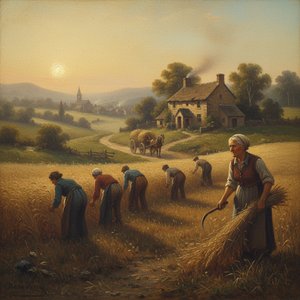
Echoes of Rural Life: Nostalgia, Labor & Identity in Art History
Explore the rich history of rural life in art! Discover how Realism captured labor & identity through masterpieces by Van Gogh, Millet & more. Expert analysis for collectors and enthusiasts.

