

 プレビュー
プレビュー
 プリントを購入
 シェアする
シェアする シェアする
シェアする
 詳細を見る
詳細を見る

 ダウンロード
 似ている作品
 X線調査
X線調査 スライドショー
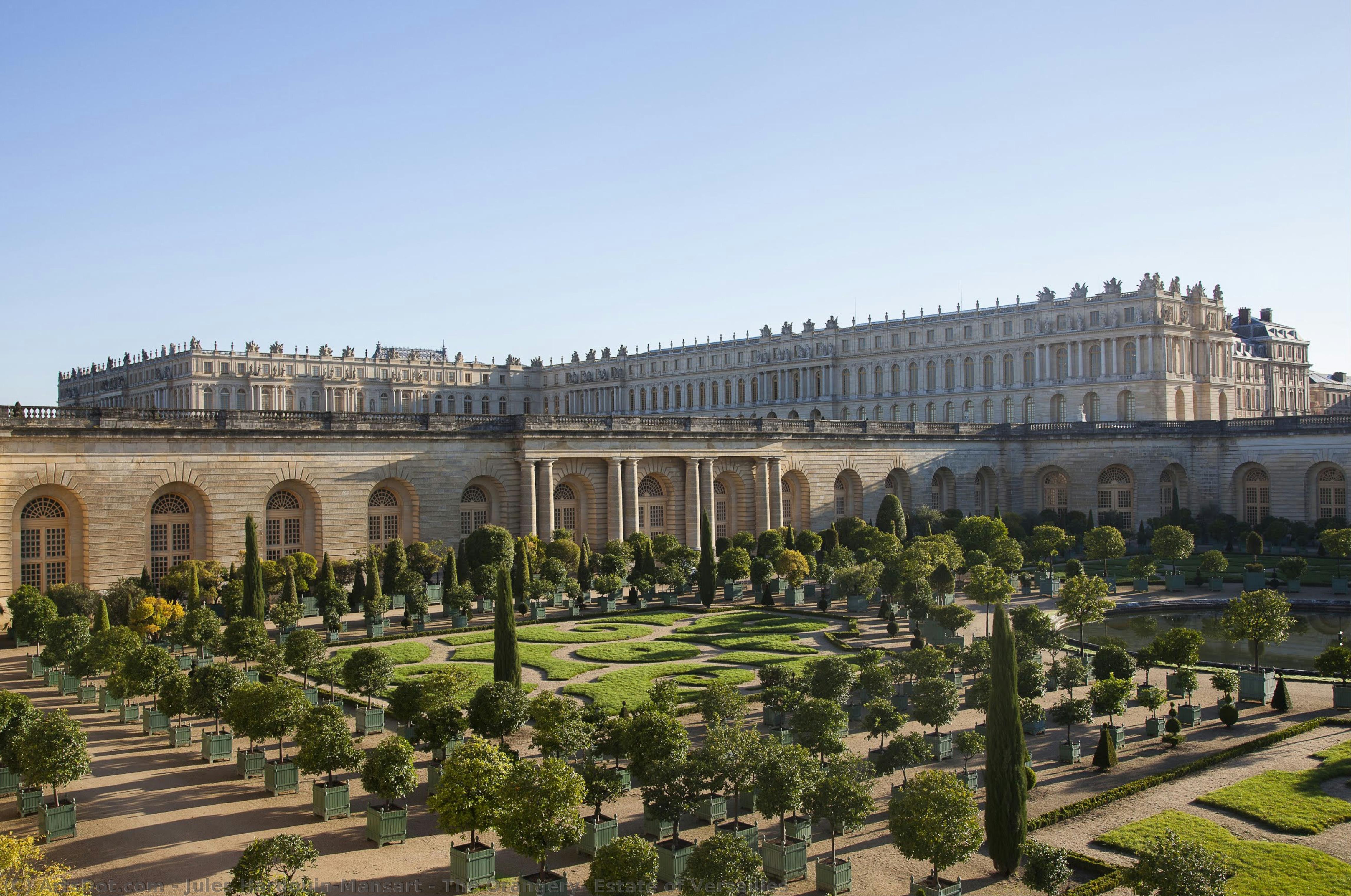
The Orangery, Estate of Versailles

 詳細を見る
詳細を見る
オンラインプレビューをはるかに凌ぐ、高解像度で鮮明なデジタル画像をご購入いただけます。
各ファイルは、社内の専門家が高度なツールと熟練した手作業によるレタッチを用いて、細心の注意を払って準備されています。すべての画像において、卓越した鮮明度、正確な色彩再現性、そして繊細なディテールを保証いたします。
最終ファイルは、プロフェッショナルな編集・印刷環境ですぐにご利用いただけるよう最適化された状態で、72時間以内にメールにてお届けいたします。これは、一流のデザインスタジオ、出版社、ギャラリーから信頼されているものと同等の品質です。
デジタル画像のご注文に付随する特典
高品質なデジタル画像配信を、確かな品質で。
ArtsDot.com を選ぶことは、単に画像を手に入れることではありません。それは、プロの手によって精密に仕上げられ、満足保証が付いた高品質なデジタルアートワークを受け取ることを意味します。ご注文いただいた際に自動的に付随する内容は、以下の通りです:

メールですぐにお届け
ご注文から72時間以内に、高解像度のデジタル画像ファイルがメールでお手元に届きます。すぐにそのままご利用いただけます。

AI技術で最適化されたデジタルファイル
お客様の作品は、高度なAIツールと専門家による手作業の編集を組み合わせてプロフェッショナルに最適化されており、細部のディテール、鮮明さ、そして正確な色再現性を最大限に引き出しています。

一生涯無料の再送サービス
ファイルを誤って削除したり、紛失してしまったりしましたか?ご安心ください。いつでも無料で再送いたします。

輸入手数料は一切かかりません
関税や手数料、配送料を気にすることなく、お気に入りのアートワークをすぐにお楽しみいただけます。デジタルダウンロードは常に免税です。

色彩再現の保証
プロ仕様のツールとカラーマネジメント技術を用いることで、デジタル画像が元の色を最大限に忠実に再現することを保証いたします。

60日間満足保証
ご購入いただいたデジタル画像にご満足いただけない場合は、60日以内であれば、修正または100%の返金(理由を問う必要はありません)をさせていただきます。

100% 返金保証
ご満足いただけない場合は、デジタルファイルを受け取ってから60日以内であれば、理由を問わず全額返金いたします。

まとめ買い割引
3枚購入で10%OFF - 5枚購入で15%OFF - 10枚以上購入で20%OFF。クリエイティブなプロジェクト、ギャラリー、エージェンシーに最適です。
関連作品








作家の略歴
The Architect of Royal Grandeur: Jules Hardouin-Mansart
Jules Hardouin-Mansart, born in Paris in 1646, was more than just an architect; he was the embodiment of French Baroque ambition and a master craftsman of royal spectacle. His name became synonymous with the opulent reign of Louis XIV, forever linked to the glittering halls and meticulously planned gardens that defined the Sun King’s court at Versailles. Though born into a family already steeped in architectural tradition—his great-uncle was the celebrated François Mansart—Jules wasn't merely an heir to a legacy but a dynamic innovator who reshaped French classicism, blending it with a sense of theatrical grandeur previously unseen. He inherited not only his great-uncle’s collection of plans and drawings but also the prestigious “Mansart” name, adding it to his own in 1668 as a mark of distinction and aspiration.- Early Career & Royal Patronage: Hardouin began his professional life as an entrepreneur in building construction alongside his brother Michel, but quickly recognized the allure—and power—of dedicating himself solely to architecture. A pivotal moment arrived in 1674 when he secured commissions from Madame de Montespan, Louis XIV’s influential mistress. This initial success wasn't simply due to talent; Hardouin possessed a rare diplomatic skill, navigating the complex currents of courtly life with finesse. He cultivated relationships with key figures like François-Michel le Tellier, Marquis de Louvois, the powerful Minister of War, securing their support and opening doors to increasingly significant projects.
- Versailles: A Monumental Transformation: The Palace of Versailles became Hardouin-Mansart’s defining canvas. Beginning in 1677, he embarked on a decades-long endeavor to expand and transform the royal residence into an unparalleled symbol of power and prestige. He wasn't simply adding structures; he was crafting an entire world—a meticulously planned landscape of halls, gardens, pavilions, and courtyards designed to overwhelm and inspire awe. His ability to manage these enormous projects, coordinating countless artisans and designers, proved crucial to his success.
A Synthesis of Classicism & Spectacle
Hardouin-Mansart’s architectural style is often described as Louis XIV classicism, but this label only hints at the complexity of his vision. He possessed a remarkable ability to adapt and innovate, seamlessly blending classical principles with elements of Baroque drama. His designs weren't rigid imitations of ancient forms; they were dynamic reinterpretations infused with a distinctly French sensibility. He excelled in creating structures that served both practical purposes and symbolic functions—churches that inspired religious devotion, palaces that projected royal authority, and urban squares that showcased the power and order of the state. The Place des Victoires (1684-1690) and Place Vendôme (1690), for example, weren’t merely public spaces but carefully orchestrated displays of Louis XIV's dominance. He demonstrated a unique talent for rehabilitating existing buildings, skillfully enlarging and modifying them without sacrificing their original character—a skill particularly evident in his work at Versailles.- Key Works & Innovations: Beyond Versailles, Hardouin-Mansart’s portfolio included the Place des Victoires, a grand urban square designed to celebrate Louis XIV's military victories; the Place Vendôme, an elegant public space that became a symbol of Parisian sophistication; and the domed chapel of Les Invalides (1690), a poignant tribute to veterans of the King’s armies. However, perhaps his most enduring legacy lies in the Grand Trianon, a smaller palace within the Versailles estate—a masterpiece of Rococo wood panelling and refined elegance.
- The Art of Collaboration: Hardouin-Mansart wasn't a solitary genius; he understood the power of collaboration. He surrounded himself with talented artists and craftsmen, delegating tasks and fostering a spirit of innovation within his team. Robert de Cotte, who would become his chosen successor, was among his most trusted collaborators, contributing significantly to the development of the Louis XIV style.
The Intendant & The Count
Hardouin-Mansart’s rise through the ranks of royal service mirrored his architectural achievements. In 1678 he became director of work at Versailles and First Architect of the King in 1681, a testament to his growing influence and prestige. His nobility was recognized in 1682, solidifying his position within the French aristocracy. He wasn’t merely designing buildings; he was managing budgets, negotiating contracts, and overseeing vast teams of laborers—a complex undertaking that required both artistic vision and administrative acumen. He became intendant of the King in 1685, and royal inspector-general of buildings in 1691, eventually replacing Villacerf as superintendent of buildings in 1699. His ability to balance creative ambition with practical constraints earned him the respect of both his patrons and his peers. In 1702, he was bestowed with the title of Count of Sagonne—a fitting recognition for a man who had so profoundly shaped the landscape of French power. He died six months later at the royal Château de Marly, leaving behind a legacy that would continue to inspire generations of architects. His monumental work was designed to glorify the reign of Louis XIV.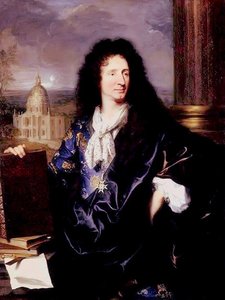
jules hardouin-mansart
1646 - 1708 , France
プロフィール概要
- Artistic Movement Or Style: Baroque & Rococo
- Artists Or Movements Influenced By This Artist: French Classicism
- Artists Who Influenced This Artist: ['François Mansart']
- Date Of Birth: April 16, 1646
- Date Of Death: May 11, 1708
- Full Name: Jules Hardouin-Mansart
- Nationality: French
- Notable Artworks:
- Place des Victoires
- Place Vendôme
- Les Invalides dome
- Grand Trianon
- Place Of Birth: Paris, France

